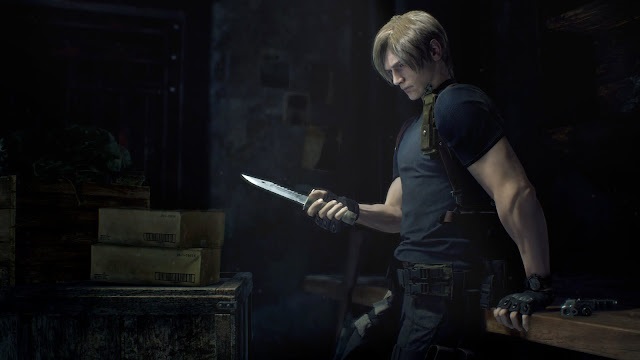
Resident Evil 4 is the remake of the iconic 2005 title that redefined the survival horror genre, and its modern reimagining stands as both a tribute to its legacy and a confident evolution. From the moment the game opens, it establishes a gripping sense of dread and urgency, drawing players into a hostile rural European setting filled with mystery, danger, and relentless enemies.
One of the most striking aspects of Resident Evil 4 is its pacing. The game expertly balances moments of quiet tension with explosive combat encounters, ensuring that players are never fully comfortable. Just when the atmosphere lulls you into cautious exploration, the game unleashes overwhelming threats that demand quick thinking and sharp reflexes.
The storyline remains one of the most memorable in the franchise. Leon S. Kennedy, now a hardened government agent, is sent to rescue the President’s daughter, Ashley Graham, from a cult known as Los Illuminados. What begins as a seemingly straightforward rescue mission quickly spirals into a nightmarish conspiracy involving parasitic creatures and sinister experiments.
Leon himself is a compelling protagonist, blending stoic professionalism with dry wit. His one-liners provide brief moments of levity in an otherwise grim experience, while his determination grounds the emotional core of the story. The remake deepens his characterization, making him feel more human and emotionally invested in the mission.
Ashley Graham is also reworked in meaningful ways. No longer just a liability, she feels more capable and responsive, which reduces frustration and strengthens the bond between player and character. Her vulnerability still adds tension, but the remake ensures she feels like part of the narrative rather than a burden.
Supporting characters further enrich the experience. Ada Wong remains enigmatic and captivating, her true motivations always just out of reach. Luis Sera adds charm and intrigue, serving as both an ally and a tragic figure whose past choices haunt him. Each character contributes to the layered storytelling that keeps the plot engaging throughout.
The villains of Resident Evil 4 are equally memorable. Osmund Saddler, the leader of Los Illuminados, embodies a chilling fanaticism that elevates him beyond a typical antagonist. The various Plagas mutations introduce grotesque and unpredictable enemy designs that keep combat encounters fresh and unnerving.
Gameplay remains the heart of Resident Evil 4’s brilliance. The over-the-shoulder camera, revolutionary at the time of the original release, still feels impactful and refined in the remake. It creates a more intimate combat experience, forcing players to confront enemies head-on rather than relying on distant perspectives.
Combat is deliberate and tactical, rewarding precision and situational awareness. Shooting enemies in specific areas to stagger or disable them remains immensely satisfying, and the remake enhances this system with improved feedback and smoother animations. Every encounter feels like a test of skill and resource management.
Quick time events, while toned down compared to the original, are integrated more seamlessly. They add cinematic flair without disrupting the flow of gameplay, ensuring that action sequences feel dynamic rather than intrusive.
The survival horror atmosphere is masterfully preserved. Limited ammunition, scarce healing items, and relentless enemy pressure keep tension high at all times. The game constantly forces players to make difficult decisions about how to use their resources, reinforcing the feeling of vulnerability.
Inventory management remains a standout feature. The iconic grid-based case returns, turning item organization into a satisfying puzzle of its own. Finding the optimal arrangement for weapons, ammo, and healing items adds an extra layer of strategy that few games replicate successfully.
Visually, Resident Evil 4 is stunning. The remake transforms the once-muted environments into richly detailed and haunting locations. Dilapidated villages, shadowy castles, and industrial complexes all feel alive with menace, enhanced by dynamic lighting and realistic textures.
Character models and animations are significantly improved, lending a cinematic quality to both cutscenes and gameplay. Facial expressions convey fear, determination, and desperation with impressive realism, strengthening emotional immersion.
Sound design plays a crucial role in sustaining the game’s atmosphere. Every footstep, distant scream, and enemy growl contributes to a sense of constant danger. The use of silence is just as effective as loud audio cues, keeping players perpetually on edge.
The soundtrack, composed by Misao Senbongi and Shusaku Uchiyama, perfectly complements the experience. Tracks like “Ganado I” heighten the chaos of combat, while eerie compositions such as “Regenerador” amplify dread during the game’s most terrifying encounters.
The remake also benefits from numerous quality-of-life improvements. Updated controls feel intuitive and responsive across platforms, and modern accessibility options ensure a smoother experience for new players without diluting the challenge veterans expect.
Additional modes like The Mercenaries and the Separate Ways campaign featuring Ada Wong provide excellent replay value. These extras expand the narrative and gameplay, rewarding players who want to dive deeper into the world of Resident Evil 4.
What truly sets Resident Evil 4 apart is how well it holds up over time. Even years after its original release, the remake proves that great design transcends generations. It respects the past while confidently embracing modern sensibilities.
In the end, Resident Evil 4 is more than just a remake—it is a masterclass in survival horror. Its gripping story, refined gameplay, unforgettable characters, and immersive atmosphere come together to create an experience that remains unmatched in the genre.
Game Information
Publisher: Capcom
Developer: Capcom
Official Release Date: March 24, 2023
Console Reviewed On: Xbox One
Score: 10 out of 10
"Resident Evil 4 doesn’t just remind us why it was revolutionary—it proves that true horror never ages."