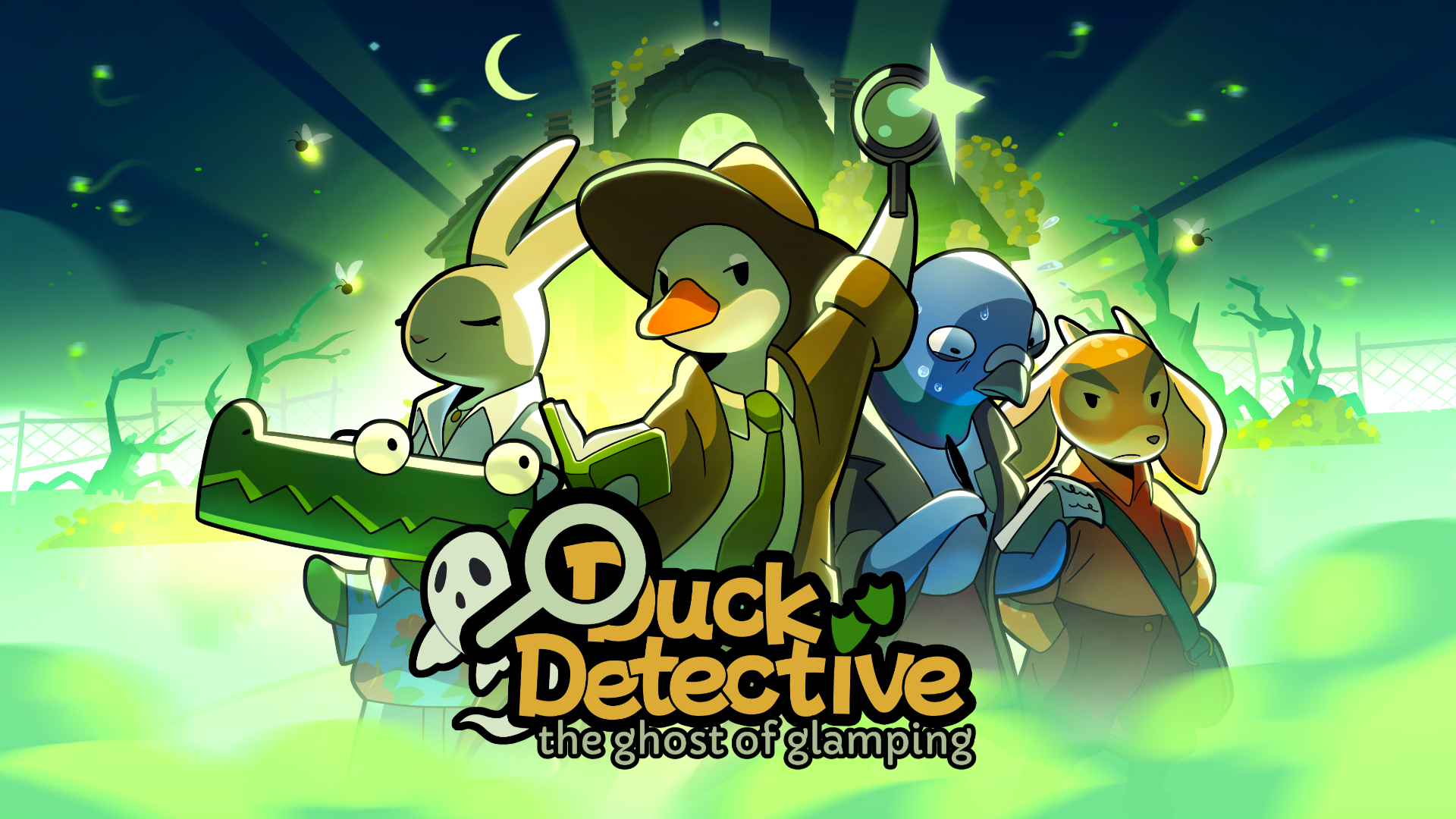
Duck Detective: The Ghost of Glamping waddles back with even more cozy charm and dry wit than its cult‑favorite predecessor. From Berlin indie Happy Broccoli Games comes a stand‑alone caper that drops Eugene McQuacklin; a melancholic, divorce‑scarred sleuth with an alarming bread habit; into a luxury campsite where ghost stories and personal regrets tangle. The mystery favors warmth over violence: no bodies, plenty of personality. You’ll interview an eccentric cast, comb through tactile clues, and assemble goofy yet poignant deductions in a tightly paced, character‑first case crafted for players who relish snug detective puzzles, sharp dialogue, and storytelling that’s as heartfelt as it is delightfully absurd; watch the trailer here:
Premise and tone
This is a gentle, no‑murder mystery that trades blood and gore for warmth, wit, and small‑scale human drama. Eugene; freshly divorced, quietly morose, and disastrously devoted to bread; wades through campground gossip, half‑remembered alibis, and literal crumbs of evidence to piece together what really happened. The ghost story sets the scene, but the case is about messy relationships, petty secrets, and the tiny moments that reveal character. Writing skews warm and slyly comic, alternating affectionate satire with genuine, rueful beats so the game becomes as much an exercise in getting to know people as it is in solving puzzles.
What you do
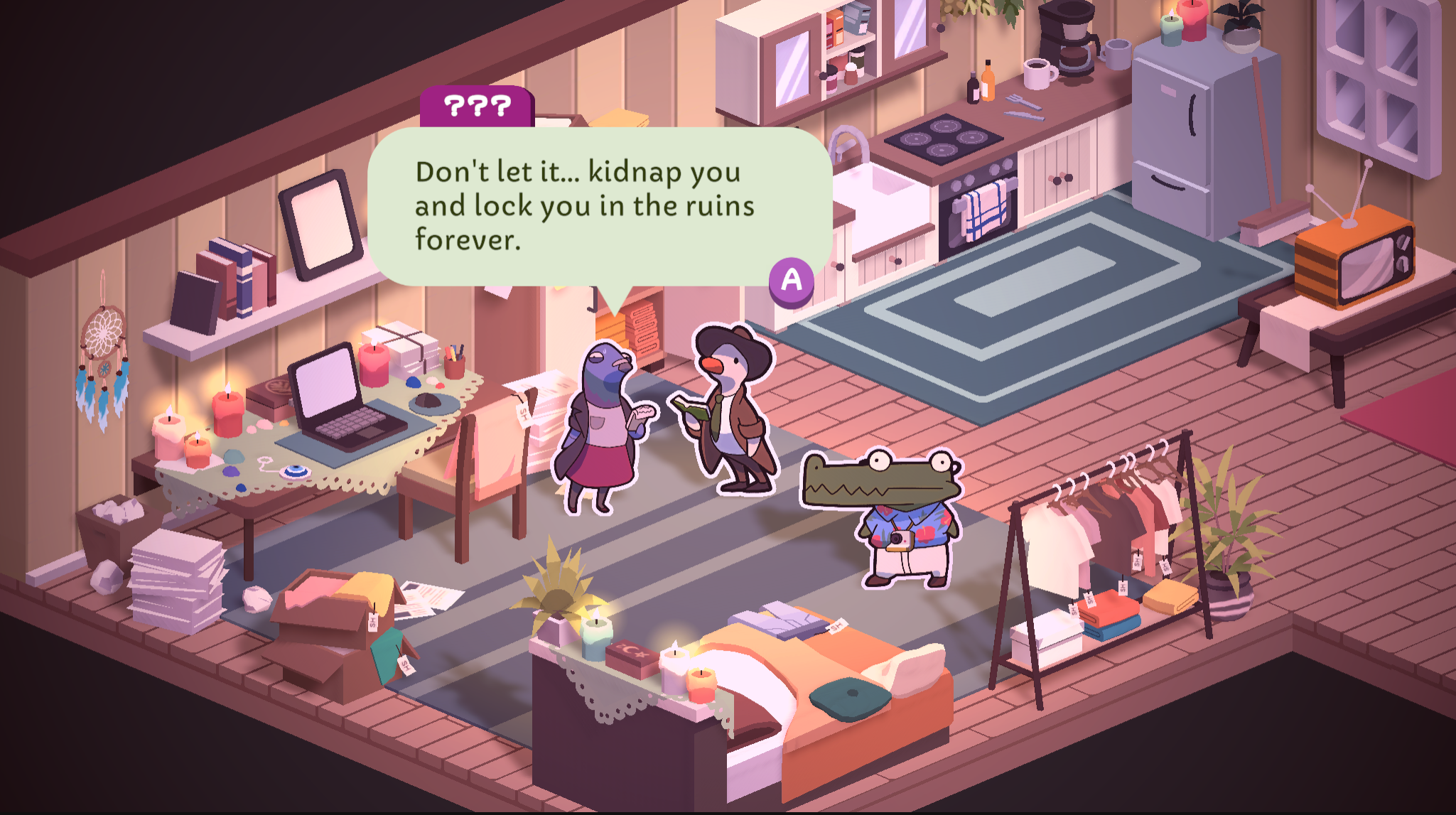
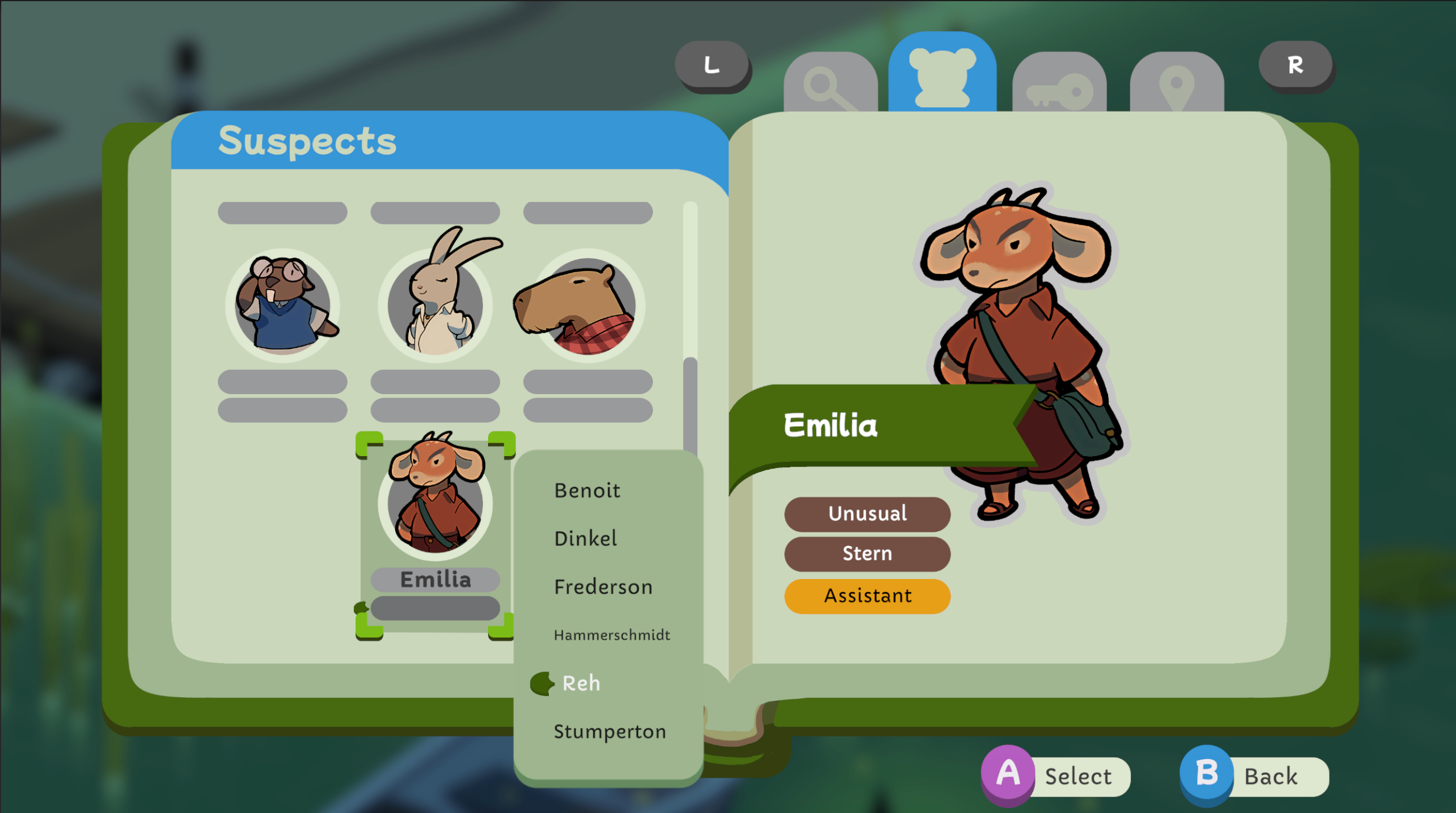
• Interview suspects: Converse with a fully voice‑acted ensemble of quirky, evasive campers; follow threads, press inconsistencies, and record statements on your case sheet to unlock new leads.
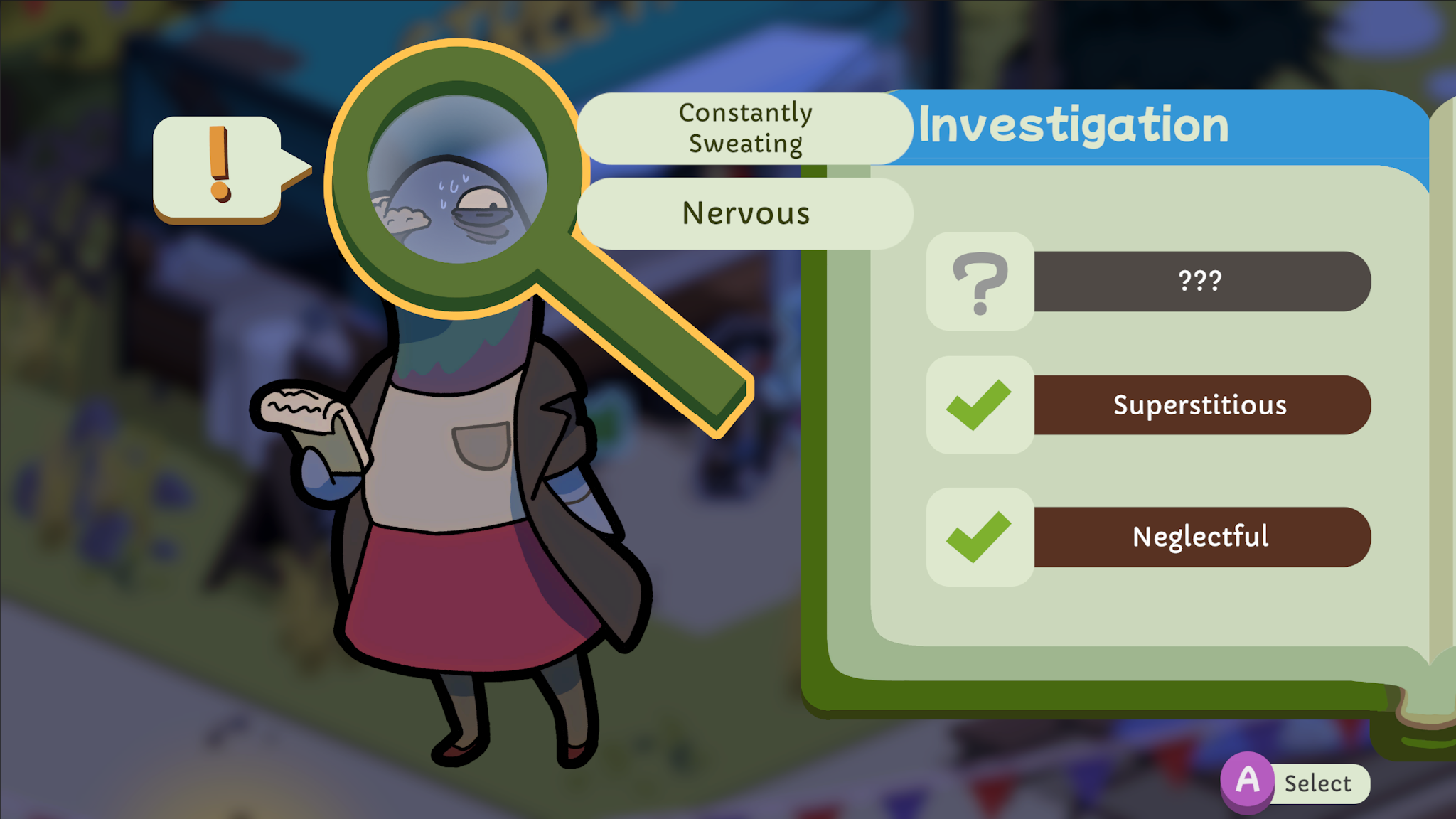
• Inspect evidence: Closely examine objects, footwear prints, torn tents, and locations; compare physical clues against testimony to spot contradictions and piece together the timeline.
• Cross‑reference and deduce: Slot facts into your deduction board, eliminate impossible scenarios, and trace motives, opportunities, and alibis until only the most likely explanation remains.
• Close the case: Synthesize interviews and evidence into a clear accusation or alternative resolution; the game rewards careful observation and lets you reach a satisfying, compact conclusion without padding the mystery.
Features
• Cozy, replayable runtime: A focused 2–3 hour mystery loop engineered for tight pacing and repeat playthroughs that reward new questions and fresh deductions.
• Stand‑alone sequel: Fully self‑contained story that newcomers can jump into; returning players get extra satisfaction from callbacks and recurring character beats.
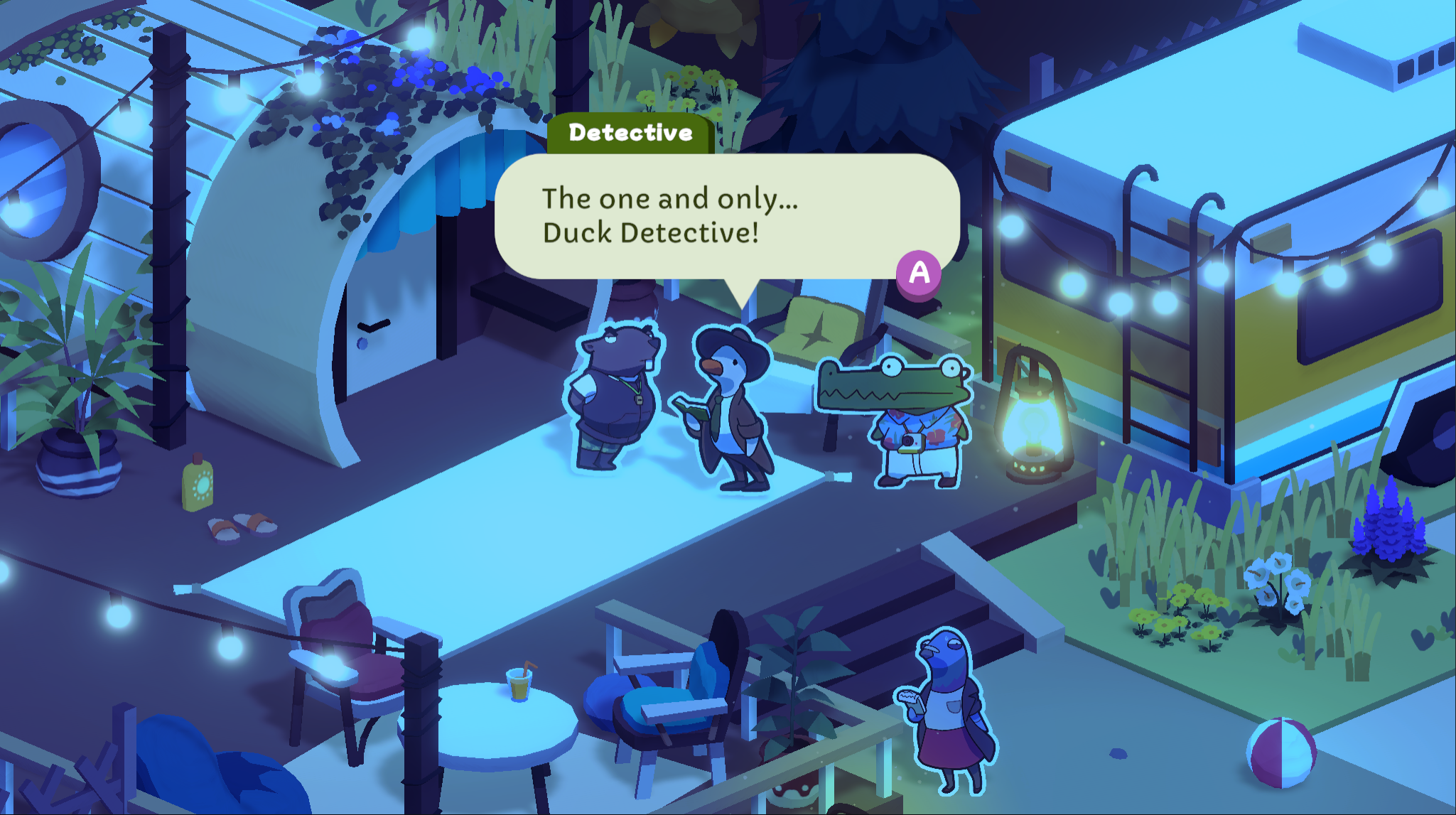
• Full voice cast: Every suspect is fully voice‑acted, giving dialogue real personality, timing, and comedic nuance that elevate interrogation scenes.
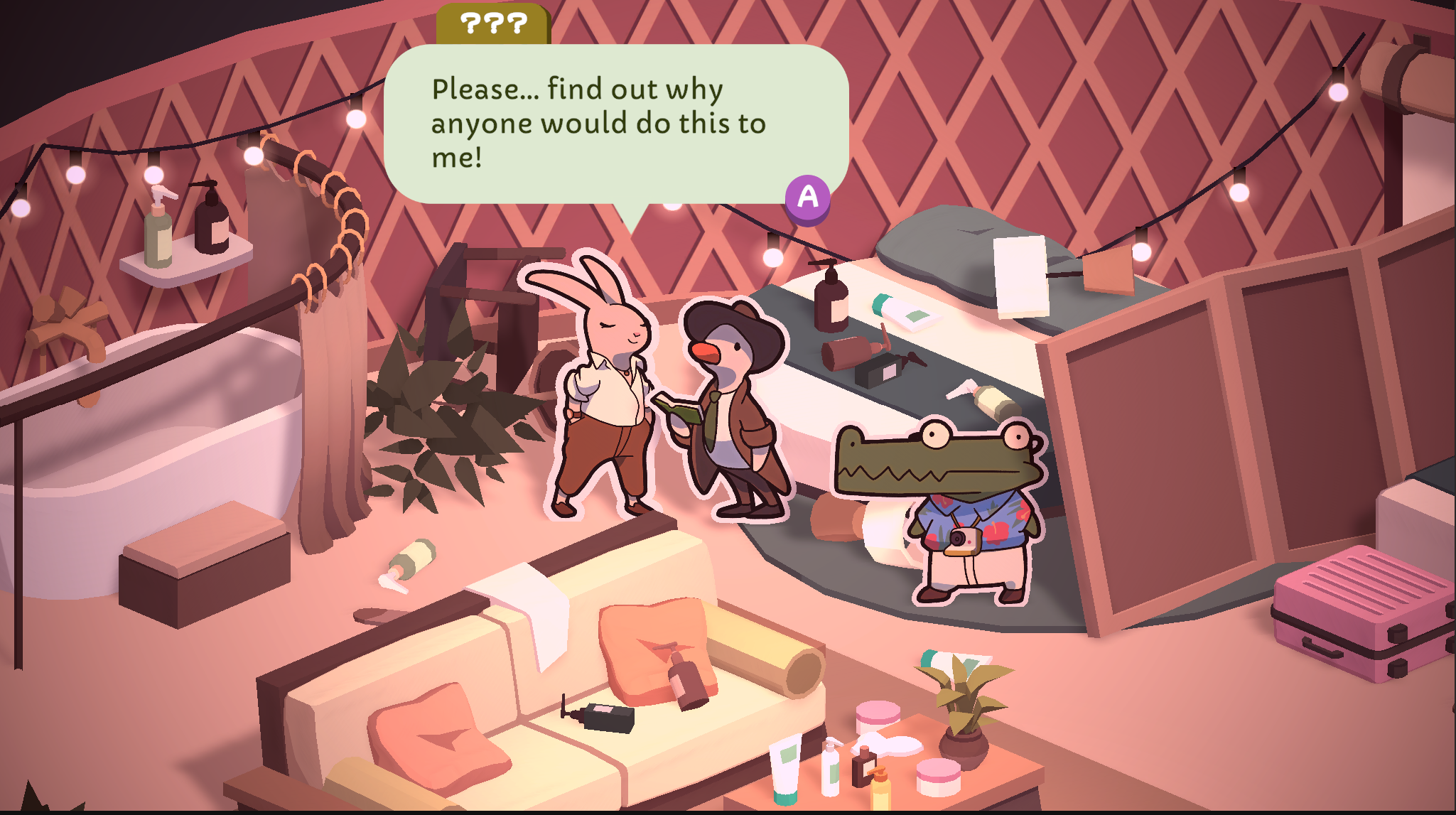
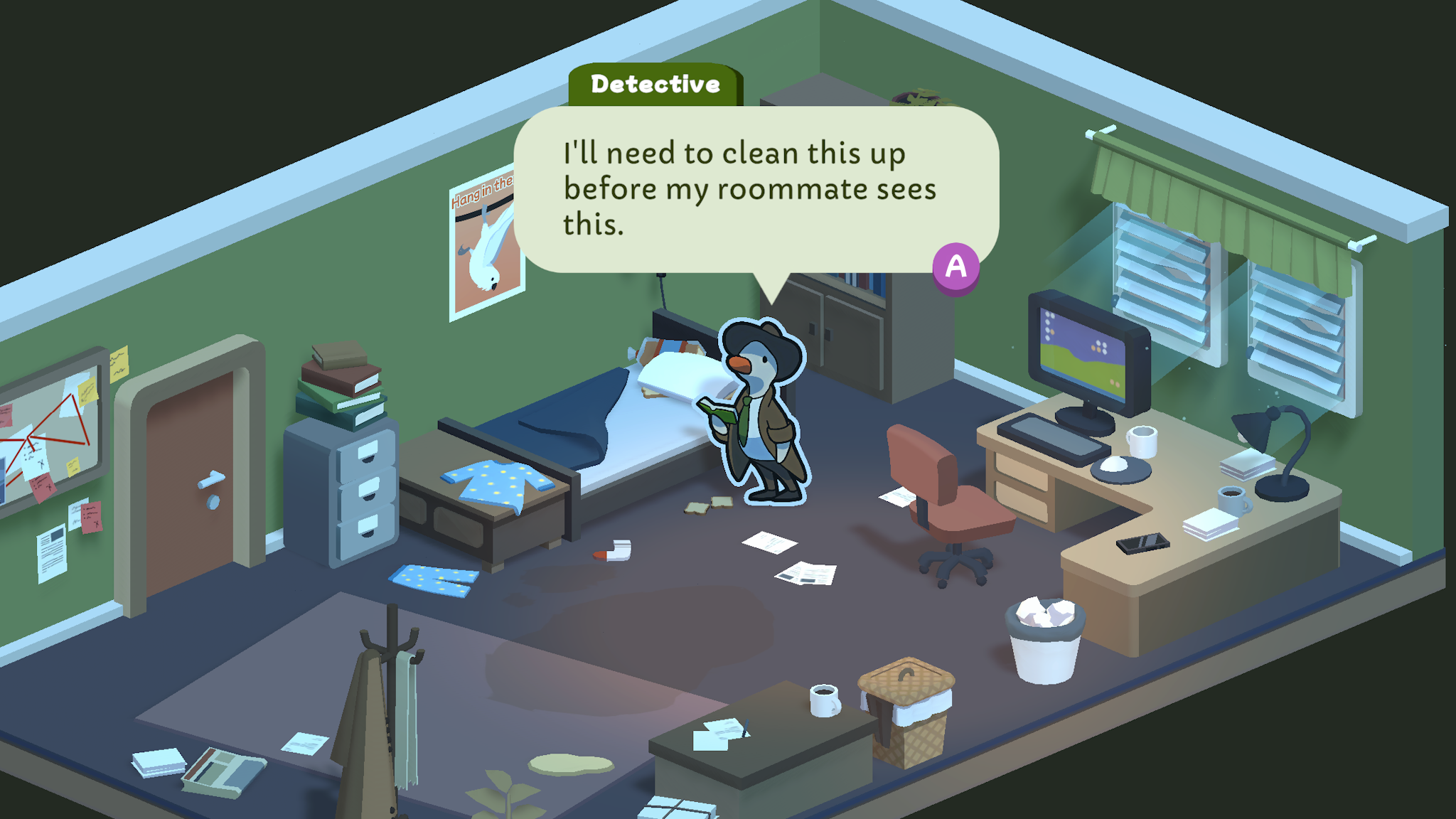
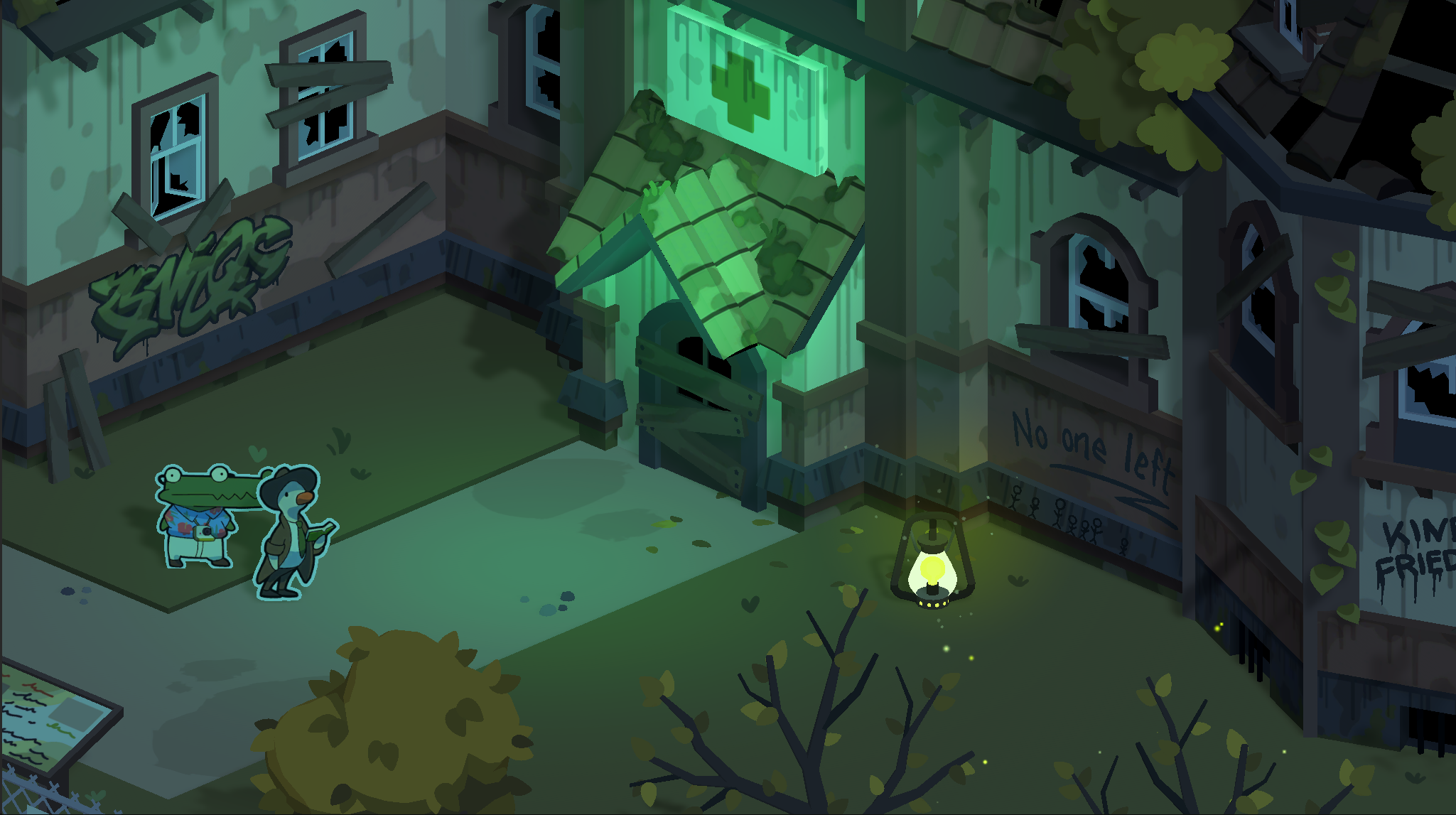
• Handcrafted locations: Carefully designed campsite maps and atmospheric vignettes that balance idyllic charm with subtly eerie corners to inspect and revisit.
• Balanced tone: Gentle satire, family‑friendly humor, and poignant, melancholic moments coexist to make both the laughs and quieter reveals land.
• Portable‑friendly performance: Optimized for handheld play with strong Steam Deck support reported, so you can sleuth comfortably on the go.
Presentation and audio
Happy Broccoli favors handcrafted charm over spectacle, dressing every scene in clear, readable visuals that prioritize personality and storytelling. Environments are deliberately legible; props, clues, and pathways read at a glance; while character art and expressive posing give NPCs instant, memorable presence. Voice work is the game’s MVP: actors sell timing, awkward silences, and quiet emotional beats, turning short exchanges into character moments. A restrained, atmospheric score and subtle ambient beds underline mood and underscore revelations without competing with dialogue, so conversation and deduction remain front and center.
Gameplay and pacing
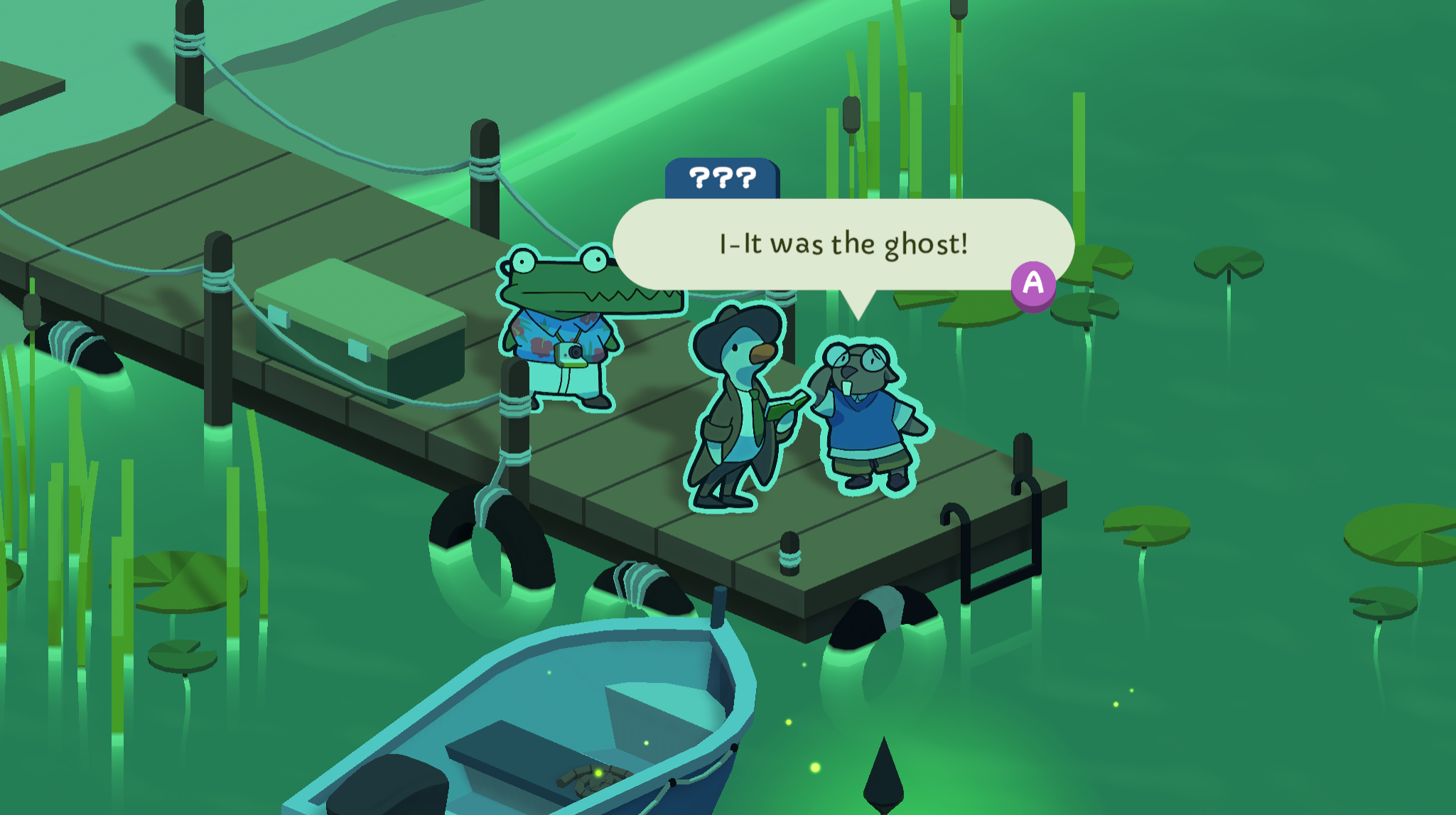
The design privileges slow, thoughtful sleuthing over reflexes and timing. Conversation drives progress: careful listening, strategic questioning, and cross‑checking testimonies produce breakthroughs rather than combat or frantic trial‑and‑error. The game’s compact structure; roughly two to three hours; is deliberate, keeping momentum tight and trimming filler so each clue matters. Improved hinting and reduced, more localised backtracking smooth the flow compared with the previous entry, cutting irritation and letting curiosity, not busywork, carry you to the finish.
Strengths
• Character‑first writing & voice acting: Sharp, empathetic dialogue and committed performances give every suspect a distinct personality and make even brief exchanges feel consequential.
• Tightly paced, cozy play: Compact structure and deliberate beats make the game perfect for short sessions, family co‑play, or sharing a single warm evening of sleuthing.
• Polished quality‑of‑life: Clearer maps, smarter hinting, and snappier navigation reduce tedium and keep momentum focused on deduction rather than busywork.
• Accessible but satisfying challenge: Puzzles reward careful listening and reasoning; they offer meaningful mental payoff without requiring excessive grinding or opaque solutions.
• Excellent portable ergonomics: UIs scale well and performance holds up on handheld systems, making the Steam Deck and similar devices ideal for on‑the‑go investigations.
Weaknesses
• Runtime feels fleeting: The 2–3 hour scope is intentional but may leave players craving deeper arcs, additional cases, or longer play sessions to fully savor the world and characters.
• Residual backtracking: Backtracking is reduced but not eliminated; when it appears it can still break momentum and pull you out of investigative flow.
• Light deduction systems: The mechanics emphasize narrative clarity over layered detective simulation; players who want complex chaining, branching logic, or multi‑case progression may find the puzzle systems simplified.
• Occasional rough edges: Visual and UI polish, while improved, still show hints of indie limits; a few technical quirks and aesthetic inconsistencies may stand out to those expecting a more studio‑level finish.
Community reception
Early response tilts positive, especially among fans of cozy mysteries and family‑friendly sleuthing. Players applaud tighter pacing, stronger voice work, and the way humor and melancholy braid together to give scenes real emotional texture. Returning players say The Secret Salami enriches the experience but isn’t required; Ghost of Glamping is frequently described as a more refined, compact follow‑up that sharpens the originals’ charms while trimming excess.
Final verdict
Duck Detective: The Ghost of Glamping is a warm, oddball little mystery that confidently plays to its strengths. It doesn’t aim to be a sprawling detective simulator; instead it delivers a compact, voice‑forward experience centered on character, atmosphere, and thoughtful, cozy deduction. The writing and voice acting turn brief encounters into memorable moments, the pacing keeps the case brisk and re‑playable, and the game’s gentle humor and melancholy give its feathered protagonist real heart. If you crave bite‑sized mysteries, strong performances, and a whimsically noir vibe to share with family or friends, this sequel is an easy recommendation and a charming repeat playthrough.
Watch and Wishlist
• Wishlist now: Add Duck Detective: The Ghost of Glamping to your wishlist so you get notified about launch discounts, seasonal sales, and DLC or sequel announcements.
• Follow the developer: Follow Happy Broccoli Games on Steam and socials for dev diaries, patch notes, and early previews of future Duck Detective cases.
• Enable store notifications: Turn on alerts for the game and the developer page to catch hotfixes, quality‑of‑life updates, and limited promotions the moment they drop.
• Monitor portable performance: Check recent player notes for Steam Deck and other handheld performance tips before buying; reported builds run well but small UI or resolution tweaks may help.
• Watch playthroughs before you buy: Short clips and guided playthroughs are useful to confirm the tone and puzzle depth match your preferences.
• Join the community: Drop into the Steam Discussions or the dev’s social channels to ask questions, share theories, and spot community challenges or bonus content.
Key takeaways
• Cozy, focused mystery: A tight 2–3 hour stand‑alone case that delivers a complete, satisfying story without filler.
• Character and performance forward: Strong voice acting and character‑first writing make interviews and encounters consistently engaging.
• Smoother pacing and hinting: Noticeably better flow than the first game, with clearer maps, more useful hints, and reduced backtracking.
• Conversation‑driven gameplay: Progress comes from asking the right questions and cross‑checking testimony rather than combat or reflexes.
• Accessible but rewarding: Puzzles are approachable for newcomers while still offering satisfying deductive payoffs for careful players.
• Family‑friendly and portable‑ready: Charming, gently funny, and ideal for short sessions or co‑play; runs well on handhelds like the Steam Deck.
Game Information:
Developer & Publisher: Happy Broccoli Games
Platforms: PC - Steam (reviewed), iOS, Android, PS5
Release Date: May 22, 2025
Score: 9.0 / 10
A near‑perfect cozy mystery that nails character, voice acting, and pacing while keeping gameplay approachable and delightfully charming.