Dungeon Arsenal: Flip for Firepower - Card‑flipping roguelite where every draw could be loot or a lethal ambush. (Game Review)
Dungeon Arsenal is a breakneck roguelite built around tense, card‑flipping exploration. Each run propels you through procedurally generated floors where every card is a gamble; weapon, item, gold, or a monster poised to ambush, so every reveal matters.
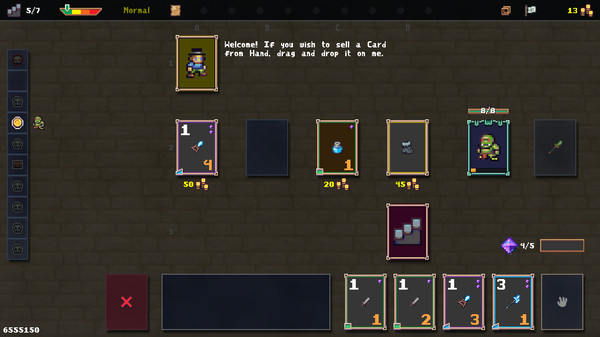
The game fuses room‑clearing tactics with deck‑driven resource management: decide when to press your luck, when to retreat, and how to spend scarce gold on relics and weapons that can turn a fragile run into a dominant build. Treasure rooms, shops, and boss encounters punctuate the loop, rewarding careful planning and bold improvisation in equal measure.
How it plays
• Core loop: Explore each floor by flipping cards to reveal weapons, items, gold, or hidden threats; clear rooms through tactical choices, then weigh risk versus reward, push forward for greater loot or retreat to bank your gains and reset the odds.
• Combat and resource economy: Encounters demand tight resource management; mana, action points, and positioning all matter. Smart use of abilities, timing of attacks, and knowing when to disengage turn chaotic rooms into calculated wins.
• Relics and shops: Treasure Rooms and shops offer powerful Relics and weapon cards that can radically alter your strategy. Relics grant unique, run‑defining skills and synergies that let you pivot between glass‑cannon, control, or sustain builds as the run unfolds.
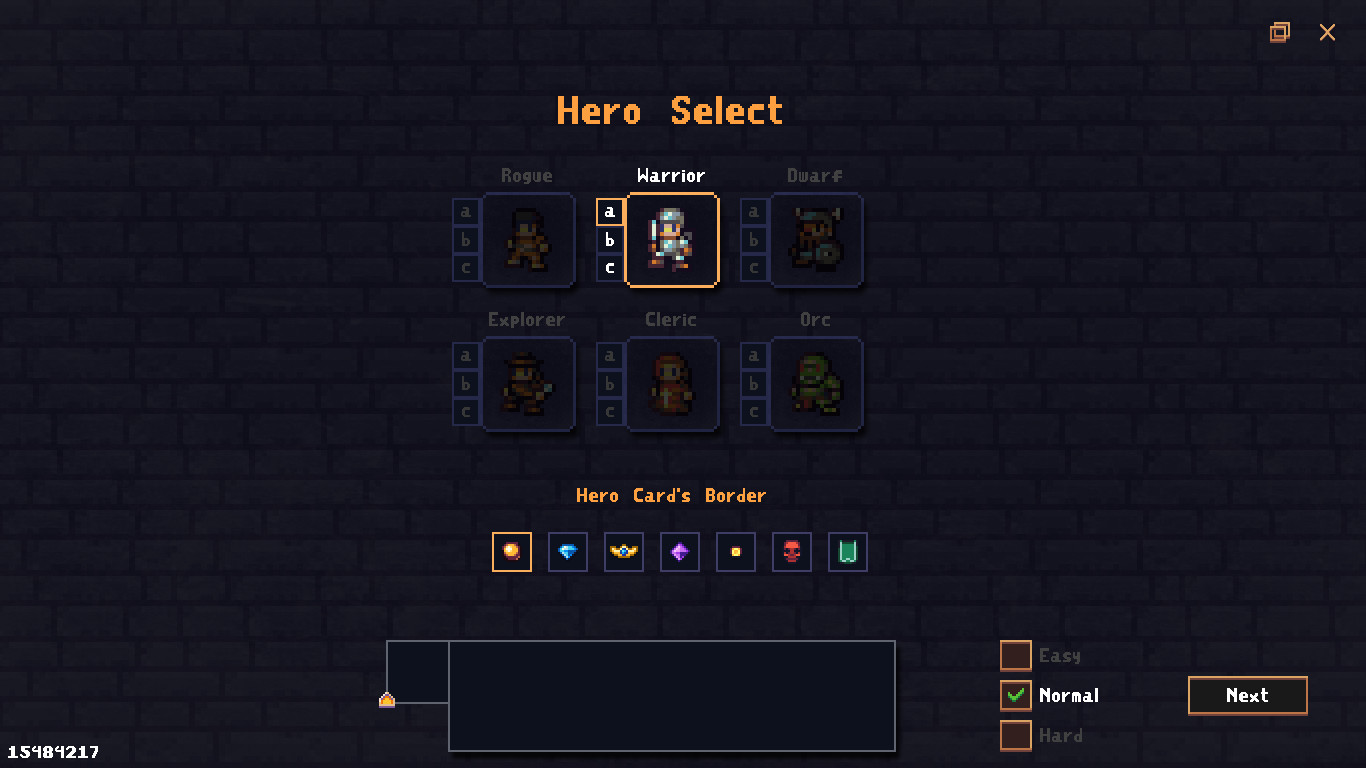
• Progression and variety: Beat section bosses to advance, unlock new Heroes and card pools, and collect cosmetic rewards like alternate card borders. Four distinct difficulty tiers change enemy behavior and rewards, giving both newcomers and veterans tailored challenges and replay incentives.
Presentation and systems
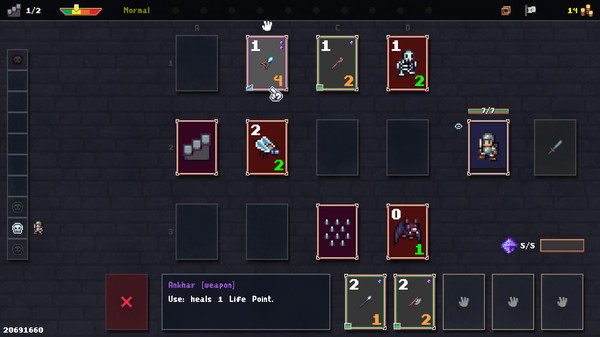
Visually, Dungeon Arsenal favors clarity over flash; clean, readable card art and a compact UI keep the spotlight on choices, not spectacle. Procedurally generated floors and shifting card pools deliver a steady stream of surprises, from sudden ambushes to lucrative treasure rooms, so no two runs feel the same.
Mid‑run systems like shops and relics provide meaningful, often game‑changing decisions that reward adaptation and planning. The overall design prioritizes short, repeatable runs with immediate feedback, perfect for quick pick‑up sessions or longer stretches of strategic experimentation.

Strengths
• Addictive loop: The flip‑and‑fight rhythm hooks quickly,each card reveal is a micro‑decision that can swing a room from safe to lethal. That constant tension makes every choice feel meaningful and keeps runs feeling urgent and rewarding.
• Strategic depth: A wide weapon pool, varied relic effects, and meaningful shop choices combine into rich synergies. Players can pursue glass‑cannon, control, or sustain builds, and clever relic combos often create emergent strategies that reward experimentation.
• Session accessibility: Runs are compact and self‑contained, perfect for short play sessions or longer stretches of focused play. The quick restart loop reduces downtime and makes it easy to iterate on tactics without a heavy time commitment.
• High replayability: Procedural floors, unlockable Heroes, alternate card sets, and four difficulty tiers ensure variety across runs. The game continually reshuffles risk and reward, so even familiar runs present new tactical puzzles.
Weaknesses
• Clarity of systems: New players can struggle to grasp mana economy, retreat thresholds, and how relics interactearly runs sometimes feel like trial‑and‑error rather than informed choice. Clearer in‑game signaling, concise tooltips, and a short guided run would help players learn the decision rhythms that separate a smart push from a costly gamble.
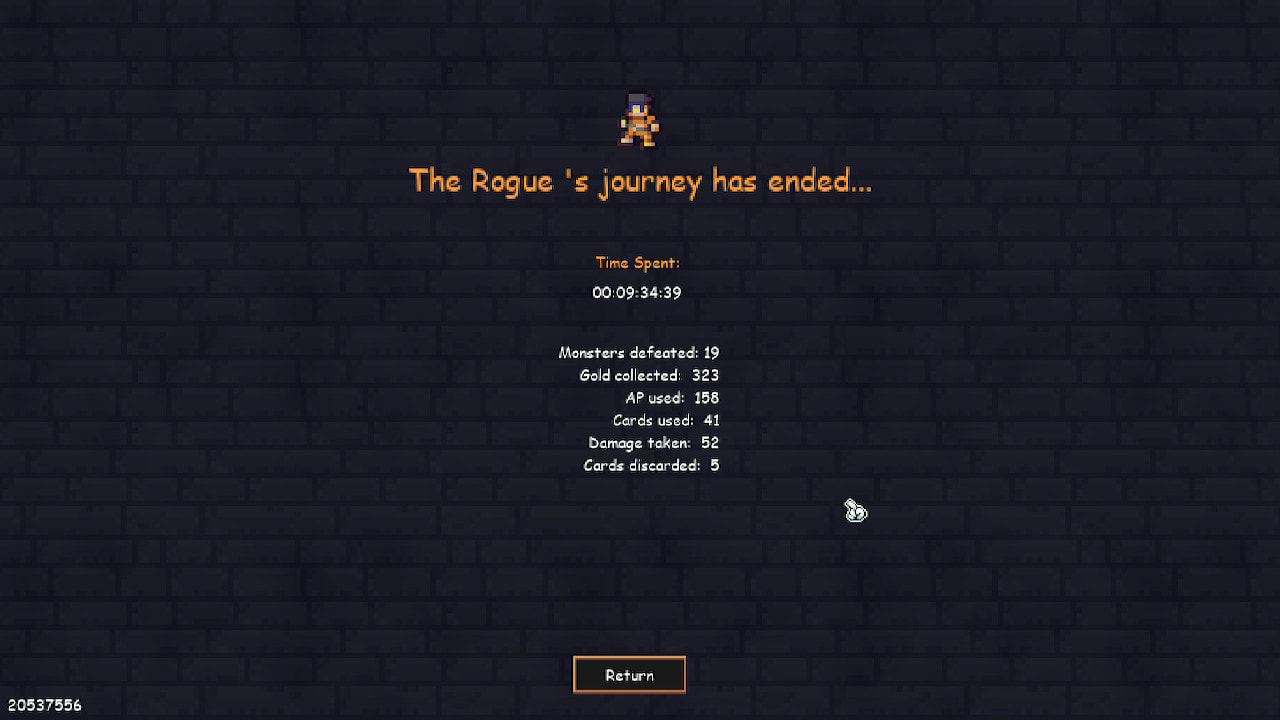
• Pacing spikes: The game’s randomness can create jarring difficulty swings; some runs breeze by, others end abruptly due to unlucky card reveals or brutal enemy combos. That volatility fuels excitement but also frustration; more predictable pacing options (adjustable risk modifiers or softer difficulty ramps) would smooth the experience for players who prefer steadier progression.
• Depth ceiling: The core loop is tight, but long‑term engagement can plateau for players who crave evolving meta‑systems. Without deeper progression layers; skill trees, persistent modifiers, or late‑game mechanics that meaningfully change playstyle, veteran runs risk feeling repetitive after the initial unlock treadmill.
Who should play
If you enjoy roguelites and card‑based strategy, especially games that reward tactical decision‑making and risk management, Dungeon Arsenal is a solid pick. It’s especially well suited to players who like short, repeatable runs, experimenting with relic synergies, and refining strategies across attempts.
Final Verdict
Dungeon Arsenal delivers a razor‑sharp, addictive roguelite card experience: instantly approachable yet deep enough to reward experimentation, with every card flip carrying real tension. The game pairs brisk, bite‑sized runs with meaningful mid‑run choices; weapon pickups, relic synergies, and shop decisions; that let you craft distinct strategies on the fly.
It may not reinvent the genre, but its pacing, clear presentation, and satisfying risk‑vs‑reward loop feel polished and purposeful, making it a strong recommendation for fans of tactical card roguelikes who want quick, high‑stakes runs and a steady stream of unlocks to chase.
Watch and Wishlist
• Why wishlist: Get notified about balance patches, new Heroes, card additions, and quality‑of‑life updates; low entry price makes it an easy add for fans of card roguelites.
• Platforms to track: PC (Steam and other PC storefronts); monitor for any announced console ports (Switch, PlayStation) or wider releases.
• How to stay informed: Wishlist on storefronts and enable notifications; follow wendeoo and Deadpix Studios on social (X/Twitter), join the official Discord, and watch the Steam news feed for patch notes and roadmap posts.
• Price perspective: $3.99. Very affordable, expect frequent sales and strong value for a compact, replayable roguelite.
Key Takeaways
• Core concept: Dungeon Arsenal is a fast, card‑flipping roguelite that turns every reveal into a meaningful gamble; weapon, gold, relic, or ambush.
• Addictive loop: The flip‑and‑fight rhythm creates constant micro‑decisions; each room is a compact puzzle of risk versus reward.
• Tactical depth: Weapon variety, relic synergies, and shop choices enable distinct playstyles and emergent strategies across runs.
• Run structure: Short, bite‑sized runs with immediate feedback make the game ideal for quick sessions and iterative experimentation.
• Progression: Bosses, unlockable Heroes, and cosmetic rewards provide steady goals and reasons to keep returning.
• Replayability: Procedural floors, shifting card pools, and four difficulty tiers keep runs feeling fresh and unpredictable.
• Accessibility: Simple mechanics and compact sessions lower the barrier to entry for newcomers to roguelites and card games.
• Areas to watch: System clarity (mana economy, retreat thresholds), occasional pacing swings from randomness, and a desire for deeper late‑game meta systems.
• Overall verdict: A polished, focused card roguelite that rewards tactical thinking and experimentation; highly recommended for fans of quick, strategic runs.
Game Information:
Developer: wendeoo
Publisher: Deadpix Studios
Platforms: PC (reviewed)
Release Date: October 19, 2021
Score: 8.0 / 10
Dungeon Arsenal earns 8.0 out of 10: a tightly designed, addictive card roguelite that nails the flip‑and‑fight loop and offers satisfying mid‑run choices. Its clear presentation, strong relic synergies, and bite‑sized runs make it easy to pick up and hard to put down.
The score reflects a few notable limits; system clarity for newcomers, occasional pacing swings from randomness, and a desire for deeper late‑game meta, but these are refinements rather than fatal flaws, and the core experience remains highly enjoyable.
“8.0 / 10 - A compact, tactical card roguelite that hooks fast; polished, punchy, and built for repeatable, high‑stakes runs.”