
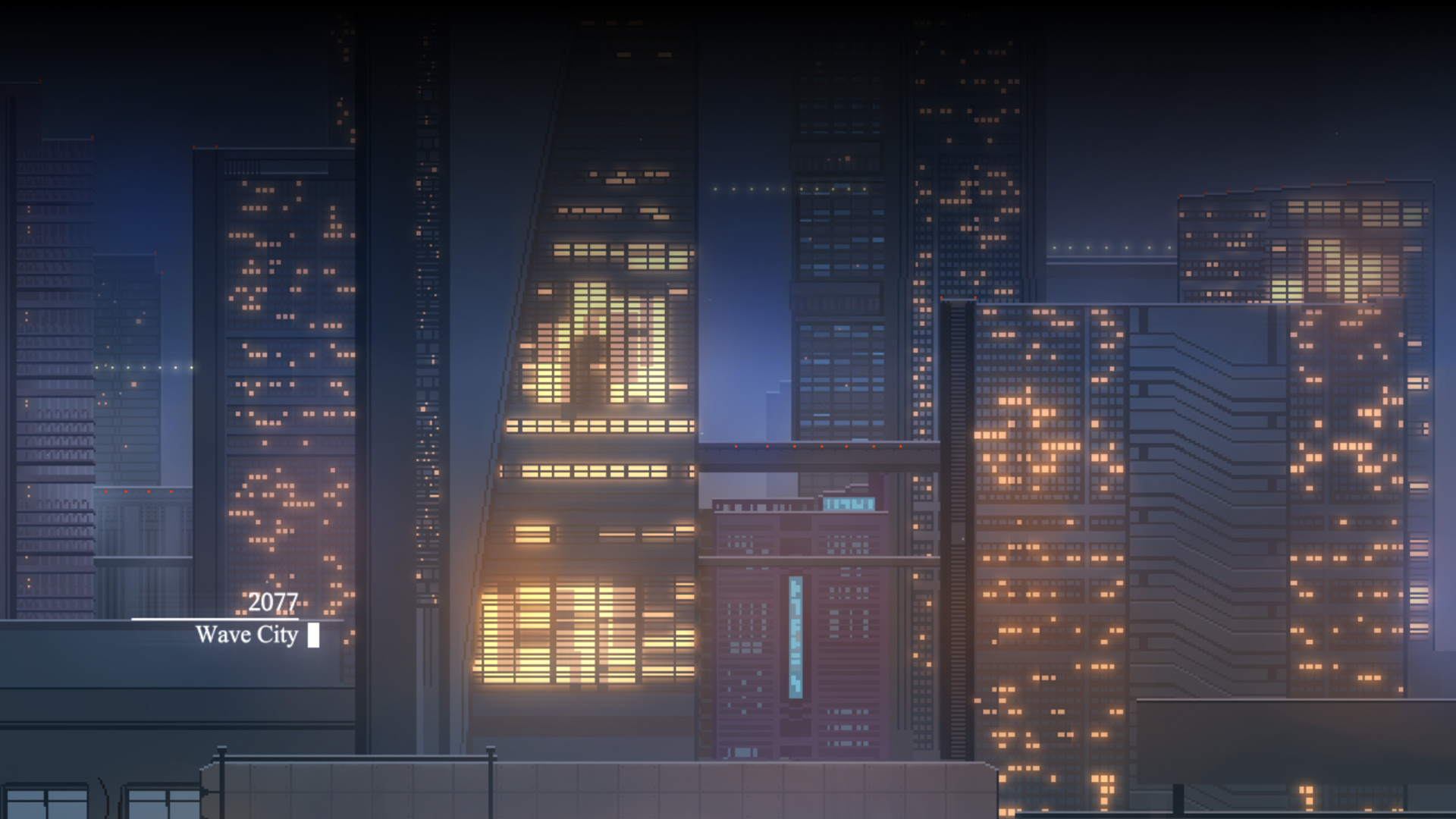
无名归宿 NobodyNowhere is a tightly focused, side‑scrolling text adventure rendered in sumptuous pixel art, set in a near‑future 2079 where consciousness is traded like currency and identity is negotiable.
You awaken as C601, a Replicant who has inexplicably become self‑aware inside the sterile corridors of Human Science Research Corp, and the narrative methodically strips away the lab’s clinical façade to reveal moral rot and human desperation beneath.
The game compresses a dense, morally ambiguous story into a compact runtime, about three hours, yet it never feels rushed; instead it plays like a short film with impeccable editing, knowing exactly when to linger on a quiet, haunting beat and when to cut to a jolt of revelation.
Story and tone
The narrative is the game’s beating heart; bleak, morally ambiguous, and quietly devastating. By alternating between C601 and operator Gaia Bryan, the story refracts the same events through opposing moral lenses, turning single moments into ethical puzzles rather than tidy plot beats. The writing trusts implication over exposition: small gestures, offhand lines, and visual details carry the weight of revelation, and secrets are revealed by inference as often as by confession.
Rather than a conventional hero’s arc, the plot unfolds as a slow, inexorable unspooling of consequences, each new discovery recontextualizes what came before and forces you to reassess loyalties and culpability. The tone is somber and deliberate, built to linger: the game doesn’t just end, it leaves questions echoing long after the credits fade.
Presentation and pacing
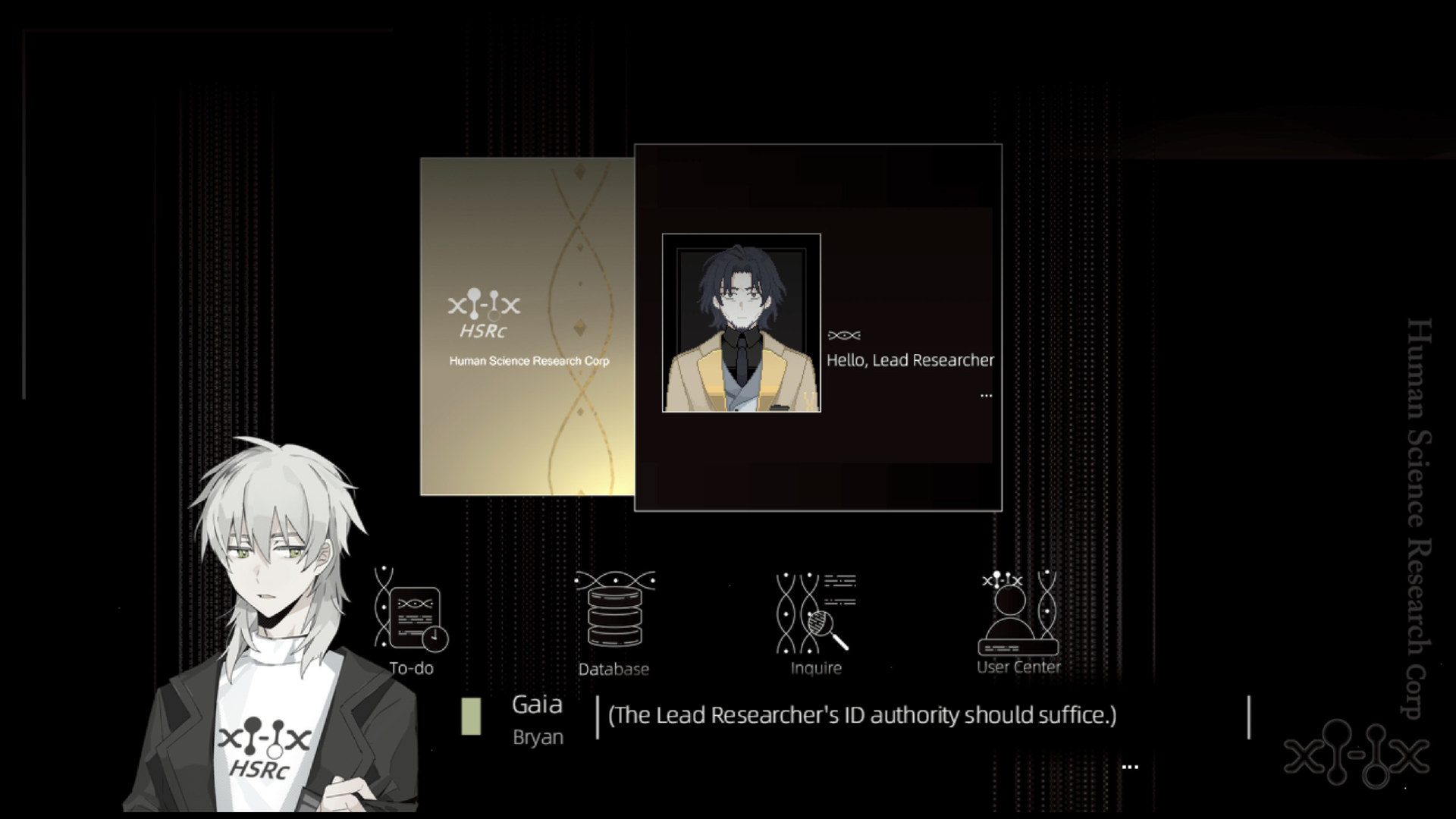
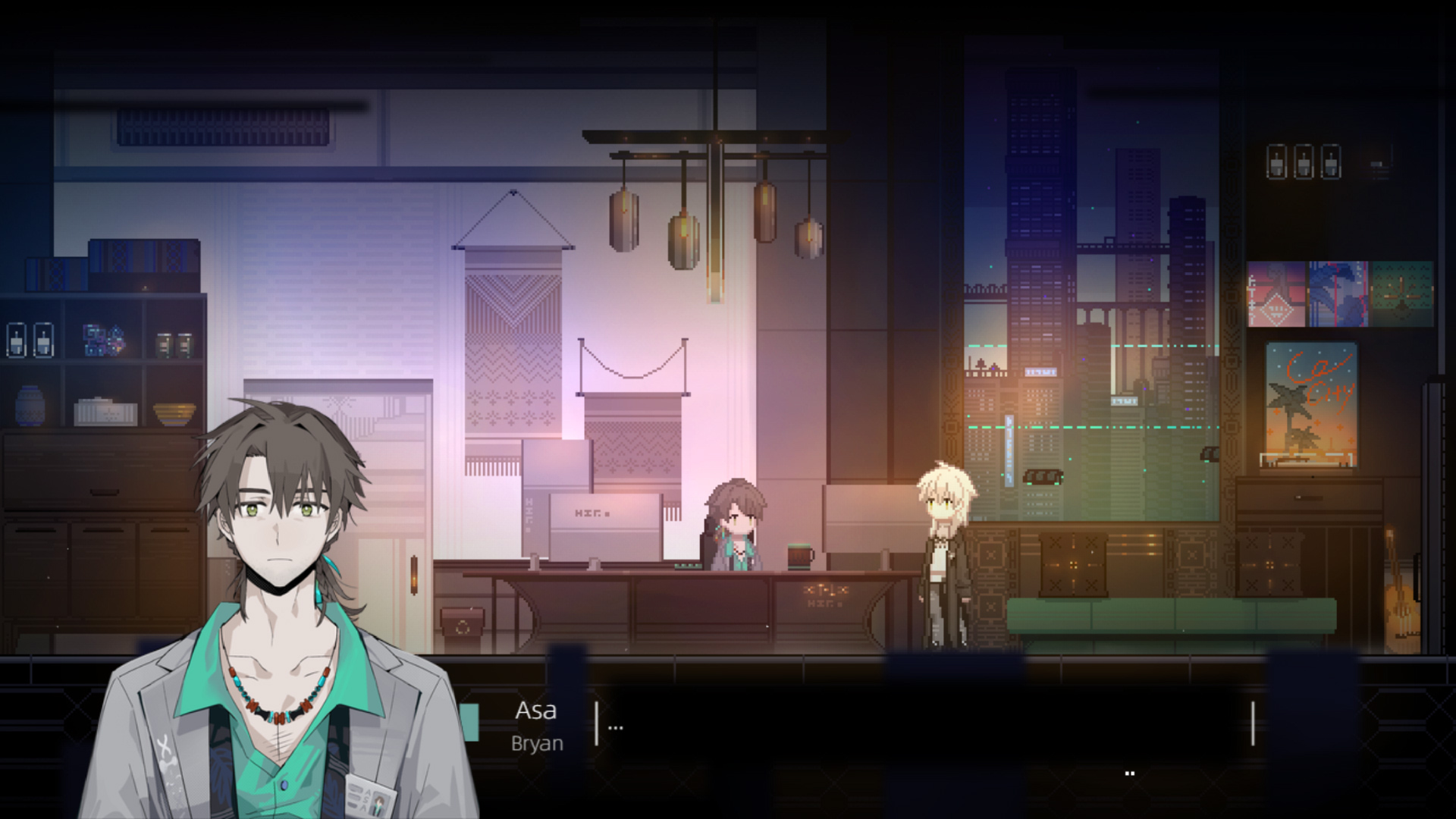
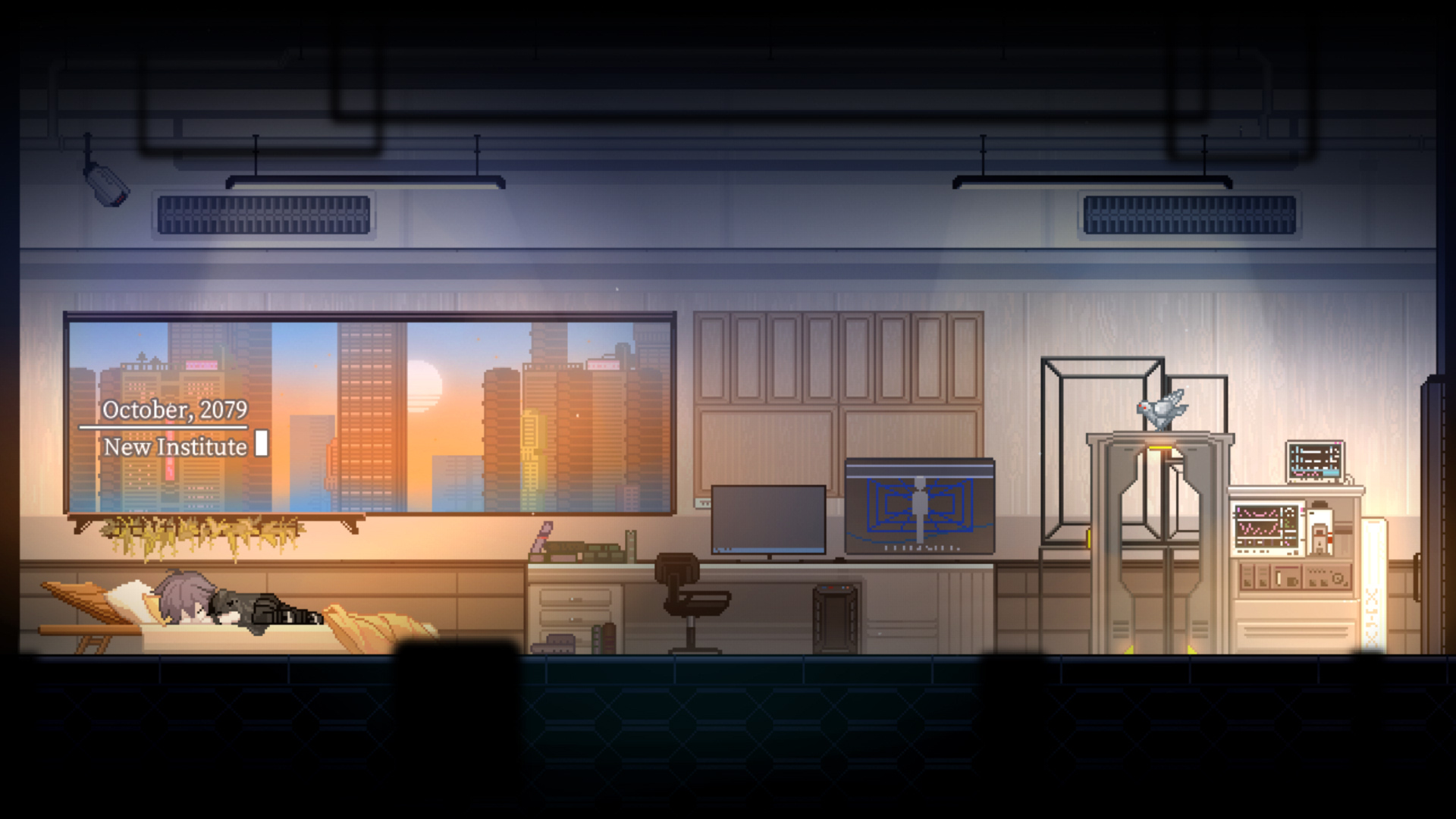
Visually, 无名归宿 NobodyNowhere reads like a love letter to pixel craft; meticulous, expressive, and unexpectedly cinematic. With over 130 character illustrations and 260 pixel animations, the sprite work imbues every face, twitch, and idle gesture with personality, turning static portraits into living, readable characters.
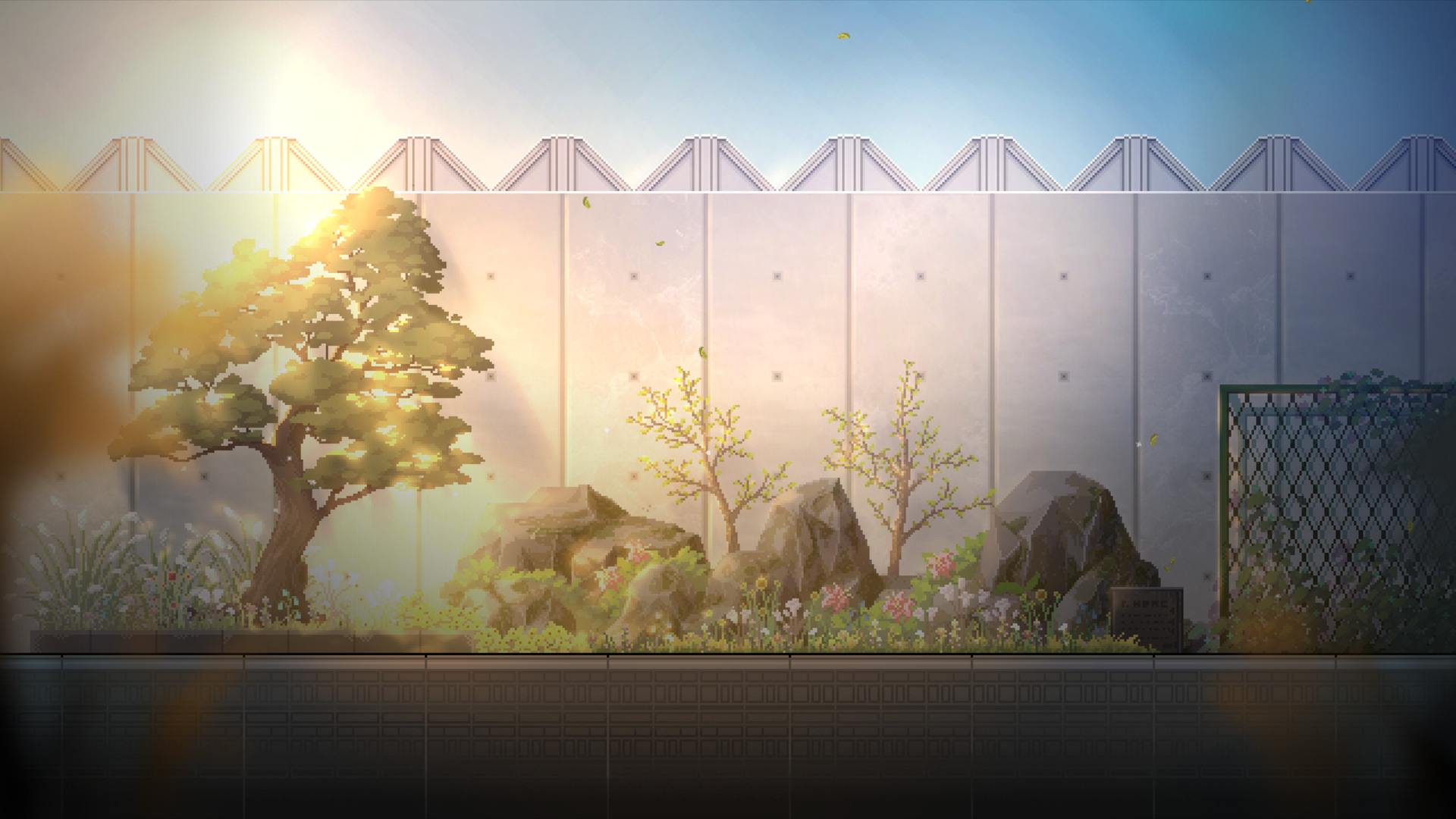
Backgrounds are layered and textured, packed with small visual beats that reward careful looking, while the animation timing; snappy, filmic dialogue cuts matched to fluid movement, gives the whole thing the momentum of an animated short.
The UI and transitions are unobtrusive, letting scenes breathe without dragging, and the writing is judicious: lines land and move on, exploration is paced to sustain curiosity, and atmosphere is preserved even as the plot pushes forward.

Gameplay and interactivity
Mechanically, 无名归宿 NobodyNowhere marries text‑driven choice with light side‑scrolling exploration and a handful of well‑integrated minigames, creating a rhythm that feels cinematic rather than fragmented. The Brain‑Computer Interface (BCI) puzzles and cyberspace segments are standout moments, they’re woven into the narrative so tightly that solving them advances both plot and character, offering just the right amount of mental push without derailing momentum.
Stealth and sneaking are used sparingly and paced to maintain tension without tedium, and even the fiddlier minigames, controlling Gaia’s attacks in the mechanical brain or the exit‑point challenge, are forgiving rather than punitive: when a solution eludes you, brute force or experimentation will still move the story forward. The result is a gameplay loop that rewards curiosity and persistence, keeps the focus on storytelling, and rarely stalls the emotional flow.

Soundtrack and atmosphere
The soundtrack is a revelation; ambient, melancholic compositions that do more than accompany the action; they shape it. Sparse synths, aching piano motifs, and textured soundscapes underscore the game’s emotional beats, turning quiet corridors and small revelations into cinematic moments.
Themes swell and recede with the pacing, so a single chord can turn a mundane corridor into something haunted, while layered motifs give character moments unexpected weight.
Many players have been moved enough to buy the OST outright, and it’s easy to understand why: the music and pixel visuals operate as a single, sympathetic language, painting a world that is at once beautiful, mournful, and impossible to forget.
Themes and worldbuilding
无名归宿 NobodyNowhere confronts weighty ethical terrain; immortality, body‑hopping, and the marketization of consciousness; without ever slipping into sermonizing. The worldbuilding is careful and layered: familiar sci‑fi ideas are refracted through the Replicant aid agency White Dove and the morally compromised scientists at Human Science Research Corp, which turns abstract dilemmas into intimate, human-scale conflicts.
The writing privileges implication and moral ambiguity, so choices and revelations feel earned rather than lectured. Character work is generally strong, many moments land because the cast feels lived‑in, but a few supporting figures, notably Julius and Zana, remain underexplored, which blunts some of the game’s most emotional beats.
Length, value, and accessibility
At roughly three hours, 无名归宿 NobodyNowhere is deliberately concise, designed to deliver a dense, tightly edited narrative rather than stretch for length.
With 50+ maps, layered scenes, and branching beats, the game rewards repeat play and close attention: small discoveries and alternate dialogue paths make revisits feel worthwhile rather than repetitive.
Priced at $9.99 (and frequently discounted), it’s excellent value given the quality of the pixel art, animations, and standout soundtrack; the free demo of the opening thirty minutes makes it easy to judge tone, pacing, and whether the game’s somber mood is a fit before you buy.
Minor flaws
The game isn’t flawless. A few minigames can feel fiddly or under‑explained, controls in the mechanical brain and the exit‑point puzzle in particular can be opaque, and transitions between flashbacks and the present occasionally blur, which can momentarily pull you out of the narrative.
These rough edges are relatively minor, however, and rarely derail the experience; they sit like small scuffs on an otherwise polished production and do little to diminish the story’s emotional impact.
Final Verdict
无名归宿 NobodyNowhere is a compact, artful sci‑fi that consistently overdelivers for its runtime. Melancholic and intellectually curious, it pairs razor‑tight pacing with evocative worldbuilding and pixel visuals that feel both handcrafted and cinematic.
The soundtrack amplifies every emotional beat, turning quiet moments into lingering, memorable scenes, while the narrative trusts the player to piece together moral ambiguity rather than spelling everything out.
Fans of narrative‑driven pixel games and cyberpunk moral drama will find a dense, rewarding experience here, one that invites repeat plays, rewards close attention, and stays with you long after the credits roll. If you value tight design, thoughtful themes, and atmosphere over length, 无名归宿 NobodyNowhere is well worth the trip.
Watch and Wishlist
• Why wishlist: Get notified about updates, stability patches, story tweaks, and sale windows; the free demo makes wishlisting an easy way to decide after trying the opening thirty minutes.
• Platforms to track: PC (Steam) is the primary storefront; also keep an eye on the developer/publisher pages for potential ports or additional storefront releases.
• How to stay informed: Wishlist on Steam and enable notifications; follow developer 深渊标记 (Tag:hadal) and publisher channels on social media; join the official Discord or community hubs for patch notes, dev posts, and OST announcements.
• Price perspective: Priced at $9.99 with frequent discounts and a free demo, low risk for a tightly crafted three‑hour narrative with standout art and music; buy on sale if you prefer maximum value, or pick it up now if you want the complete experience and soundtrack.
Key Takeaways
• Core concept: A compact, side‑scrolling text adventure that blends pixel‑art presentation with a morally ambiguous sci‑fi narrative set in 2079.
• Narrative strength: Alternating perspectives between C601 and Gaia Bryan deliver a bleak, quietly devastating story that favors implication over exposition.
• Visuals: Exceptional pixel craft with 130+ character illustrations and 260+ animations; backgrounds and timing give the game a cinematic, animated‑short feel.
• Soundtrack: Ambient, melancholic score that elevates emotional beats and often stands on its own as a reason to replay.
• Gameplay mix: Text‑driven choices, light side‑scrolling exploration, BCI/cyberspace puzzles, and brief stealth segments; minigames are integrated but occasionally fiddly.
• Pacing and length: Deliberately concise at roughly three hours; tightly edited pacing rewards focused attention and repeat plays.
• Themes: Thoughtful exploration of immortality, body‑hopping, and consciousness commodification without becoming didactic.
• Polish and issues: Strong overall polish; minor rough edges include a couple of opaque minigames and occasionally blurred flashback transitions.
• Value: Priced at $9.99 with a free 30‑minute demo, excellent low‑risk purchase for fans of narrative pixel games.
• Who should play: Recommended for players who enjoy tightly paced, thought‑provoking narrative experiences and cyberpunk moral drama; best appreciated in focused sittings.
Game Information:
Developer: 深渊标记 Tag:hadal
Publisher: 深渊标记 Tag:hadal, 攻壳游戏 Gamker Studio
Platforms: PC (reviewed)
Release Date: February 17, 2025
Score: 9.0 / 10
无名归宿 NobodyNowhere earns a 9.0 out of 10 for delivering a tightly edited, emotionally resonant sci‑fi experience: superb pixel animation, a haunting soundtrack, and a morally complex narrative that rewards attention.
Its pacing, dual perspectives, and integrated BCI/cyberspace moments elevate the game beyond its three‑hour runtime, while a few fiddly minigames and occasionally blurred scene transitions keep it from perfection. At $9.99 with a free demo, it’s an excellent, low‑risk purchase for fans of narrative pixel games.
“9.0 / 10 - A compact, melancholic cybernoir, beautifully made, deeply felt, and haunting long after the credits.”