SEDAP! - Spice, Slice, Survive: Team up, fight off threats, and explore a colorful fantasy archipelago.(Game Review)
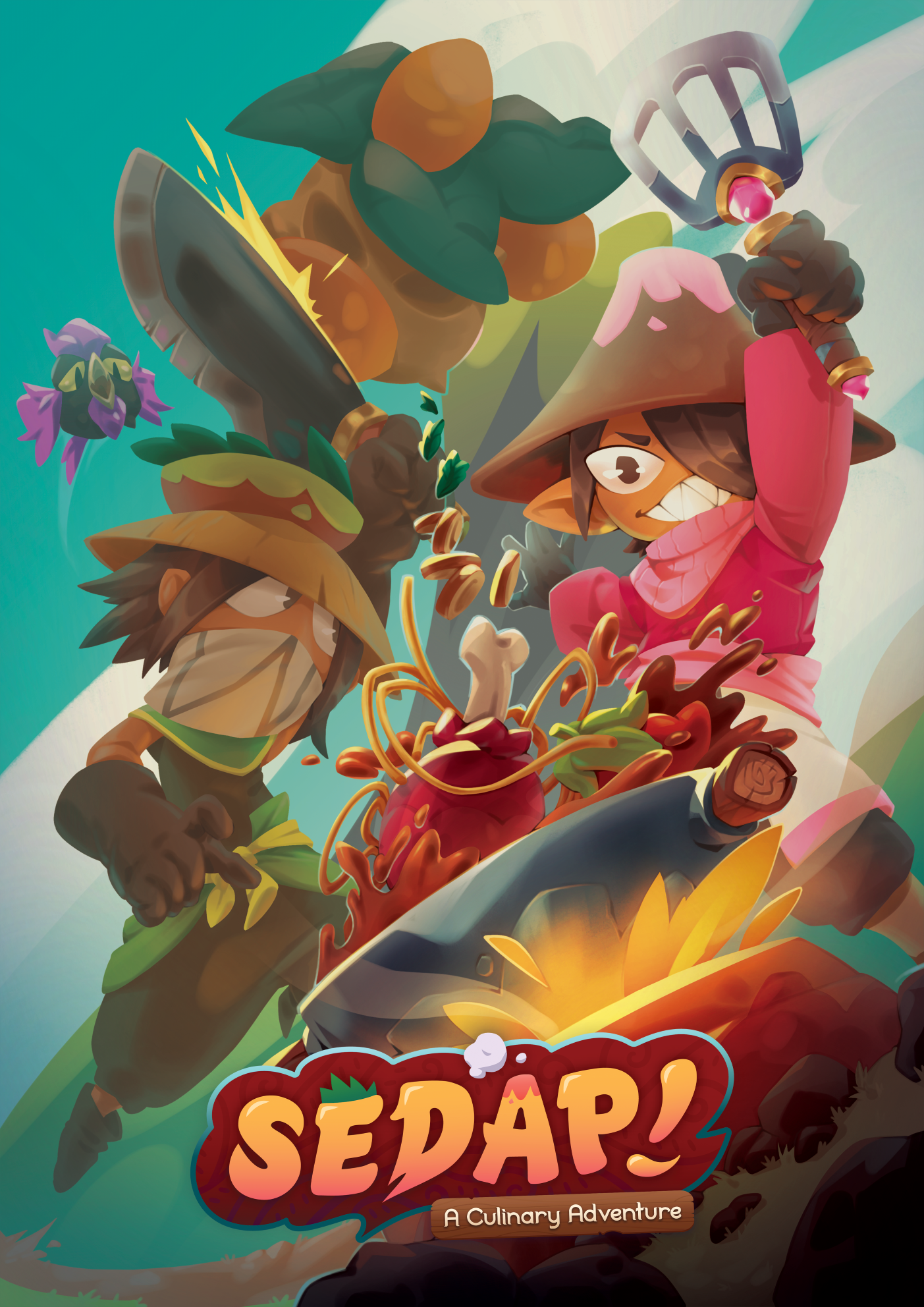
SEDAP! is a buoyant co‑op cooking‑combat adventure from kopiforge that fuses frantic kitchen teamwork with light action and open exploration across a vividly realized, Southeast Asian‑inspired fantasy island.
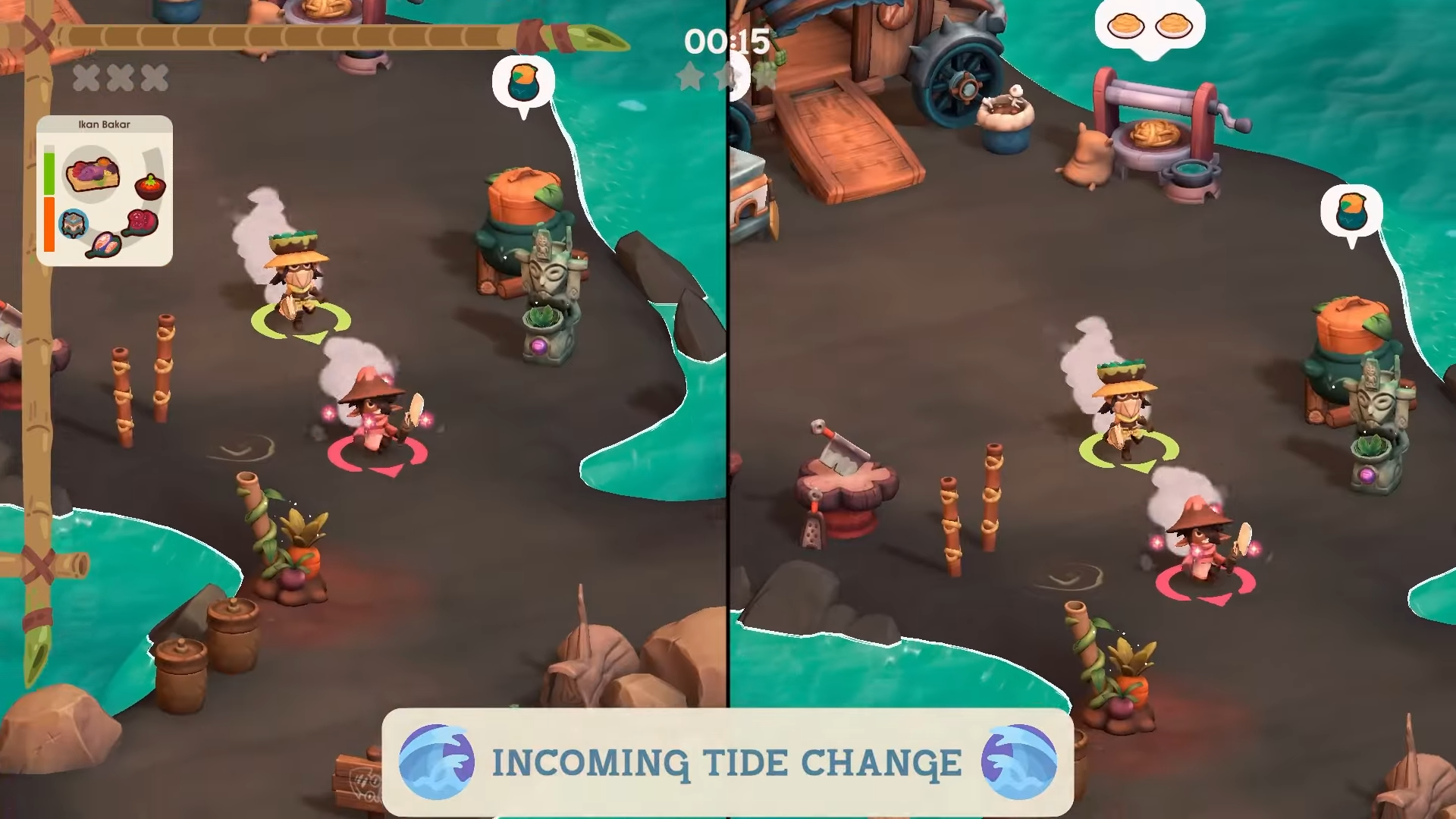
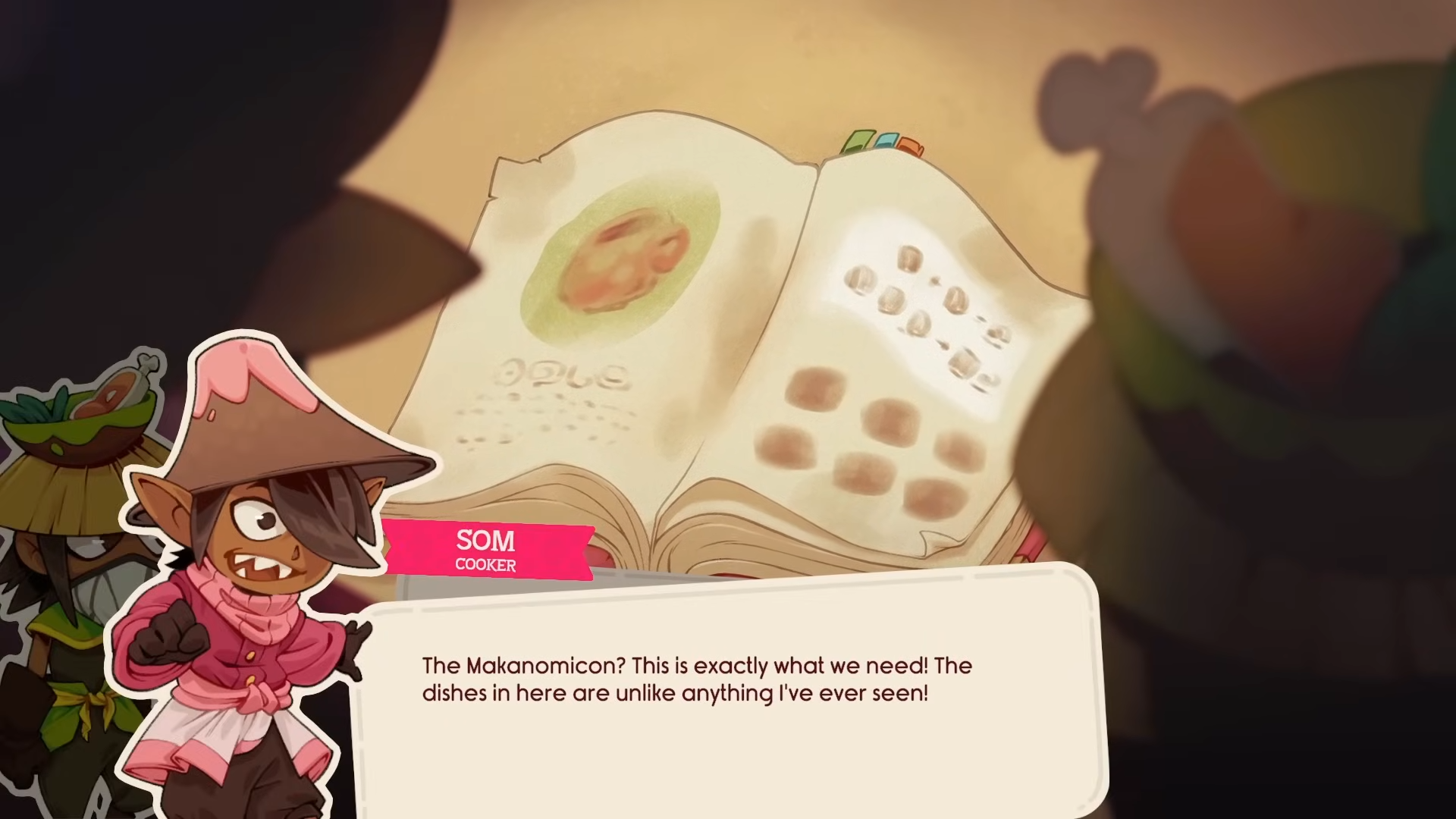
Whether you tackle Khaya Island solo or pair up locally with dynamic or fixed split‑screen, the game asks you to forage, fend off wildlife, and sprint back to the stove to plate orders under pressure; roles split between Som the Cooker, who masters recipes and kitchen QTEs, and Gon the Hunter, who tracks, fights, and gathers the island’s ingredients.
The result is a charming, often chaotic hybrid: think Overcooked’s cooperative mayhem grafted onto a breezy action‑RPG loop. Levels reward curiosity with new ingredients and cooking methods, while Charms, weapons, and utensils let you tailor your approach.
Above all, SEDAP! leans into food variety and teamwork, each run is a deliciously hectic puzzle of route planning, timing, and improvisation that feels fresh every time you serve up a new dish.
What the game is and how it plays
• Core loop: Explore sprawling levels to forage ingredients, fend off wildlife, and rush back to the kitchen to plate orders under a ticking timer; success hinges on coordination, efficient routing, and nailing cooking QTEs that turn frantic moments into satisfying payoff.
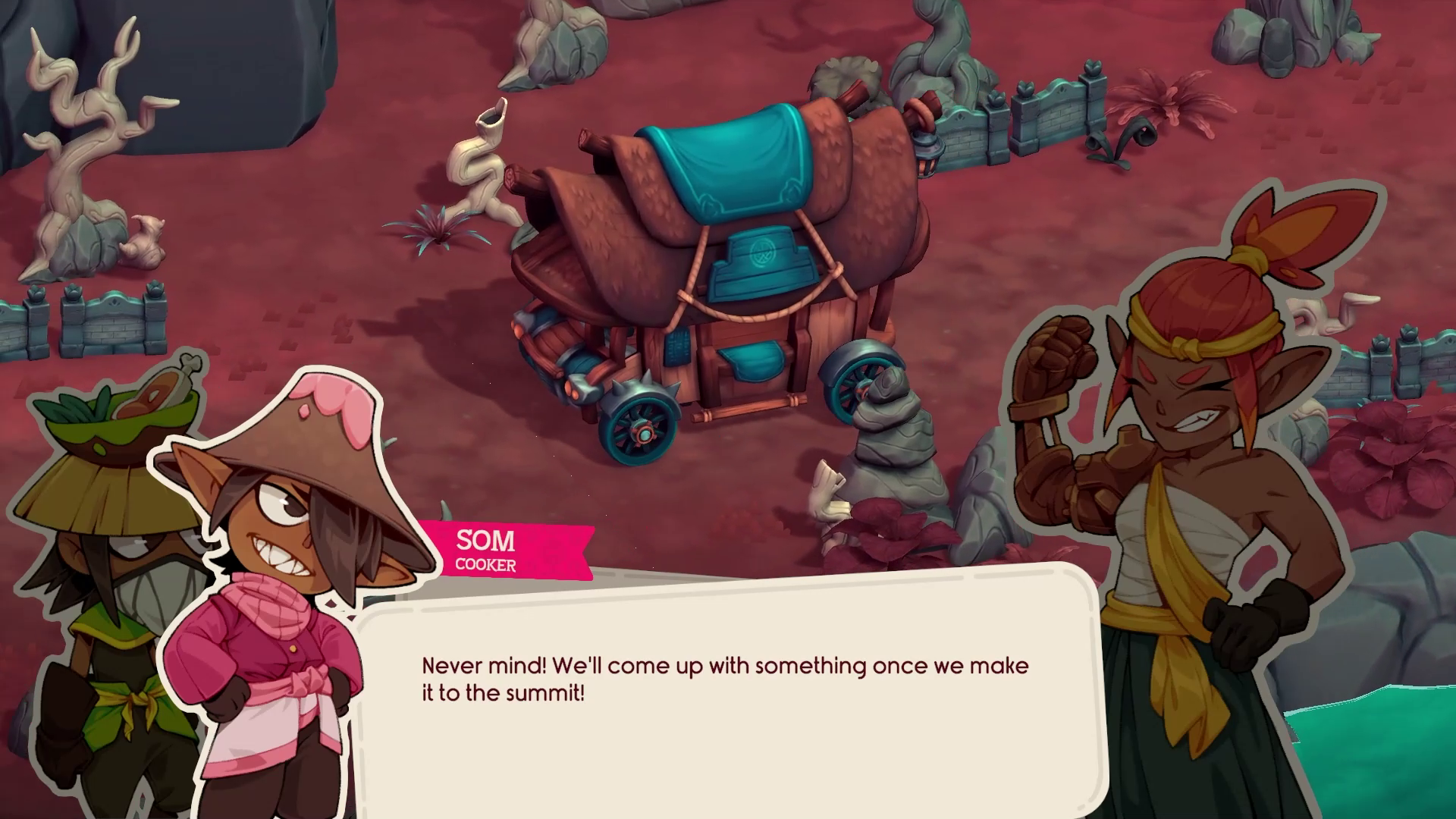
• Characters and roles: Som the Cooker specializes in recipe execution, multitasking stoves and QTEs; Gon the Hunter focuses on tracking, combat, and gathering, roles are deliberately complementary to reward teamwork and role‑based strategies.
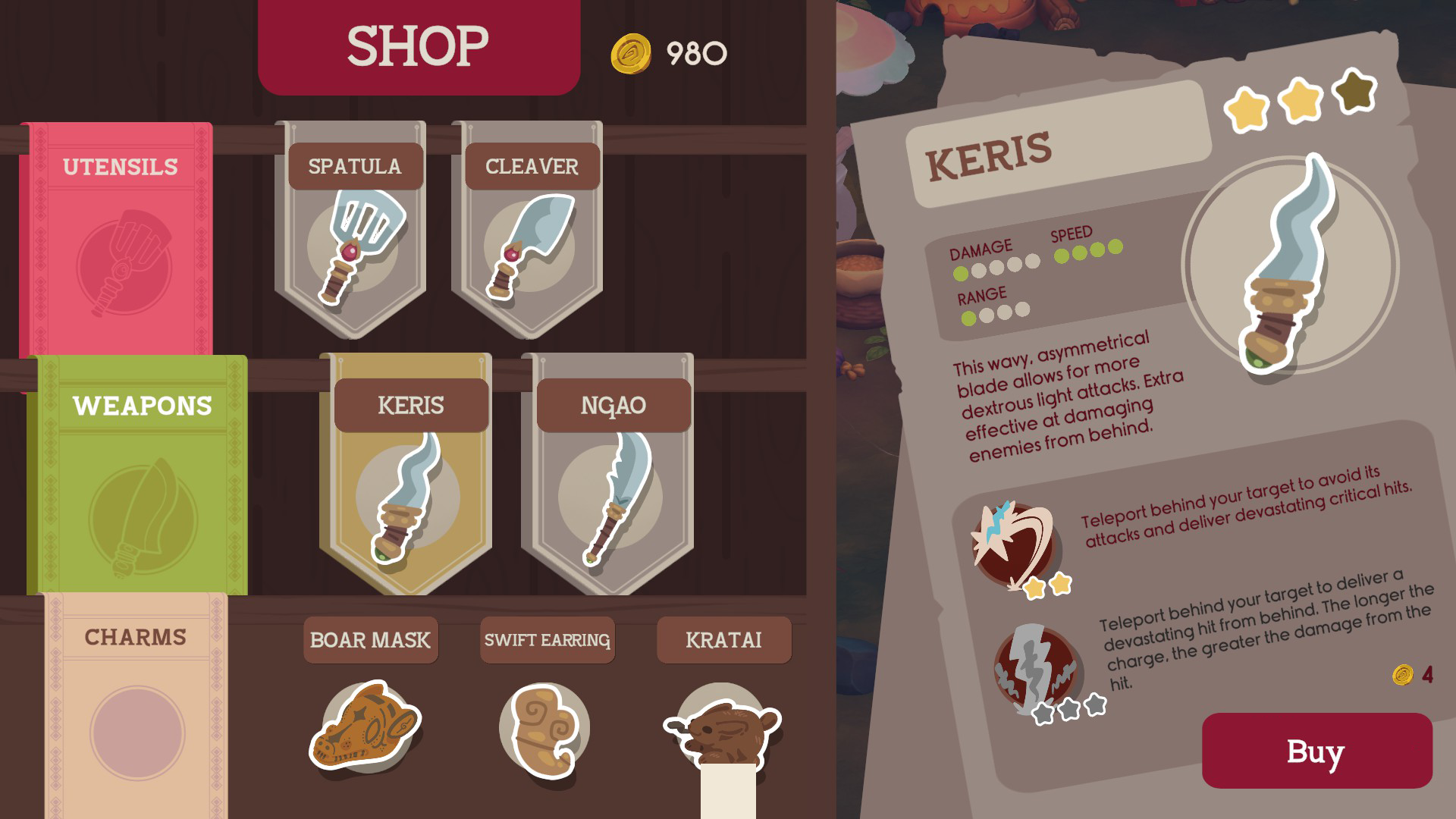
• Progression and customization: Equip Charms, Weapons, and Utensils to shape builds and playstyles; new Charms unlock tactical options like preserving food or boosting combos, letting teams specialize or cover each other’s weaknesses.
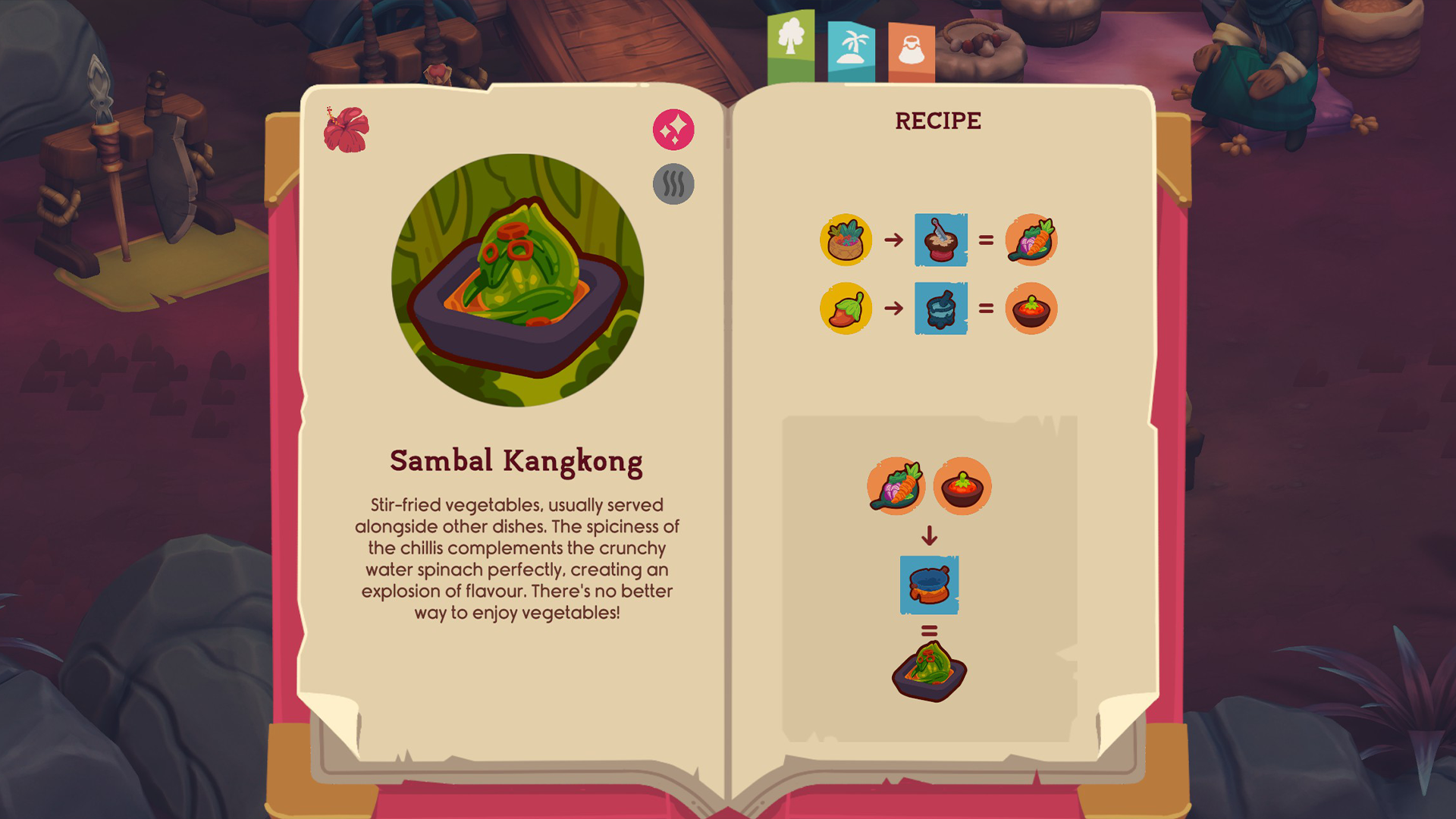
• Collection systems: Fill the Makanomicon by discovering and mastering dishes, and unlock the Bestiary pages by encountering monsters, both systems provide goals beyond individual runs and encourage experimentation with recipes and routes.
• Mechanical depth: The game tracks dish freshness and combo streaks, rewarding efficient, high‑tempo runs with score multipliers and better rewards, while also penalizing sloppy or slow service.
• Accessibility and co‑op options: Local co‑op supports dynamic or fixed split‑screen toggles in settings, plus shared‑keyboard controls, making couch play flexible for different setups and player counts.
• Design tradeoffs: Levels scale in size and complexity; early stages emphasize tight kitchen choreography, while mid‑to‑late stages introduce longer foraging loops and traversal challenges that shift the game toward route planning and memory.
World and presentation
Khaya Island is a sun‑soaked, hand‑crafted fantasy playground that reimagines Southeast Asian foodways as living, explorable biomes. Each region; mangrove markets, spice‑choked highlands, sunbaked shorelines; introduces its own ingredients, cooking techniques, and wildlife behaviors, so the menu evolves naturally as you travel.
The game’s art and dish design are small masterpieces: recipes like pineapple fried rice, chicken rice, banh mi, and bubble tea aren’t just visually mouthwatering, they play differently too, with unique prep steps, freshness windows, and combo opportunities that reward experimentation.
Between foraging encounters and Bestiary unlocks, Khaya feels like a culinary atlas you’re actively filling in; every new ingredient or cooking method reshapes how you plan routes, split tasks, and improvise under pressure.
The Seasoning Update (v1.1) - What changed
• In‑game map: A toggleable aerial map now displays player positions, ingredient spawn points, and respawn timers, making navigation on larger stages far less guesswork. Toggle with Tab on keyboard or LB on controllers; shared‑keyboard defaults are V. The map shortens forage loops and reduces the memory burden of sprawling levels.
• Herb Mode and Spice Mode: Two difficulty presets let you tailor the experience. Herb Mode eases damage, monster HP, dish‑freshness decay, and order timing for a more relaxed run; Spice Mode preserves the intended challenge and is required to earn Pink Stars. Modes are selectable at run start and adjustable from camp settings.
• Four new Charms: Jade Earrings, Five Stones, Yadom, and Kerosang expand tactical options and increase the Charm carry limit so teams can specialize more aggressively.
• Jade Earrings: Prevents attack interruptions.
• Five Stones: Keeps Combo Streaks from expiring.
• Yadom: Slows food spoilage by 25%.
• Kerosang: Grants a 2× Combo Streak at level start.
These additions let players design builds that favor survivability, scoring, or preservation.
• Bestiary: The Makanomicon gains a new Bestiary chapter with full artwork, names, and lore entries for monsters you encounter. Pages unlock on first sighting, turning combat encounters into collectible rewards and giving context to enemy behaviors and drops.
• Steam community items: Steam players can now earn trading cards, badges, profile backgrounds, and emoticons, adding collectible incentives and community flair for regular players.
These updates directly address early feedback; navigation, difficulty tuning, and content variety; making mid‑game runs more navigable, more customizable, and more rewarding.
Strengths
• Delicious variety: A broad, lovingly realized roster of Southeast Asian dishes; each with distinct prep steps, freshness windows, and combo interactions; keeps the cooking loop feeling inventive; clever ingredient reuse means learning one recipe unlocks new strategies across many others.
• Co‑op chemistry: Som and Gon’s complementary toolkits create natural roleplay and emergent teamwork, one player multitasks stoves and QTEs while the other secures rare ingredients and controls threats, making local split‑screen runs consistently dramatic and satisfying.
• Charm and progression systems: Charms, weapons, and utensils provide meaningful build choices rather than shallow stat bumps; the expanded charm pool and higher carry limit let teams specialize (preservation, scoring, survivability) and experiment with distinct playstyles.
• Developer responsiveness: The Seasoning Update demonstrates a clear post‑launch roadmap; map, difficulty presets, new Charms, and the Bestiary directly address player feedback and materially improve navigation, accessibility, and long‑term goals.
Weaknesses
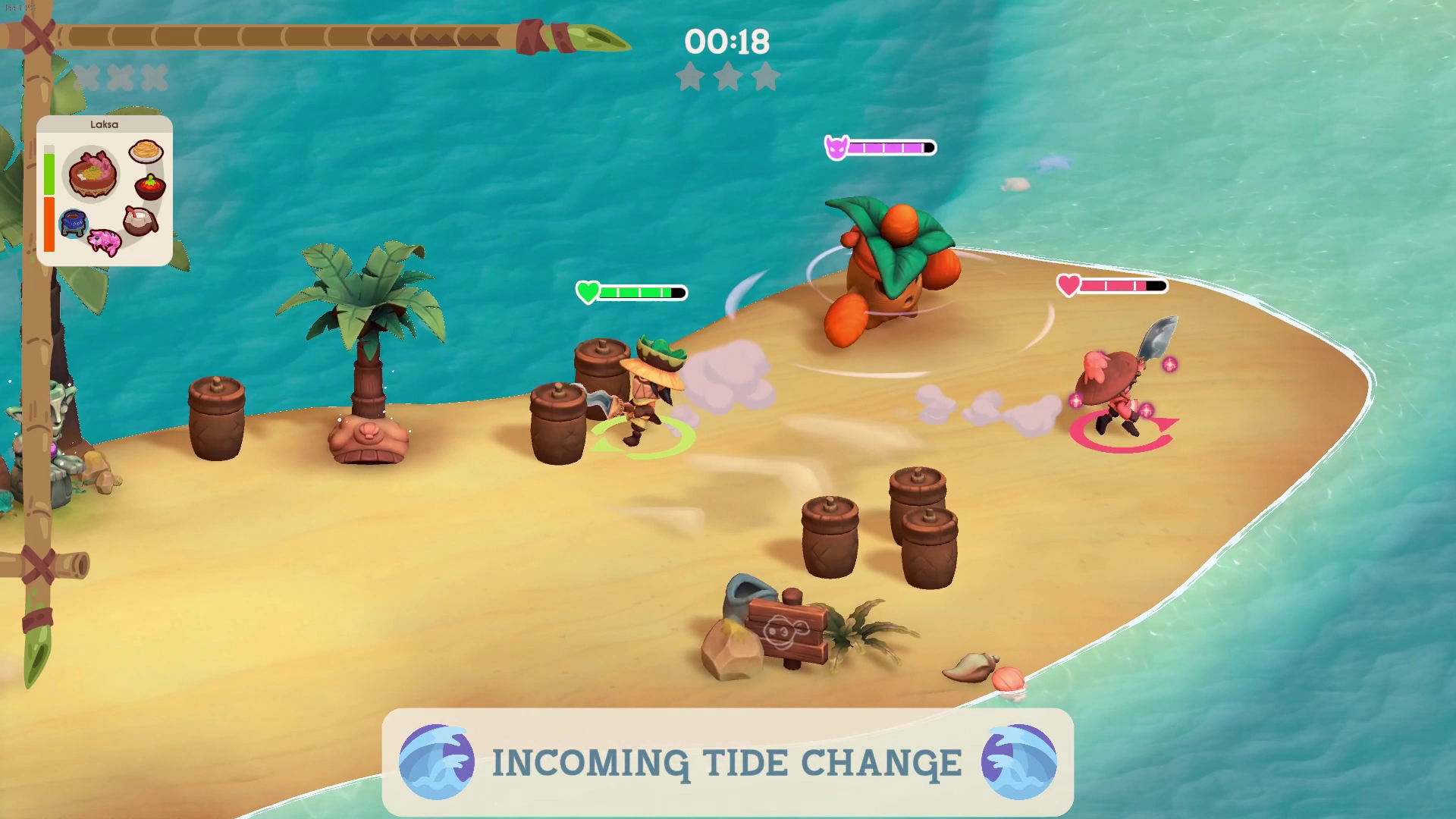
• Mid‑game pacing and level design: Several players report that stages balloon in size and scatter ingredients and equipment, turning runs into long fetch quests instead of tight kitchen puzzles.
• Foraging fatigue: Difficulty often scales by increasing travel distance rather than adding new mechanical challenges, so exploration can feel like repetitive busywork.
• Bugs and polish: Early builds shipped with notable bugs and rough edges; v1.1 addresses many issues, but some players still recommend waiting for additional stability and balance patches.
• Hand‑holding versus challenge: The Herb/Spice difficulty split helps accessibility, but systems like order preview and ingredient tracking lack clarity on larger maps, causing avoidable frustration.
Who will enjoy SEDAP!
• Fans of cooperative cooking games who want a more exploratory, combat‑tinged twist on the formula.
• Players who love food‑first worlds and cataloguing recipes and monsters.
• Local co‑op players and couch streamers who enjoy chaotic, memorable runs and emergent teamwork moments.
• Those who appreciate developer responsiveness and want to follow a game that’s actively improving post‑launch.
Final Verdict
SEDAP! is an ambitious, charming hybrid that marries frantic kitchen sim energy with light action‑adventure exploration; an affectionate, food‑forward romp through a vividly realized Southeast Asian‑inspired island.
The game’s hand‑crafted art and lovingly detailed dishes turn every recipe into a small spectacle, while Som and Gon’s complementary roles make co‑op play feel purposeful and emergent rather than tacked on.
The Seasoning Update (map, Herb/Spice difficulty, new Charms, and the Bestiary) already sharpens navigation and accessibility, and the expanded customization options give teams real tactical choices.
That said, the experience isn’t flawless: mid‑to‑late stages can bloat into long forage loops that dilute the tight kitchen choreography, and a bit more polish would help the game’s momentum and long‑run stability.
Even so, for players who savor cooperative chaos, inventive recipe design, and the joy of improvising under pressure, Khaya Island is a delicious, replayable world, one that’s only getting better as the developers respond to feedback.
Watch and Wishlist
• Why wishlist: The game’s demo, active post‑launch support, and meaningful updates (map, difficulty presets, new Charms, Bestiary) materially change how levels play; wishlisting ensures you get notified about demos, patches, and sales.
• Who should watch: Fans of cooperative cooking chaos and light action‑adventure; players who enjoy recipe collection, route planning, and emergent teamwork; streamers who want chaotic local split‑screen runs and food‑forward spectacle.
• What to expect from updates: Balance passes and difficulty tuning, quality‑of‑life fixes (minimap, ingredient tracking, save/autosave and UI polish), new Charms/gear, Bestiary expansions, and occasional seasonal or content drops.
• Best times to buy: Post‑patch windows and major sales when QoL and balance fixes land; buy at launch if you want to support the devs and don’t mind early rough edges.
• Platforms to track: PC (Steam demo and full release) is primary now; watch for future console ports (PlayStation, Xbox, Switch) and platform announcements.
• How to stay informed: Wishlist on Steam, follow kopiforge and the publishers on social channels, join the game’s Discord, and watch devstreams and patch notes to time your purchase.
• Quick verdict for wishlisters: Wishlist SEDAP! to catch the demo and Seasoning Update; if you prefer a smoother run, buy after a balance/QoL patch, but jump in at launch if you want to support the studio and enjoy early co‑op chaos.
Key Takeaways
• What it is: A co‑op cooking‑combat adventure that blends frantic kitchen teamwork with light action and exploration across a Southeast Asian‑inspired fantasy island.
• Core loop: Forage and fight to gather ingredients, rush back to the kitchen to execute recipes under a timer, and optimize routes, combo streaks, and freshness to maximize scores.
• Roles and teamwork: Play as Som the Cooker (kitchen execution) and Gon the Hunter (foraging and combat); their complementary toolkits reward coordination and role specialization.
• Progression and systems: Equip Charms, Weapons, and Utensils to shape builds; fill the Makanomicon with recipes and the Bestiary with monster entries to unlock goals beyond single runs.
• Recent improvements: The Seasoning Update (v1.1) added a toggleable in‑game map, Herb/Spice difficulty modes, four new Charms, and a Bestiary chapter; addressing navigation, accessibility, and customization concerns.
• Strengths: Rich dish variety and clever ingredient reuse, strong local co‑op chemistry, and meaningful customization that make runs feel fresh and replayable.
• Weaknesses: Mid‑to‑late stages can bloat into long forage loops that undermine tight kitchen choreography; some bugs and polish issues remain, and larger maps can frustrate players without better tracking tools.
• Who should play: Fans of cooperative chaos, food‑forward games, and light action‑RPG foraging, especially local couch players and streamers who enjoy emergent teamwork moments.
• Buying advice: Wishlist on Steam to catch demos, patches, and sales; consider buying after a balance/QoL patch for the smoothest experience, or jump in at launch to support the devs if you enjoy early co‑op experimentation.
• Final verdict: Charming and ambitious with clear post‑launch momentum, SEDAP! is a tasty, replayable hybrid that shines in co‑op but still benefits from tighter late‑stage design and continued polish.
Game Information:
Developer: kopiforge
Publisher: Isolated Games Publishing, IndieArk
Platforms: PC (reviewed)
Release Date: May 22, 2025
Score: 8.0 / 10
A flavorful, inventive co‑op hybrid that delivers joyful kitchen chaos and charming exploration, but still needs tighter late‑stage design and additional polish to reach its full potential.
“8.0 / 10 - A flavorful, inventive co‑op that serves up joyful chaos and strong ideas; polished and playable now, but held back by mid‑game bloat and rough edges.”