The Last Case of John Morley: A Case for Silence - A short, cinematic mystery that favors tone over traditional detective mechanics. (Game Review)
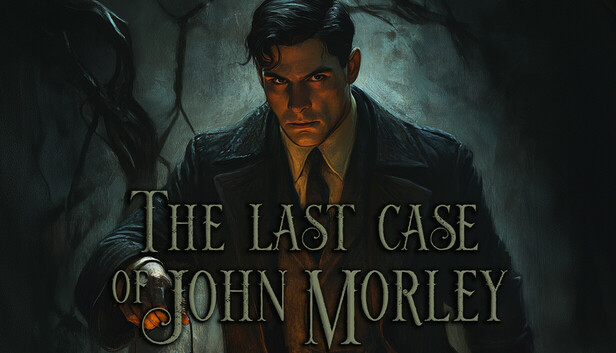
A compact, haunting noir, The Last Case of John Morley delivers a tightly written, atmosphere‑first mystery that nails mood, pacing, and period detail, its strength is immersive environmental storytelling and a slow‑burn sense of dread that lingers after the credits.
That focus on tone and curated discovery makes for a powerful short experience, but it leans toward guided, observational exploration rather than player‑driven deduction, feeling more like a walking sim than a full‑blown detective simulator.
About the Game
The Last Case of John Morley drops you into a moody, 1940s noir as wounded detective John Morley returns to work and is hired by the haunted Lady Margaret Fordside to reopen her daughter’s twenty‑year‑old murder. The game is a tightly focused, narrative‑first mystery that trades sprawling investigation systems for curated, atmospheric scenes and a slow‑burn sense of dread.
Gameplay centers on first‑person exploration and scene reconstruction: search mansions, abandoned sanatoriums, and other shadowed locations for clues, piece together evidence, and solve a handful of environmental puzzles to unlock the next chapter. Progression is deliberately linear; locked doors and gated areas steer you through a three‑ to four‑hour story rather than offering open‑ended deduction or sandbox sleuthing.
Presentation is the title’s strongest suit: period‑accurate environments, a haunting soundtrack, and solid voice work create a convincing noir mood. That polish is tempered by a few rough edges; visible reliance on AI‑generated imagery in some assets, occasional flat lines or blurred document text on certain systems, and limited graphical options for lower‑end hardware.
In short, this is an immersive, compact noir vignette best suited to players who want a short, story‑driven mystery with strong atmosphere rather than a deep, mechanics‑heavy detective sim.
Immersion and tone
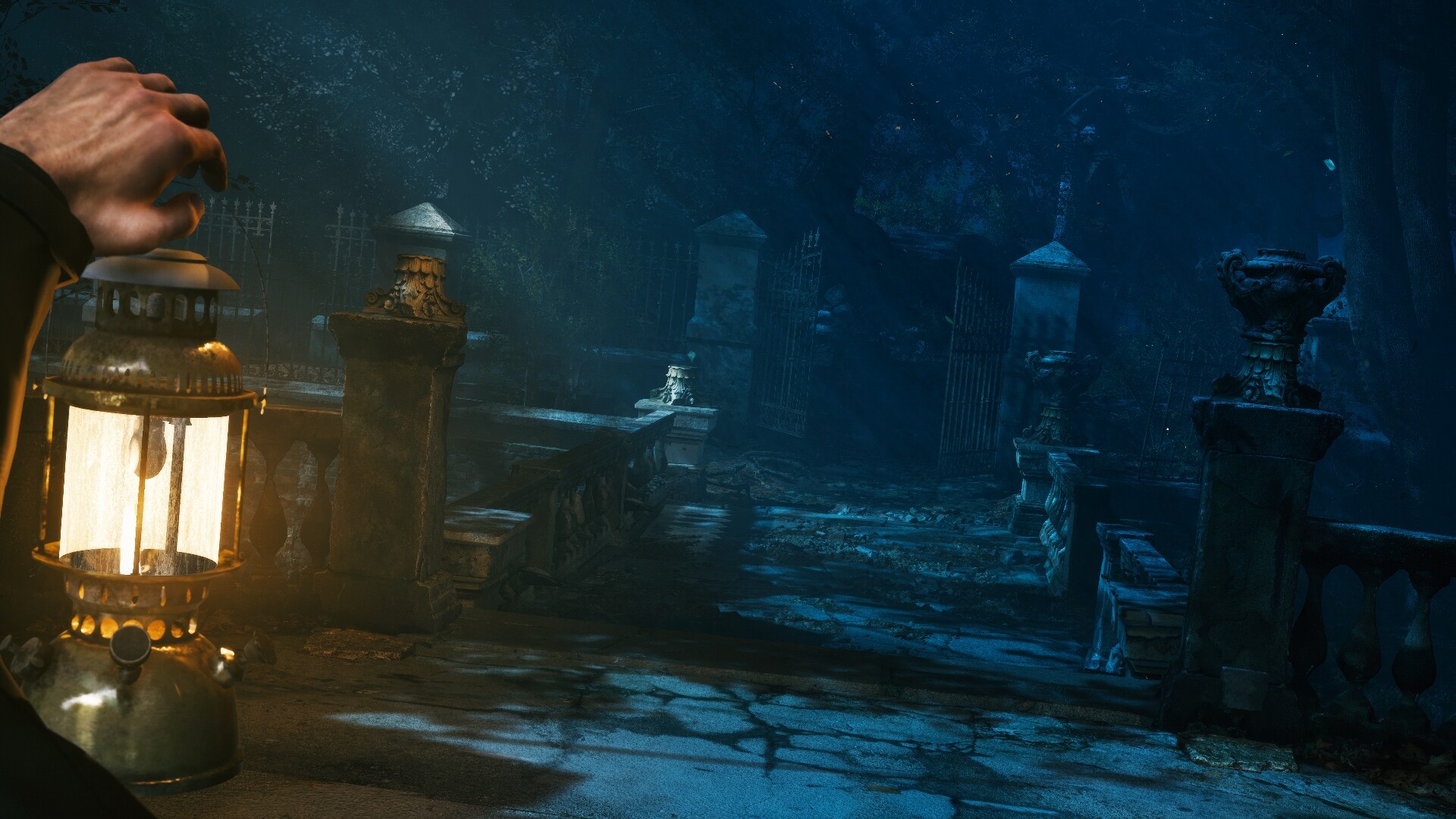
The Last Case of John Morley sells its world the moment you step into Morley’s office. Its greatest strength is atmosphere: meticulously realized 1940s interiors, shadowed mansions, and derelict sanatoriums that feel lived‑in and slowly decaying.
A sparse, haunting score and careful sound design amplify the dread and melancholy threaded through every corridor, while the writing leans into noir tropes without tipping into pastiche.
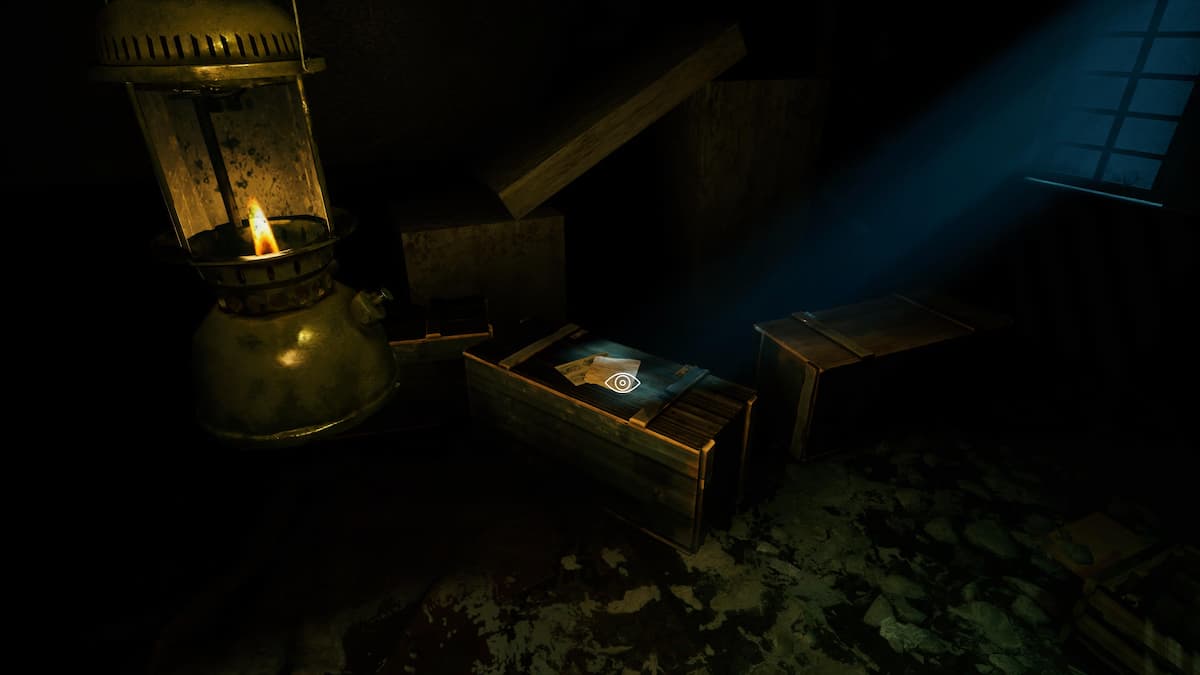
Environmental storytelling does the heavy lifting here; scattered documents, faded photographs, and the way light falls across a room all work together to make the past feel immediate and unsettling, turning each location into a character in its own right.
Structure and pacing
Developed by Indigo Studios and published by JanduSoft, The Last Case of John Morley arrived in late November 2025 on PC and PS5, with Xbox ports promised afterward.
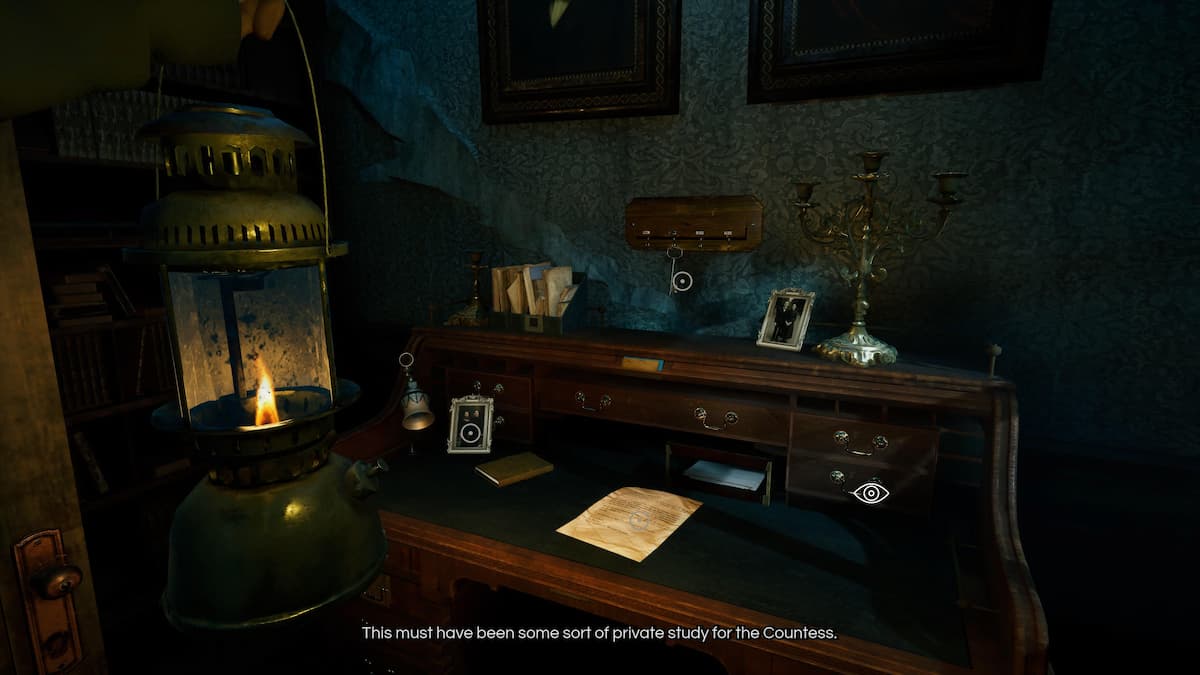
It’s deliberately compact and tightly authored; more a curated, narrative vignette than an open detective sandbox; designed to move you through a focused, roughly three‑hour investigation that trades sprawling systems for carefully staged scenes.
Progression is guided (locked doors and set beats steer the pacing), which keeps momentum brisk and the tension taut, and the game builds steadily toward a quietly powerful finale that lingers long after you finish.
Investigation and puzzles
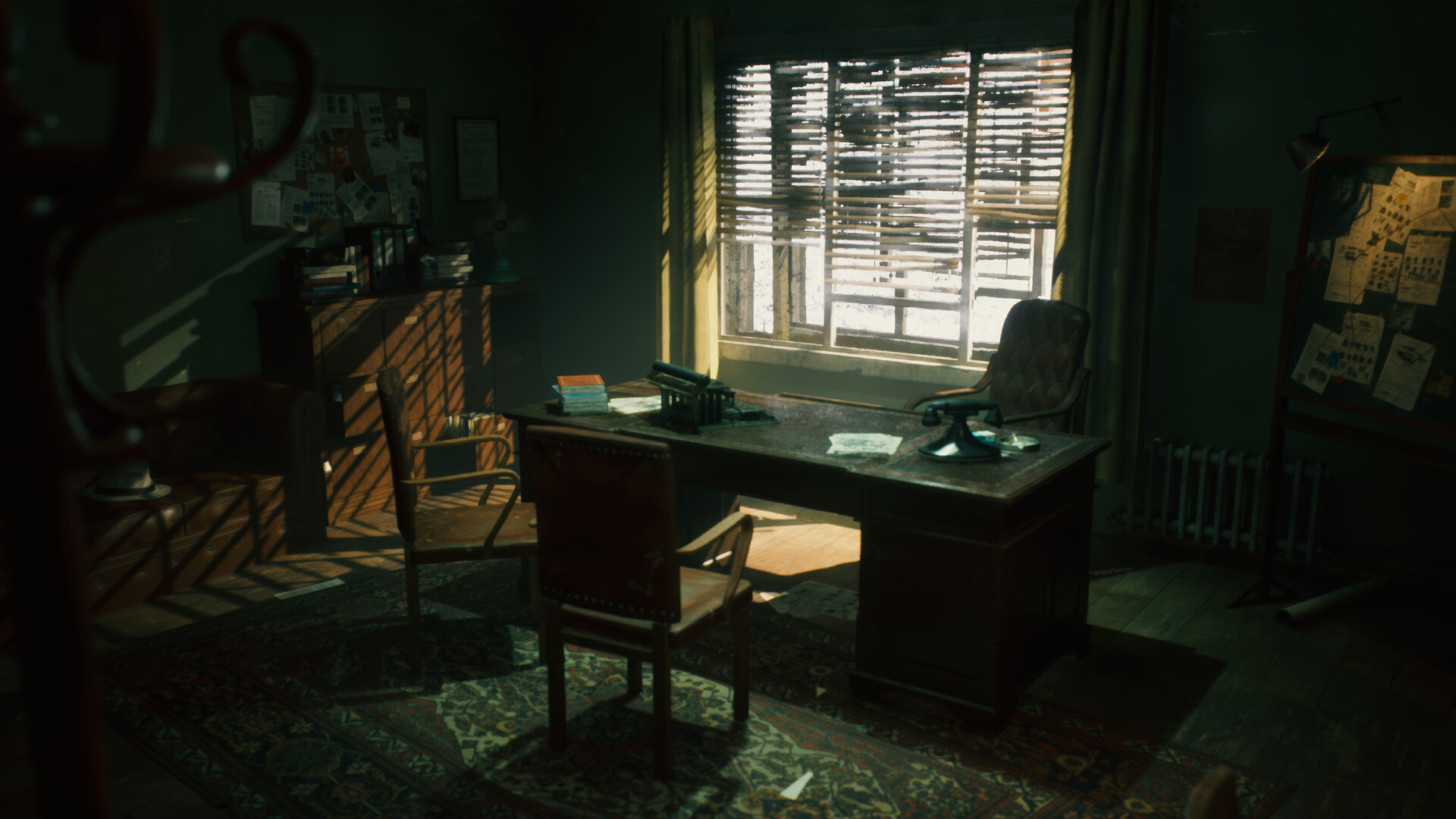
Mechanically, the game leans into scene reconstruction and puzzle‑adjacent tasks; rifling through rooms for keys, aligning mechanisms, and flipping switches to restore power or pry open new areas.
It’s tactile and deliberate, but critics rightly point out that it plays more like a walking sim than a true deduction engine: clues are collected into an evidence inventory for reference, yet rarely demand the player synthesize them into original theories or deductions.
Progression is frequently gated by locked doors and set beats that nudge you toward the next scripted reveal, which keeps the narrative tight but can make exploration feel guided rather than investigative.
Puzzles are generally fair and approachable, though missing a single required item can stall you and break the flow; an occasional frustration in an otherwise well‑paced mystery.
Presentation and rough edges
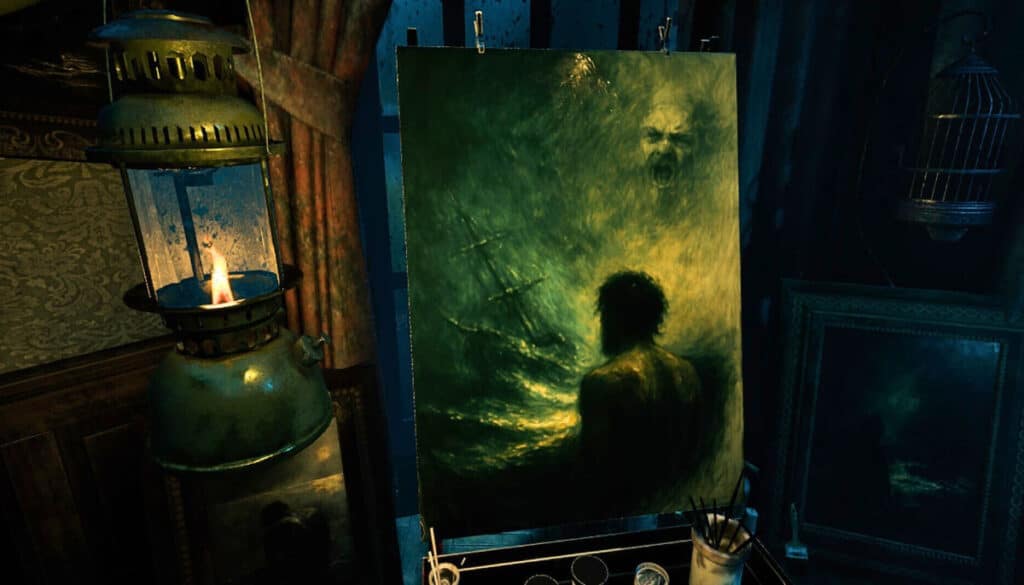
Presentation is largely impressive: strong voice performances sell the characters, carefully staged document art and props sell the period, and the environments; peeling wallpaper, shadowed corridors, and cluttered desks; feel convincingly lived‑in.
That polish does wobble in places, however. Several players and reviewers have called out a noticeable reliance on AI‑generated imagery for posters and background art, and a few lines of dialogue and texture work land flat enough to break immersion if you’re paying close attention.
Technical performance is generally stable, but the options slate is thin; there’s no built‑in upscaling support, and on some systems small in‑game text and document scans can render blurred or soft, which undermines readability in a game that asks you to study details.
Who should play
If you want a short, atmospheric mystery with strong production values and a tight narrative arc, this is a solid pick. If you expect deep deduction, open‑ended investigation, or lengthy playtime, you may feel the game is too linear and brief.
Final Verdict
The Last Case of John Morley is a finely wrought, unsettling noir vignette; richly atmospheric, tightly paced, and emotionally resonant.
Its period‑perfect environments, careful sound design, and strong voice work pull you into a world of peeling wallpaper and whispered secrets, while scene reconstruction and environmental storytelling deliver steady, satisfying reveals.
The game deliberately favors curated mood and narrative momentum over open‑ended sleuthing, so players seeking deep, player‑driven deduction may find the mechanics light and the run short.
Still, for anyone who prizes tone, craftsmanship, and a compact, memorable mystery, this is an impressive piece of interactive fiction from a small studio: ambitious and polished, if not without a few rough edges.
Watch and Wishlist
• Why wishlist: Patches and QoL fixes (readability, texture/AI‑art tweaks, upscaling support) materially improve a short, tightly authored experience; wishlisting ensures you get demo drops, hotfix alerts, and sale notices.
• Platforms to track: PC (Steam), Xbox Series X and PS5 now; watch for official Nintendo port announcements and any additional console releases.
• How to stay informed: Wishlist on Steam, follow Indigo Studios and JanduSoft on social media, join the game Discord, and watch devstreams and patch notes to time your purchase and catch demos or fixes.
Key Takeaways
• What it is: The Last Case of John Morley is a compact, 1940s noir narrative adventure that casts you as a wounded detective reopening a twenty‑year‑old murder.
• Core loop: First‑person exploration, evidence collection, and scene reconstruction drive a tightly authored, linear mystery rather than open‑ended sleuthing.
• Length and pacing: A focused three‑ to four‑hour experience that moves steadily from set piece to set piece and builds to a lingering finale.
• Standout strengths: Exceptional atmosphere; period‑accurate environments, sound design, and strong voice work; that sells dread and melancholy throughout.
• Main limitations: Light on player‑driven deduction; progression is often gated by locked doors and required items, and some assets show noticeable AI‑generated imagery or texture/text clarity issues.
• Puzzle design: Approachable environmental puzzles and lock‑gated exploration; missing a key item can stall progress, so careful searching matters.
• Technical notes: Generally stable performance, but lacks upscaling options (DLSS/FSR) and some in‑game document text can appear blurred on certain systems.
• Who should play: Fans of mood‑driven walking sims and short, well‑crafted mysteries; players seeking deep investigative mechanics or long playtimes may want to look elsewhere.
• Value proposition: Well priced for its length; recommended for players who prioritize tone, writing, and a compact, memorable narrative.
Game Information:
Developer: Indigo Studios - Interactive Stories
Publisher: JanduSoft
Platforms: PC (reviewed), Xbox Series X, PlayStation 5
Release Date: November 27, 2025
Score: 6.0 / 10
An evocative, well‑staged noir that often nails mood and presentation but is held back by shallow mechanics, visible asset shortcuts, and a runtime that feels too brief for its ambitions.
“6.0 / 10 - A moody, well‑crafted noir that nails atmosphere and pacing but is held back by shallow mechanics, visible asset shortcuts, and a runtime too brief to fully satisfy.”