Otherwar - Place towers, take flight, and smite the storm: tower‑defense strategy fused with bullet‑hell reflexes. (Game Review)
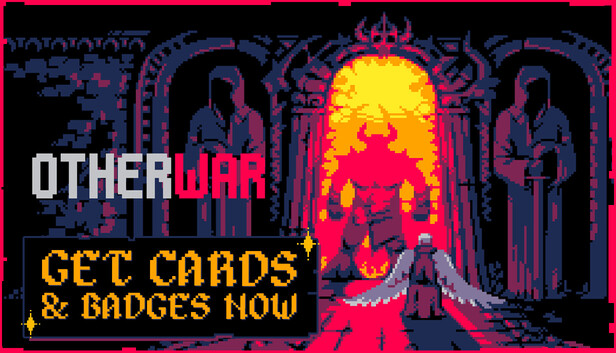
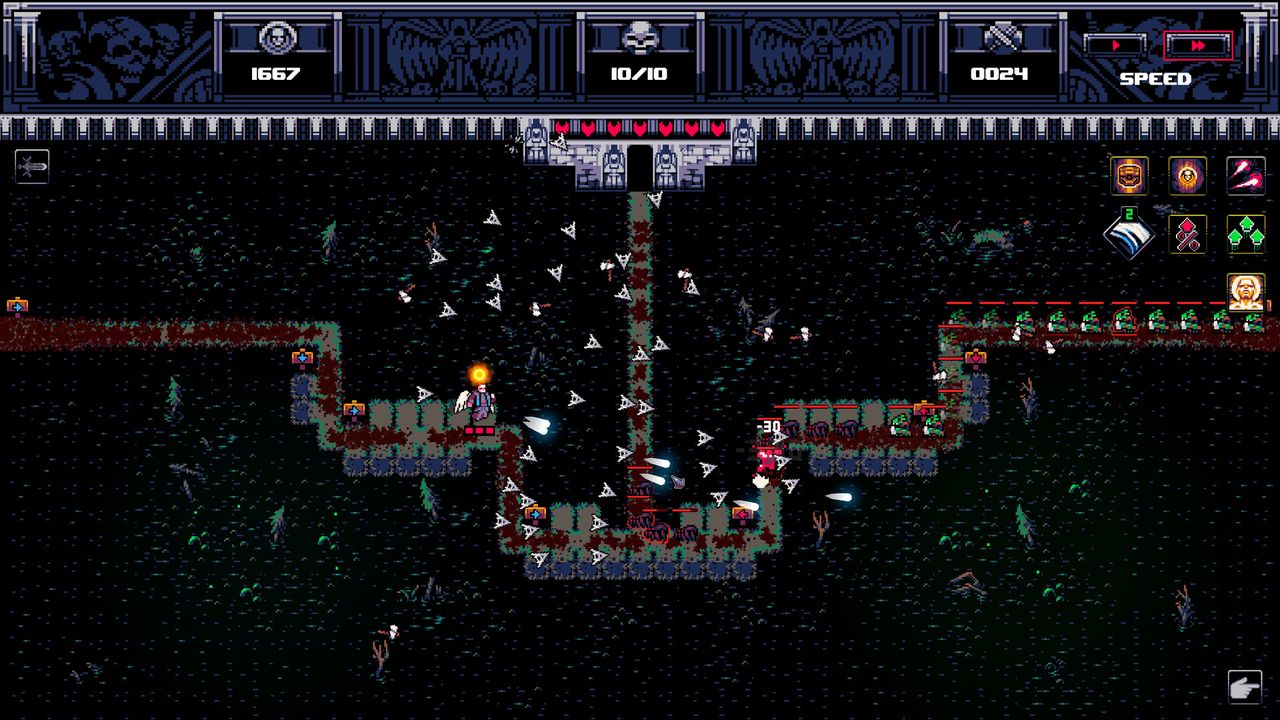
Otherwar fuses tower‑defense planning with bullet‑hell intensity into a sleek, mythic pixel‑art package. You take the role of a defender angel guarding the Gate of Heaven, alternating between careful pre‑battle placement of turrets, fields, and interceptors and swooping into the fray to dodge dense projectile patterns and smite foes yourself.
Across nine handcrafted levels the game constantly forces you to balance macro strategy; tower synergies, choke points, and priority targets, with micro skill, split‑second movement, pattern reading, and timely ability use, creating a tense, often surprising hybrid that rewards both thoughtful setups and reflexive play.
Gameplay systems
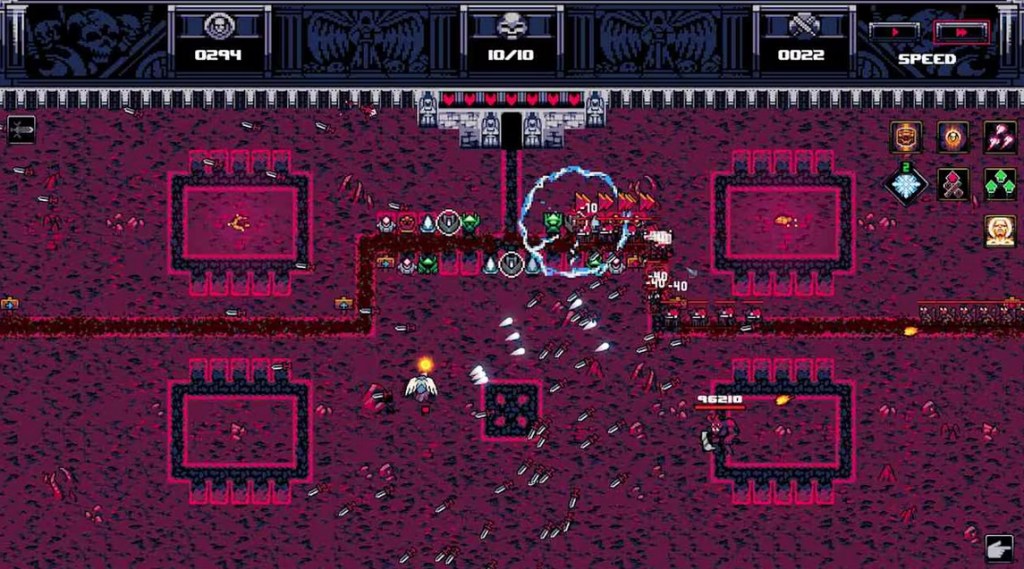
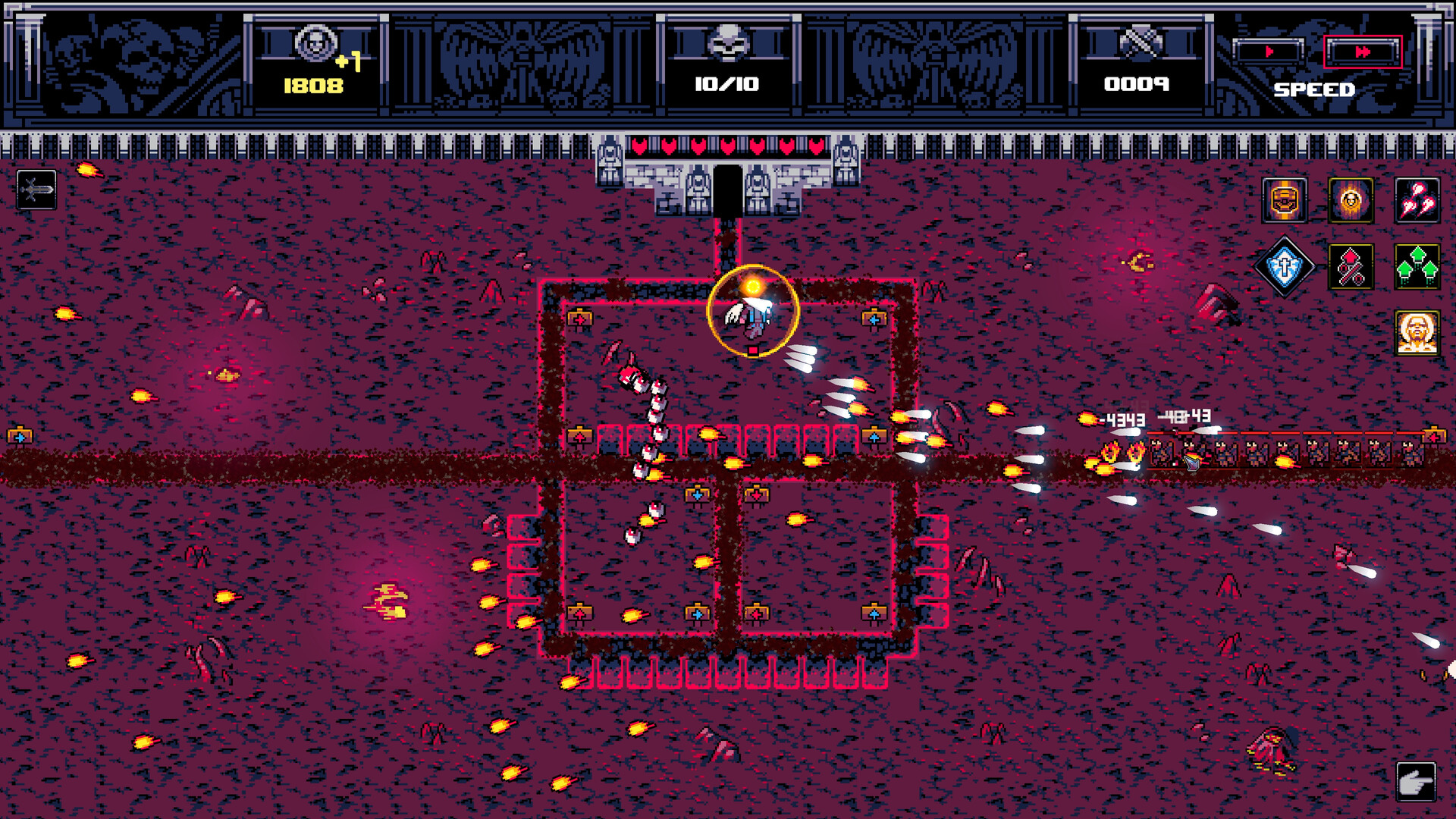
• Dual roles: Before each mission you plan defenses, placing towers, fields, and interceptors, then take direct control of the angel once combat begins. That two‑phase loop asks you to alternate between macro thinking and micro execution: design choke points and synergies like an architect, then dive into the fray as a duelist, dodging dense patterns and using active abilities to tip tight encounters in your favor.
• Tower variety: Defensive options span straightforward damage turrets to highly situational constructs that actively manipulate the battlefield. Slowing fields stretch enemy paths, projectile interceptors neutralize incoming patterns, and area‑denial devices force foes into predictable lanes. The variety encourages creative placement and layered defenses rather than one‑note spamming.
• Player upgrades: The angel grows both within and between runs; in‑mission leveling grants temporary boosts and new active skills, while meta unlocks expand your toolkit across attempts. This lets you tune the avatar to complement tower choices; filling gaps, countering specific threats, or deliberately leaning into an aggressive, hands‑on playstyle.
• Puzzle design: Each level reads like a tactical puzzle; enemy mixes, unique projectile behaviors, and map geometry combine to reward adaptation. Rather than a single dominant build, success comes from reading the encounter, swapping loadouts, and exploiting synergies, turning every mission into a fresh problem to solve.
Enemies and challenge
• Projectile diversity: Nearly every foe brings a unique attack pattern, homing eyeballs that track your movement, wide spider‑web spreads that force you to reposition, and swirling leaf storms from undead treants that carve predictable but punishing lanes. These varied projectiles turn each wave into a choreography problem: reading patterns and predicting trajectories becomes as crucial as where you place your towers.
• Priority targets: Certain enemies alter the battlefield state if ignored. Necromancers raise skeletons, siege brutes break through chokepoints, and support casters buff nearby mobs. Identifying and neutralizing these high‑impact units on the fly forces you to juggle crowd control, single‑target focus, and tower economy, turning otherwise routine waves into tactical puzzles.
• Tension balance: Otherwar walks a fine line between punishing and empowering. Early runs feel unforgiving, rewarding careful learning and pattern recognition, while meta progression and unlocks can eventually soften that bite, sometimes to the point where higher difficulties feel less threatening. That dynamic creates a satisfying arc for players who enjoy mastery, but it also risks trivializing later challenges unless balance and scaling are tightened.
Progression and replayability
Meta progression
XP, unlocks, and persistent upgrades expand your toolkit across runs, rewarding experimentation and gradual mastery. That meta layer encourages creative loadouts and gives weaker strategies a chance to shine once you’ve invested time, but it can also shift the difficulty curve, when out‑of‑run upgrades outpace level design, later runs risk feeling less challenging than intended. Thoughtful pacing of unlocks and more meaningful trade‑offs would preserve the sense of growth without eroding the game’s tactical tension.
Replay hooks
Multiple difficulty tiers, varied tower synergies, and the angel’s branching upgrade paths create strong incentives to replay encounters with different approaches. Each level supports distinct strategies; rush builds, choke‑point control, projectile‑interceptor setups, or a hands‑on angel‑centric playstyle, so revisiting maps often reveals new solutions and emergent interactions. Leaderboards, optional modifiers, or scenario‑based challenges could further sharpen these hooks and reward mastery.
Room to refine
Players frequently flag balance issues, most notably the angel’s ability to dominate encounters relative to static defenses, which can undermine the tower‑defense side of the equation. There’s clear upside in adding out‑of‑run progression that targets towers (new tiers, passive synergies, or economy modifiers), alternate playable avatars with distinct stats and roles, and tighter tuning of enemy scaling. Those changes would deepen long‑term engagement by restoring strategic trade‑offs and making each run feel consequential.
Presentation and performance
Pixel art and atmosphere
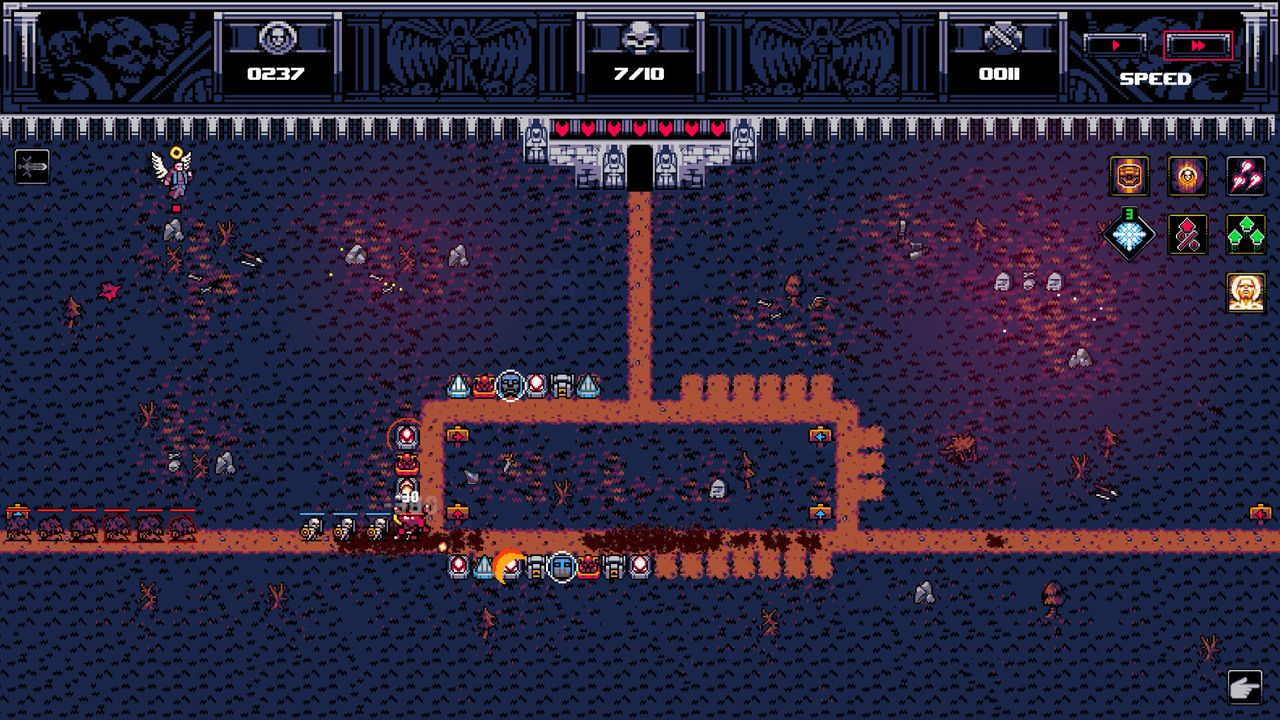
Classy, expressive pixel work gives Otherwar a mythic, tactile identity, each enemy sprite and environment tile reads with clarity and purpose. Animations carry weight: recoil, stagger, and death frames communicate impact, while subtle motion; flag ripples, ember drift, and halo glows, adds life without cluttering the retro palette. The result is a world that feels handcrafted: readable in the heat of battle yet rich in small visual details that reward repeated play.
Audio design
A dramatic score and crisp SFX shape the game’s emotional arc, from the quiet focus of setup to the full‑on chaos of bullet storms. Music cues shift tempo to signal incoming waves, while distinct sound signatures for enemy projectiles and tower actions make it easier to parse threats under pressure. Tighter dynamic mixing and more pronounced accessibility cues (visual indicators tied to key sounds) would further sharpen clarity during dense encounters.
Technical polish and performance
Performance is generally solid across platforms, with stable frame rates and short load times that keep runs flowing. Reported issues are mostly balance and pacing quirks rather than crashes, difficulty spikes, avatar‑vs‑tower power imbalances, and occasional pacing lulls that leave downtime between meaningful decisions. Addressing those tuning points, plus small QoL fixes (clearer progression pacing, improved in‑run feedback, and more granular difficulty scaling), would elevate the experience from polished indie to must‑play hybrid.
Final Verdict
Otherwar is a smart, frequently exhilarating hybrid that successfully blends tactical tower placement with the kinetic intensity of bullet‑hell combat. Its handcrafted levels and distinct enemy projectiles create puzzle‑like encounters where map geometry, tower synergies, and pattern reading all matter, rewarding players who enjoy both strategic planning and split‑second execution.
Watch and Wishlist
• Why wishlist: Catch balance patches and meta tuning; low entry price makes it an easy try for genre‑mashup fans.
• Platforms to track: PC / Steam (Windows), Xbox as primary storefronts; watch for possible Switch or GOG ports.
• How to stay informed: Wishlist and follow the Steam page; monitor the Steam Community hub and developer/publisher social channels (Discord, X/Twitter) for patch notes and roadmap posts.
• Price perspective: $5.99, strong indie value; expect frequent discounts during seasonal sales.
Key Takeaways
• Inventive hybrid loop: Otherwar blends tower‑defense planning with bullet‑hell action, creating a build‑then‑dive rhythm that rewards both strategic foresight and reflexive play.
• Distinct enemy design: Nearly every foe uses unique projectile patterns, so learning behaviors and reading trajectories is as important as tower placement.
• Puzzle‑like levels: Handcrafted maps and enemy mixes encourage adaptation and experimentation rather than one‑size‑fits‑all builds.
• Meaningful player agency: The angel avatar adds a satisfying hands‑on layer, letting you directly influence battles, but that power can sometimes overshadow tower strategy.
• Progression tradeoffs: Meta XP and unlocks broaden your toolkit and replay options, yet upgrades can outpace level tuning and soften later challenges.
• Strong presentation: Classy pixel art, expressive animations, and a dramatic soundtrack give the game a mythic atmosphere that sells every skirmish.
• Replay value with caveats: Multiple difficulties and upgrade paths invite repeat runs, but balance tweaks (avatar vs towers, pacing, and progression scaling) would deepen long‑term engagement.
• Who should play: Ideal for players who enjoy learning patterns, toggling between architect and duelist roles, and exploring creative loadouts; those seeking a pure, tightly tuned TD or BH experience may want to wait for further balancing.
Game Information:
Developer: kantal collective
Publisher: Untold Tales, Hyperstrange
Platforms: Xbox (reviewed), PlayStation 5, PC
Release Date: February 27, 2023
Score: 6.0 / 10
Otherwar is an intriguing experiment: its tower‑defense foundations and bullet‑hell intensity combine into moments of genuine tension and clever design. The pixel art, enemy variety, and build‑then‑dive loop are its highlights, but balance issues, meta progression that can trivialize later runs and an angel avatar that sometimes eclipses tower strategy, hold the experience back. Worth a try at its low price for curious players, but expect rough edges and room for tuning.
“6.0 / 10 - A bold genre mash‑up with flashes of brilliance, hampered by balance that keeps it from reaching its full potential.”