Sushi Ben - Pop‑out panels, seaside minigames, and anime charm: delightfully chaotic, with a few rough edges. (Game Review)

Sushi Ben is a warm, exuberant narrative adventure that marries slice‑of‑life anime warmth with kinetic pop‑out manga panels and a smorgasbord of playful minigames.
The seaside town of Kotobuki bursts with personality: vivid environments, a stacked, fully voiced cast, and comic‑book staging make character moments sing and set pieces land with delightful theatricality.
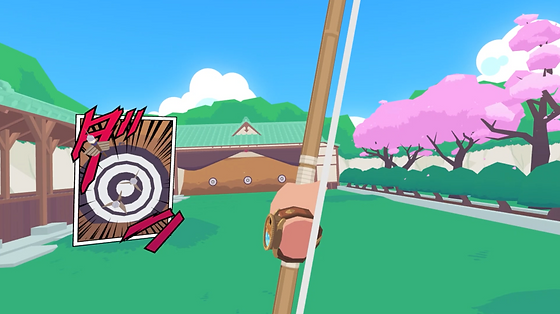
Minigames like fishing, archery, and ghost hunting add charming variety and help the pacing feel lively, while the game’s humor and heartfelt beats give the story genuine emotional pull.
That said, the experience is tempered by technical roughness and a conclusion that feels unfinished; bugs, NPC pathing hiccups, and a cliff‑hanger‑leaning ending keep Sushi Ben from fully realizing its bright, ambitious vision.
What stands out
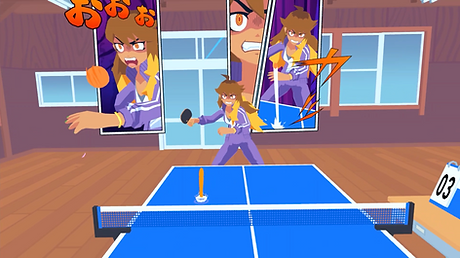
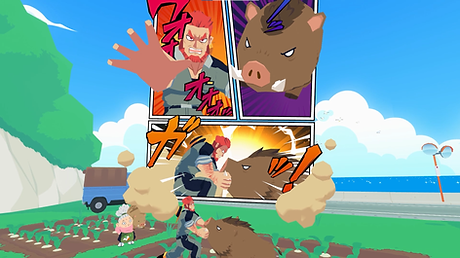
• Interactive anime presentation: Pop‑out 3D manga panels and visual‑novel pacing turn conversations and cutscenes into kinetic set pieces. Panels explode into the world with comic timing, framing punchlines and reveals like a living storyboard and giving the narrative a cinematic, comic‑book energy that keeps scenes feeling fresh and theatrical.
• Star‑studded voice cast: A fully voiced ensemble of 20+ actors in English and Japanese brings nuance and comedic timing to every beat. Strong performances elevate even small moments, side characters land with personality, emotional scenes hit harder, and the cast’s chemistry makes Kotobuki feel inhabited and memorable.
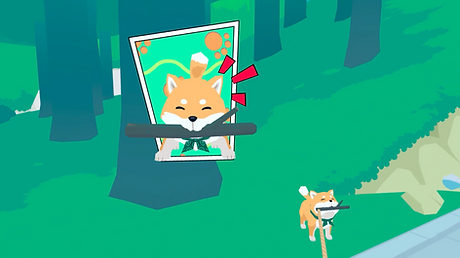
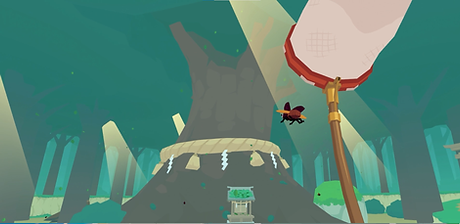
• Minigame variety: Fishing, archery, ghost hunting, dog walking, and other bite‑sized activities provide delightful detours that change the game’s rhythm. Each minigame has its own tactile feel and rewards, offering light challenges, comedic set pieces, and opportunities to bond with townsfolk between story beats.
• Slice‑of‑life heart: Wholesome, bombastic, and occasionally absurd, the tone channels Saturday‑morning anime energy with a modern edge. The script balances warm community moments with over‑the‑top antics and a social‑justice streak, making the town’s stakes feel personal while keeping the mood buoyant and fun.
Core mechanics
• Interactive storytelling: Dialogue choices shape tone and pacing, and the pop‑out manga panels act as dynamic punctuation, cutscenes explode into 3D panels that spotlight punchlines, reveal emotional beats, or freeze a dramatic moment for maximum comic timing. The result is a narrative that feels staged and cinematic, where player choices alter not just lines of dialogue but how scenes are framed and remembered.
• Minigames as rhythm breaks: Bite‑sized activities; archery, fishing, ghost hunting, dog walking, are woven into the story as purposeful detours rather than filler. Each minigame has its own tactile rhythm and reward loop, offering light challenges, character bonding opportunities, and comedic set pieces that reset the pace between heavier narrative moments.
• VR and flatscreen parity: Sushi Ben supports both flatscreen and VR play, with VR amplifying the tactile joy of manga panels and minigames; reaching for a rod, drawing a bow, or petting a dog feels immediate and charming. That immersion comes with tradeoffs: VR exposes control and tracking inconsistencies (aiming precision, reticle behavior, and occasional haptic timing issues) that need refinement, while the flatscreen version preserves the game’s visual staging and accessibility without those hardware‑dependent quirks.
Level design and pacing
• Town as stage: Kotobuki plays like a compact, character‑dense theater, each neighborhood feels curated for moments. Districts host rotating events, scripted NPC routines, and tucked‑away Daruma collectibles that reward curiosity; the town’s layout encourages bumping into scenes, overhearing gossip, and discovering small vignettes that make exploration feel consistently rewarding.
• Pacing swings: The game alternates gentle, slice‑of‑life beats with loud, cinematic set pieces, which gives the story a pleasing tonal variety but can also create uneven momentum. Quiet conversations and leisurely errands let relationships breathe, while sudden bombastic sequences deliver spectacle; some players may find the transition jarring as the plot rushes toward an ending that lands more like a cliffhanger than a full resolution.
• Short bursts, long threads: Most quests and minigames are deliberately bite‑sized, perfect for quick sessions or focused practice, yet narrative threads and character arcs unfold across the roughly 8+ hour campaign. That structure makes it easy to dip in for a fishing trip or a single side quest, while sustained play reveals deeper payoffs and emotional beats that reward patience and repeated visits to the town.

Presentation and audio
Art direction
Eye‑popping, manga‑inspired visuals turn Kotobuki into a living comic: bold palettes, high‑contrast silhouettes, and stylized geometry make every street and storefront read instantly at a glance. Pop‑out 3D manga panels are more than a gimmick; they punctuate jokes, freeze dramatic moments, and reframe scenes with cinematic timing, giving the game a distinctive visual rhythm that keeps cutscenes feeling theatrical and fresh.
Soundtrack and sound design
A lively, hook‑driven score propels both quiet town beats and bombastic set pieces, using tempo and instrumentation to reinforce momentum and emotion. Clear, purposeful SFX, from the slap of a fishing line to the twang of an arrow, cut through the mix so gameplay cues remain audible even during chaotic moments. Dynamic mixing ensures music lifts scenes without drowning out dialogue or important audio feedback.
Voice acting and performance
A large, well‑cast ensemble (Laura Post, Ryan Colt Levy, AJ Beckles, and more) delivers consistently strong performances that sell the script’s humor and heart. Full voice work gives side characters memorable personalities, sharpens comedic timing, and makes emotional payoffs land, turning brief interactions into moments you remember long after a session ends.
Progression and replayability
• Story first, character driven: The main campaign runs about 8+ hours and prioritizes character beats, community events, and scripted moments over long‑form progression systems. That focus gives the narrative a tight, emotionally resonant arc, each chapter feels like a self‑contained episode, though it also means the core loop is compact by design.
• Collectibles and bite‑sized challenges: Daruma statues, side quests, and minigame leaderboards layer optional goals on top of the story. These elements reward exploration and mastery: collectibles unlock small payoffs, side quests deepen relationships, and leaderboards turn minigames into repeatable short‑form challenges for completionists and score chasers alike.
• Replay hooks and quality‑of‑life needs: The game’s structure encourages replaying specific beats; revisiting events, chasing higher minigame ranks, or hunting missed Daruma, but a few UX improvements would strengthen that loop (better collectible tracking, clearer completion indicators, and a character gallery). Many reviewers describe the release as promising but rough; targeted patches, expanded post‑campaign content, and clearer tracking tools could convert the current “playable gem” into a polished, long‑lasting experience.
Strengths
• Charming presentation: Manga panels, sun‑washed seaside locales, and a playful, stylized art direction give the game a singular visual voice. The pop‑out comic framing turns ordinary moments into theatrical beats, making the world feel curated and delightfully expressive.
• Memorable cast: A large, well‑voiced ensemble fills Kotobuki with personality, every NPC feels like a character you’d want to meet again. Strong performances and sharp writing turn throwaway lines into laugh‑out‑loud moments and make emotional scenes land with real warmth.
• Varied activities: A rotating roster of minigames; fishing, archery, ghost hunting, dog walking, keeps the rhythm fresh and gives players playful ways to engage with the town. These bite‑sized diversions break up the narrative, offer light challenges, and create memorable set pieces that complement the story rather than distract from it.
• Heart and humor: The script balances slice‑of‑life tenderness with absurd, over‑the‑top comedy, so the game can be genuinely moving one moment and gleefully ridiculous the next. That tonal mix makes Kotobuki feel lived‑in: earnest when it needs to be, and gleefully silly when the story calls for it.
Weaknesses
• Technical roughness: NPC pathfinding glitches, invisible characters, and spawn failures repeatedly break immersion. Conversations that play out with missing actors, clipped bodies, or enemies that pop into existence turn scripted moments into confusing interruptions rather than narrative beats.
• Control and VR quirks: Input fidelity is inconsistent, archery’s reticle and arrow arc sometimes diverge from expected aim, and VR tracking can produce jittery or delayed interactions. These issues make tactile minigames feel imprecise and reduce the satisfaction of skillful play.
• Unfinished feeling: The campaign’s conclusion reads as a partial climax for many players: dangling threads, unresolved beats, and a sense that planned content is missing leave the ending feeling abrupt rather than conclusive. That unfinished tone undercuts emotional payoffs earned earlier in the story.
• UX and session‑flow friction: Small interface choices, spotty collectible tracking, inconsistent use of the manga‑panel device, and awkward restart or save behavior, create avoidable friction. These polish gaps make it harder to track progress, revisit missed content, or maintain momentum during longer play sessions.

Final Verdict
Sushi Ben is a character‑first, anime‑styled adventure that brims with charm and personality; perfect for players who love visual‑novel pacing, a large, fully voiced ensemble, and playful detours into quirky minigames.
The seaside setting and pop‑out manga staging make every scene feel theatrical, and VR amplifies the tactile joy of fishing, archery, and other bite‑sized activities.
That warmth comes with caveats: the launch build shows technical roughness (NPC pathing and spawn glitches, occasional invisible actors, and some imprecise VR controls) and a finale that many players find abrupt or incomplete.
If you prize tone, character moments, and stylish presentation, Sushi Ben delivers plenty to adore; if you need a tightly finished, bug‑free narrative from day one, expect a few rough edges and an ending that may leave you hungry for more.
Watch and Wishlist
• Why wishlist: Follow updates for bug fixes, expanded endings, and quality‑of‑life improvements.
• Platforms to track: PC and VR platforms, check storefronts for platform‑specific patches and VR optimizations.
• How to stay informed: Follow Big Brane Studios on social channels and the store page for patch notes and community news.
Key Takeaways
• Distinctive anime staging: Pop‑out 3D manga panels and bold art direction give Kotobuki a cinematic, comic‑book energy that makes scenes feel theatrical.
• Character‑first narrative: The 8+ hour campaign prioritizes relationships and community beats over long progression systems, delivering emotional moments and episodic charm.
• Large, effective voice cast: A 20+ ensemble in English and Japanese elevates humor and heart, making even small interactions memorable.
• Playful minigame variety: Fishing, archery, ghost hunting, dog walking, and other bite‑sized activities provide fun rhythm breaks and replayable short loops.
• VR amplifies immersion: Virtual reality enhances tactile moments and the manga gimmick, though it also exposes control and tracking inconsistencies.
• Polish gaps interrupt flow: NPC pathfinding bugs, invisible actors, spawn issues, and inconsistent panel usage frequently break immersion.
• Unfinished ending: Several story threads feel unresolved and the finale reads as a partial climax, leaving players wanting a fuller conclusion.
• Replay value hinges on fixes: Collectibles, leaderboards, and side quests offer replay hooks, but better tracking and QoL improvements would strengthen longevity.
• Who will love it: Ideal for players who prioritize tone, character, and stylish presentation, especially fans of visual‑novel pacing and anime aesthetics.
• Who should wait: Players seeking a tightly finished, bug‑free narrative experience at launch may prefer to wait for post‑launch patches and content updates.
Game Information:
Developer & Publisher: Big Brane Studios, Inc.
Platforms: PC (reviewed)
Release Date: September 17, 2025
Reviewed by: Justin Garcia
Reviewed on: January 29, 2026
Score: 7.5 / 10 👍
⭐⭐⭐⭐⭐⭐⭐½☆☆
Sushi Ben charms with a distinctive anime presentation, a large, well‑voiced cast, and a delightful assortment of minigames that make Kotobuki feel alive. The pop‑out manga panels, seaside art direction, and heartfelt writing deliver memorable moments, but technical glitches, inconsistent VR controls, and an ending that feels unfinished keep the experience from reaching its full potential. With targeted polish and a more conclusive finale, this score could climb significantly.
“7.5 / 10 - A warm, wacky love letter to slice‑of‑life anime: brimming with charm, but still rough around the edges.”
