Talystro: Combine cards and dice to finish the sums, match numbers exactly to stop the Necrodicer. (Demo Impressions)

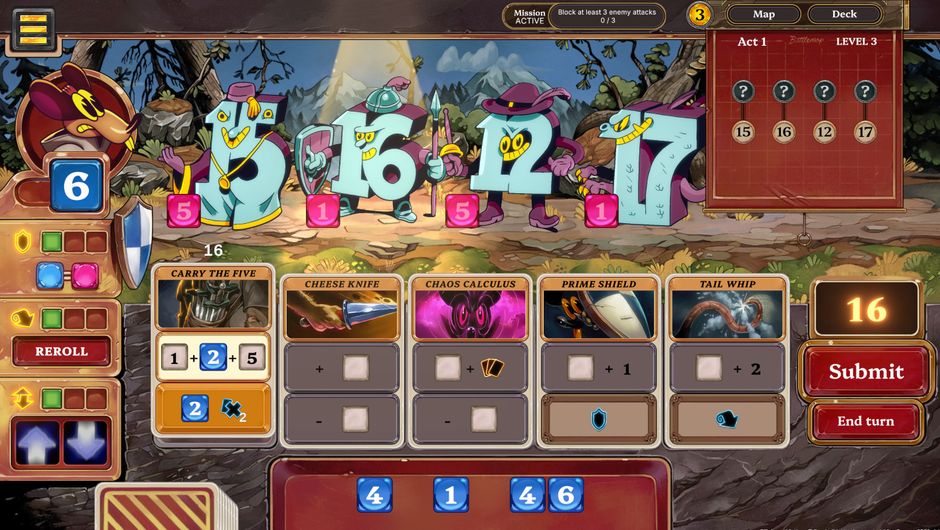
Talystro reinvents the roguelite deckbuilder by turning arithmetic into combat. You control Maffef, the Math Mouse, and a sentient set of dice as you race to stop the Necrodicer’s Talystro ritual. Instead of whittling down HP, enemies are defeated by exact numeric matches: your cards present unfinished calculations and your dice supply the missing values.
That simple conceit opens a rich strategic space. Cards reference dynamic variables: dice count, modifiers, and round state, so order of operations, timing, and resource management matter as much as card choice. The result is a satisfying blend of puzzle and deckbuilding: every roll, play, and upgrade can unlock elegant combos or force on‑the‑fly improvisation against waves of corrupted numbers.
Core mechanics
• Cards meet dice: Each card contains one or more unfinished calculations; you roll and allocate dice to complete those expressions, and an exact numeric match instantly removes the corresponding enemy. This turns every play into a mini‑puzzle, choose which card to finish, which die to spend, and when to cash out for a one‑shot kill.
• Variables and order of operations: Many cards reference dynamic variables such as current dice count, active modifiers, or round state, so the order you play cards and spend resources is crucial. Sequencing becomes a tactical layer: play a multiplier before a sum, conserve dice to unlock a high‑value formula, or trigger a modifier that flips target priorities.
• Simulation‑friendly complexity: The rules reward planning and optimization rather than brute force. Small additions, a card that multiplies dice, an artifact that shifts enemy values, or an enchantment that reorders operations, can create cascading synergies and game‑breaking combos, while also introducing meaningful trade‑offs and counterplay.
Combat and pacing
• Outnumbered, not outplayed: Encounters throw multiple numeric foes at you, turning each skirmish into a tactical puzzle where target priority matters; decide whether to quickly clear low‑value nuisances or bank resources and sequence plays to neutralize high‑value threats in one elegant combo.
• Tactical variety: Cards go beyond simple arithmetic; modifiers, resource tokens, and spell effects (stuns, buffs, value shifts, and conditional triggers) let you interrupt enemy plans, reshape the battlefield, or set up multi‑card chains that change the flow of a round.
• Risk versus reward: Enemy values and counts ramp predictably but sharply, so flexible cards, timely dice upgrades, and smart sequencing are essential; every run becomes a fresh optimization problem where one clever play can swing a crowded encounter into a clean sweep.
Progression and customization
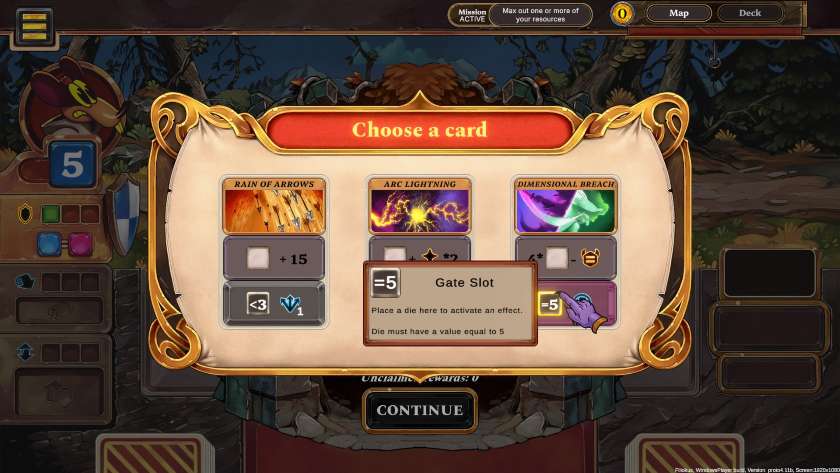
• Deck growth: Collect, upgrade, and enchant cards to broaden your tactical palette. Seek cards that cover multiple calculation types or scale with dice count, these flexible pieces become linchpins as enemy values escalate, letting you pivot between precision one‑shots and multi‑target combos.
• Dice and artifacts: Between encounters a modular shop lets you upgrade dice, acquire artifacts, and reforge cards. These choices compound: a single artifact can turn a modest card into a combo engine, while targeted dice upgrades shift the math you can reliably hit, enabling distinct builds like explosive one‑shot clears, methodical combo chains, or utility‑first runs that control the board.
• Acts and ascension: The campaign spans three acts with unique boss encounters and escalating threats. Ascension‑style modifiers are planned to layer new constraints and rewards on repeat runs, increasing challenge while encouraging creative deck synergies and long‑term optimization.
Presentation and development
• Indie polish in progress: Filiokus, the Norwegian studio behind Cal & Bomba, is actively iterating on Talystro through community playtests. Expect UI refinements, balance tuning, and content additions during Early Access as the team responds to player data and feedback.
• Playtest access: A live playtest is available by request on the store page. Participating gives you early hands‑on time, a direct channel to report bugs and suggest changes, and a real influence on card balance, dice systems, and feature priorities.
Final Verdict
Talystro distinguishes itself by making arithmetic feel like a tactical language rather than a classroom exercise. Its core loop, cards that pose unfinished calculations and dice that complete them, turns every encounter into a compact, satisfying puzzle where sequencing, resource timing, and creative problem‑solving matter as much as deck composition.
The marriage of deckbuilding and dice management yields deep optimization potential: variable‑driven cards, artifacts that shift values, and dice upgrades combine into emergent synergies that reward experimentation and clever sequencing. The shop and upgrade loop reinforce that variety, enabling distinct playstyles from explosive one‑shot clears to slow, methodical combo engines.
As an in‑development title, Talystro’s long‑term appeal will hinge on balance, content depth, and how the systems scale across acts and ascension modes. Even so, the foundation is inventive and tightly focused: ideal for players who enjoy methodical, puzzle‑driven roguelites that prize planning, discovery, and the satisfaction of solving a numeric riddle under pressure
Watch and Wishlist
• Why wishlist: Get playtest invites, Early Access alerts, and demo/launch notifications; support the studio and influence balance through feedback.
• Platforms to track: PC (Steam is live; Epic/other PC stores possible); console or mobile ports are unconfirmed, watch official announcements.
• How to stay informed: Wishlist and follow the Steam store page, request playtest access, and join Filiokus’ Discord and social channels for patch notes and dev posts.
• Price perspective: To be determined. Expect indie pricing with likely Early Access discounts and seasonal sale opportunities.
Key Takeaways
• Unique combat hook: Enemies are defeated by exact numeric matches, turning arithmetic into a tactical resource rather than raw damage.
• Cards + dice synergy: Cards contain unfinished calculations and dice complete them, making sequencing, dice allocation, and timing central to every decision.
• High tactical depth: Dynamic variables and order of operations create layered puzzles, small changes in play order or dice upgrades can unlock powerful combos.
• Meaningful progression: Collecting, upgrading, and enchanting cards plus dice and artifacts supports diverse builds from one‑shot clears to slow combo engines.
• Encounter design: Fights present multiple numeric foes, forcing prioritization and trade‑offs between immediate clears and long‑term setups.
• Replayability tools: Three acts, unique bosses, and planned ascension modifiers aim to keep runs fresh and challenging.
• Community‑driven development: Filiokus is running playtests and iterating with player feedback; Early Access will refine balance and content.
• Who it’s for: Best for players who enjoy methodical, puzzle‑driven roguelites and deckbuilders that reward planning and optimization.
Game Information:
Developer & Publisher: Filiokus
Platforms: PC (reviewed)
Release Date: To be announced
Score: 6.5 / 10
Talystro earns a 6.5 for its clever core idea and promising systems. The numeric‑match combat and dice‑plus‑card design create satisfying puzzles and strong optimization potential, but the current build shows rough edges in balance, content depth, and polish that limit long‑term momentum.
With continued tuning, expanded card variety, and more artifacts or act content, the score could climb, right now it’s an intriguing prototype that rewards methodical players but still needs refinement to fully realize its promise.
“6.5 / 10 - A smart, math‑driven roguelite with real potential: fun to tinker with, but not yet fully baked.”