Saborus - Slip through gears and shadows: stealth, puzzles, and frantic chases as a lone chicken in a sinister slaughterhouse. (Game Review)
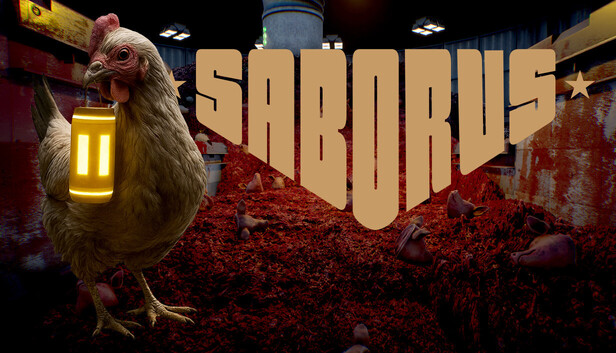
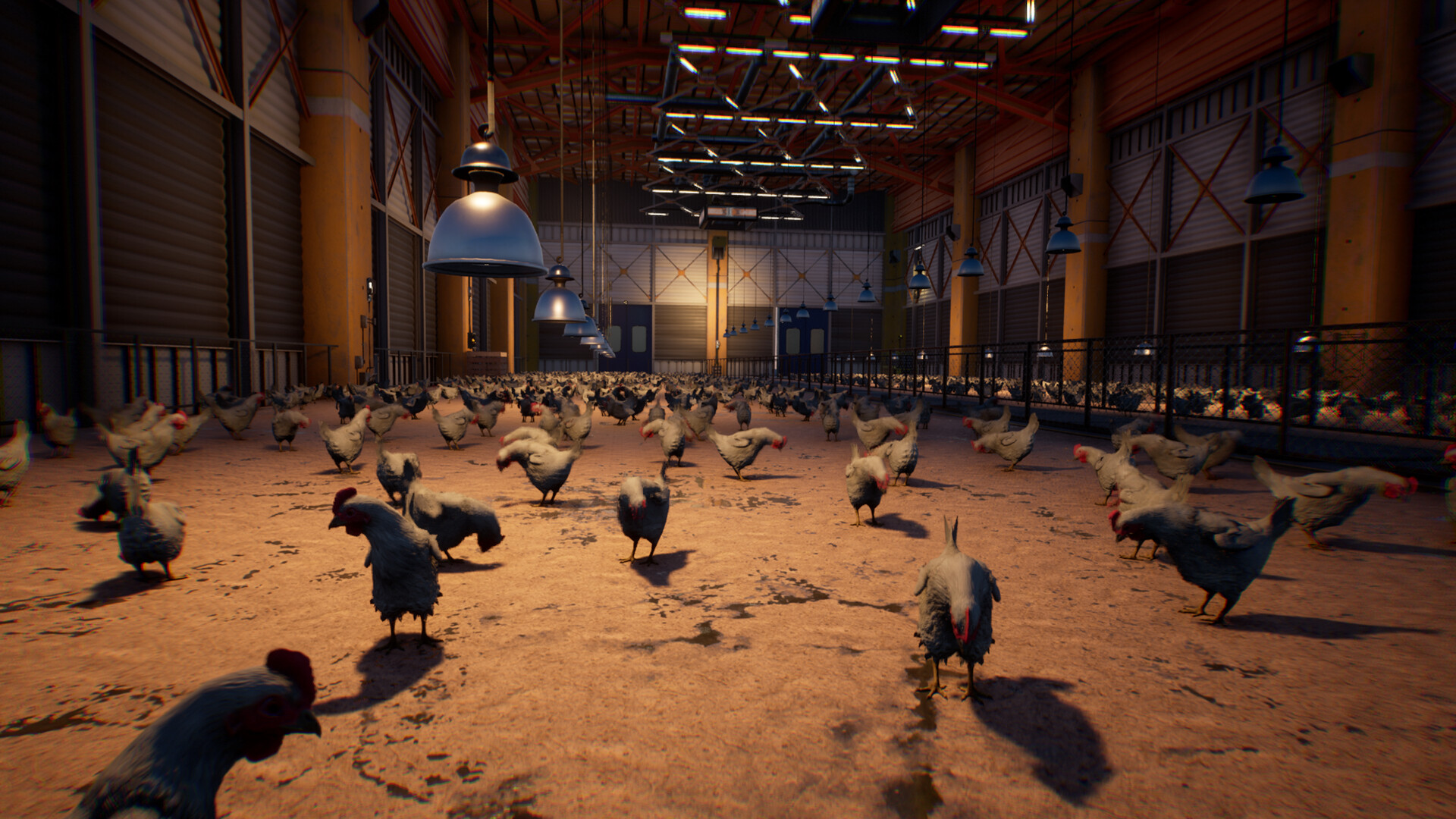
Saborus drops you into the role of a plucky chicken trapped in a nightmarish slaughterhouse, where every corridor, conveyor belt, and shadowed back room conceals a new threat. High Room Studio and QUByte Interactive have built a tight, focused horror experience that mixes stealth, environmental puzzles, and breathless chase sequences into a compact, relentless loop.
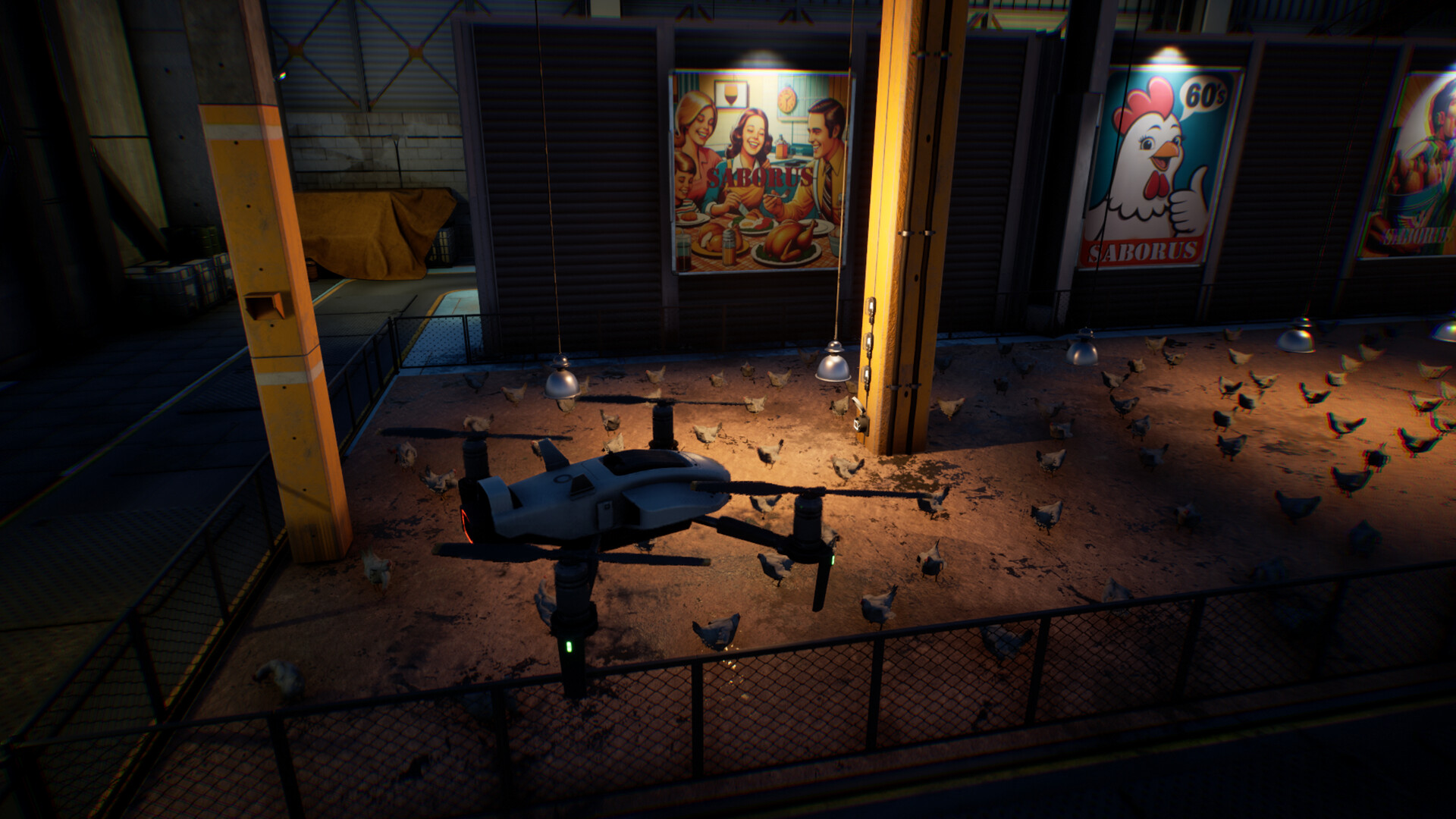
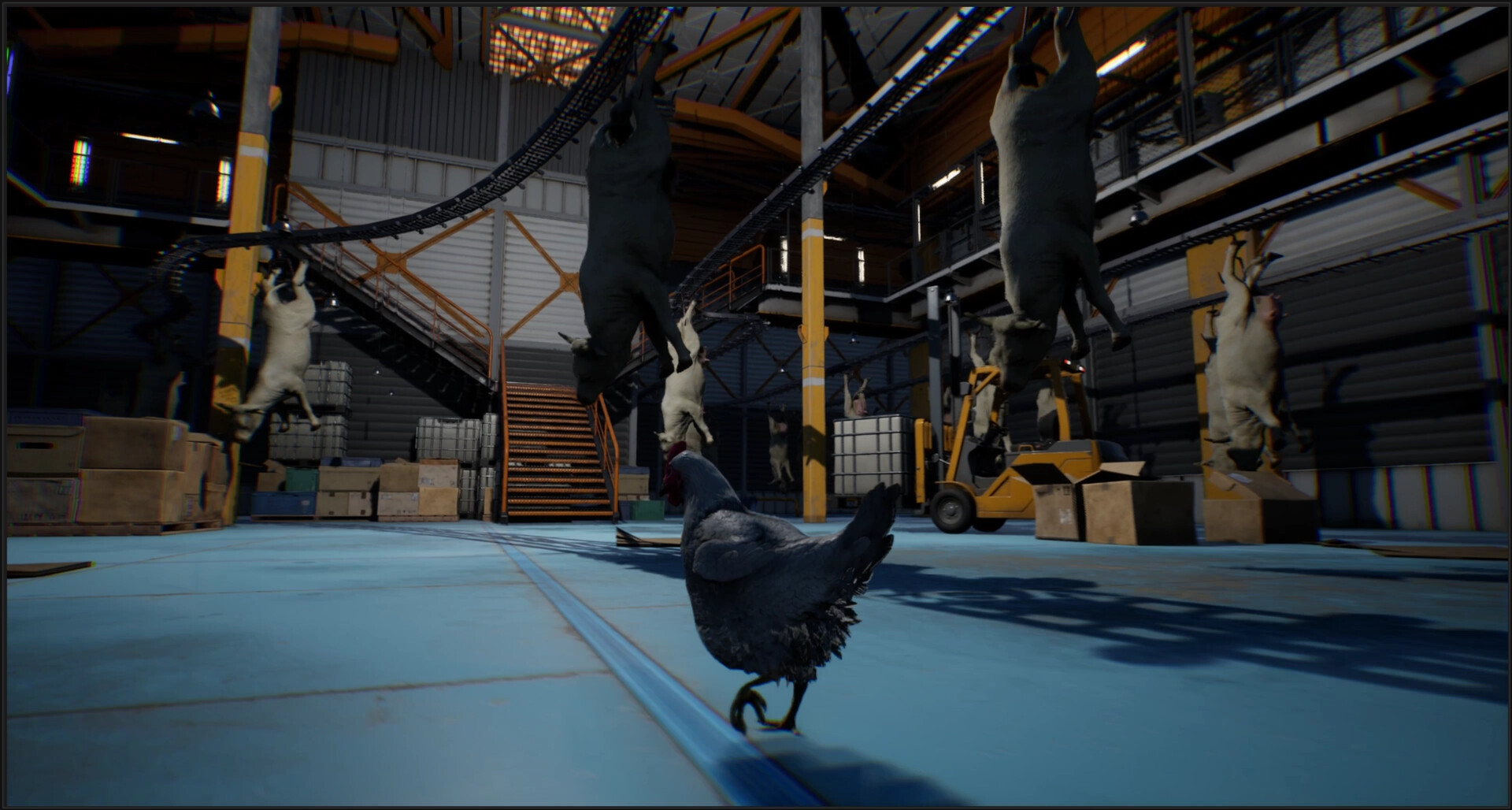
The game’s premise is immediately arresting: small, vulnerable, and oddly sympathetic, your protagonist upends expectations and forces you to think like prey. Levels are claustrophobic and mechanically rich: rusted machinery, narrow service tunnels, and humming processing lines become both obstacles and tools, and the design constantly nudges you toward improvisation.
Sound and atmosphere do heavy lifting here: metallic groans, distant footsteps, and sudden, dissonant cues ratchet tension to a near‑constant edge, while flashes of dark, nervous humor break the dread at just the right moments. The result is a memorable, unsettling ride that feels original and thematically pointed, even when it leans into moments of chaotic panic.
Core loop and gameplay
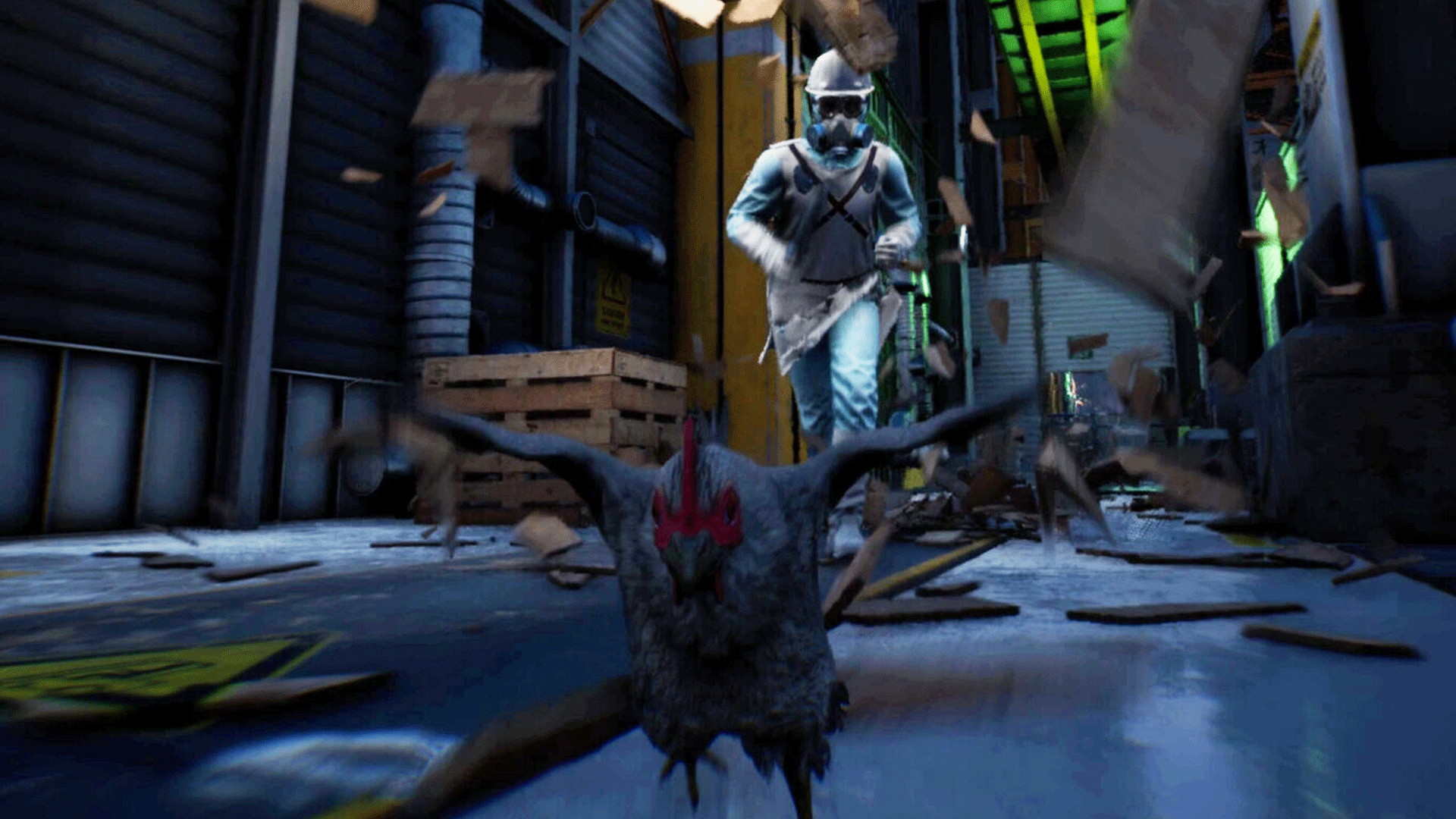
The game’s loop is a tight, escalating rhythm of sneak, solve, and escape. You spend most of your time reading patrol routes, timing dashes between cover, and using the slaughterhouse itself as a toolkit: tossing objects to distract guards, tripping switches to reroute conveyors, or jamming doors to buy a few precious seconds. Encounters favor improvisation: a single mistimed step or a clattering prop can turn a calm corridor into a frantic scramble, and those moments of panic are where the design shines.
Puzzles are mechanical and tactile rather than abstract. Expect to rewire machinery, balance pressure plates, and chain simple devices together so that one clever nudge opens a new path. The variety is thoughtful: some rooms reward patient observation and stealthy manipulation, while others force quick thinking under pursuit, creating a satisfying contrast between methodical problem solving and breathless escape.
Stealth systems are forgiving enough to encourage experimentation but strict enough to make consequences meaningful. Audio cues and environmental tells: metallic groans, distant footsteps, the hum of processing lines, become essential signals you learn to read. As you progress the game nudges you toward creative solutions, rewarding players who treat the slaughterhouse as a set of interlocking hazards and tools rather than a static backdrop.
Social play and replayability
Saborus is firmly a singleplayer, narrative‑first experience that prioritizes atmosphere and tension over social features. Its design rewards solitary play: quiet observation, careful timing, and the slow accumulation of knowledge about patrol routes and environmental tells are central to success. There’s no co‑op or competitive mode to lean on, this is an intimate, often claustrophobic solo ride.
Replay value is driven by systems rather than modes. Players can revisit levels to test alternate stealth approaches, exploit different environmental tools, or hunt for hidden nooks and optional interactions that reveal new beats. Tight chase sequences and emergent panic moments invite repeat runs: shaving seconds off an escape, triggering a different chain reaction, or deliberately courting chaos all produce fresh, memorable outcomes.
The game’s unusual protagonist and striking set pieces give each run a distinct flavor, encouraging at least one replay to see missed details or try a bolder tactic. That said, the overall scope is compact; without additional rooms, challenge modes, or post‑launch content, long‑term replayability is limited. Future updates that add optional objectives, time trials, or new areas would significantly extend the game’s staying power.
Rough edges and launch notes
The game’s ambition is occasionally undercut by technical instability. Several players have reported hard crashes and progression‑blocking bugs, common complaints include being kicked to the desktop mid‑run and, on reload, spawning beneath the level geometry and falling indefinitely with no chapter select or reliable checkpoint to recover from. Those failures can turn what should be tense, satisfying runs into frustrating dead ends, especially for players who prefer objective‑driven play or longer sessions.
These issues aren’t universal, but they’re serious enough to affect pacing and trust: a single crash can erase progress and force a restart from the last autosave or the beginning of a section. Expect the developer to prioritize patches and quality‑of‑life fixes in the near term; community reports suggest fixes are the most likely path to stability. In the meantime, treat play sessions as fragile, save often where possible, avoid long uninterrupted runs until recent patches land, and check official channels for hotfix notes before diving back in.
Length, value, and accessibility
Saborus is a compact, tightly focused experience, intense and deliberately narrow rather than sprawling. Its strengths lie in atmosphere, premise, and a handful of standout set pieces, so its value hinges on how much you prize originality and mood over sheer runtime. Expect a concentrated run of memorable, high‑tension moments rather than a long campaign.
Price and timing matter: at a modest indie price the game feels low‑risk, but early‑patch instability can affect that value proposition. If you’re sensitive to lost progress or prefer polished releases, waiting for a few post‑launch updates is reasonable; if you enjoy helping shape an indie title and can tolerate rough edges, it’s worth diving in sooner.
Accessibility is limited in the current build. Options for reducing jump scares, motion intensity, or sensory overload aren’t prominent, so players with sensitivity to sudden audio/visual shocks should consult community notes and settings before playing. A clearer accessibility menu and more granular toggles would broaden the game’s appeal and are sensible priorities for future patches.
Final Verdict
Saborus is a daring indie horror that sticks in the memory thanks to one audacious conceit, playing as a vulnerable chicken trapped in a hostile slaughterhouse, and it largely delivers on that promise. The game excels at building sustained dread through tight stealth encounters, tactile environmental puzzles, and set pieces that flip from tense to darkly comic in a heartbeat. Those moments of frantic improvisation and narrow escapes are where the design feels most alive.
That strength is tempered by real caveats. Technical instability and progression‑breaking bugs can turn a satisfying run into a frustrating restart, and the overall runtime is compact, leaving some players wanting more once the core beats have landed. Still, the game’s originality, atmosphere, and knack for emergent panic make it an easy recommendation for players who prize novelty and high‑tension design over length and polish.
If you enjoy short, intense horror experiences and don’t mind riding out a few early‑patch quirks, Saborus is a compelling, unsettling ride, one to play now if you like shaping indie projects with feedback, or to watch closely as it improves.
Watch and Wishlist
• Why wishlist: Be notified of stability patches, checkpoint/chapter fixes, and any new rooms or modes that expand replayability.
• Platforms to track: PC / Steam first (primary launch); watch for ports to Switch, PlayStation, and Xbox.
• How to stay informed: Wishlist and follow the Steam page; join the developer’s Discord; follow High Room Studio and QUByte Interactive on Twitter/X and other social channels for patch notes and roadmap posts.
• Price perspective: $14.99, reasonable for a short, original indie horror; consider waiting for a sale if you prefer a more polished post‑patch experience.
Key Takeaways
• Original hook: Playing as a vulnerable chicken in a hostile slaughterhouse gives the game a memorable, thematically pointed identity.
• Tense stealth loop: Gameplay centers on reading patrols, creating distractions, and timing escapes, stealth and improvisation drive the experience.
• Tactile puzzles: Mechanical, environment‑based puzzles reward observation and creative use of the slaughterhouse’s tools and hazards.
• Atmosphere carries it: Claustrophobic level design, metallic soundscapes, and sudden audio cues sustain dread and immersion.
• Darkly funny moments: Panic and chaotic sequences often flip fear into nervous laughter, adding tonal variety.
• Replayability via systems: Replay value comes from experimenting with different stealth approaches and triggering alternate emergent moments.
• Technical instability: Crashes and progression‑blocking bugs have been reported; they can disrupt runs and make longer sessions risky.
• Compact scope: The experience is short and focused; strong on moments, limited on runtime unless expanded post‑launch.
• Value depends on tolerance: At its price point, it’s a low‑risk pick for novelty seekers; cautious players may prefer to wait for patches.
• Worth watching: A compelling, unsettling indie that’s worth playing or following as fixes and additional content arrive.
Game Information:
Developer: High Room Studio
Publisher: QUByte Interactive
Platforms: PC (reviewed), Nintendo Switch, Xbox, PlayStation 4, PlayStation 5
Release Date: November 20, 2025
Reviewed by: Justin Garcia
Reviewed on: February 2, 2026
Score: 5.0 / 10 👎

⭐⭐⭐⭐⭐☆☆☆☆☆
Saborus earns points for a bold premise and moments of genuine atmosphere, but technical instability, progression‑breaking bugs, and a compact runtime drag the experience down. The stealth and puzzle systems show promise and produce tense, memorable beats, yet frequent crashes and limited accessibility options make the game feel unfinished at launch. Worth watching for future patches, but not yet a reliable recommendation for players who expect polish and longevity.
“5.0 / 10 - A striking idea hampered by rough execution: compelling in flashes, frustrating in practice.”
