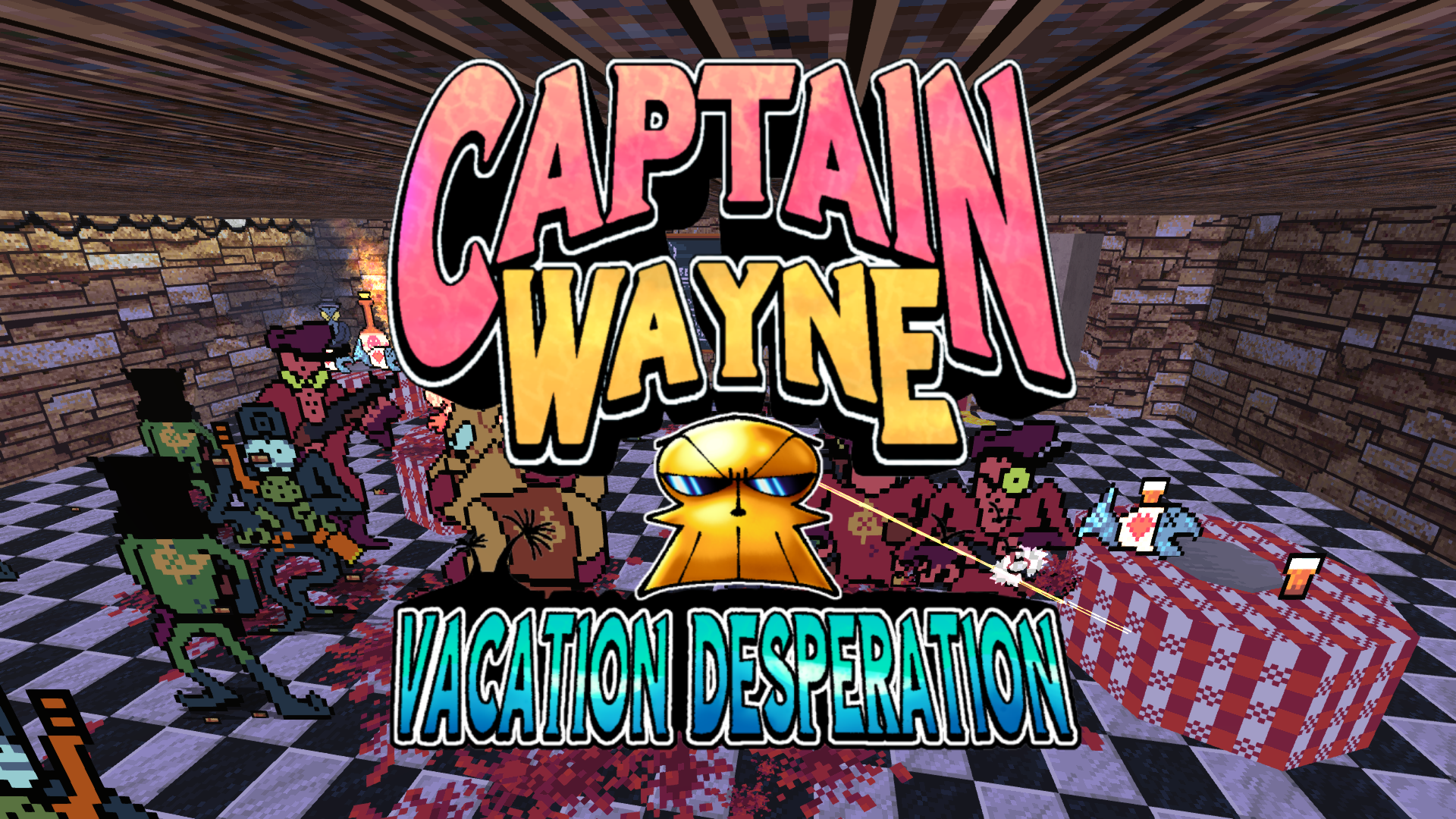
Captain Wayne: Vacation Desperation detonates with hand‑drawn, ink‑drenched visuals and breakneck retro shooter action, grafting a double‑barreled shotgun onto a sailor’s arm and sending him on a gleefully gory rampage across Orca Isle. Released November 25, 2025 by Ciaran Games LLC and published by Silver Lining Interactive, the game fuses frantic boomer‑shooter gunplay with over‑the‑top animated cutscenes, a ripping, adrenaline‑driven soundtrack, and an endless arena mode that keeps the chaos replayable, equal parts cartoon carnage and twitch‑focused design that rewards speed, improvisation, and a taste for glorious destruction.
Gameplay Loop and Systems
Core loop
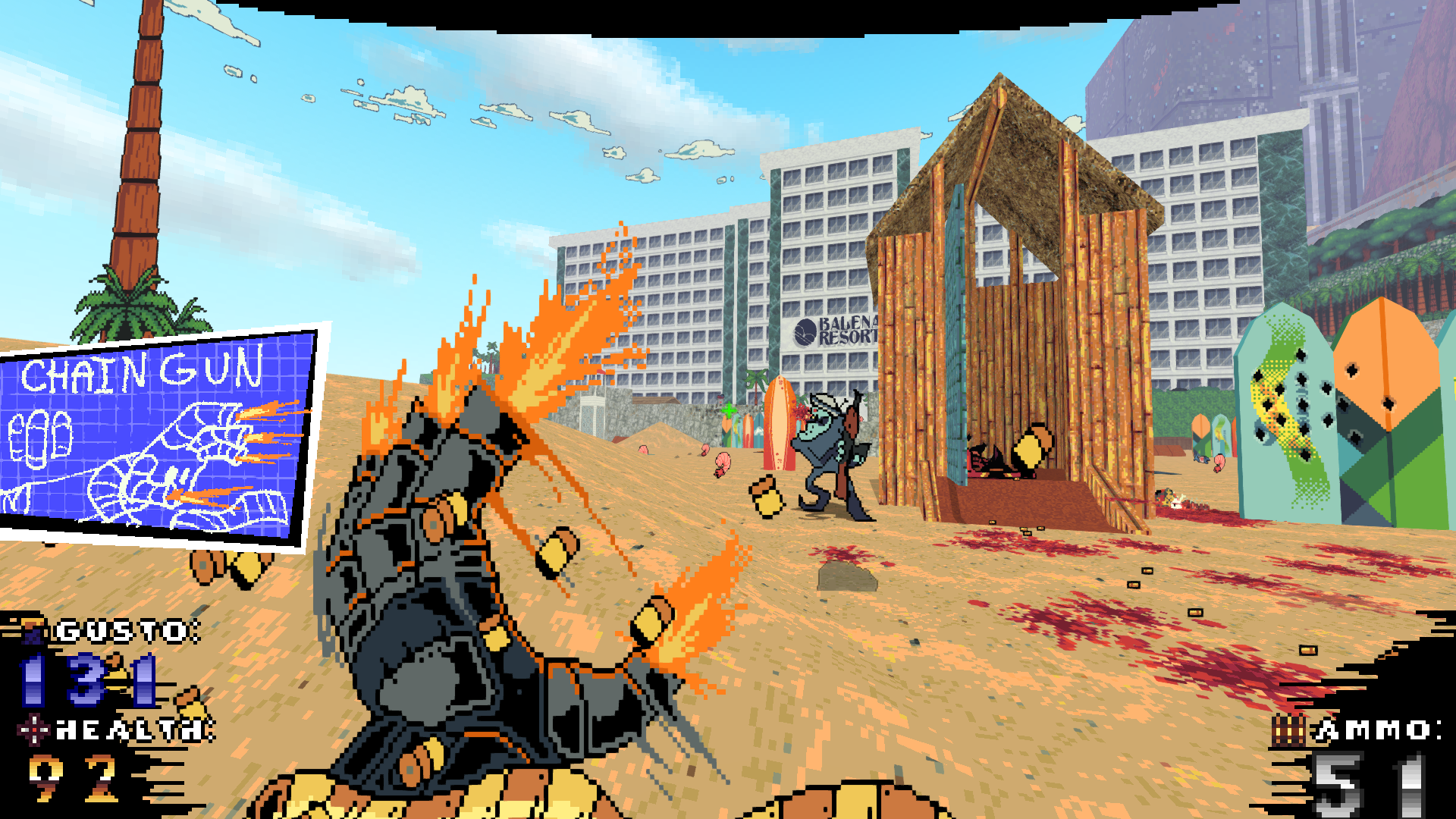
• Shoot, survive, adapt: Move fast, read the room, and string momentum through aggressive play. Encounters reward mobility and timing; dash into cover, lay down suppressing fire, then finish with a brutal melee or explosive for maximum payoff.
• Distinct weapon identities: Each tool feels purposeful; The Captain’s Ol’ Reliable is devastating at close range; chain‑gun fingers shred crowds; throwables create controlled chaos; thunder palms stagger heavy foes; and melee delivers satisfying, up‑close finishers. Weapon swaps and ammo management encourage on‑the‑fly strategy rather than button‑mashing.
• Emergent combos and synergies: Weapons interact in fun ways; blast an enemy with shotgun knockback, then follow up with a chain‑gun barrage while they’re airborne, or use explosives to herd foes into a thunder palm stun. Learning these synergies is as rewarding as mastering raw aim.
• Risk versus reward under pressure: Levels force split‑second prioritization: do you clear a room for extra loot or sprint for the exit to preserve health and momentum? Late stages amplify this tension with denser enemy mixes and faster attack patterns that punish hesitation.
• Short, intense loops that scale: Runs are compact and punchy, making each success feel earned. The campaign teaches tools and pacing, while endless arenas strip everything down to pure survival and score optimization.
Design influences and engine
• Built in GZDoom: Captain Wayne channels classic FPS energy into a 2D billboard shooter, marrying old‑school Doom‑era momentum with modern scripting and visual tricks. The engine’s sprite‑based approach preserves that retro, sprite‑forward aesthetic while letting the developer layer in particle effects, dynamic lighting, and complex enemy behaviors that feel fresh rather than dated.
• Retro roots, modern execution: Influences from boomer shooters and arcade run‑and‑gun classics show up in the game’s pacing, enemy design, and emphasis on movement and weapon mastery; GZDoom’s flexibility lets those influences be expressed with hand‑drawn art, animated cutscenes, and tight encounter scripting.
• Quirks turned strengths: Engine limitations (billboarded enemies, tile‑based maps) become stylistic choices that amplify charm and readability in hectic fights, while mod‑friendly tooling and community conventions around GZDoom make the game feel like a high‑quality, lovingly crafted Doom conversion with its own identity.
Presentation and Tone
Visuals and animation
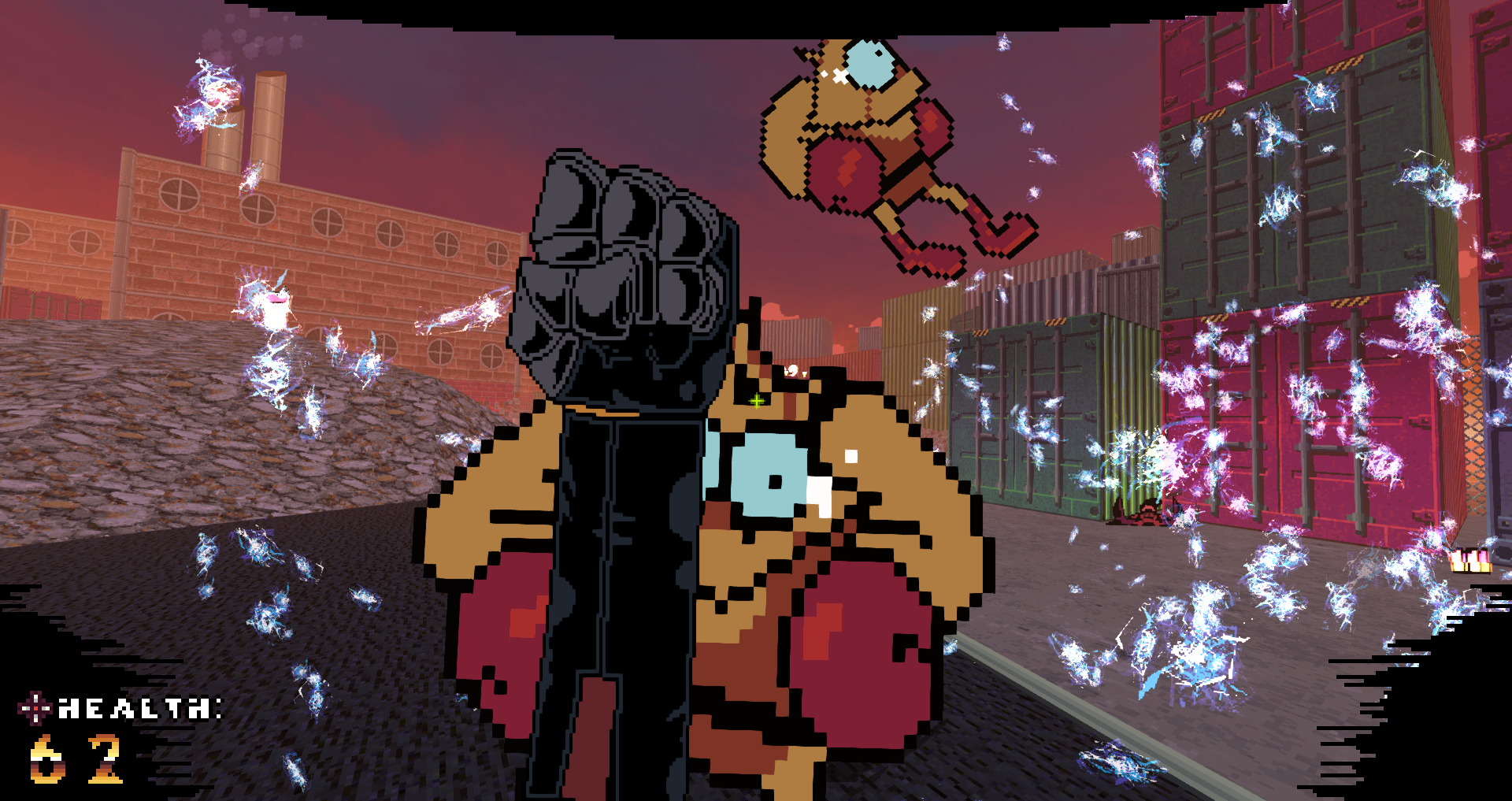
Elaborately hand‑drawn frames give the game a bold, ink‑drenched personality; every sprite feels sketched and alive, with thick linework, gritty textures, and exaggerated silhouettes that read instantly in the chaos of combat. Motion is emphasized with smear frames, motion lines, and judicious screen shake, so even brief encounters feel cinematic and kinetic.
Cutscenes lean into a flash‑era aesthetic but with modern polish: crude, Newgrounds‑style timing and crude humor are preserved, while smoother frame transitions and layered compositing keep the sequences from feeling rough around the edges. The result is a cartoonish, over‑the‑top presentation that amplifies the game’s comedic gore rather than undercutting it.
• Expressive character animation: Wayne’s poses, facial contortions, and weapon flourishes sell personality in every beat; enemies react with readable, satisfying hits and ragdoll‑adjacent flops.
• Stylized effects: Ink splatters, exaggerated blood decals, and punchy particle bursts make kills feel visceral without leaning into realism.
• Readable chaos: Despite the visual noise, the art prioritizes clarity; important telegraphs, enemy silhouettes, and weapon arcs remain distinct so gameplay never gets lost in the spectacle.
Audio
A high‑octane retro soundtrack drives the game’s momentum, turning each firefight into a pulse‑pounding set piece. The score leans into aggression and pace, using driving percussion, distorted synths, and punchy stingers to amplify every dash, reload, and explosive finish.
Impactful sound design complements the music: weapon blasts, ricochets, and explosive Foley are mixed to feel heavy and immediate, while enemy cues and hit sounds provide clear combat feedback that rewards precise play. Dynamic layering keeps the audio from feeling static; music swells on big encounters and pulls back for quieter, tense moments.
Accessibility and polish notes: a handful of players report cutscene audio clarity issues; adding subtitles, clearer voice mixing, and separate volume sliders for dialogue, SFX, and music would greatly improve comprehension and accessibility without diluting the soundtrack’s intensity.
Character and story
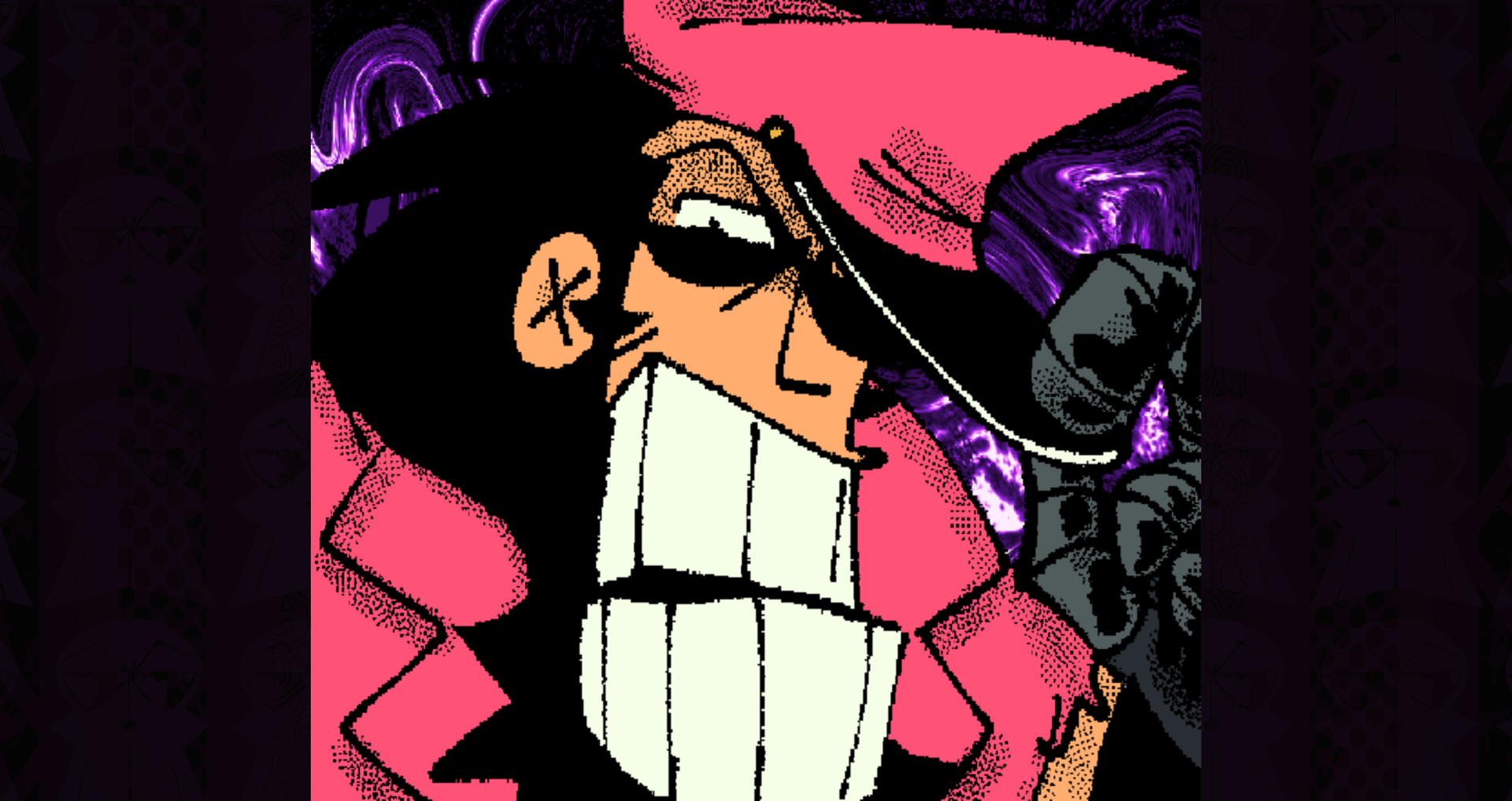
Captain Wayne is a loud, hot‑pink, cigar‑huffing antihero with a double‑barreled shotgun grafted where his arm used to be. He’s equal parts swagger and spite: a salty, cartoonish rogue driven by a personal vendetta against the Killer Whales mercenaries and the Vampire Whale that cost him his limb. His exaggerated mannerisms, one‑liners, and visual design make him instantly memorable and keep the tone gleefully over the top.
Narrative framing
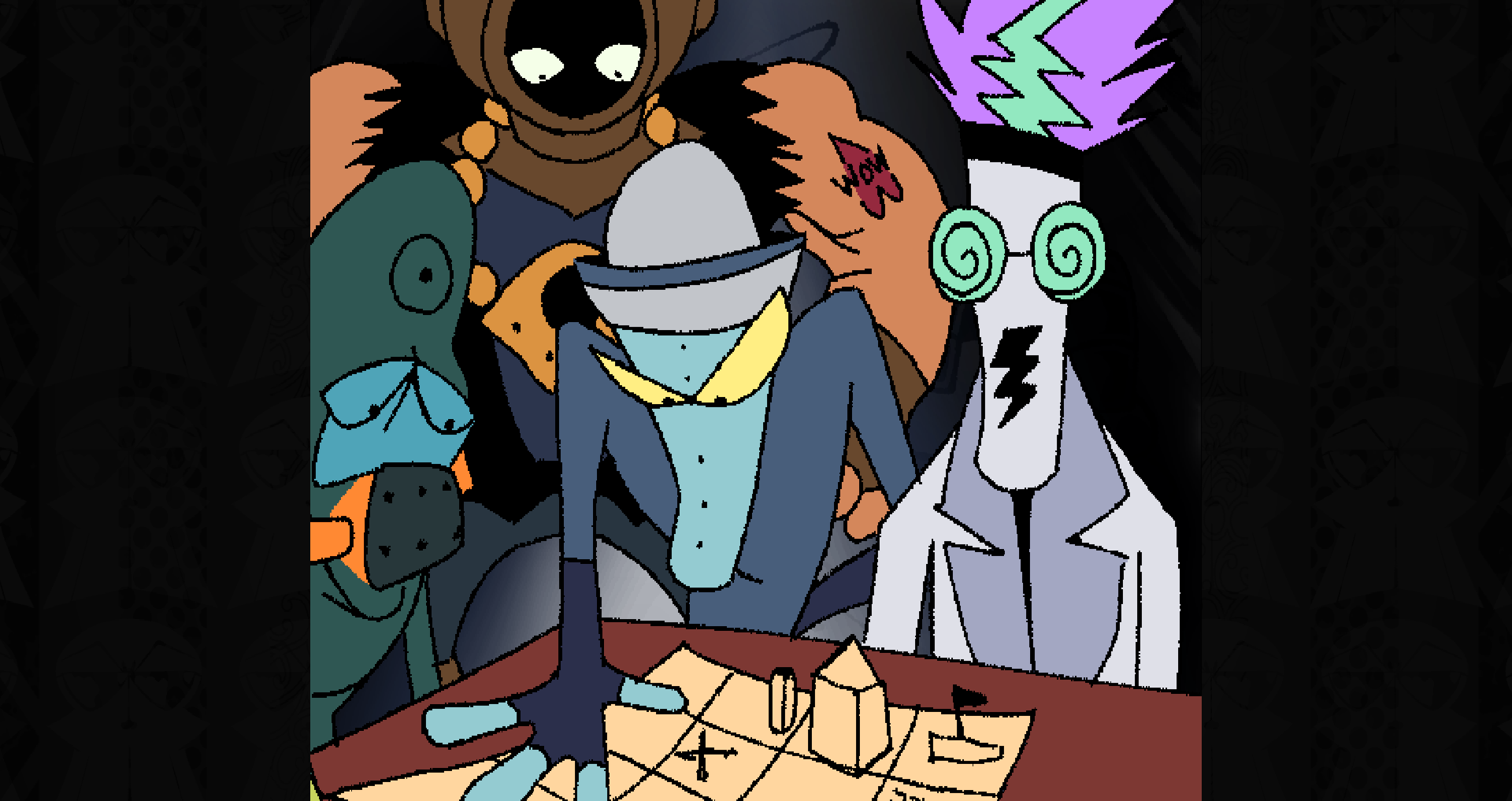
The campaign plays like half game, half animated serial; hand‑drawn cutscenes punctuate the action and turn Wayne’s revenge into a rollicking, ink‑drenched cartoon. These sequences lean into crude, Newgrounds‑era timing and dark humor while still advancing character and stakes, so the story never feels like mere filler between firefights.
Themes and tone
The plot balances pulp revenge and slapstick brutality: it’s a revenge tale told through gory set pieces and absurdist comedy. The writing leans into caricature rather than realism, which lets the game get away with extreme violence while keeping the mood playful and cathartic.
Supporting cast and stakes
A rogues’ gallery of Killer Whales lieutenants, corrupt aristocrats, and bizarre island denizens populate Orca Isle, each encounter revealing a bit more about Wayne’s past and the world he’s tearing through. Boss fights and set‑piece confrontations are used to escalate stakes and showcase the Captain’s evolving arsenal.
Player impact and pacing
Story beats are compact and punchy, designed to complement the fast gameplay rather than slow it down. That said, some cutscenes suffer from audio clarity; adding subtitles and tighter voice mixing would preserve the humor and ensure the narrative lands for all players.
Replay value
The campaign’s cartoon framing and memorable moments encourage replaying for different weapon approaches and to savor the animated sequences, while the endless arenas let players keep testing Wayne’s limits long after the main story ends.
Modes and Content
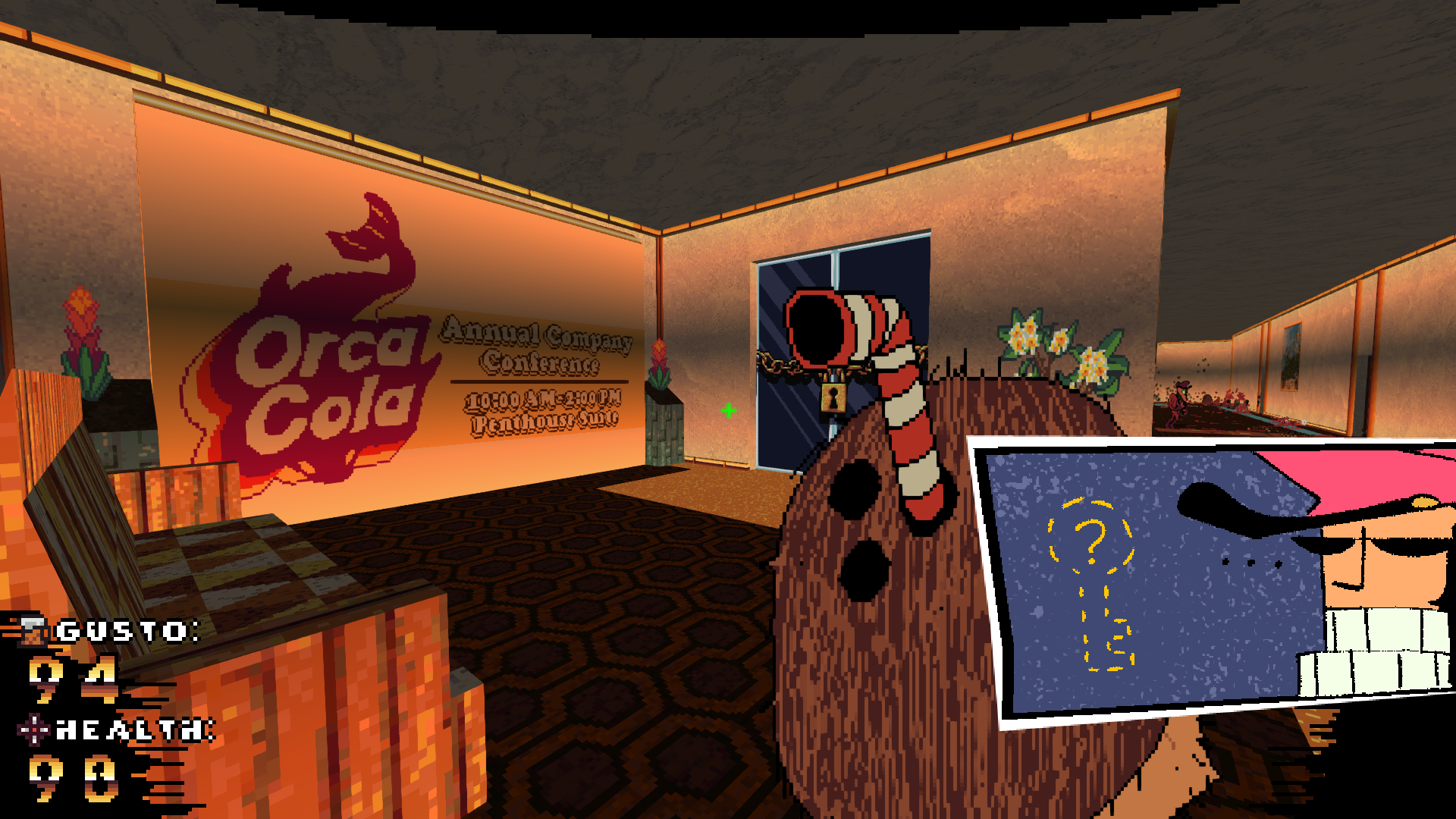
• Campaign Mode: Nine carefully crafted levels map Wayne’s revenge across Orca Isle, mixing tight combat arenas, set‑piece boss fights, and animated interludes. Most players will finish a straightforward run in about five hours without exhaustive secret hunting, but optional routes, hidden caches, and weapon upgrades reward exploration and repeat play. Checkpoint placement and pacing keep momentum high, so the story rarely stalls between firefights.
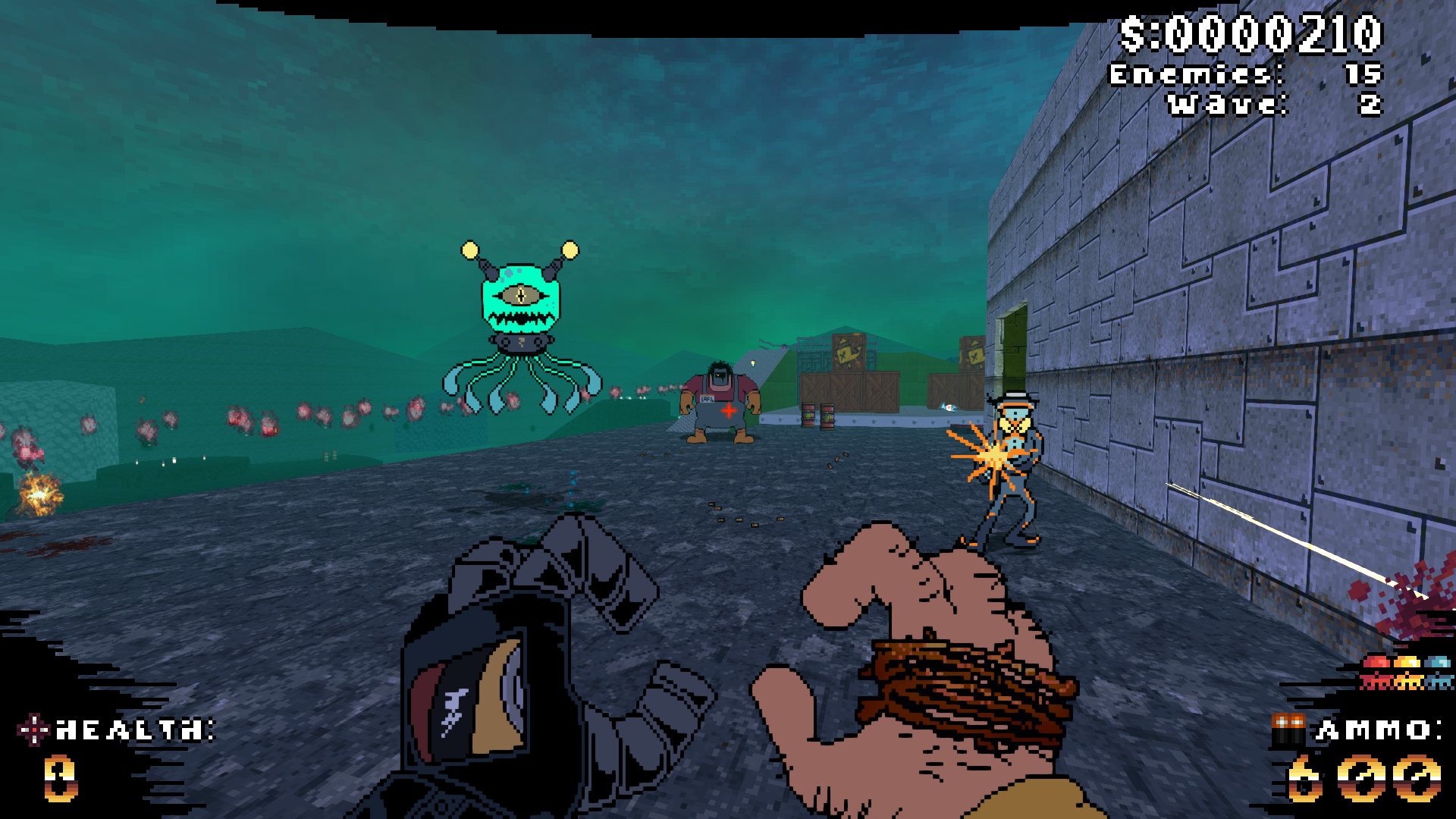
• Endless Mode: Eight challenge arenas strip the campaign down to pure survival and score chasing, with escalating waves that test reflexes, prioritization, and weapon mastery. Perfect for leaderboard grinders and practice sessions, arenas encourage experimentation with loadouts and teach the synergies you’ll need in late‑game campaign encounters. Short runs and clear scoring make it easy to iterate and improve.
• Replayability: Fast, movement‑focused combat, distinct weapon roles, and varied enemy archetypes create emergent encounters that change with each run. Multiple viable approaches, unlockable gear, difficulty modifiers, and a compact runtime combine to reward both casual replays and hardcore optimization. Whether you’re chasing high scores, alternate strategies, or every secret, the game’s systems keep runs feeling fresh.
Strengths
• Frenetic, responsive gunplay: Movement and weapon balance are tuned for momentum: dashes, recoil, and weapon swaps flow together so skilled play feels fluid and expressive. Encounters reward experimentation and quick decision‑making, turning every room into a short, intense puzzle of positioning and firepower.
• Distinct, memorable tone: Hand‑drawn, ink‑heavy visuals and irreverent, pulp‑style writing give the game a personality that sticks with you. The cartoonish gore and swaggering protagonist make even routine fights feel like set pieces, and the humor keeps the violence playful rather than grim.
• Great value and tight pacing: A compact runtime and a robust endless mode deliver a lot of entertainment for a modest price, with little filler between the action. Levels are designed to keep momentum high, so sessions feel satisfying whether you have five minutes or a few hours.
• Two modes for different moods: The campaign blends story and progression for players who want structure and escalating set pieces, while the arenas offer pure twitch survival for score chasers and practice runs. Both modes reinforce the core systems, so switching between them sharpens skills and extends replayability.
Weaknesses
• Audio clarity in cutscenes: Dialogue is often muffled or buried under music and effects, which blunts the humor and story beats; adding subtitles, a dedicated dialogue volume slider, and tighter voice mixing would preserve the charm of the animated sequences and make them accessible to more players.
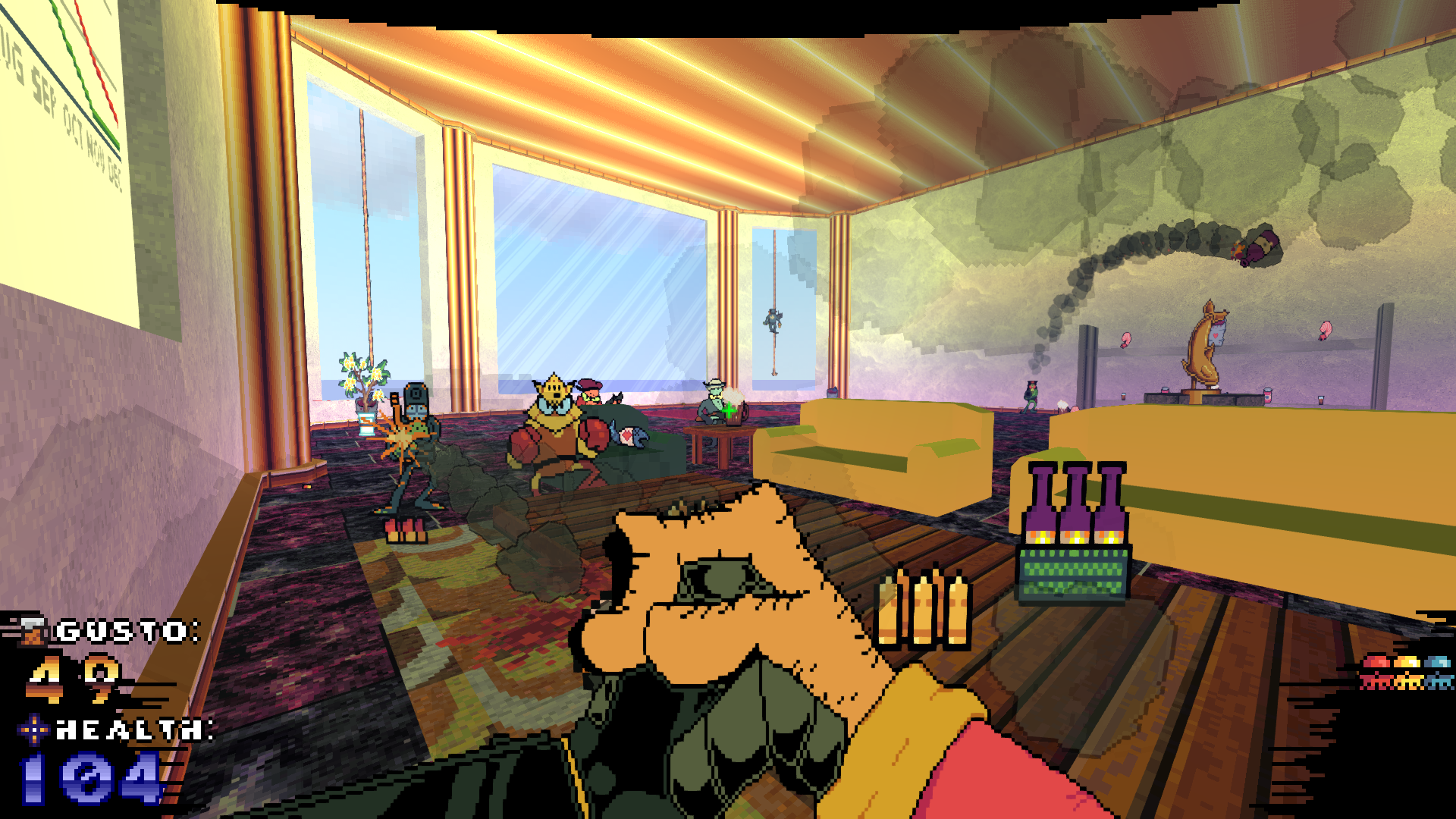
• Limited environmental interactivity: Levels feel visually rich but largely static; more destructible props, reactive set pieces, and physics‑driven hazards would deepen tactical options, reward creative play, and make encounters feel less repetitive.
• Occasional difficulty spikes: Late‑game encounters can jump in intensity without clear telegraphs or intermediate checkpoints, which breaks momentum for some players; smoother difficulty scaling, optional assist settings, and better telegraphing of elite enemy behaviors would reduce frustration while preserving the game’s challenge.
Final Verdict
Captain Wayne: Vacation Desperation is a riotous, hand‑drawn retro shooter that proves small teams can still deliver enormous personality and deeply satisfying combat. Its breakneck movement, distinct weapon roster, and ink‑drenched visuals combine into a relentless, joyfully violent romp; perfect for players who crave twitch‑focused encounters wrapped in pulpy, cartoon revenge.
At its best the game is addictive: short, tightly paced campaign runs teach you tools and tactics quickly, while the endless arenas offer a relentless test of skill and score‑chasing. A handful of accessibility and polish fixes; subtitles, cleaner cutscene mixing, and more reactive environments, would elevate it from an excellent indie standout to an essential pick for anyone who loves fast, expressive shooters.
Watch and Wishlist
• Why wishlist: Hand‑drawn campaign beats, frantic arena modes, and tight weapon tuning mean patches (balance, QoL, new arenas) noticeably change the play loop; wishlisting gets you demo invites, patch alerts, and sale notices.
• Who should watch: Fans of boomer‑shooter twitch combat and fast movement; players who love weapon variety, cartoonish gore, and pulpy revenge stories; streamers who want loud set‑pieces and short, replayable runs.
• What to expect from updates: Balance passes for weapons and enemy spawns, QoL fixes (subtitles, clearer cutscene audio, dialogue volume slider), performance/Deck tweaks, occasional new weapons or arena content, and leaderboard or scoring improvements.
• Best times to buy: Right after a major QoL or balance patch, or during seasonal sales for the best value; buy on launch if you want to support the dev and don’t mind early rough edges.
• Platforms to track: PC (Steam + Steam Deck support and demo); watch for announcements about macOS, Linux, and console ports (PlayStation, Xbox, Switch).
• How to stay informed: Wishlist on Steam, follow Ciaran Games and Silver Lining Interactive on social channels, join the game’s Discord, and watch devstreams and Steam news posts for patch notes and demo windows.
• Quick verdict for wishlisters: Wishlist Captain Wayne: Vacation Desperation to catch demos and post‑launch fixes; pick it up after a subtitles/audio patch if you want the full cartoon story to land cleanly, or grab it at launch if you’re here for immediate, chaotic fun.
Key Takeaways
• High‑octane retro shooter: Hand‑drawn, ink‑drenched visuals and a driving synth‑heavy soundtrack turn every firefight into a cinematic, pulse‑pounding set piece.
• Twitchy, rewarding combat: Fast movement, distinct weapon roles, and tight feedback make skill and experimentation feel meaningful.
• Strong personality: Captain Wayne’s over‑the‑top swagger, crude animated cutscenes, and irreverent writing give the game a memorable, cartoonish tone.
• Two compact modes: A short, punchy campaign teaches tools and pacing; eight endless arenas offer score chasing and high‑intensity practice.
• Excellent value for fans: Short runtime, replayability, and a modest price point deliver a lot of entertainment per dollar.
• Polish and accessibility fixes needed: Subtitles, clearer cutscene audio, and more reactive environments would significantly improve clarity and longevity.
• Who will love it: Players who enjoy boomer‑shooter momentum, weapon variety, and chaotic, replayable arcade action.
• Who should wait: Those who need polished dialogue presentation or deeper environmental interactivity may prefer to buy after QoL patches.
Game Information:
Developer: Ciaran Games LLC
Publisher: Silver Lining Interactive
Platforms: PC (reviewed)
Release Date: November 25, 2025
Score: 9.0 / 10
A wildly confident indie shooter that pairs handcrafted, ink‑drenched presentation with razor‑sharp, movement‑first combat. It’s loud, funny, and relentlessly playable; a few accessibility and polish fixes would make it indispensable.
“9.0 / 10 - A riotous, hand‑drawn shooter with razor‑sharp, movement‑first combat and enormous personality; near‑perfect once a few polish fixes land.”