Deep Space Exploitation: Asteroid Anarchy - Tense, destructible puzzles in micro‑space heists (Game Review)

Deep Space Exploitation is a compact, physics‑driven space‑mining game that turns chaotic, fully destructible asteroids into tense puzzles of risk and reward. Released on November 6, 2025 for Windows and Steam Deck, it pairs chunky pixel art and diegetic interfaces with emergent 2D physics to deliver tight, improvisational runs at a modest Steam price.
What it is and what you do
Deep Space Exploitation puts you in the battered cockpit of a lone pilot scraping a living from brittle, physics‑driven asteroids. Armed with risky tools and an upgradable ship, you carve, pry, and blast your way through tumbling rock to extract salvage, juggle hull integrity and fuel, and turn hard‑won credits into better gear.
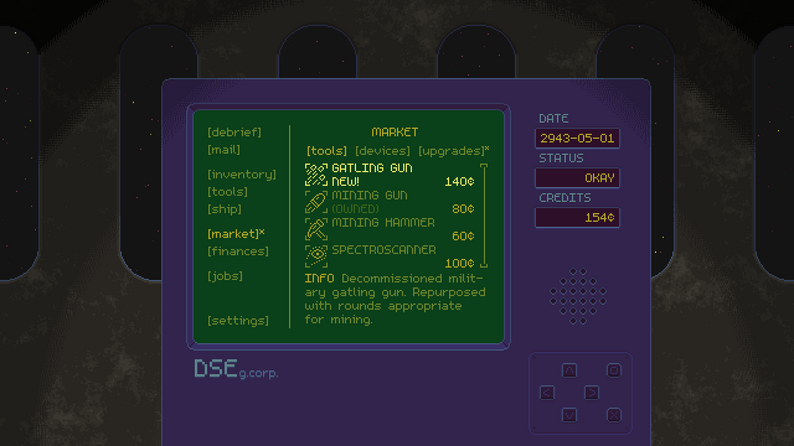
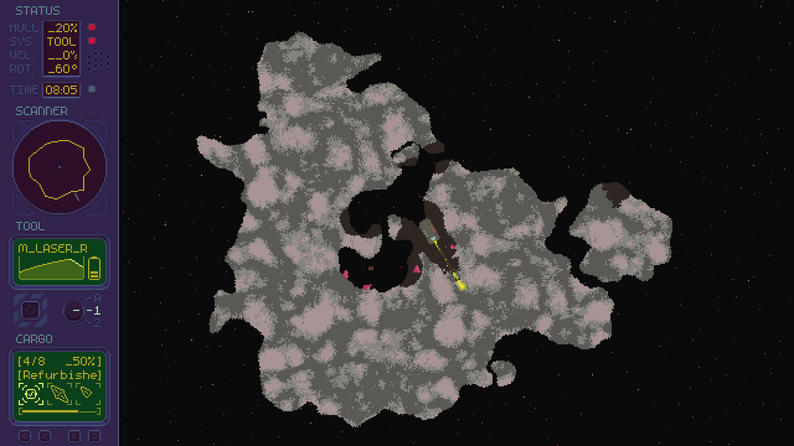
The loop is lean and addictive: mine, survive, sell, upgrade, and push deeper into ever more hazardous fields. Chunky pixel art and diegetic cockpit interfaces keep the experience tactile and immersive, so the HUD feels like part of your ship rather than a detached overlay.
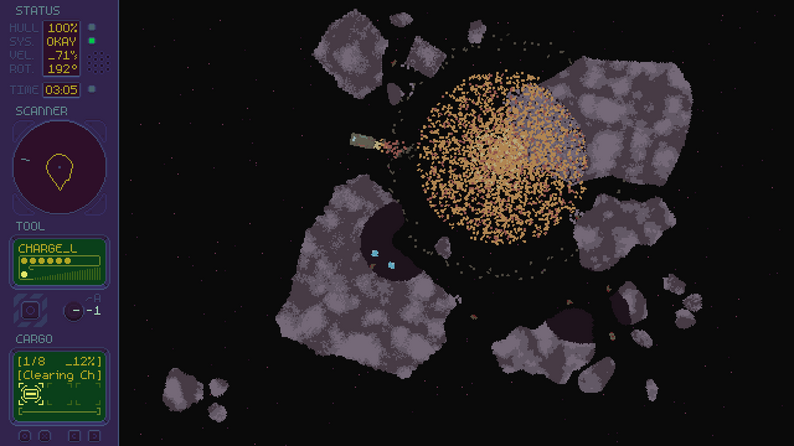
• Physics as puzzle: Fully destructible asteroids behave like mechanical puzzles: blast away layers, wedge tools into seams, or nudge whole chunks to expose veins of ore while avoiding catastrophic breaches. The emergent 2D physics rewards both careful planning and chaotic improvisation depending on your approach.
• Meaningful tradeoffs: Equipment choices and upgrade paths force constant compromises between speed, safety, and profit; every run becomes a strategic balancing act where one misstep can wipe out a day’s earnings.
• Compact, branching narrative: A short, choice‑driven story threads through the runs, framing your grind as survival under an exploitative corporation; multiple endings reflect the risks you take and the alliances you forge, adding weight to otherwise mechanical decisions.
Presentation and tone
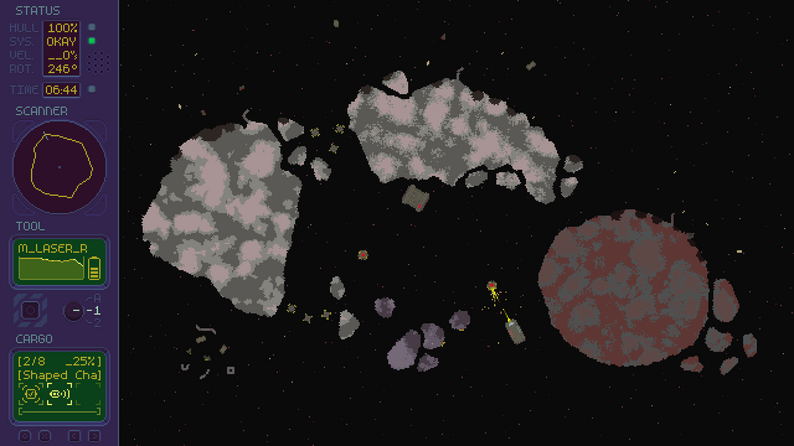
The game’s chunky pixel visuals and richly detailed, diegetic interfaces give it a tactile, retro sci‑fi identity; everything feels like it belongs inside your cockpit.
A moody soundtrack and crisp SFX amplify both the tension of tight runs and the quiet, satisfying payoff of a profitable haul, turning routine salvages into small victories.
Community chatter on Steam has been warm, with players repeatedly praising the score and the way emergent physics create clever, improvisational problem‑solving moments.
Development and post‑launch support
This is a solo developer’s first commercial project, kicked off in September 2024, and its launch has been accompanied by a steady stream of candid devlogs and active community engagement on Itch and BlueSky.
The developer has kept players involved throughout the process; sharing technical deep dives (one post even reached the front page of Hacker News), posting regular updates, and responding to feedback; creating a transparent, iterative release that feels personal and community‑driven.
Strengths
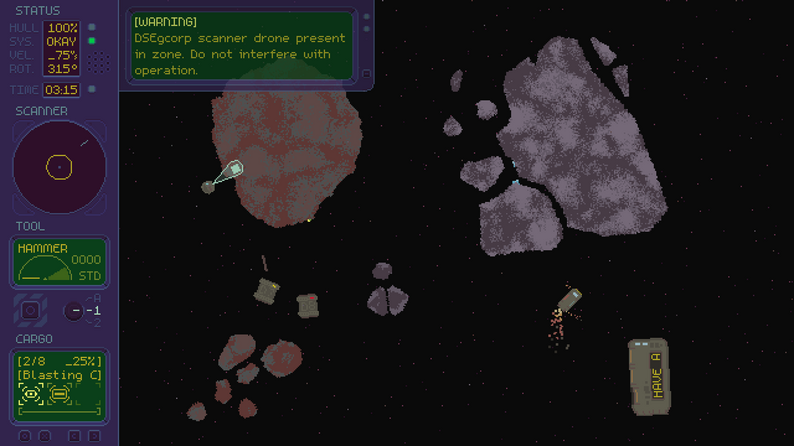
Emergent physics turn every asteroid into a living puzzle, rewarding creative problem‑solving as much as careful planning.
The core risk‑vs‑reward loop is taut and satisfying: every decision about tools, timing, and hull integrity carries weight, and the variety of equipment encourages multiple viable approaches to the same challenge.
Chunky pixel art and diegetic cockpit interfaces give the game a tactile, retro‑sci‑fi personality, while a compact runtime keeps the experience focused and replayable without overstaying its welcome.
Rough Edges
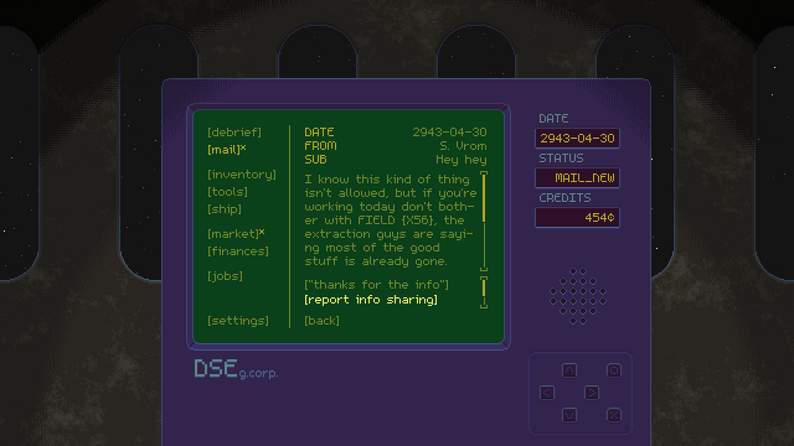
A few usability gaps interrupt the flow: missing mouse support in menus and some UI roughness make navigation feel clunky on desktop.
The narrative, while thematically strong, can sag between key beats unless you chase specific branches, leaving mid‑game pacing uneven for players who prefer a steadier story arc.
These are largely polish issues rather than design failures, and they’d be meaningfully improved by small QoL updates and a bit more narrative connective tissue.
Who will enjoy it
• Fans of physics sandbox games who like destructible environments and improvisation.
• Players who enjoyed Hardspace Shipbreaker or Papers Please for their blend of systems and narrative pressure.
• Speedrunners and puzzle solvers who enjoy squeezing profit from tight constraints.
Final Verdict
Deep Space Exploitation is an impressive first commercial outing: compact, clever, and packed with emergent moments that reward curiosity and improvisation. Its destructible asteroids and physics‑first systems turn each run into a tense puzzle of risk versus reward, and the upgrade loop makes every successful haul feel earned.
At GBP 7.49 / USD 8.99, it’s excellent value; an easy buy for players who enjoy tactile, systems‑driven design, short replayable runs, and creative problem solving. With a solo developer who’s already shown strong community engagement and a willingness to iterate, the game feels poised to get even better with post‑launch polish and QoL updates.
Watch and Wishlist
• Why wishlist: New tools, ship upgrades, asteroid types, and QoL patches (mouse/menu support, UI polish, Steam Deck tweaks) will materially change how runs feel; wishlisting ensures you get demo invites, hotfix alerts, and sale notifications.
• Who should watch: Fans of physics sandboxes and emergent systems; players who like tight risk‑vs‑reward loops (think Hardspace: Shipbreaker vibes); speedrunners and streamers who enjoy creative problem solving and tense, improvisational runs.
• What to expect from updates: Balance and tuning for tools and loot economy, quality‑of‑life fixes (menu/mouse support, HUD clarity, performance/Deck optimizations), bug fixes, occasional new equipment or asteroid biomes, and small narrative tweaks.
• Best times to buy: After a major QoL or balance patch, or during seasonal sales for the best value; buy at launch if you want to support the solo developer and don’t mind early rough edges.
• Platforms to track: Windows (Steam) and Steam Deck now; watch for announcements about macOS, Linux, or console ports.
• How to stay informed: Wishlist on Steam, follow JuhrJuhr on Itch and Bluesky, read the devlogs (TIGsource/Itch), and keep an eye on Steam news and patch notes for demos and updates.
• Quick verdict for wishlisters: Wishlist Deep Space Exploitation to catch demos, patches, and sales; pick it up after a QoL/balance update if you prefer a smoother, more polished run.
Key Takeaways
• Tactile, physics‑first gameplay: Fully destructible asteroids and emergent 2D physics turn each run into a satisfying puzzle of cause and effect; creative solutions are rewarded as much as careful planning.
• Tense risk‑vs‑reward loop: Managing hull integrity, fuel, and time against potential payout makes every decision meaningful; upgrades and equipment choices create compelling tradeoffs.
• Strong presentation for a solo project: Chunky pixel art, diegetic cockpit interfaces, and a moody soundtrack give the game a cohesive retro‑sci‑fi identity that amplifies immersion.
• Compact, replayable experience: Short runs and a focused runtime keep the game tight and addictive without overstaying its welcome; multiple endings add replay value for completionists.
• Polish and UX gaps to watch: Missing mouse/menu support and occasional narrative pacing lulls are noticeable but fixable; these are quality‑of‑life issues rather than core design flaws.
• Excellent value and promising support: At its price point the game is an easy buy for fans of physics sandboxes and emergent systems, and the developer’s active devlogs and community engagement suggest steady post‑launch improvements.
Game Information:
Developer & Publisher: JuhrJuhr
Platforms: PC (reviewed)
Release Date: November 6, 2025
Score: 9.0 / 10
A confident, polished debut from a solo developer that turns simple premises into rich, emergent gameplay. Its physics‑first systems, tactile presentation, and tight risk‑vs‑reward loop deliver consistently memorable runs, and the game’s modest price makes it an easy recommendation.
“9.0 / 10 - Deep Space Exploitation is a polished, physics‑first gem; taut, inventive, and endlessly replayable, with only minor polish issues keeping it from perfection.”