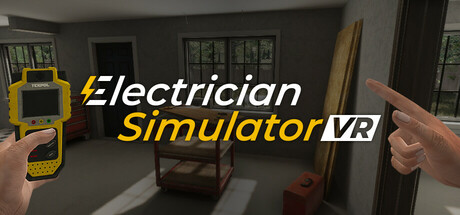
Step into a toolbox and strap on a headset: Electrician Simulator VR transforms the nuts‑and‑bolts work of wiring, fixing, and troubleshooting into a tactile VR trade‑craft playground. The game is deliberately approachable and often charming, prioritizing satisfying, hands‑on interactions; routing cables, swapping sockets, and toggling breakers feel physically convincing; while simplifying technical specifics so the focus stays on playability, clear feedback, and the joy of problem solving rather than on professional certification.
About the experience
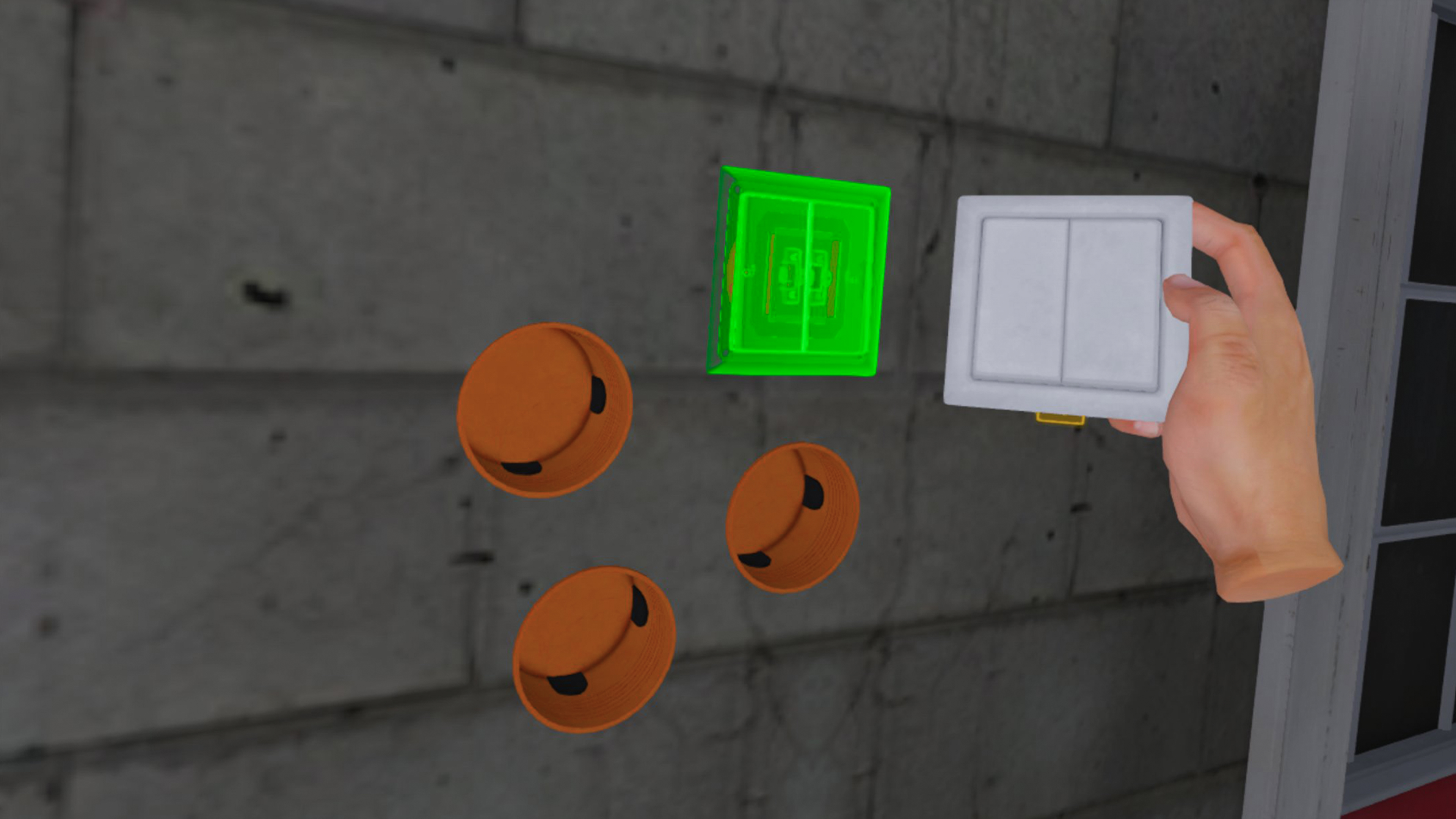
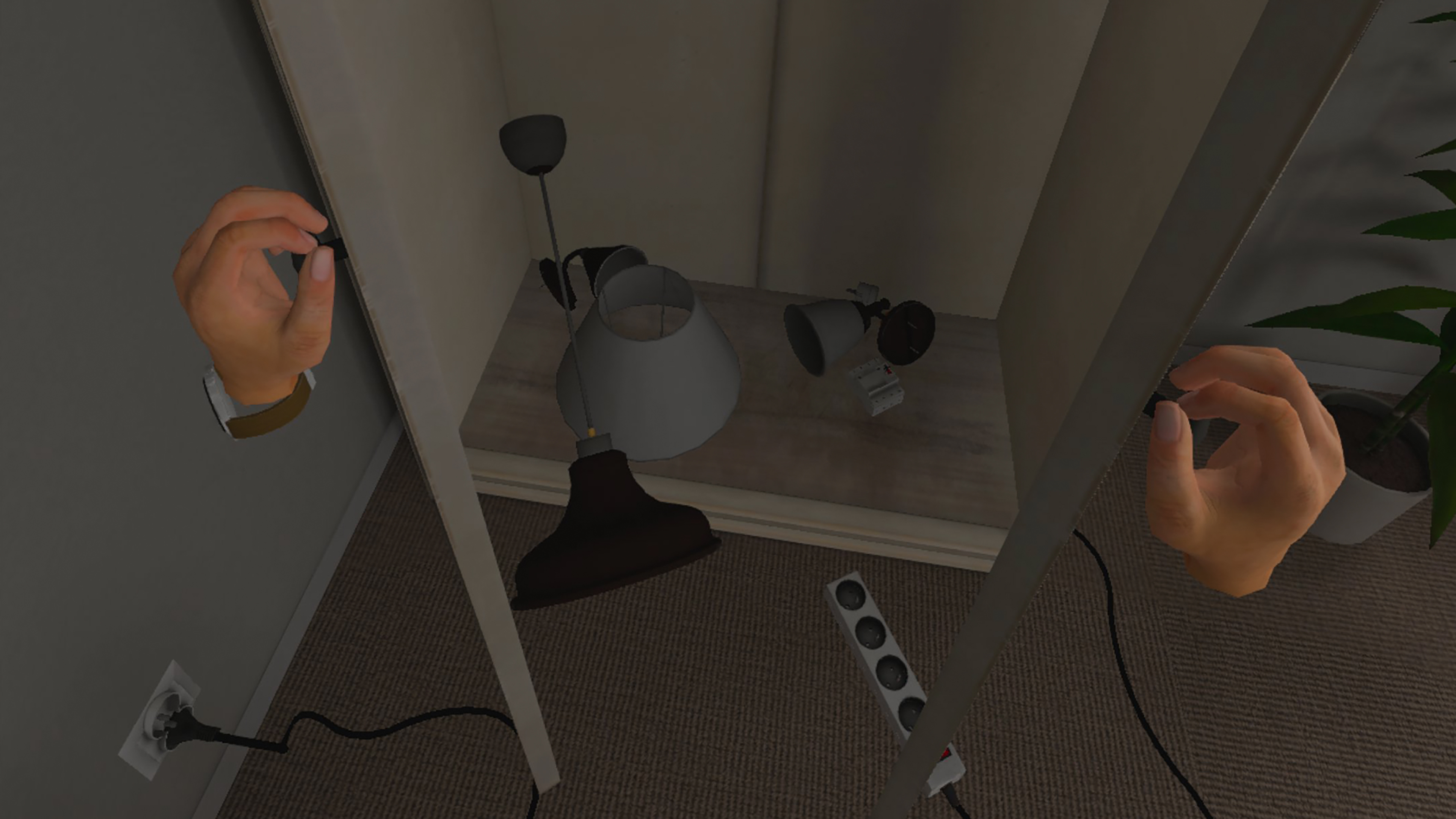
• Hands‑on trade play: Tackle practical electrician tasks; repair outlets, swap switches, run cables behind walls, install lamps, and wire appliances. Interactions are physical and tactile; cut, strip, connect, and secure parts with VR controllers; while the game keeps consequences readable and gameplay‑friendly rather than hyper‑technical.
• Compact, interactive missions: Tasks are designed as bite‑sized jobs with clear goals and immediate feedback, perfect for short VR sessions or longer runs of client work; mission design emphasizes discovery and improvisation over procedural lecturing.
• Adaptive tool economy: Buy tools and parts mid‑mission from an in‑game shop so you rarely halt progress; the pay‑for‑broken‑item mechanic introduces stakes and encourages careful handling without punishing exploration.
• Complete Edition expansion suite: The Complete Edition bundles the base game with Toys Repair, Skin Pack, and Smart Devices DLC, broadening the task set from basic wiring to repairing electronics and configuring modern smart‑home systems while also letting you personalize tools and gear.
• Range of tech challenges: DLC content adds variety; Toys Repair introduces small electronic diagnostics and delicate components; Smart Devices DLC brings contemporary puzzles around connectivity, sensors, and configurable switches, giving the core loop modern flavor and increased mechanical variety.
Gameplay loop and core systems
• Task‑first mission flow: Missions give tight, readable objectives; fix a socket, swap a fuse, wire a lamp, or configure a smart switch. Goals are designed to be approachable and fun, trading strict realism for clear, tactile interactions that teach by doing.
• Seamless mid‑mission provisioning: An in‑mission shop lets you buy tools and parts on the fly so a missing screwdriver or blown fuse doesn’t grind a job to a halt. The economy nudges care; broken items cost you; which adds stakes without turning the game punitive.
• Multiple valid solutions: Most jobs accept more than one approach, so you can improvise with the tools at hand, jury‑rig workarounds, or plan a neat, professional route. That freedom rewards creativity and makes repeat visits to the same client feel fresh.
• Side challenges that mix tone and mechanics: Optional objectives introduce playful twists; repair a quirky sculpture, conceal signs of your presence, or help a client for free. These challenges inject puzzle elements, narrative flavor, and small, satisfying surprises into routine tasks.
• Interaction over simulation: Systems emphasize tactile feedback; cutting, stripping, connecting; and visible cause‑and‑effect so players learn through doing. If you want an exact trade simulation, this isn’t it; if you want an accessible, hands‑on VR toolbox that encourages experimentation, it delivers.
Missions, clients, and challenges
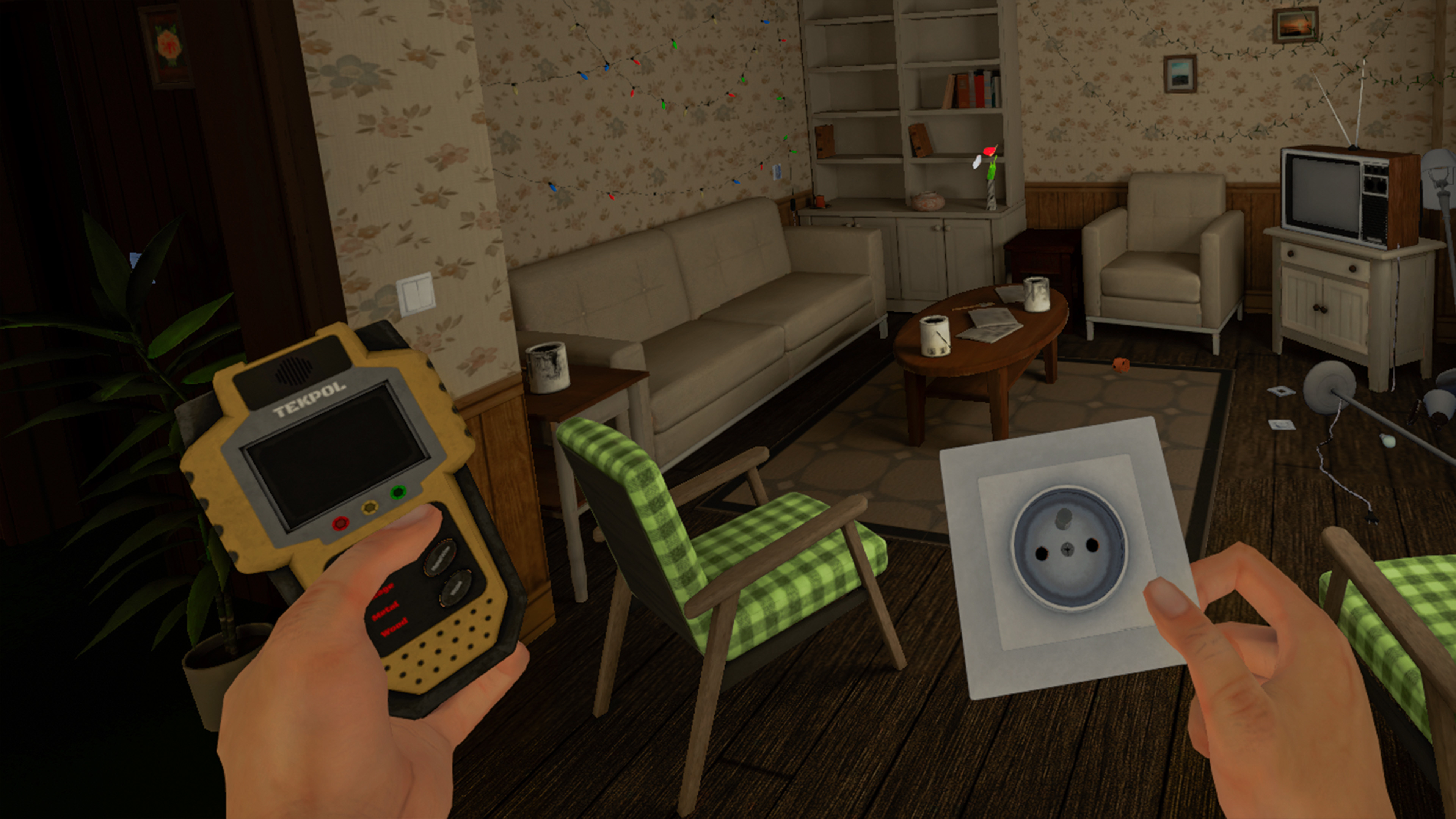
• Beloved faces, reworked encounters: Returning clients from the original game are back with rebuilt, more interactive homes and mission layouts; mid‑job phone calls and personalized requests give each visit character and a genuine sense of being needed.
• Challenge system with bite: Every mission offers up to three optional challenges that layer in puzzles and oddball tasks, from delicate repairs to stealthy cleanups, injecting variety and narrative color into routine work.
• Clarity gaps and opportunity: When well‑written, challenges are charming detours; when prompts are vague they become frustrating. Clearer task descriptions, better in‑mission hints, or an optional hint toggle would turn confusion into delight.
• Comfortably paced jobs: Missions are intentionally bite‑sized, ideal for short VR sessions or a string of quick client calls; optional challenges scale difficulty and replay value for players who want deeper engagement.
• Personality through interaction: Client dialogue, surprise requirements, and mission-specific quirks elevate the hubbub from chore list to interactive world, making repeat visits feel like catching up with neighbors rather than rerunning fetch quests.
VR interactions and controls
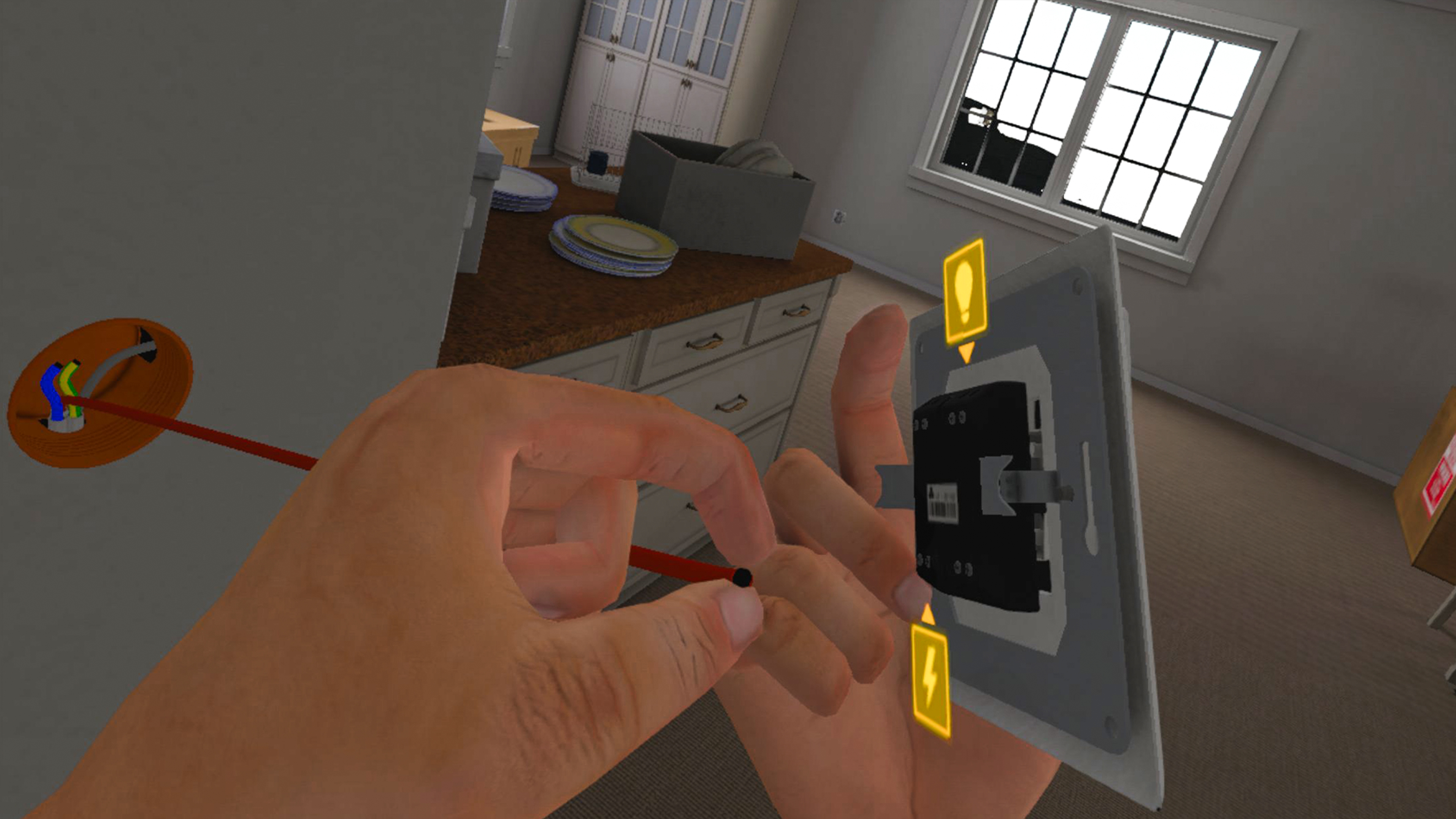
• Tactile, satisfying interactions: Grabbing wires, routing cables through conduits, stripping insulation, and flipping breakers all map smoothly to VR controllers; the combination of weighty tool feedback, clear visual cues, and immediate cause‑and‑effect makes the hands‑on loop feel legitimately rewarding and is easily the game’s strongest draw.
• Movement options and setup quirks: The game offers multiple locomotion modes (teleport and smooth), but some headsets default to the less useful option for that platform. Players should check movement settings on first boot and switch to the mode that matches their comfort; adding a clear in‑game prompt or an automatic headset‑aware default would remove unnecessary friction.
• Comfort and accessibility settings: Comfort features such as vignette options, snap‑turn increments, and adjustable movement speed exist but could be more discoverable. A one‑page “comfort checklist” in the pause menu would help players configure a comfortable play session quickly.
• Onboarding and teachable interactions: Core interactions are intuitive, yet first‑time VR users can get tripped up by locomotion, the in‑mission shop, and some UI affordances. A short, optional tutorial that demonstrates movement modes, basic tool use, and the shop flow would reduce early confusion without slowing returning players.
• Polish gaps that affect immersion: Occasional physics oddities (objects clipping, unexpected bounces) and inconsistent input mappings on certain headsets can break flow. Targeted QA passes and a quick settings audit would preserve immersion and keep the tactile systems feeling dependable.
Visuals, audio, and presentation
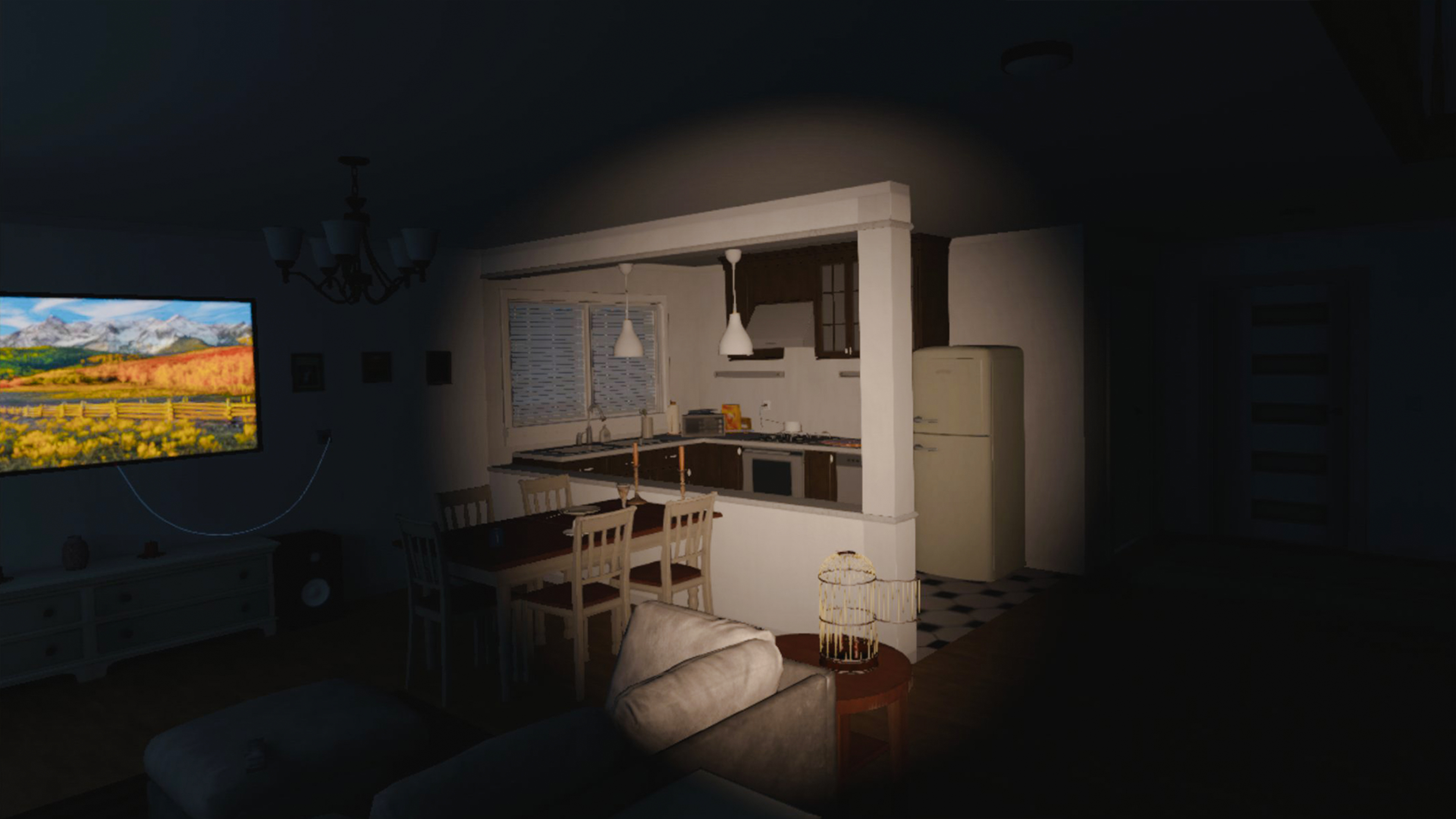
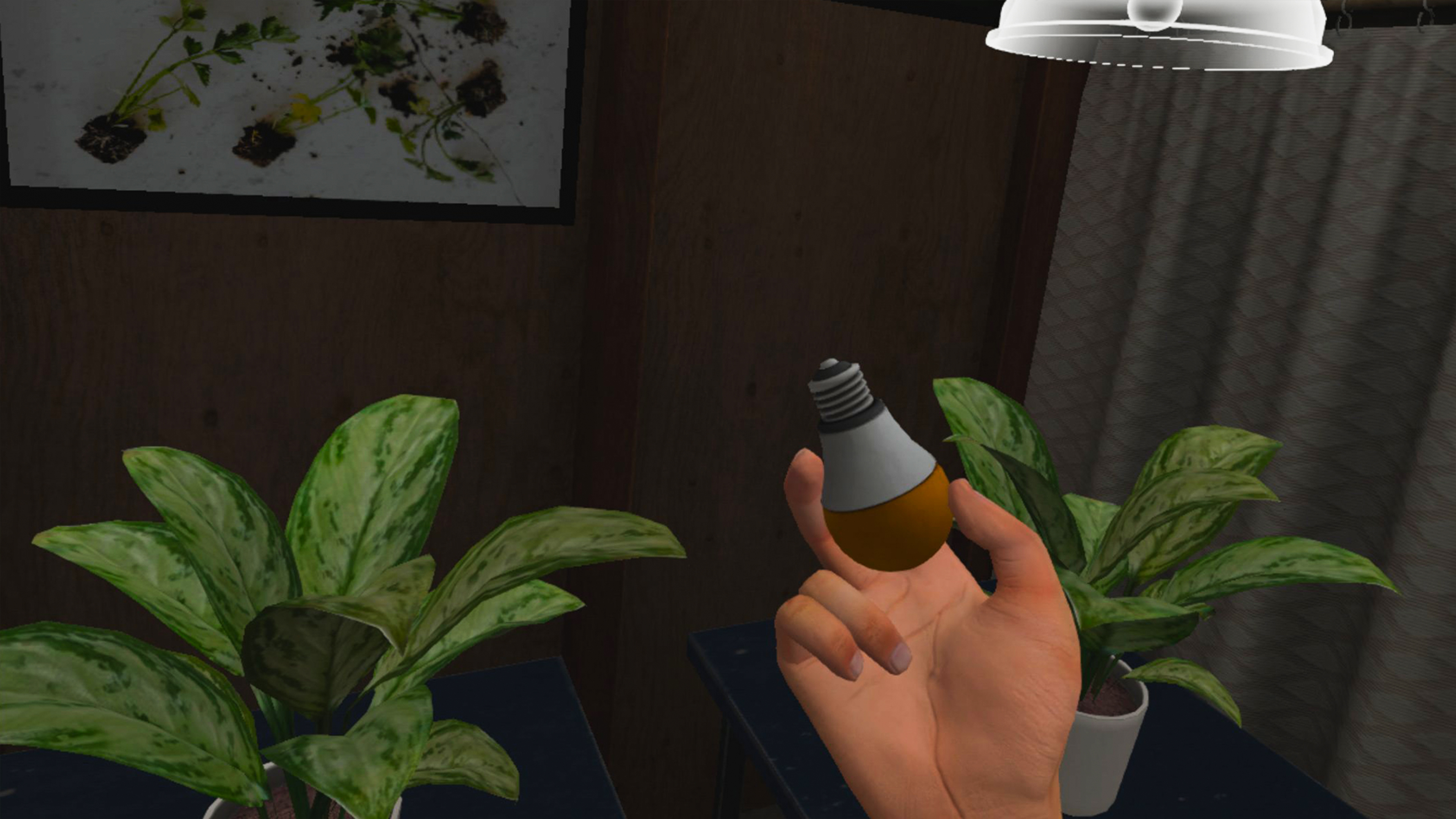
• Readable, purposeful art: The visuals favor clarity over photorealism; tool models, color‑coded cables, sockets, and UI affordances are crisp and unambiguous so you always know what to grab and where to plug it. This design keeps interactions fast and reduces needless fumbling in VR.
• Supportive soundscape: Sound effects and ambient cues do more than decorate; tool clicks, wire tugs, and breaker clicks provide immediate audio feedback that reinforces each action. The music is understated by design, leaving room for important SFX to cut through and help players diagnose problems by sound.
• Personality through performance: Client dialogue, mid‑job calls, and mission scripting inject warmth and humor into routine tasks, turning jobs into short character vignettes. The world gains charm from these interactions even though the technical lore is intentionally simplified; deeper environmental storytelling could amplify immersion without sacrificing approachability.
Realism versus accessibility
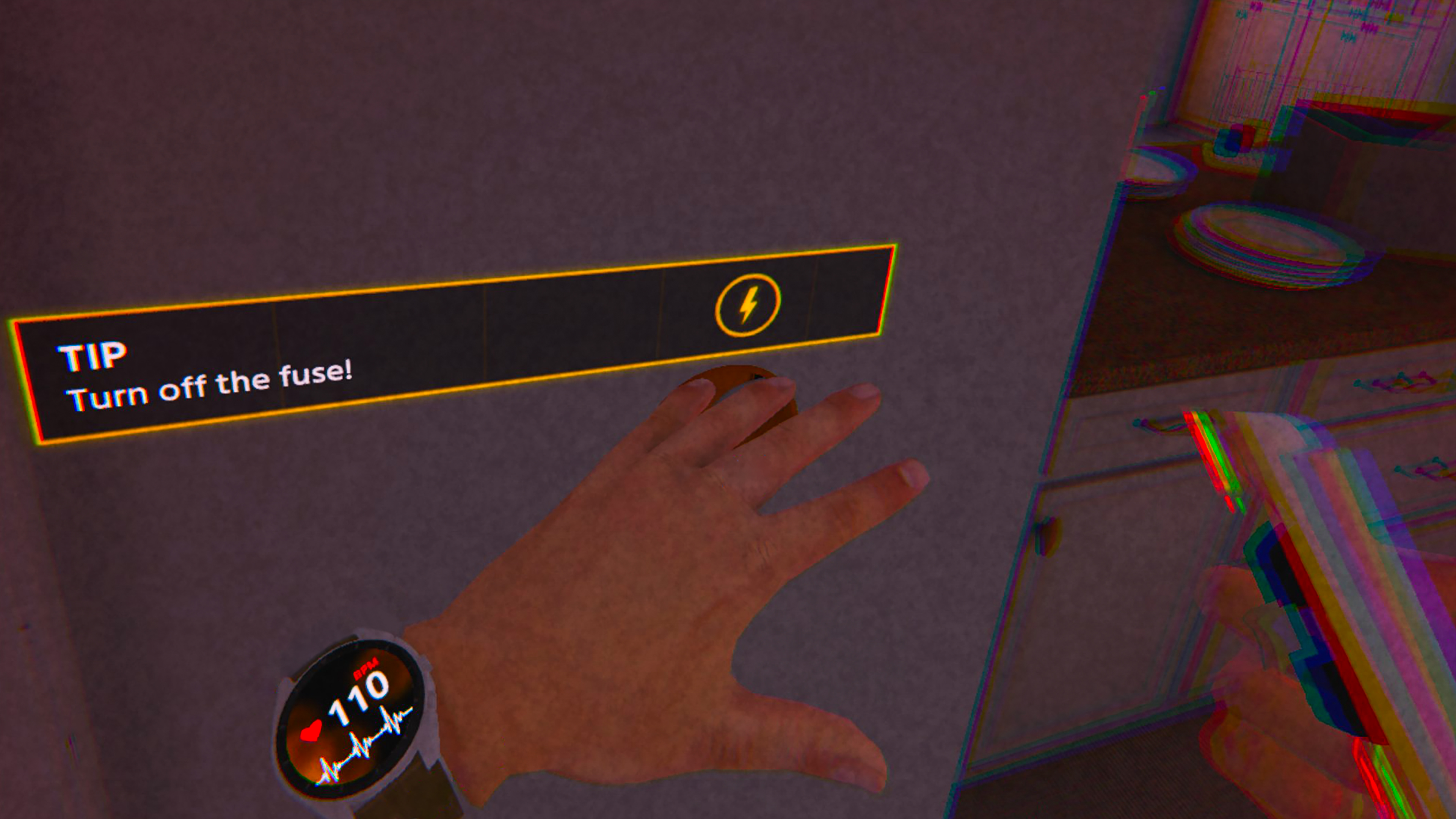
• Simulation versus gameplay: Electrician Simulator VR captures the tactile sensations and decision rhythms of electrician work while intentionally simplifying technical systems. Cable sizes, neutral/hot conventions, and fuse logic are abstracted so interactions remain clear and playable rather than procedurally exact.
• Educational value, not professional training: The game is a great primer for curiosity and safe experimentation with tools and workflows in VR, but it omits critical safety standards and nuanced practices required for real‑world certification. Treat it as an engaging sandbox that builds familiarity and confidence with basic concepts, not as a substitute for formal training or on‑the‑job experience.
Issues and areas to improve
• Bugs and stability: Players report UI freezes when changing render scale, physics glitches (objects clipping, launching unexpectedly), and occasional crashes. A focused QA pass and prioritized hotfixes for render‑scale prompts and physics edge cases would restore trust quickly.
• Unclear secondary objectives: Vague challenge descriptions turn optional tasks into guesswork. Improve clarity with concise objective text, progress indicators, and an optional hint toggle that reveals the next step without spoiling the puzzle.
• Confusing UX for critical settings: Settings changes that lack confirmation (render scale) or use non‑intuitive defaults (locomotion mode) risk breaking play sessions. Add confirm/revert dialogs for destructive graphics options and a first‑run settings checklist that proposes headset‑appropriate defaults.
• Physics and interaction fidelity: Odd object behavior undermines the tactile loop. Tighten grab constraints, stabilize thrown/placed object physics, and add subtle haptic and visual snap feedback when items seat correctly to reduce frustration.
• Monetization perception: Paywalled repairs for drones or smart devices have drawn criticism. Consider bundling key gameplay content into a lower‑cost edition or offering time‑limited trials for paid modules to demonstrate value before purchase.
• Onboarding gaps: New VR users stumble over locomotion, the in‑mission shop, and core tool interactions. Ship a short, optional tutorial that demonstrates movement modes, the tool wheel, and buying parts mid‑mission, plus a practice job that mirrors a typical client call.
• Reporting and support flow: Players need an easy way to report headset‑specific issues. Add an in‑game bug report option that auto‑attaches device info and a visible patch roadmap so the community sees progress and priorities.
• Priority roadmap: Triage fixes into stability (render scale, crashes), UX (confirmations, tutorial), and polish (physics, hints). Delivering quick wins on stability and onboarding will make later content and balance updates feel meaningful.
Who will enjoy it
• Aspiring tradespeople and curious minds: Players who want a safe, playful way to explore electrician tasks in VR will find a lot to like.
• Casual VR players: Those who enjoy relaxed, task‑oriented games with light puzzles and tactile interaction.
• Modest challenge seekers: If you like optional objectives and the satisfaction of methodical problem solving, the challenges add small but welcome diversity.
Who might wait
• Professionals seeking realism: Electricians and technically minded players who expect accurate electrical systems may find the simplifications disappointing.
• Players sensitive to bugs or unclear UX: If you prefer polished, tutorialled VR debuts, waiting for patches that address reported issues is sensible.
• Cost‑conscious buyers: Consider waiting for a sale or the Complete Edition if you want all DLC bundled and better upfront value.
Final Verdict
Electrician Simulator VR brilliantly captures the tactile satisfaction of hands‑on work in virtual space: the simple joy of picking up tools, routing cables, stripping wires, and solving household electrical headaches feels consistently rewarding. Missions are relaxed and approachable, client calls and quirky side challenges add personality, and the Complete Edition widens the toolbox with toys, smart devices, and cosmetic flair. The trade‑offs are clear; systems are intentionally simplified for playability, and a handful of polish and UX issues hold the experience back from true simulation fidelity. If you want a cozy, low‑pressure VR job‑sim that emphasizes interaction and creativity over technical rigor, this is a solid pick; just set your locomotion and comfort options first, expect a playful approximation rather than professional training, and consider waiting for patches or a sale if you’re sensitive to bugs or DLC pricing.
Watch and Wishlist
• Why wishlist: Track patches that address polish and stability issues (render‑scale prompts, physics fixes, and clearer challenge wording).
• Catch future content drops that expand variety: More arenas, tools, and Smart Devices/Drone mechanics would significantly deepen play.
• Get alerted to bundled sales or a discounted Complete Edition for better value if you want all DLC in one purchase.
• When to jump in: Try the demo or pick it up on launch if you want a playful, tactile VR job‑sim now and don’t mind a few rough edges.
• Wait for a post‑launch patch and a sale if you want a more stable, polished experience and better DLC value.
• How to keep up: Wishlist on your storefront and follow the developer for patch notes, roadmap updates, and community playtests.
• Watch developer streams and patch posts to see fixes and new mechanics in action before committing.
Key Takeaways
• Electrician Simulator VR sells the tactile joy of trade work: grabbing tools, routing cables, and flipping breakers feel satisfying and convincing in VR.
• Missions are bite‑sized and approachable, designed for short sessions with clear, interactive objectives rather than technical fidelity.
• The Complete Edition adds meaningful variety: Toys Repair and Smart Devices expand mechanics and keep the core loop feeling fresh.
• Systems favor playability over realism: cable gauges, neutral logic, and fuse behavior are simplified and not suitable for professional training.
• Comfort and onboarding need attention: locomotion defaults, sparse tutorials, and discoverability of settings can trip up new VR players.
• Polish and stability issues (render‑scale prompts, physics oddities, and unclear challenge text) occasionally break immersion and should be prioritized.
• Optional challenges and client interactions inject charm and replay value when their prompts are clear; improved hints would make them consistently rewarding.
• Wishlist if you like hands‑on VR job sims and plan to follow patches or wait for a sale; jump in now only if you tolerate a few rough edges and want playful, tactile work.
Game Information:
Developer & Publisher: Take IT Studio!
Platforms: MetaQuest (reviewed), PSVR2, SteamVR
Release Date: March 21, 2025
Score: 8.0 / 10
Electrician Simulator VR is an engaging, well‑crafted job sim that delivers the tactile satisfaction VR players crave and offers solid replay through DLC and challenges. It’s an easy recommend for anyone who enjoys hands‑on VR work and cozy, task‑driven games; just set your comfort options on first run and keep an eye on patches that tighten up stability and UX.