Flotsam: From Plastic to Prosperity - Turn trash into shelter, workshops, and gardens. (Game Review)
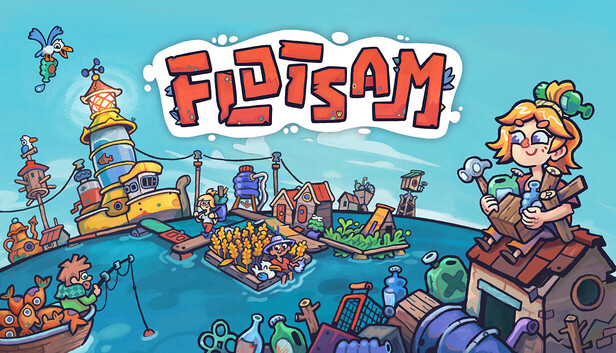
Flotsam is a warm, optimistic city‑builder that transforms ocean waste into a lively, self‑sustaining community, now sailing out of Early Access with a full 1.0 release on December 4, 2025.
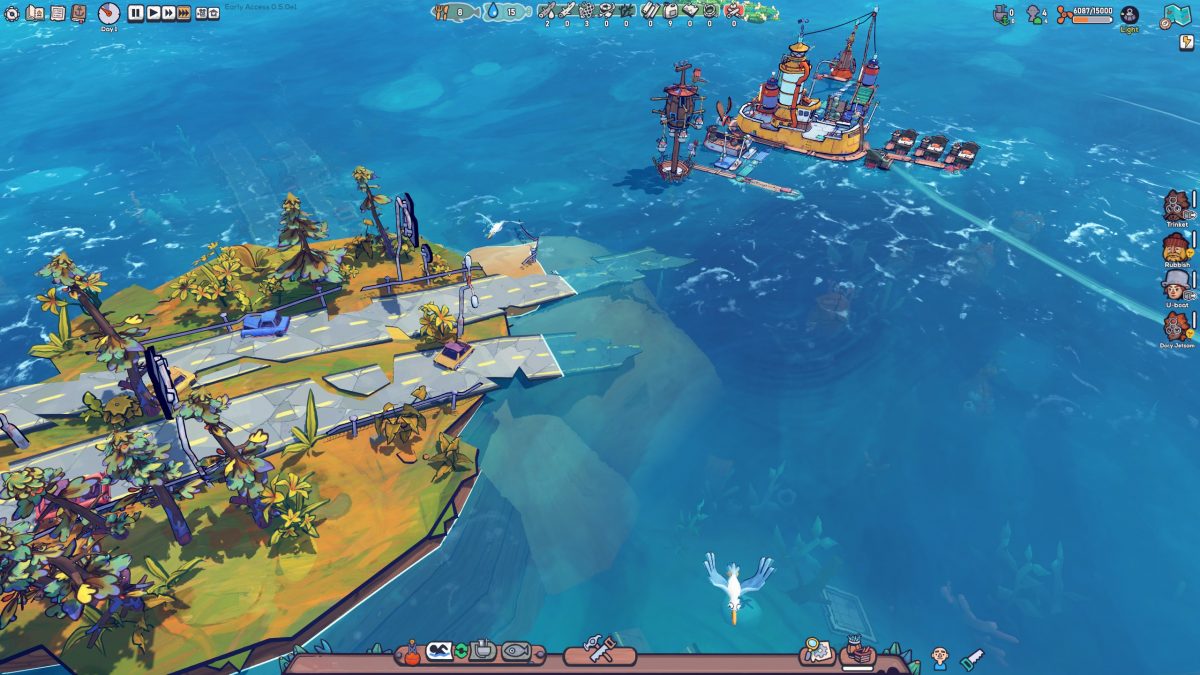
You play as the captain of a drifting settlement, salvaging plastic, driftwood, and relics of the old world to craft homes, workshops, and colorful gardens. Manage essentials; fresh water, food, fuel, and shelter; while you pilot your town across a dynamic sea of debris, rescue stranded survivors and animals, and reclaim lost technologies that let your community thrive.
Along the way you’ll recruit specialists whose personal quests unlock new buildings and mechanics, research cleaner power and production pipelines, and balance growth against pollution and disease in a feel‑good apocalypse that rewards planning, exploration, and careful stewardship.
What’s new in 1.0
The 1.0 update transforms Flotsam from a charming prototype into a fuller, story‑driven experience. A main narrative questline now threads the world together, giving purpose to exploration and tying character arcs into the broader mystery of the flooded world. Every specialist; Chemist, Electrician, Birdkeeper, Aquaculturist, and more; receives its own questline, unlocking unique buildings, mechanics, and story beats that deepen both gameplay and lore.
New regions raise the stakes and diversify scavenging: the hazardous Industry Zone offers rich rewards behind mechanical dangers, while the Polluted Woods hide rare resources and environmental threats that force you to weigh risk against reward. Construction upgrades are now functional as well as cosmetic; air filters reduce sickness, gas‑bags improve buoyancy, and other improvements change how you plan and expand your town. A full achievement suite and a raft of quality‑of‑life fixes (smoother UI, clearer quest tracking, balance tweaks) round out the release, making Flotsam feel more complete, accessible, and rewarding for both returning captains and newcomers.
Gameplay and systems
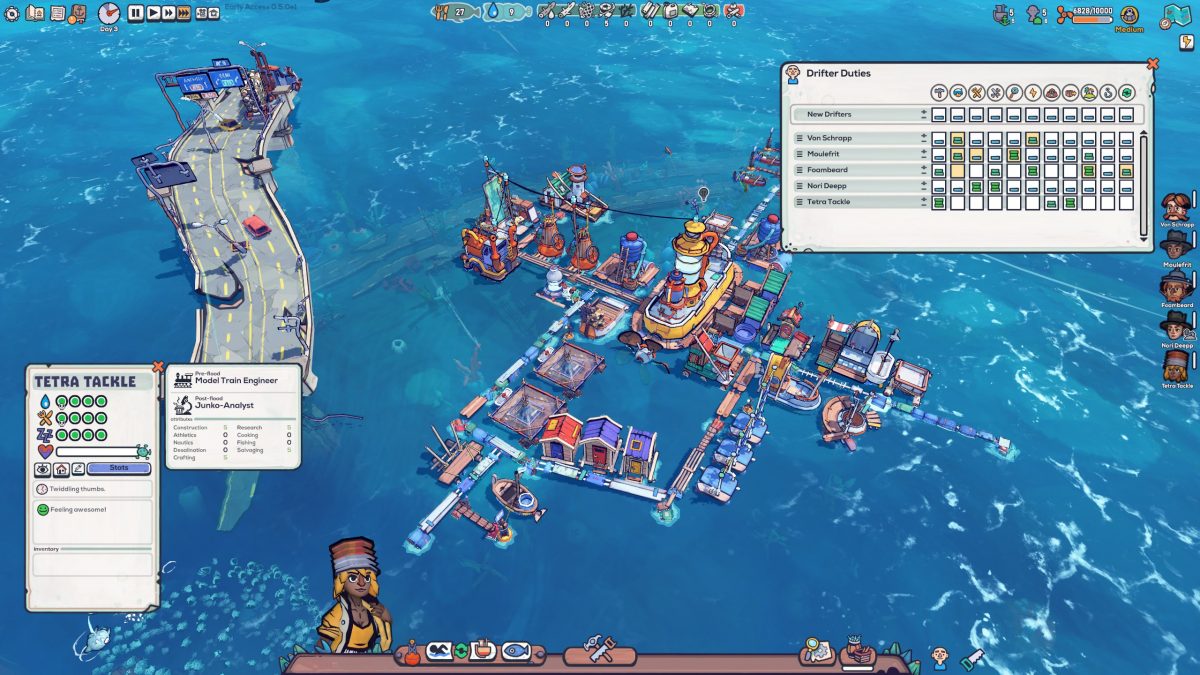
At its core, Flotsam is a game about clever recycling and emergent systems design. Debris you salvage; plastic, driftwood, and rusted relics; becomes the raw material for homes, boats, desalination units, and food production. Those scraps slot into simple but flexible production chains that scale into connected pipelines: collect → refine → craft → power. Research then opens cleaner, smarter tech, shifting you from burning firewood to inventive solutions like eel‑driven electricity, so every upgrade changes how your town breathes and grows.
Specialists add both mechanical depth and narrative hooks. Recruit a Chemist, Electrician, Birdkeeper, or Aquaculturist and you unlock new buildings, production options, and personal questlines that reshape priorities and reveal hidden systems. That interplay; resource triage, risk‑reward exploration, and targeted research; creates a satisfying loop of exploration, rescue, and incremental progress. The payoff is strategic and tactile: careful planning and experimentation yield resilient, self‑sustaining communities that feel earned rather than handed to you.
Tone, pacing, and challenge
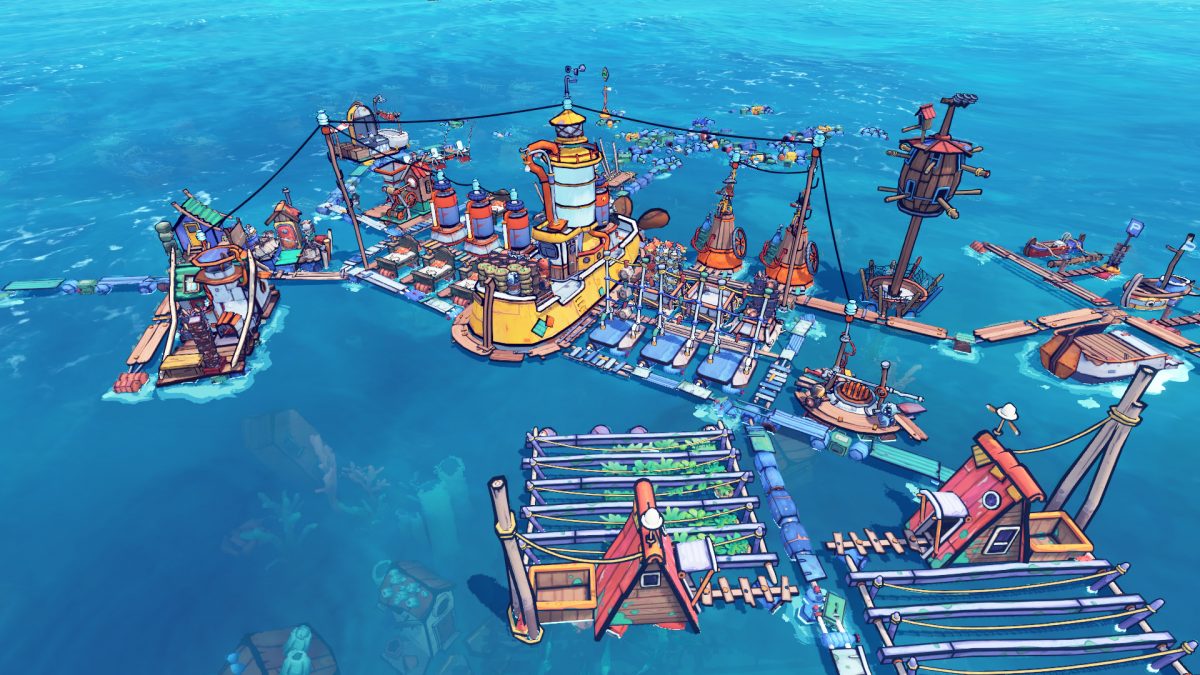
Relaxed, emergent tension: Flotsam moves at a gentle pace, but it never feels idle. Weather swings, shifting tides, pollution hotspots, and fragile supply lines introduce meaningful pressure that rewards foresight rather than frantic clicking. Challenges arrive as systems to solve, not timers to panic over, so planning and layout matter more than twitch reflexes.
Survival with a soft edge: The game balances cozy city‑builder comforts with real stakes; polluted zones can sicken your drifters, food and fresh water require steady attention, and every expedition asks you to weigh risk against reward. Those trade‑offs make resource scarcity feel consequential and give each decision a satisfying weight.
Warm, human emergent stories: Bright, approachable visuals and the small dramas of rescued survivors and specialists give the town a beating heart. Personal quests, character quirks, and the slow reveal of backstory turn your settlement into a community you care about, so success feels like stewardship rather than score‑chasing.
A calm loop that rewards care: Overall, Flotsam is best when you treat it like a living puzzle; tweak production lines, shore up defenses, and experiment with cleaner tech. The payoff is steady; resilient systems, healthier drifters, and a floating town that grows more capable and characterful the longer you tend it.
Community and reception
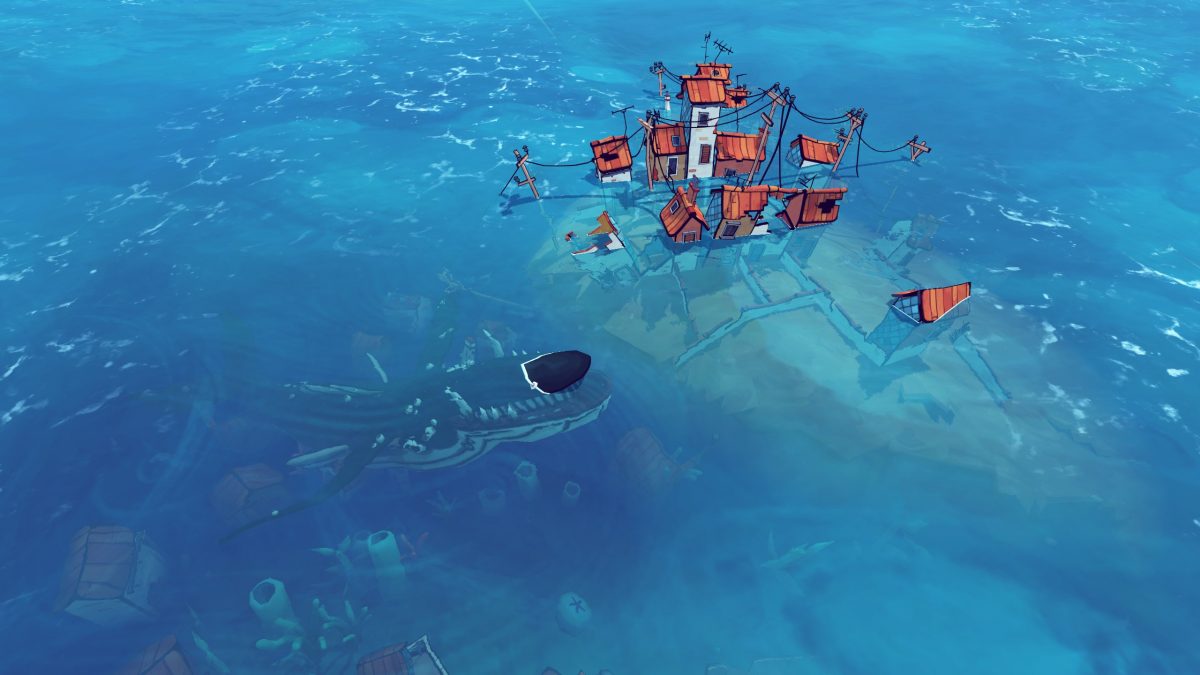
The long Early Access run left the community split: many players applaud the game’s steady refinement, approachable systems, and the cozy, emergent moments that make each playthrough feel personal, while a vocal minority grew frustrated by the protracted timeline and sporadic update cadence that sometimes made progress feel slow or incomplete. Critiques tended to focus on perceived gaps; endgame content, pacing of major features, and the tempo of new additions; rather than the core design, which most agree is thoughtful and charming.
The 1.0 launch is framed as a direct response to that feedback: a culmination of years of iteration that bundles narrative depth, full specialist questlines, new regions, functional construction upgrades, and a slate of quality‑of‑life improvements. It’s positioned to answer long‑standing requests for story, mechanical variety, and clearer progression, and to turn the steady polish of Early Access into a more complete, story‑forward experience that both reassures returning players and gives newcomers a fuller, more satisfying entry point.
Final Verdict
Flotsam is ideal for players who love systems‑driven city builders with a gentle survival edge and an environmental conscience. If you enjoy scavenging, designing production chains, and turning chaos into order, the game rewards careful planning and creative problem‑solving as your floating town evolves.
Playstyle fit: It suits both patient strategists who relish optimizing connected pipelines and players who prefer a relaxed, emergent narrative; rescue survivors, recruit specialists, and watch personal storylines unfold as you tinker with cleaner tech and healthier systems. The tone is hopeful rather than punishing, so progression feels like stewardship rather than a race.
When to jump in: Newcomers will get the most from waiting until the 1.0 update to experience the full narrative and specialist quest content. Returning players will find the release a meaningful expansion of the core loop, adding depth and new goals that extend the game’s long‑term appeal.
Watch and Wishlist
• Why wishlist: The game is exiting Early Access with a major 1.0 update that bundles a main narrative, specialist questlines, new regions, and functional building upgrades; wishlisting ensures you get notified about the launch, demos, patches, and sales that reshape the experience Final Weapon.
• Who should watch: Players who enjoy systems‑driven city builders with a gentle survival edge, scavenging loops, and emergent character stories; streamers who like cozy, viewer‑friendly sims and creators who want new content to showcase.
• What to expect from updates: Narrative expansions and specialist quest content that unlock new mechanics; region additions that introduce fresh resources and hazards; construction upgrades and QoL fixes that change long‑term strategy and town design Steam Community.
• Balance and systems changes: Expect economy tuning, production pipeline adjustments, and new tech that can alter power and resource priorities, updates often shift the optimal build order and exploration risk/reward.
• Best times to buy: Buy at launch if you want the full 1.0 narrative and to support the devs; otherwise wait for the first post‑launch patch or a major sale to pick up the game after balance and QoL fixes land.
• Platforms to track: PC storefronts (Steam, GOG, Humble) are the primary launch platforms; keep an eye on the developer and publisher for announcements about macOS, Linux, and potential console ports.
• Who should wait: Completionists and players who prefer a polished, feature‑complete experience should consider waiting for a few post‑launch patches that smooth pacing, add endgame goals, and expand biomes.
• How to stay informed: Wishlist on Steam, follow Pajama Llama Games and Stray Fawn Publishing on social channels, join the official Discord, and watch devstreams and patch notes for timing and experimental branch previews.
• Streamer notes: New specialist mechanics and region content create fresh moments to highlight on stream; viewer engagement is natural for a cozy sim, and content drops give streamers recurring hooks to bring audiences back.
• Quick verdict for wishlisters: Wishlist Flotsam to catch the 1.0 release and subsequent content; pick it up at launch if you want the full narrative and to support the team, or buy after the first balancing pass if you prefer a more tuned, long‑term experience
Key Takeaways
• Charming premise: Flotsam turns ocean waste into a hopeful, playable ecosystem where salvage becomes shelter, workshops, and gardens.
• Systems‑first design: Simple, scalable production chains and research unlock meaningful tech progression, rewarding planning and pipeline optimization.
• Specialists deepen gameplay: Recruitable characters like the Chemist, Electrician, Birdkeeper, and Aquaculturist add unique mechanics, buildings, and personal questlines.
• 1.0 brings narrative weight: The new main questline and full specialist quests give purpose to exploration and tie emergent systems into a cohesive story.
• New regions and upgrades: Industry Zone and Polluted Woods expand scavenging risk/reward, while functional construction upgrades (air filters, gas‑bags) change how you build and survive.
• Relaxed pacing with emergent tension: Weather, tides, pollution, and supply lines create strategic pressure without frantic micromanagement.
• Environmental stakes matter: Pollution and disease are gameplay drivers that force trade‑offs between growth and the health of your drifters.
• Community history shapes expectations: A long Early Access run produced both praise for steady refinement and impatience over update cadence; 1.0 aims to answer many long‑standing requests.
• Who will love it: Players who enjoy cozy, systems‑driven city builders, scavenging loops, and emergent character stories will find a lot to savor.
• Where it can improve: More endgame goals, expanded biomes, and continued balance and QoL tuning will help Flotsam sustain long‑term engagement.
Game Information:
Developer: Pajama Llama Games
Publisher: Stray Fawn Publishing
Platforms: PC (reviewed)
Release Date: September 26, 2019
Score: 8.0 / 10
A thoughtful, optimistic city‑builder that turns ocean detritus into a warm, systems‑driven community. The 1.0 update adds narrative weight, specialist depth, and meaningful mechanical upgrades that elevate the core loop, though more endgame goals and continued polish would push it higher.
“8.0 / 10 - Flotsam is a hopeful, systems‑driven city‑builder that turns ocean waste into a satisfying, story‑rich floating community; polished and rewarding at 1.0, with room to grow.”