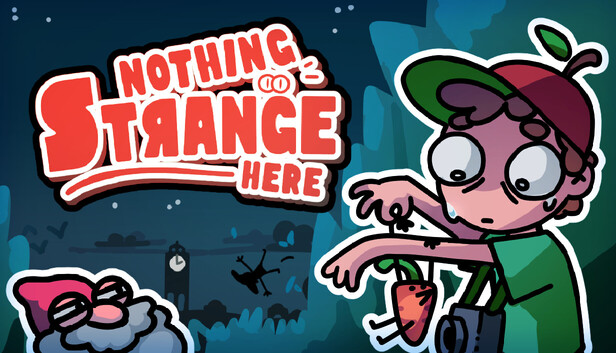
Nothing Strange Here is a cozy mystery that turns idle curiosity into meaningful consequence. You arrive in Larcenest Gap as the town’s new journalist and are free to wander a lovingly handcrafted open world full of odd corners, eccentric locals, and micro‑mysteries that react to your pen. The demo moves at a warm, exploratory pace and centers on a satisfying three‑step loop; roam, photograph, publish; but its clever twist is how your articles shape the place: one choice can shift the town’s gossip, nudge NPC behavior, and even tint the look and feel of neighborhoods. It’s a game that makes reporting feel powerful, turning small discoveries and framed snapshots into lasting changes and emergent stories; watch the trailer here:
What the demo does well
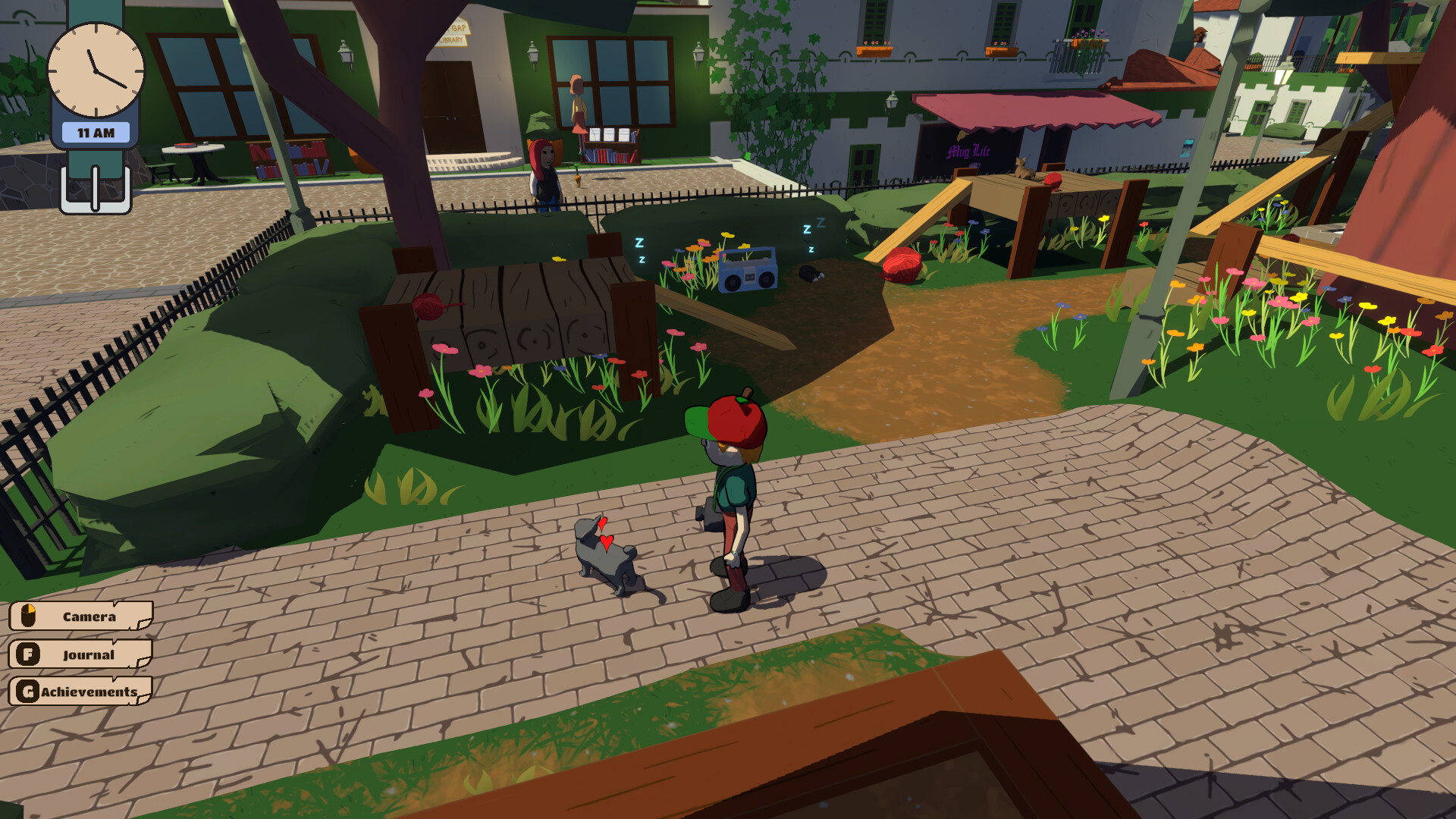
• Exploration with purpose: Larcenest Gap is handcrafted with personality: winding lanes, moonlit groves, and tiny staged moments that reward inspection. Every district hides photo-worthy vignettes, optional encounters, and layered secrets that nudge you to look closer and linger longer.
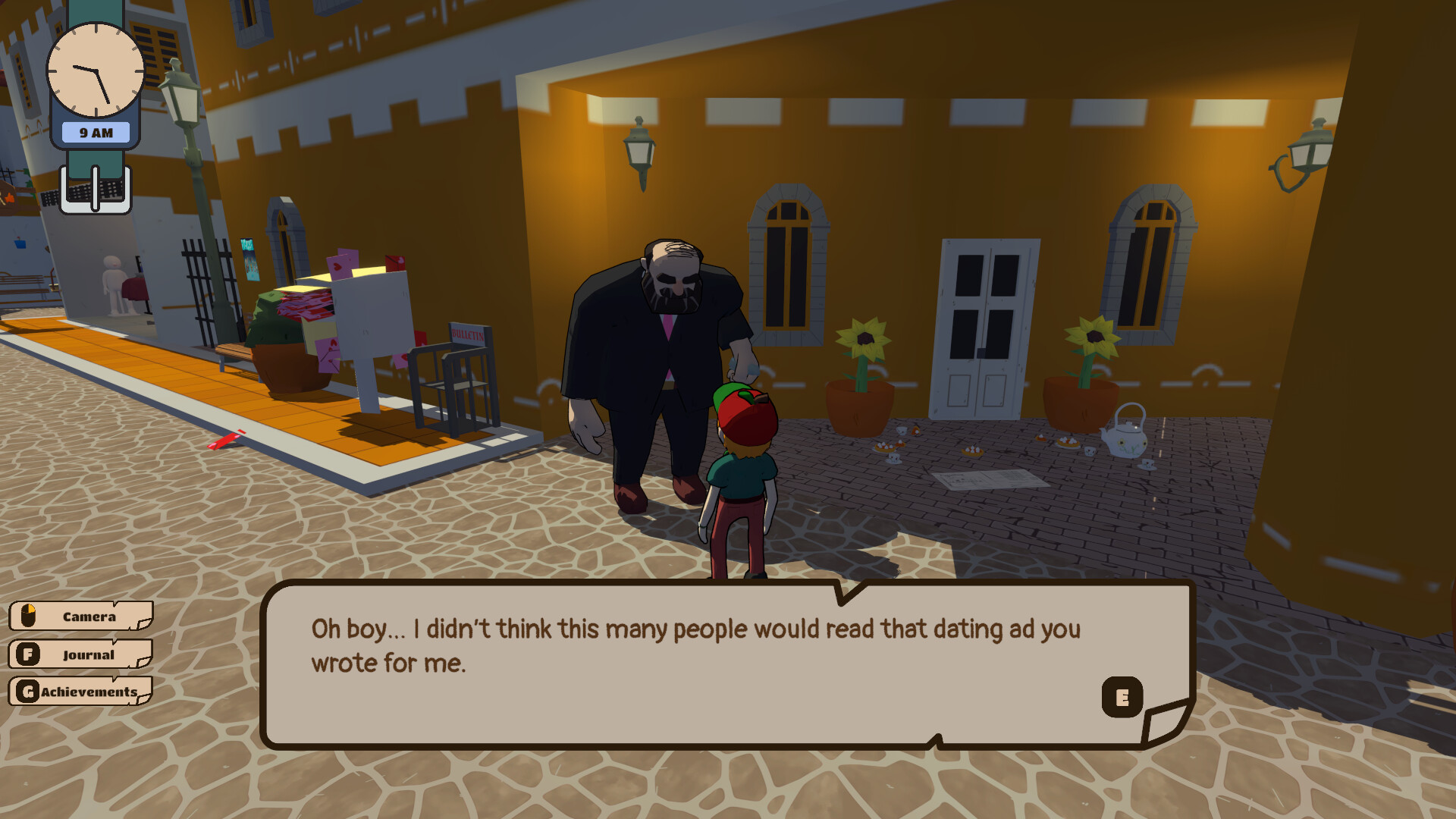
• Meaningful choice through journalism: After each assignment you pick one of three article tones; cozy, funny, or mysterious; and the choice ripples through the world: town gossip shifts, quest‑board hints rewrite themselves, NPCs alter outfits and dialogue, and even environmental details change to match your narrative. Publishing becomes an active tool for shaping story and atmosphere.
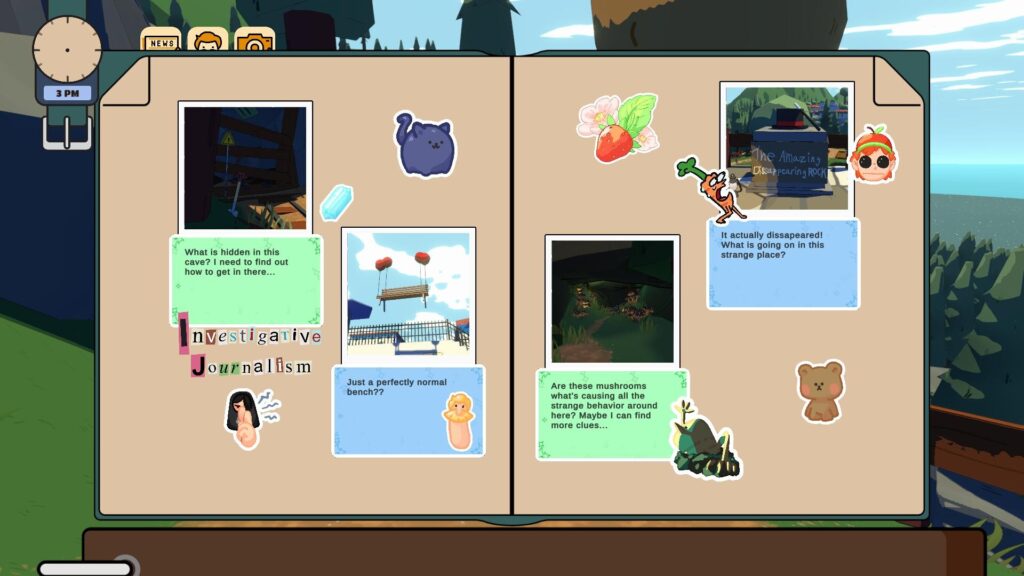
• Camera‑first gameplay loop: The camera is more than a gadget; it’s your investigative lens. Framing successful shots unlocks stickers, advances objectives, and builds a customizable scrapbook that doubles as both a keepsake and a progression system. Hunting for the perfect angle turns incidental moments into meaningful rewards.
• Accessible, cozy pacing: The demo favors gentle discovery over stress: clear objectives, forgiving checkpoints, and an unhurried rhythm make it approachable for players who want curiosity rewarded rather than punished. It’s designed for relaxed exploration with satisfying feedback for small wins.
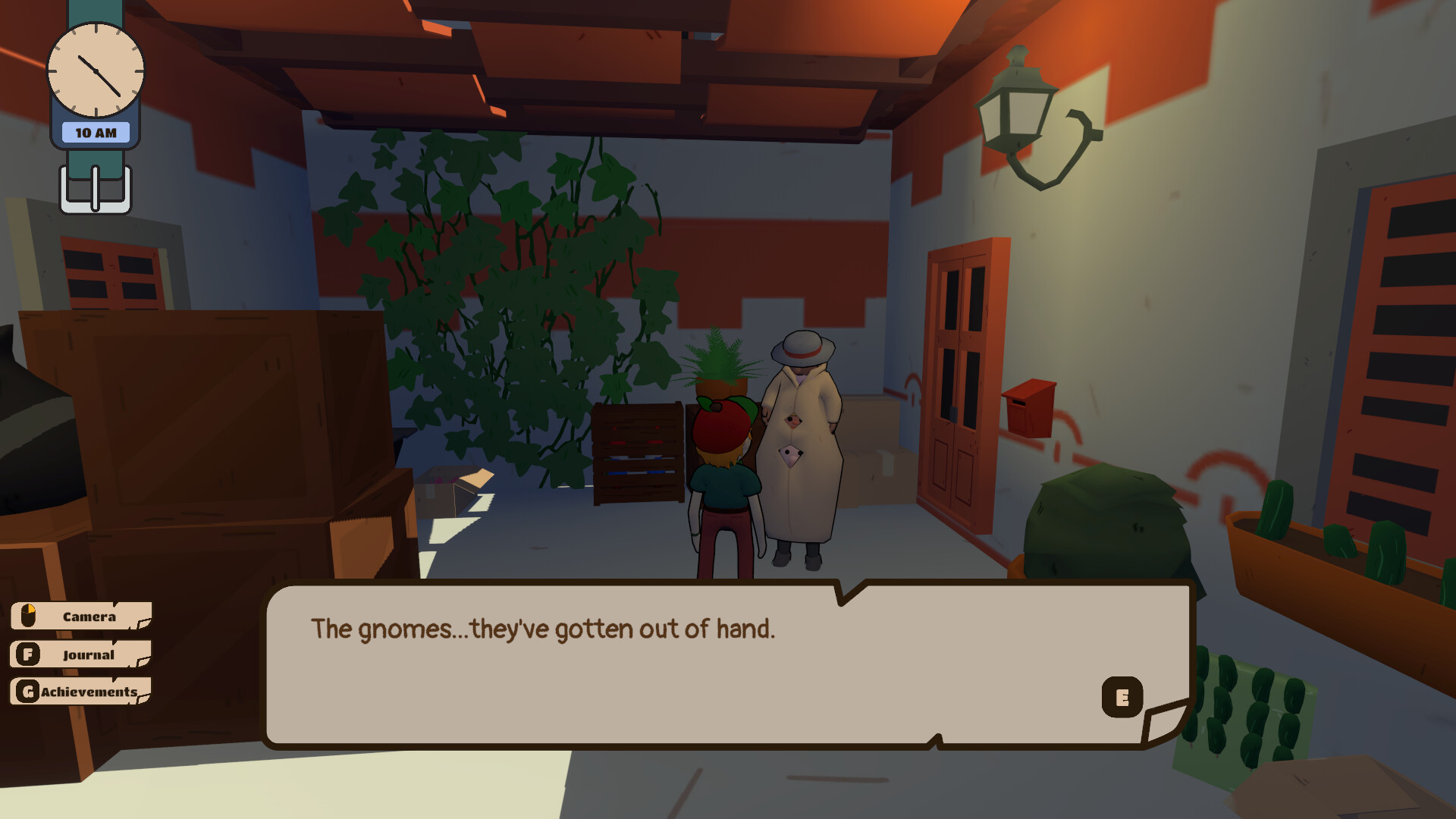
• Rich personality and local color: Residents are vividly written and often delightfully odd, side quests lean into charming absurdity, and the dialogue balances warmth and wit while keeping the central mystery intriguing rather than melodramatic. Each conversation and encounter feels like a new chapter in a living small town.
Standout systems
• Article outcomes that truly move the world: Picking a tone for your article delivers immediate, visible consequences: fresh rumors spread on the board, NPC dialogue reroutes to reflect your framing, and environmental details subtly shift to reinforce the narrative. It’s a satisfying systems‑level payoff that makes journalism feel like a tool, not just window dressing.
• Sticker and scrapbook progression as storytelling: Stickers aren’t just collectibles; they’re narrative tokens. Each photograph and earned sticker lets you compose a journal that reads like a personal dossier or an artful scrapbook. Decorating the journal becomes an expressive way to curate memories, connect clues, and display the story you chose to tell.
• Time‑of‑day events that change the mood: The day/night cycle is used to shape mystery and atmosphere: certain characters, quests, and hidden moments only trigger at specific hours. These temporal gates create discovery-driven pacing and cinematic shifts in tone without feeling artificial or repetitive.
• Playful scavenger design: Small, recurring delights like hidden gnomes and easter eggs add lighthearted chase goals for completionists and streaming highlights. They reward careful observation and give players bite‑sized objectives between story beats.
What could use more work (demo caveats)
• Scope and variety: The demo’s limited map and quest roster leave the loop feeling compact rather than complete. Reused task patterns show the design’s promise but also its constraints; several locales tease larger ideas that the demo doesn’t yet deliver, so pacing can drift into repetition over longer play sessions.
• Mechanical depth: The camera is charming as-is but feels underleveraged. Adding layered photo interactions; targeted prompts, basic composition scoring, simple editing tools, or investigative gadgets (e.g., UV, zoom, evidence tagging), would deepen the detective experience and give veteran players more to master.
• Tension and mystery pacing: The central throughline is intriguing, but the demo’s overall cozy tone sometimes mutes narrative stakes. Introducing a handful of higher‑tension beats, optional investigative threads with real consequences, or time‑sensitive leads would sharpen momentum without abandoning the game’s warmth.
• Polish and missing features: The roadmap points to sensible improvements (new story content, locations like the cemetery and island, achievements, character pages, audio upgrades), but their absence is felt. UX polish; smoother camera controls, clearer objective markers, and small performance tweaks; would make exploration more rewarding while the larger features roll in.
• Replay incentives: Current replay value hinges on curiosity alone. Deeper meta‑goals such as branching story flags that unlock exclusive scenes, photo challenges with unique rewards, or dynamic NPC relationships that evolve across runs would give players purposeful reasons to revisit the town.
Who should try the demo
• Players who love slow, curiosity-driven games with tangible consequences for narrative choices.
• Fans of photo‑forward gameplay and collection systems that emphasize creativity and memory.
• Cozy RPG and adventure players who enjoy NPC-driven quests, small-town humor, and light investigative beats.
• Streamers and community players who enjoy showing how different choices ripple through a game world.
Final thoughts
Nothing Strange Here; demo version is a warm, clever glimpse at a game that treats reporting as a playable craft. Its standout conceit, publish an article and watch the town itself react, transforms cozy‑adventure staples into a gratifying systems loop where your curiosity literally reshapes Larcenest Gap. The demo nails atmosphere, character, and the joy of discovery, but it also makes the case for expansion: broader regions to explore, deeper camera and investigative tools, and a fuller, darker unraveling of the mystery would turn a lovely demo into a memorable full release. If you savor games that reward attention to detail, let you curate a personal scrapbook, and turn small choices into visible consequences, this one deserves a spot in your rotation and on your wishlist for Q1 2026.
Watch and Wishlist
• Add Nothing Strange Here to your wishlist: Bookmark it now to catch release announcements, demo updates, and any launch discounts for Q1 2026.
• Follow Dandelion Developers: Subscribe to the studio on Steam and social channels for roadmap posts, new locations reveals (cemetery, island), and patch notes.
• Enable store notifications: Turn on alerts for the game and the developer so you don’t miss limited demos, sound/music updates, or achievement drops.
• Play the demo first: Try the demo to feel the camera mechanics, see how article outcomes ripple through Larcenest Gap, and decide if the tone and pacing suit you.
• Watch streams and highlights: Short clips capture the game’s mood and show how different article tones change the town, great for judging whether you’ll enjoy the systems loop.
• Collect screenshots and clips: If you like curating content, start saving favorite photos and moments now to compare how the full release expands the scrapbook and sticker systems.
• Check the roadmap before purchase: Look for added features (more story, locations, achievements, character pages, audio) to gauge how the final game will grow from the demo.
• Share with cozy communities: Recommend the demo to fans of narrative puzzles, photo‑forward games, and streamers who enjoy light investigative play; it’s ideal for group watch parties and reaction clips.
Key Takeaways
• Reporting as gameplay: Choosing an article tone (cozy, funny, mysterious) visibly reshapes Larcenest Gap, turning writing into a meaningful system rather than flavor text.
• Exploration with purpose: Handcrafted streets, woods, and set pieces hide photo opportunities, side encounters, and secrets that reward curiosity.
• Camera-first loop: Roam, photograph, publish: the camera is both tool and progression, unlocking stickers and building a customizable scrapbook that tells your story.
• Time and mood matter: Day/night cycles and time‑gated events change what you can find, adding mood shifts and replayable discovery windows.
• Charming characters: Quirky NPCs and small‑town quirks give the world personality and make choices feel socially resonant.
• Cozy tone with an edge: The demo keeps things warm and inviting while hinting at a deeper mystery that could use more tension and stakes.
• Promising systems, limited scope: Article outcomes, stickers, and gnome hunts are delightful; the demo’s map and mechanics hint at more to come but currently feel compact.
• Room for deeper mechanics: Photo tools and investigative layers could be expanded (editing, prompts, evidence tagging) to deepen the detective experience.
• Worth trying now: Play the demo to see the core loop and tone; wishlist for Q1 2026 if you want a fuller, more feature‑rich unraveling of the mystery.
Game Information:
Developer & Publisher: Dandelion Developers
Platforms: PC - Steam (reviewed)
Release Date: Q1 2025
Score: 8.5 / 10
A warmly clever demo that turns reporting into playable systems; satisfying, photogenic, and full of personality. It’s missing breadth and deeper investigative tools, but what’s here is thoughtfully designed and genuinely charming.