Schematic Void upends the usual rescue‑the‑world setup by making the game’s incompletion the premise and your mission the fix. It’s a sly, anti‑horror point‑and‑click that delights in cracking the fourth wall: the developer’s unfinished notes become tools, UI quirks become puzzles, and the rules rewrite themselves as you play. Visually spare but brimming with character, the game trades realism for inventive gestures; circuit boards are playful scaffolding rather than technical manuals; so solutions favor lateral thinking, curiosity, and mischief over rote electronics know‑how. The result is a compact, clever adventure that feels like finishing a joke with the punchline already in your hands.
Core Themes
Schematic Void upends the usual rescue‑the‑world setup by making the game’s incompletion the premise and your mission the fix. It’s a sly, anti‑horror point‑and‑click that delights in cracking the fourth wall: the developer’s unfinished notes become tools, UI quirks become puzzles, and the rules rewrite themselves as you play. Visually spare but brimming with character, the game trades realism for inventive gestures; circuit boards are playful scaffolding rather than technical manuals; so solutions favor lateral thinking, curiosity, and mischief over rote electronics know‑how. The result is a compact, clever adventure that feels like finishing a joke with the punchline already in your hands.
What to expect
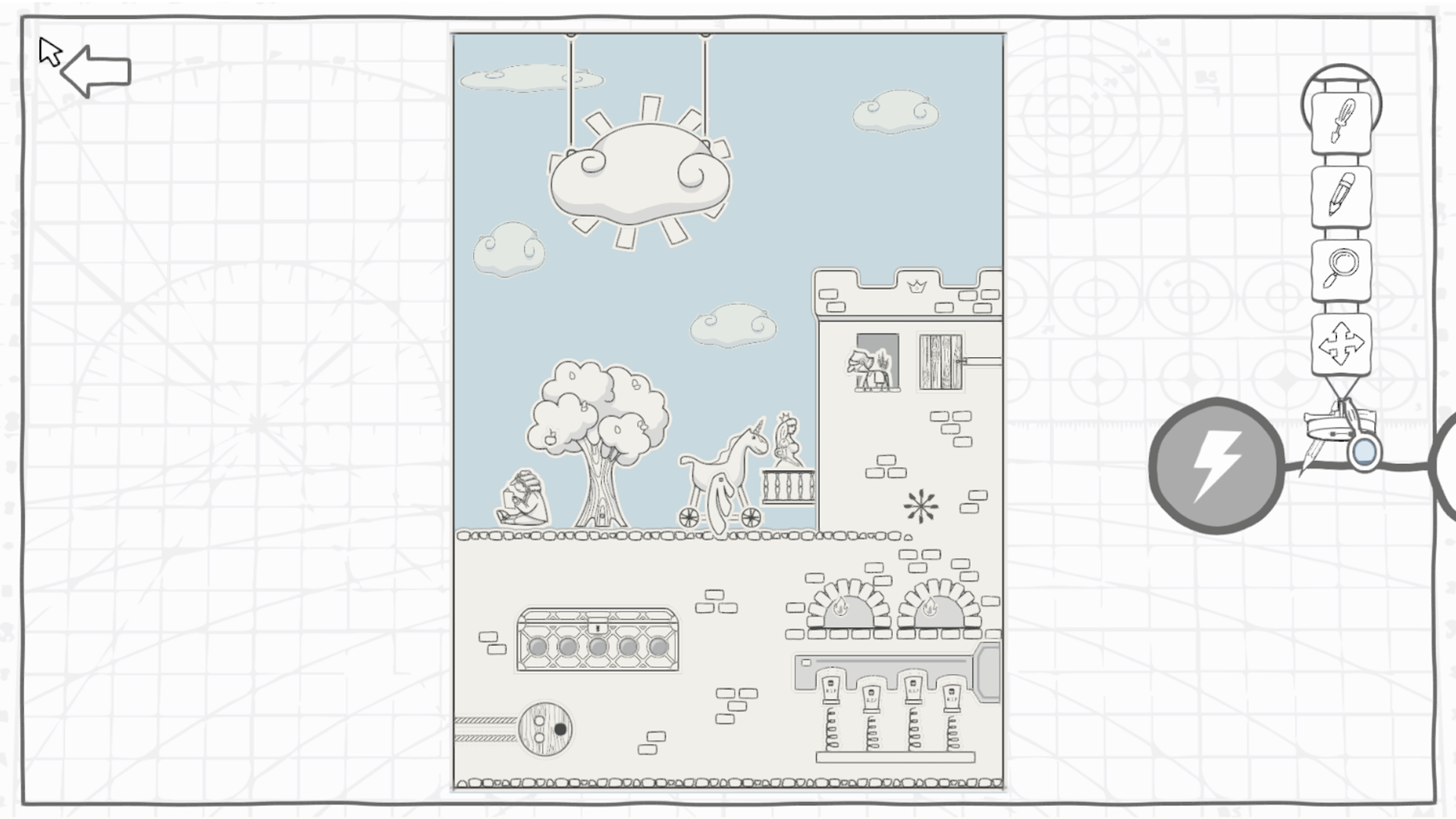
• Stylish minimalism: Clean 2D art that flirts with perspective and uses sparing, expressive animation to sell mood and motion. The palette and linework feel handcrafted: warm, slightly scratched, and curiously elegant.
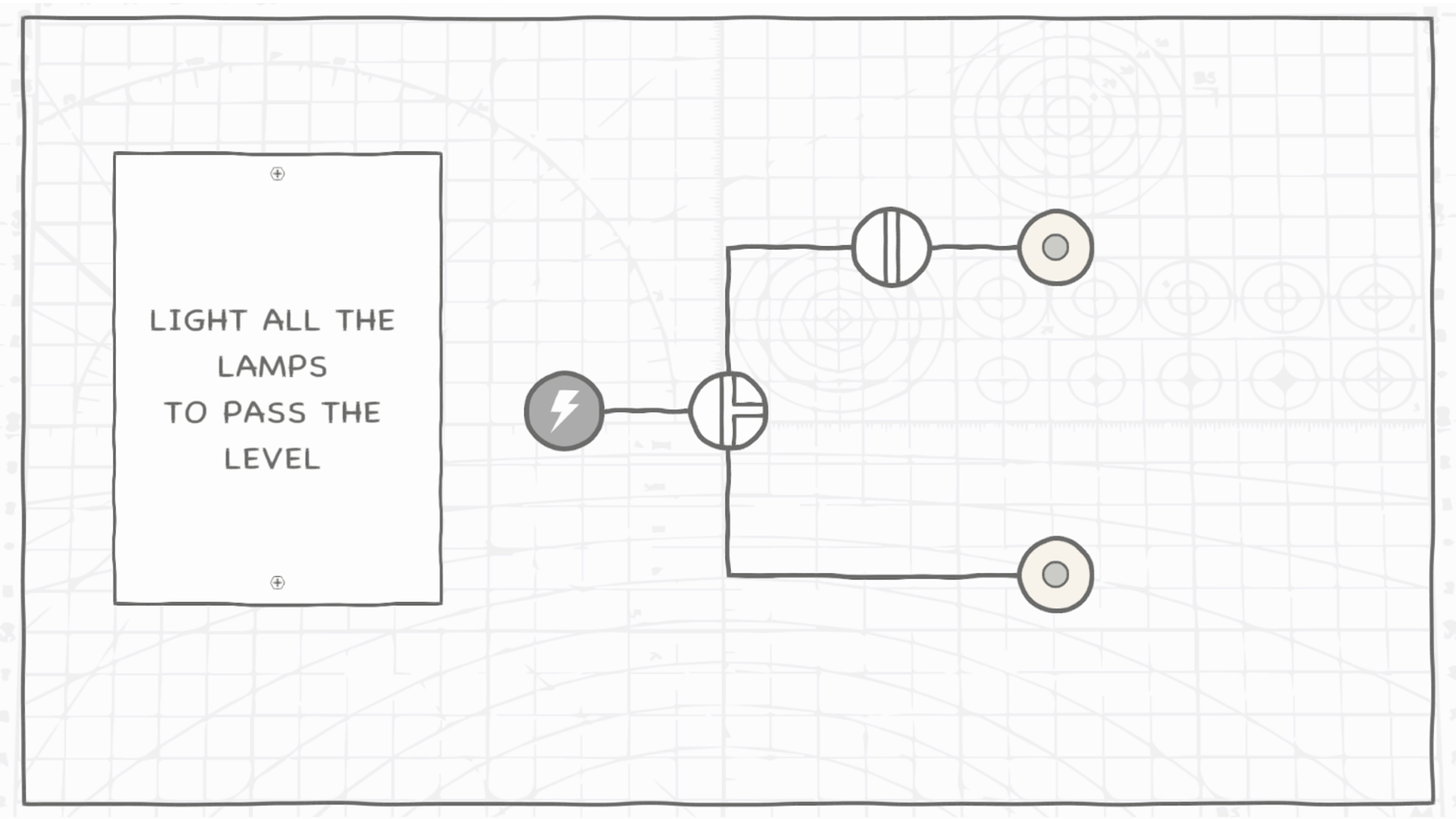
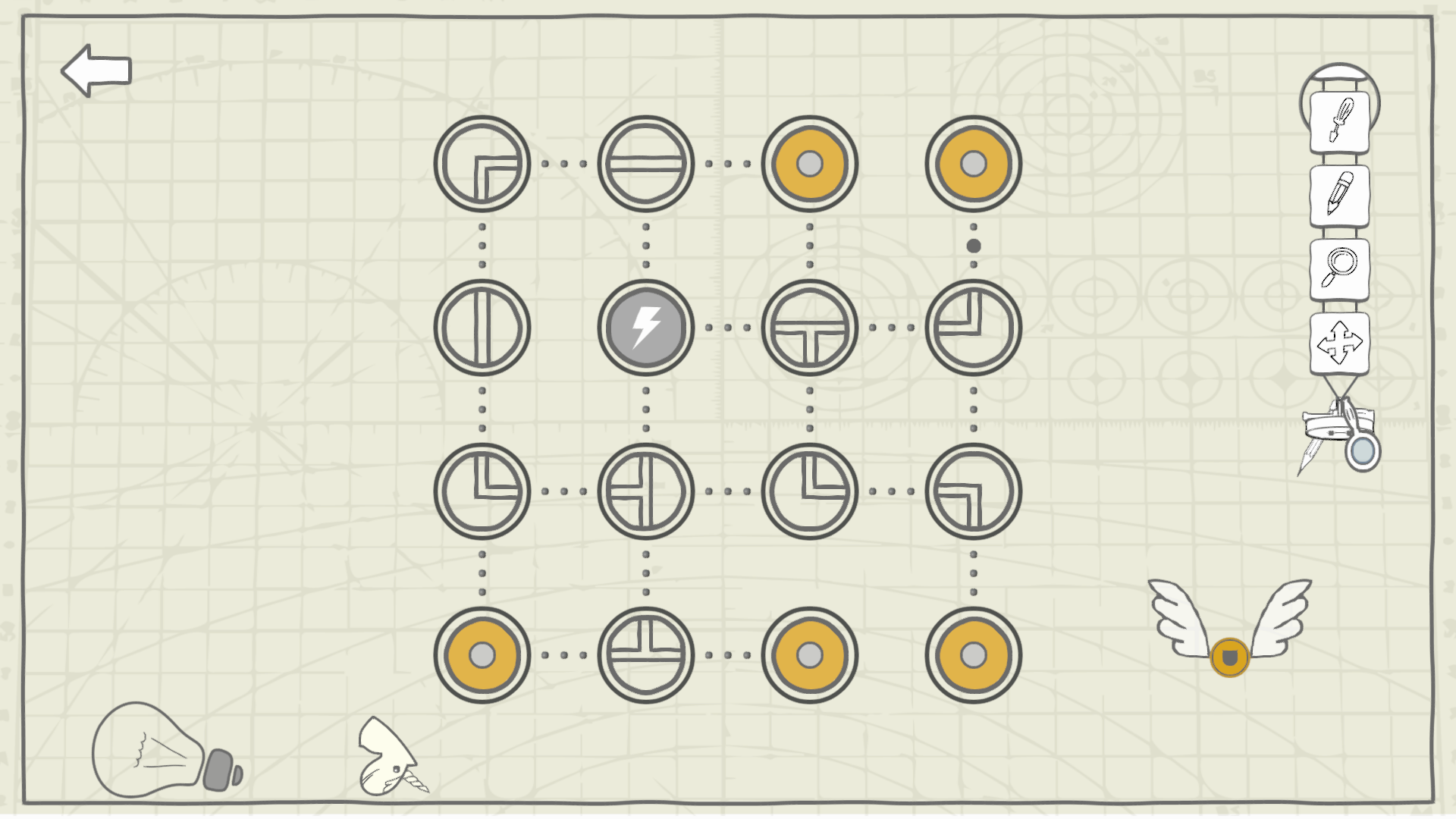
• Puzzle elegance over realism: Circuit motifs are a playful framework, not a textbook. Puzzles invite lateral thinking and joyful rule‑bending; the smartest solutions often come from ignoring the obvious “correct” approach and inventing your own logic.
• Fourth‑wall mischief: The game addresses you, remixes its UI, and rewrites its rules on the fly. Meta gags, developer cameo moments, and mechanics that make you think like a creator turn play into a collaborative act of finishing.
• Compact but deep puzzles: Levels are short and focused but dense with possibility. Many solutions arrive as satisfying “aha” beats; replaying earlier rooms often reveals hidden twists or newly unlocked tools that change everything.
• Memorable soundtrack: A mood‑shifting score that pairs melancholy with groove; it underlines beats, enhances revelations, and stands strong as a standalone listen.
• Small story, big feeling: The narrative is deliberately narrow and intimate: a tender, wry meditation on unfinished work and creative salvage. It’s light on plot but rich in tone and heart.

Core loop
• Investigate with intent: Move through pared‑down scenes, scrutinize odd objects, and experiment with every interactive scrap; the game rewards curiosity as much as correct choices.
• Use circuits as prompts, not rules: Treat panels, wires, and schematics as playful frameworks that suggest solutions rather than technical constraints.
• Think sideways: Aim for lateral answers: combine items in unexpected ways, exploit UI quirks, and follow patterns or jokes the game hides.
• Prototype and iterate: Try quick, low‑cost experiments; failed attempts often reveal the trick you need.
• Revisit and reframe: New mechanics unlock possibilities in earlier rooms, returning with fresh tools or a different mindset can flip a puzzle on its head.
• Trust the “aha” over brute force: The most satisfying solutions come from insight and pattern recognition, not mechanical trial‑and‑error.
Strengths
• Distinct personality: A singularly quirky voice threads through writing, art, and puzzles, making the game feel handcrafted and emotionally specific rather than generic.
• Inventive puzzle design: New mechanics and misdirections are introduced consistently, so solutions evolve across levels and the payoff of a solved puzzle often lands with genuine delight.
• Approachable yet deep: Puzzles favor intuition and lateral thinking over technical expertise, so newcomers can engage quickly while dedicated players can mine layers of emergent complexity.
• Polished audio‑visual identity: Spare, stylish visuals and a deeply expressive soundtrack work together to create a cozy, uncanny mood that’s equal parts whimsical and melancholic.
• Replay value through reveal: Mechanics that transform earlier scenes reward replay and curiosity, turning revisits into moments of discovery rather than repetition.
• Tight, confident design: The game’s constraints are purposeful, limits become creative prompts that drive clever solutions and memorable moments.

Small caveats
• Meta humor is divisive: The game frequently breaks the fourth wall and leans on self‑aware jokes; players who prefer straightforward puzzle sims or traditional narratives may find the tone jarring or unmoored.
• Deliberate teasing and friction: Many puzzles are designed to frustrate briefly before rewarding insight; if you dislike protracted puzzling or expect immediate clarity, some sections will feel slow or obtuse.
• Narrow narrative scope: The story is intentionally compact and focused on a singular conceit; those looking for sprawling plots, deep character arcs, or long‑form worldbuilding will likely feel the emotional payoff is small.
• Occasional gating by patience: A handful of solutions depend on willingness to experiment and revisit rooms; players who prefer linear progression or fast pacing may hit friction points.
• Humor and tone may age differently: The game’s quirky, tongue‑in‑cheek sensibility may not land across all cultural or age groups, so some jokes and meta beats could miss their mark.
Why it’s worth your time
Schematic Void turns constraint into craft, an intentionally unfinished game that hands you the tools and dares you to invent the rest. Its puzzles reward curiosity and lateral thinking, its meta jokes and fourth‑wall twists make play feel like a collaborative prank, and its polished minimalist art plus an emotionally sharp soundtrack give every solved puzzle a real sense of payoff. If you love clever mechanical surprises, playful narrative sleights, and compact adventures that value insight over brute force, Schematic Void is a rare indie that feels both inventive and warmly human.
Release and recommendation
Released November 11, 2025, from Meowton Games, Schematic Void is a small‑scale gem with outsized personality. It’s tightly focused, full of clever twists, and built around puzzles that reward curiosity and sideways thinking. Try the demo if it’s available; if you enjoy lateral puzzles, fourth‑wall mischief, and a soundtrack that sticks with you long after a session ends, wishlist it now and get ready to finish what the developer left delightfully undone.
Watch and Wishlist
• Wishlist Schematic Void: Add it now to get notified about discounts, demo drops, and the launch on Nov 11, 2025.
• Play the demo: Try a few puzzles to see if the lateral‑thinking loop and meta humor click for you.
• Follow Meowton Games: Track updates, soundtrack releases, and any post‑launch tweaks or bonus content.
• Watch trailers and creator playthroughs: Gameplay clips reveal the game’s tone and puzzle vibe far better than screenshots.
• Save the OST: If the demo’s music grabs you, wishlist or follow the soundtrack so you don’t miss its release.
• Join community spaces: Share puzzling wins, theories, and “aha” moments with other players; devs often respond to thoughtful feedback.
• Share with puzzle fans: Recommend it to friends who love lateral puzzles, meta jokes, or compact, clever indie adventures.
Key Takeaways
• Playful premise: The game’s unfinished state is the point: you’re invited to finish the developer’s work, turning incompletion into a design advantage.
• Fourth‑wall driven design: Frequent meta jokes, UI tricks, and developer‑as‑character moments reshape rules and make player agency part of the puzzle.
• Lateral puzzles over realism: Circuit motifs provide scaffolding, not instruction; solutions reward creative, sideways thinking rather than electronics expertise.
• Stylish minimalism: Warm, scratchy 2D visuals with selective animation and occasional perspective tricks create a handcrafted, intimate aesthetic.
• Compact but deep: Short, focused levels hide dense problem‑solving that often delivers delayed “aha” payoffs and benefits from revisiting earlier scenes.
• Memorable soundtrack: A mood‑shifting score that complements puzzles and stands strong as a standalone listen.
• Accessible complexity: Newcomers can engage quickly while patient solvers find layered mechanics and emergent depth to explore.
• Tone sensitivity: The meta, teasing humor and narrow narrative won’t suit players seeking straightforward puzzle sims or sprawling stories.
Game Information:
Developer & Publisher: Meowton Games
Platforms: PC (reviewed)
Release Date: November 11, 2025
Score: 8.0 / 10
Schematic Void is a clever, warmly strange puzzle adventure that thrives on restraint and wit. Its deliberate incompletion is a design strength: the game hands you half a world and trusts you to finish it, turning problem solving into playful co‑creation. Minimal visuals, nimble puzzles, and a standout soundtrack combine into an experience that’s consistently charming and frequently surprising.