A Game About Digging A Hole: The Backyard Descent - A tiny, meditative excavation with surprising depth. (Game Review)
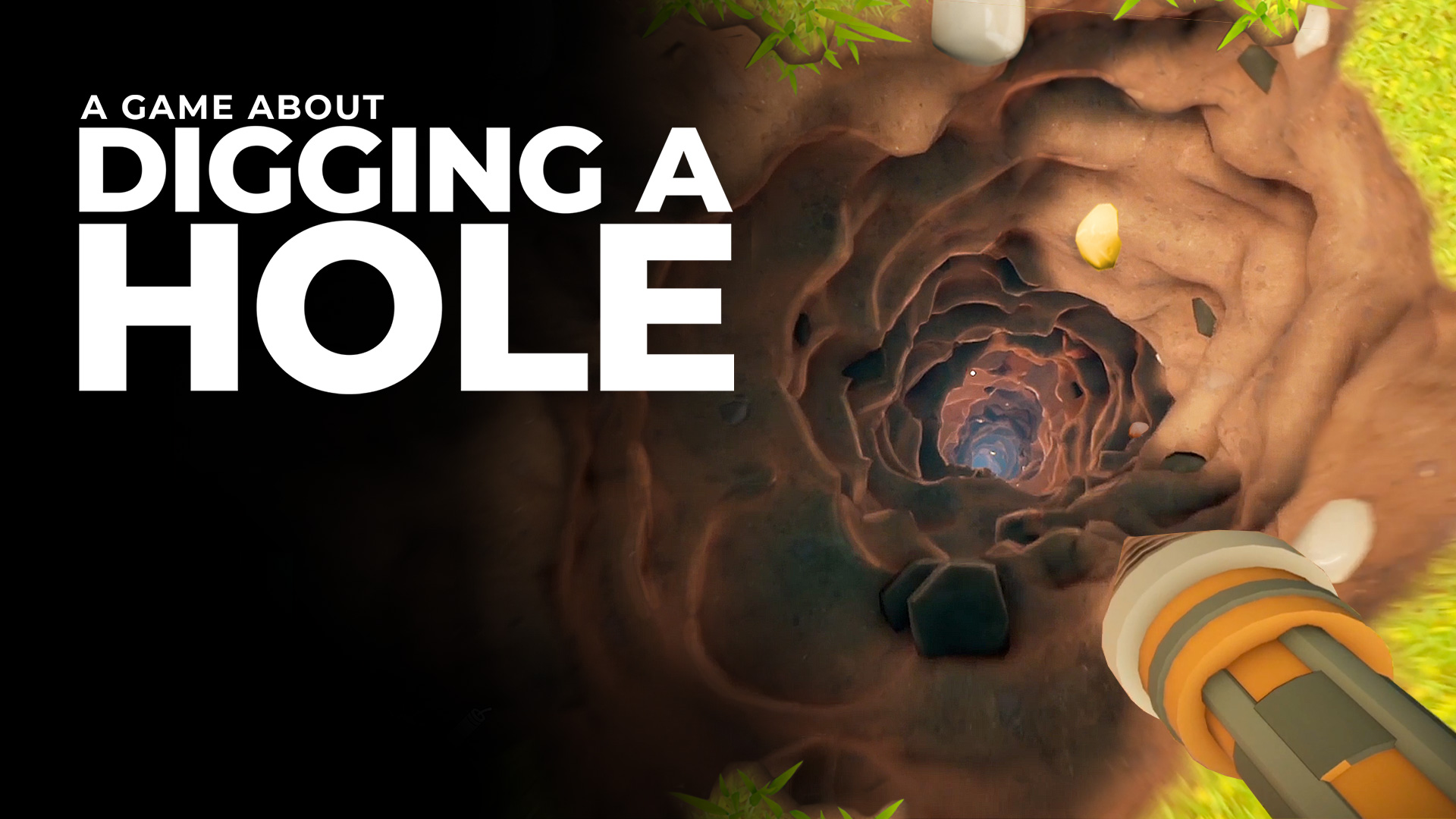
A Game About Digging A Hole is a minimalist, lovingly crafted indie that distills one irresistible urge into a tiny masterpiece: dig. Built by Ben in his spare time and released by DoubleBee on February 7, 2025, the game turns a humble backyard excavation into a compact, oddly meditative loop of discovery, barter, and incremental power.
Each spadeful yields curios, resources, and tiny narrative beats you can sell to upgrade your gear, letting you burrow deeper, faster, and stranger. It’s breezy to learn but quietly addictive to master: short, focused runs reveal layered secrets and satisfying progression, all for roughly the price of a coffee. Simple, sincere, and surprisingly replayable, it’s the kind of small game that sticks with you long after you climb back out.
Core loop
• Dig, collect, sell: Every spadeful can turn up ore, curios, fossils, or junk; each with different value and rarity. Sell your haul to fund upgrades, chase rare finds that unlock achievements or secrets, and balance inventory choices between immediate cash and long‑term payoff.
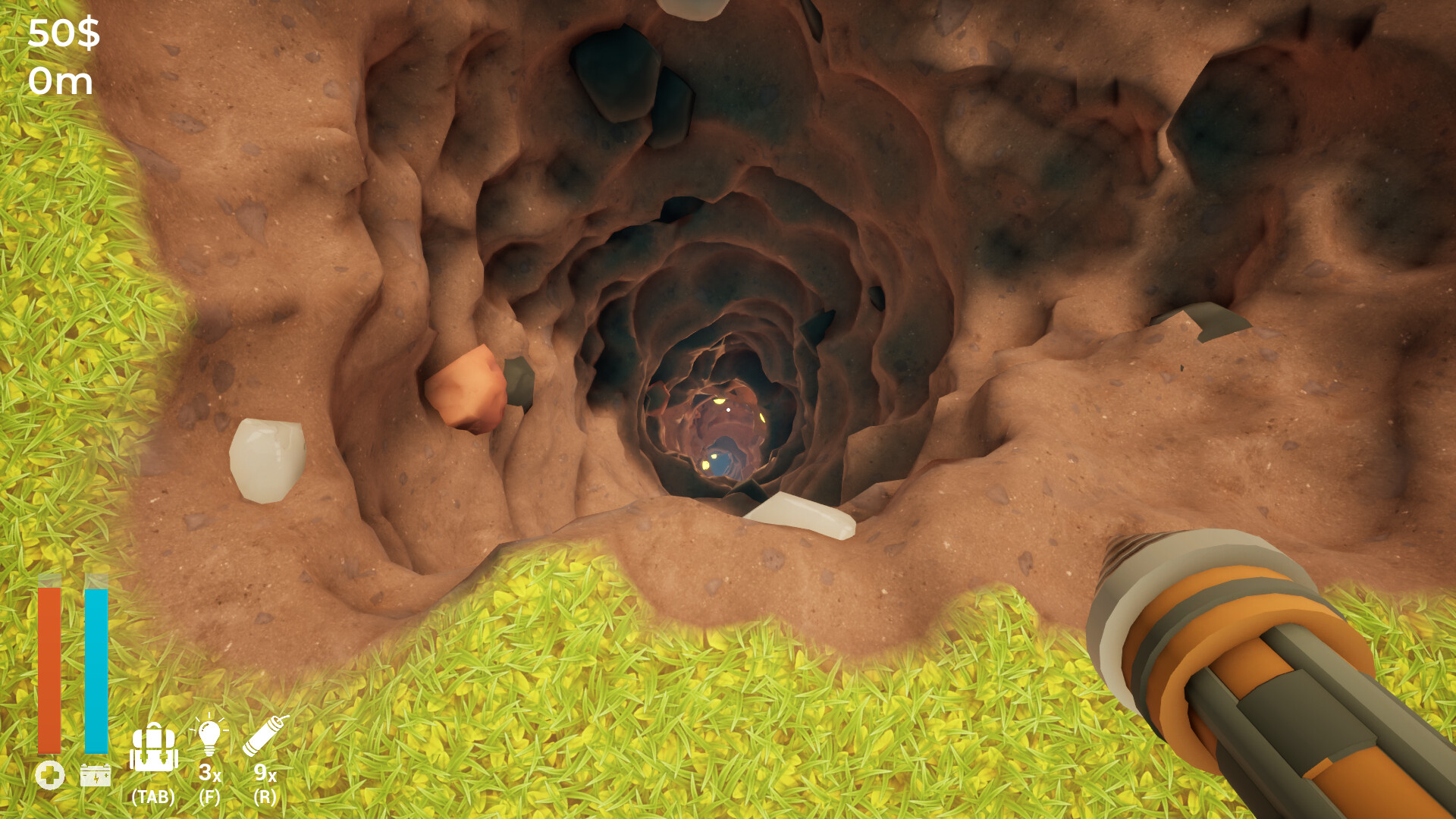
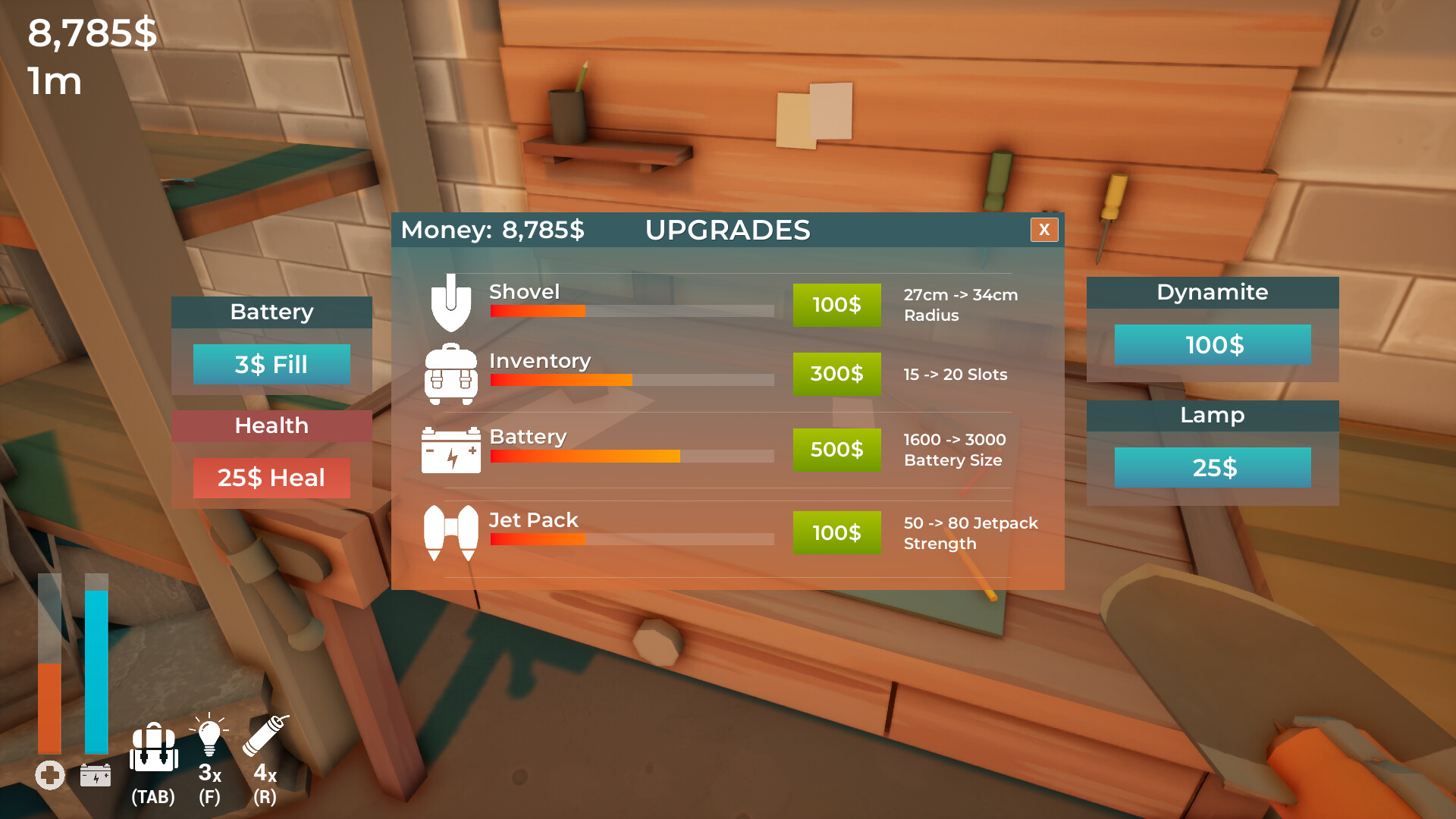
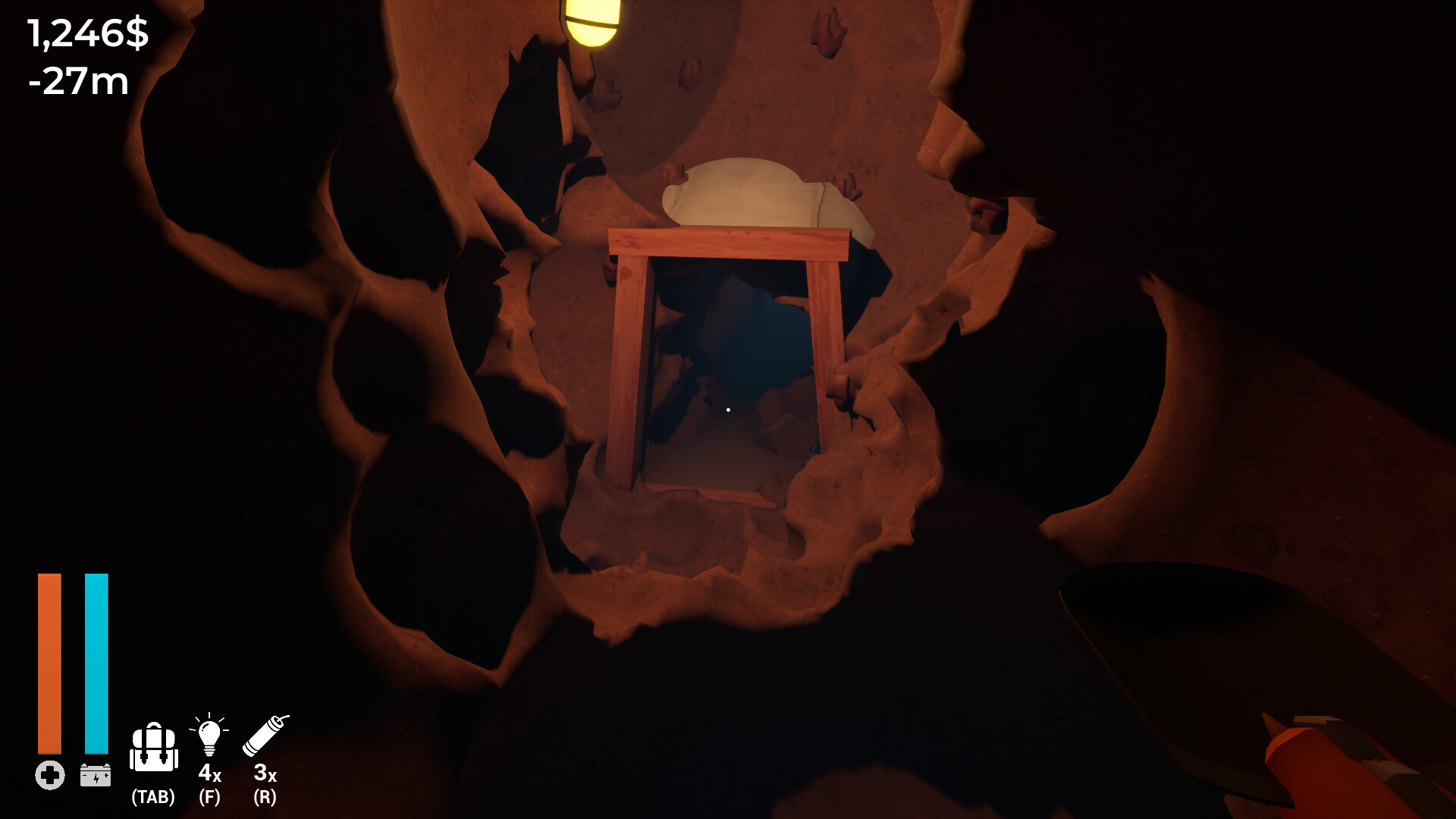
• Upgrade to go deeper: Improve tools and gear; stronger spades, drills, backpacks, boots, and utility items that boost digging speed, reach, carry capacity, and survivability. Upgrades open new mechanics (deeper shafts, faster tunneling, hazard mitigation), letting you push into previously unreachable layers.
• Uncover the secret: Progression is driven by discovery: depth markers, cryptic artifacts, and environmental clues gradually reveal the game’s mystery. Deeper strata change the tone, hazards, and story beats, so every meter down feels like a new chapter toward the hidden truth.
Gameplay feel
• Mechanically simple, deeply satisfying: The core act of digging is tactile and immediate, each spade strike has weight and rhythm. Incremental upgrades (stronger spades, faster drills, bigger backpacks) turn repetition into a clear sense of progression, so routine actions feel steadily more efficient and rewarding rather than grindy.
• Flexible pacing: Play it as a single, relaxing session or a longer completionist campaign, runs can be finished in about an hour, while 100% playthroughs and achievement hunts can stretch to 8–10 hours. The design supports both quick, mindless digging and deliberate, goal‑oriented runs, letting players set their own tempo.
• Meaningful risk and reward: Random hazards, rare finds, and one‑off items (the single‑use teleporter, hidden caches, environmental traps) inject tension into otherwise calm digging. Some choices around item rarity and single‑use mechanics can feel punitive; making a few late‑game tools reusable or adding alternative ways to spend excess currency would preserve challenge without tipping into tedium.
Visuals and tone
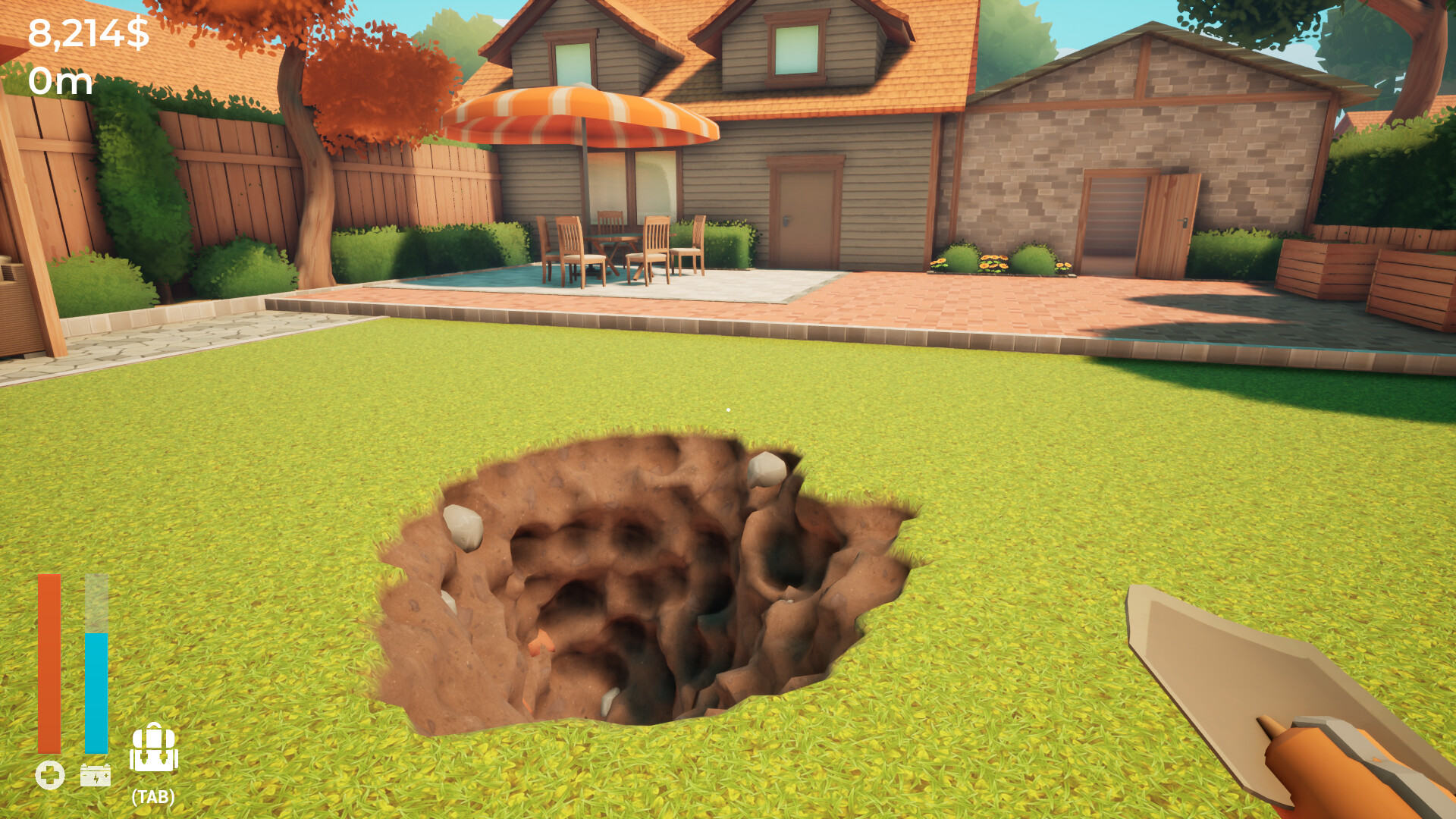
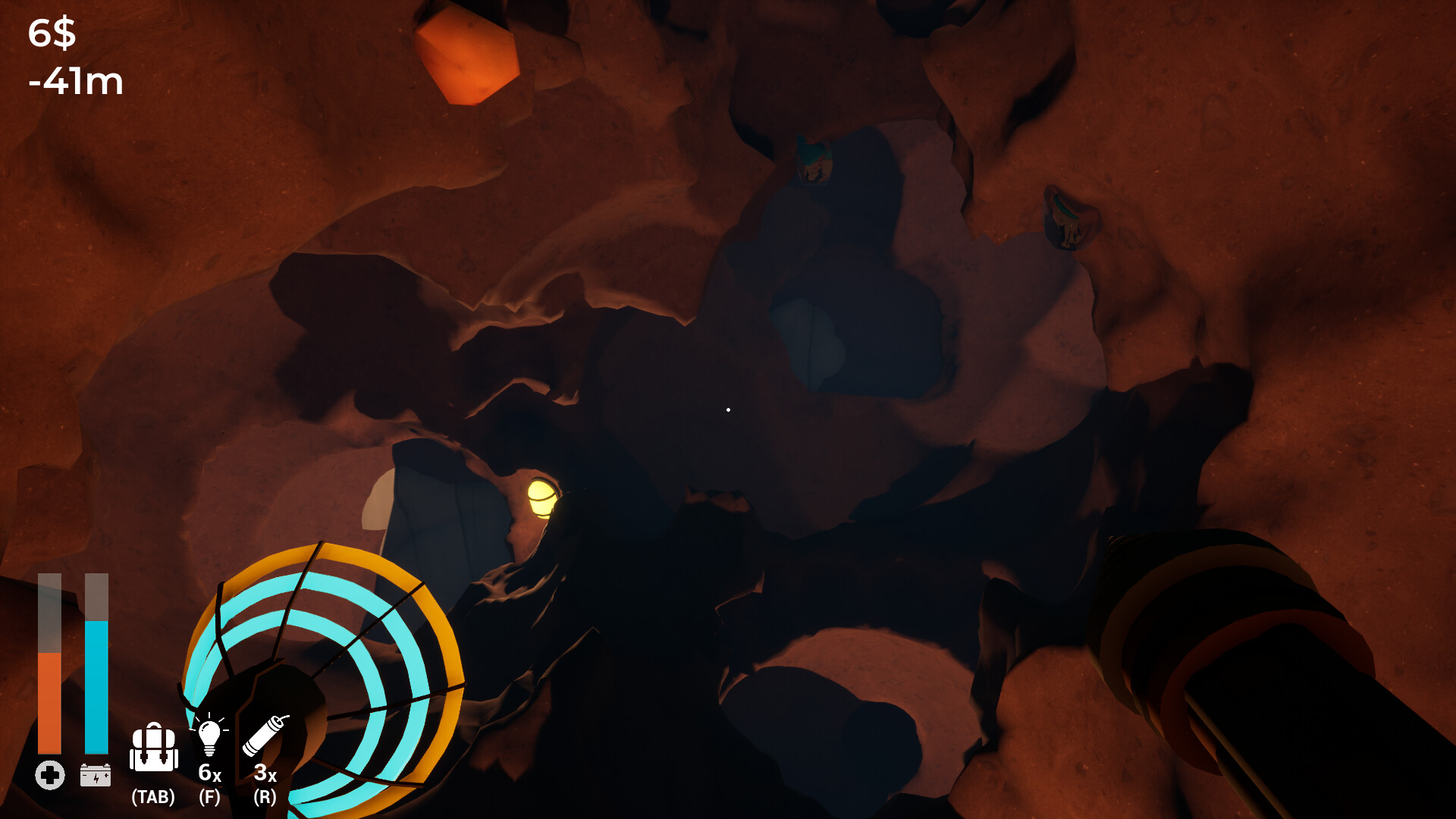
• Minimalist charm: Clean, uncluttered visuals keep the focus squarely on the hole and its layers; simple, readable sprites, restrained palettes, and deliberate negative space make each discovery pop. Subtle particle effects, tactile sound cues, and crisp UI affordances preserve clarity during long digs while reinforcing the game’s quiet, slightly absurd premise.
• Light humor and personality: The tone is warm and personal, Ben’s “coffee price” pitch, cheeky item descriptions, and small environmental gags give the game a human touch. These little flourishes turn routine digging into a characterful experience, making progress feel like a shared joke between player and creator rather than a sterile checklist.
Strengths
• Perfect for short breaks: Ideal for quick, low‑commitment sessions, each run is a compact loop you can finish between tasks. The game’s bite‑sized structure makes it a satisfying palate cleanser that still delivers a clear sense of progress.
• Accessible design: Controls and mechanics are instantly approachable, and the upgrade loop teaches itself through play. Early upgrades feel meaningful, so new players get rewarded quickly and can experiment without a steep learning curve.
• Replayability for collectors: Plenty of collectible variety and achievement targets keep completionists engaged; alternate digging strategies, rare curios, and 100% runs offer long‑term goals. The game’s simple systems hide emergent depth, rewarding players who chase optimization and hidden secrets.
Weaknesses and polish notes
• Content pacing: Many players hit the upgrade ceiling early and find the mid‑to‑late game repetitive once everything is maxed out. More late‑game goals or spendable progression would extend longevity.
• Ending and stability: The ending divides players, some feel it undermines the journey, and there are reports of crashes during cutscenes and missing achievements that need addressing.
• Item design: Single‑use critical items and unclear achievement triggers can create frustration; rebalancing reuse and clarity would improve the experience.
Final Verdict
A Game About Digging A Hole is a small, sincere indie that delivers exactly what it promises: the simple, tactile joy of digging. Built with care and personality, it’s charming, affordable, and perfectly tuned for short, satisfying sessions, each run feels like a neat little ritual of discovery, barter, and incremental power.
The upgrade loop and hidden curios give the game surprising replay value, and its minimalist presentation keeps the focus where it should be: the hole itself. With a few targeted quality‑of‑life improvements; deeper late‑game goals, clearer achievement tracking, and stronger stability and save safeguards, this modest gem could easily become a long‑lived favorite for players who appreciate focused, minimalist design.
Watch and Wishlist
• Why wishlist: Get notified of updates, patches, and any DLC or demo drops; be first in line for limited‑time discounts and playtest invites.
• Platforms to track: Steam (primary storefront and wishlist alerts); itch.io (developer demos and experimental builds); check PC storefronts for bundles or future console pages.
• How to stay informed: Follow the developer on Steam and itch.io, join the official Discord for patch notes and playtests, and follow the studio on X/Twitter or YouTube for trailers and announcements.
• Price perspective: $4.99, a low, coffee‑priced buy; expect occasional sales for wishlisters and strong value for short, repeatable play sessions.
Key Takeaways
• Core concept: A tiny, focused indie that turns a single, absurd premise; digging a hole, into a complete game loop built around discovery, upgrades, and a light mystery.
• Gameplay loop: Dig, collect, and sell resources to buy incremental upgrades that let you dig deeper; each meter down introduces new finds, hazards, and narrative beats.
• Pacing and length: Runs are short and satisfying for casual play (many finish in an hour), but completionists can stretch the experience to several hours chasing achievements and 100% runs.
• Accessibility and feel: Controls and mechanics are instantly approachable; the tactile rhythm of digging and visible upgrade payoff make the core loop feel rewarding from the first few minutes.
• Charm and presentation: Minimalist visuals, tight audio cues, and a warm, humorous tone give the game personality and make its low price feel generous.
• Replay value: Collectibles, achievement targets, and alternate digging strategies provide reasons to replay, though some players report the mid‑to‑late game loses momentum once upgrades are maxed.
• Polish issues to watch: Reports of crashes during cutscenes, missing achievements, and frustrating single‑use items undermine the experience for some players and would benefit from fixes and clearer UI feedback.
• Who it’s for: Ideal for players seeking a low‑commitment, meditative diversion with light progression and collectible goals; not aimed at those wanting deep mechanical complexity or long campaigns.
Game Information:
Developer: DoubleBee
Publisher: rokaplay select, Drillhounds
Platforms: XBOX (reviewed), Nintendo Switch, PC, PlayStation 5
Release Date: February 7, 2025
Score: 8.0 / 10
A Game About Digging A Hole is a small, sincere delight: tactile digging, a satisfying upgrade loop, and a warm, minimalist personality deliver excellent value at a coffee‑price. It’s perfect for short breaks and casual completionists, with surprising replayability for collectors. A few targeted fixes; more late‑game goals, clearer achievement tracking, and improved stability around cutscenes, would lift it from a charming diversion to a lasting indie favorite.
“8.0 / 10 - A tiny, delightful time‑waster: simple to learn, oddly addictive to master, and worth the price of a coffee.”