Alchemists: Banishment Brigade - Modern ritualists, cursed locations, and frantic teamwork against a hostile spirit. (Game Review)

Alchemists is a tense, cooperative ritual‑horror game for 1–4 players that turns elemental puzzles and monster encounters into frantic, teamwork‑driven play. Scavenging for Air, Fire, Water, and Earth components and coordinating the 4‑Element ritual creates high‑stakes moments where communication and quick thinking matter more than aim or reflexes.
The game shines in group sessions; jump scares land harder, improvised strategies feel rewarding, and each map’s layout reshapes how you approach the ritual, but it’s held back by visual clarity and stability issues that sometimes undermine the tension.
With clearer visuals, tighter equipment reliability, and a few targeted polish patches, Alchemists could become a go‑to co‑op horror hit; as it stands, it’s a wildly fun, if occasionally rough, experience best enjoyed with friends.
About the Game
Alchemists casts you as a modern ritualist: you and up to three allies comb cursed sites for the elemental components needed to perform the Air, Fire, Water, and Earth rites, then race to complete the ritual and expel a vengeful spirit before it rends your team apart.
The premise is clean and immediate, but its power comes from emergent co‑op chaos; split‑second decisions, improvised roles, and frantic coordination turn each run into a tense, cinematic scramble.
Tools and gadgets feel meaningful when they work, monster encounters force you to adapt on the fly, and the game’s design favors shared panic and teamwork over long single‑player arcs, making it a perfect party horror experience that rewards communication and quick thinking.
How it plays
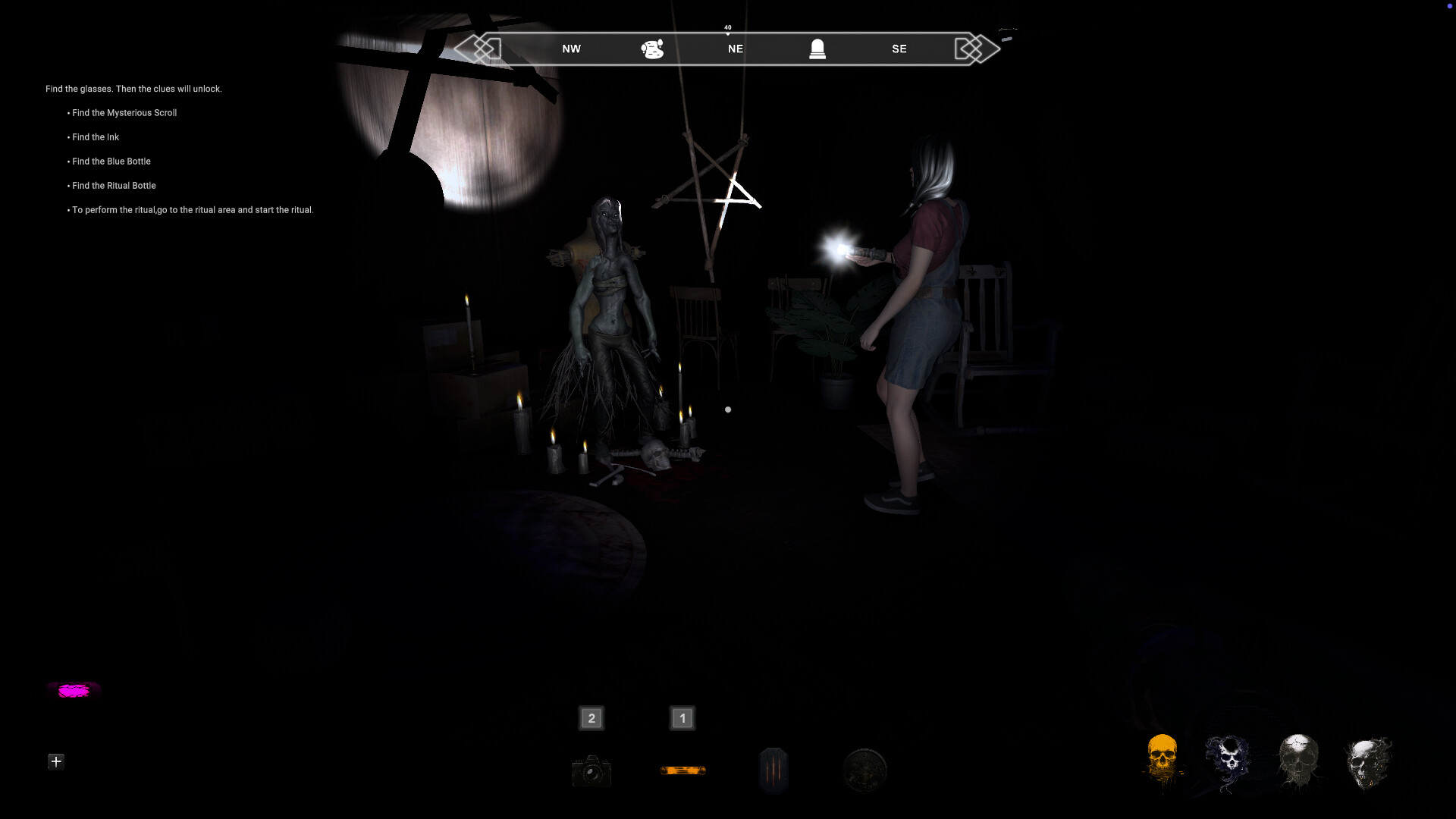
Gameplay pivots on search, coordination, and razor‑timed decisions. Teams naturally divide into roles; one player combs rooms for ritual components, another holds and defends ritual sites, while teammates juggle tools, set traps, and create distractions, so every run becomes a choreography of complementary tasks.
Tools like cameras, detectors, and deployable barriers feel weighty and meaningful when they function, turning a successful gadget use into a genuine team win; when they glitch, the stakes spike and improvisation becomes essential.
Monster encounters are built to reward clear communication and split‑second thinking: learning an enemy’s tells and counterplay transforms panic into satisfying mastery.
The loop is approachable to pick up but brutally tense to execute in the heat of a hunt, where one missed cue or mistimed action can cascade into a frantic, unforgettable scramble.
Maps and monsters
The current map roster; Trasmoz, Abandoned School, and Demon Village (with Farm House incoming); offers distinct environments that force different ritual strategies.
Trasmoz’s winding, claustrophobic alleys favor stealth and split‑team searches; the Abandoned School layers verticality and locked classrooms that turn item hunts into tense, timed sweeps; Demon Village spreads rituals across open courtyards and narrow lanes, rewarding baiting and coordinated defenses.
Each map’s unique setpieces; hidden basements, ritual altars, flickering power nodes, and environmental hazards; reshapes how you place wards, allocate roles, and bait the monster, so learning a location’s flow is as important as mastering the enemy.
Strengths
• Co‑op thrills: Playing with friends amplifies both tension and dark humor; emergent moments; split decisions, last‑second saves, and improvised roles; turn routine runs into memorable stories. Teamwork is genuinely rewarding because success depends on clear calls, complementary tasks, and the satisfying chaos of coordinated improvisation.
• Clear objective: The 4‑Element ritual provides a crisp, high‑stakes framework that shapes every decision and run. It creates natural pacing; search, secure, assemble, and defend; so every discovery matters and comebacks are possible, which keeps each session focused and emotionally charged.
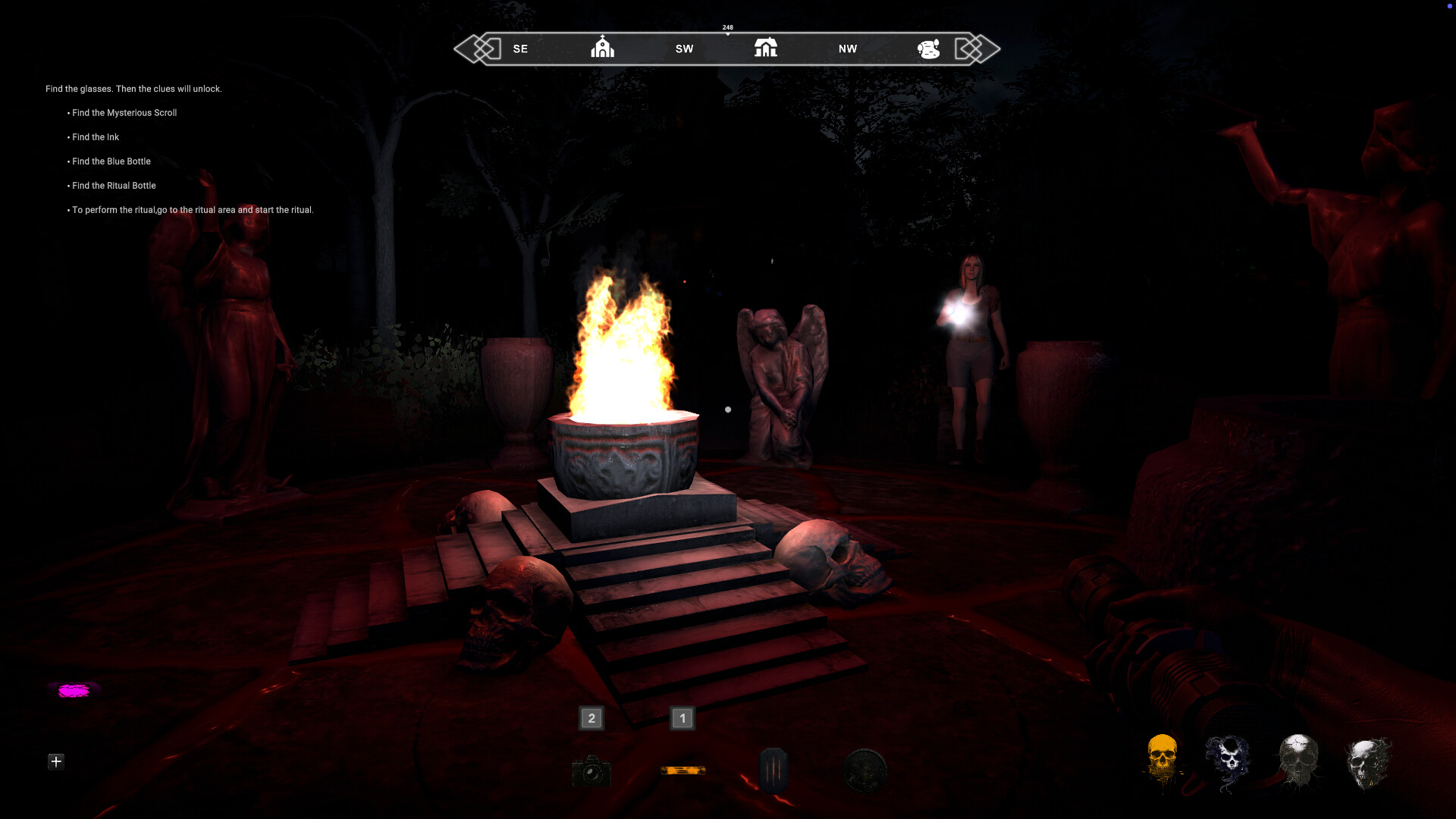
• Atmosphere: Realistic visuals, layered lighting, and careful set dressing deliver effective jump scares and persistent unease; sound design and environmental detail turn ordinary corners into “oh no” moments. The result is a tactile, cinematic mood where a single creak or shadow can flip a calm sweep into full‑blown panic.
Issues and fixes needed
• Visibility problems: Multiple players report that scenes are too dark or muddy even after adjusting settings, which is a critical accessibility and playability issue. Add dedicated brightness/gamma, contrast, and exposure sliders, a toggle for post‑process effects (film grain, bloom, LUTs), and an accessibility preset that boosts object contrast and UI legibility. Also expose flashlight intensity and dynamic exposure options, and include an in‑game visual test scene so players can confirm settings actually improve visibility.
• Bugs and stability: Equipment failures (dead cameras, invisible items), unclear mic behavior, and intermittent crashes break immersion and frustrate teams. Prioritize fixes for reproducible equipment bugs, add robust error states and clear UI feedback when a tool is offline, and implement a simple mic status indicator and voice test. Ship a stability patch with telemetry to catch edge cases, and follow up with hotfixes for any spawn or state‑sync issues that cause desyncs or lost items.
• Item clarity: Locating ritual components can feel fiddly and slow, especially in tense runs. Introduce subtle, non‑intrusive visual cues; soft outlines, faint glows, or a short-range scanner ping, that can be toggled or limited by difficulty; add an optional hint system that reveals a general direction after a set time. Improve item contrast in low light and provide clearer pickup feedback (sound, UI pop, and brief on‑screen confirmation) so players always know when a component has been found and registered.
Who should play
If you enjoy short, tense co‑op horror sessions with friends and don’t mind early‑access rough edges, Alchemists is a blast. Solo players can enjoy it, but the game truly shines as a group experience where communication and improvisation win the day.
Final Verdict
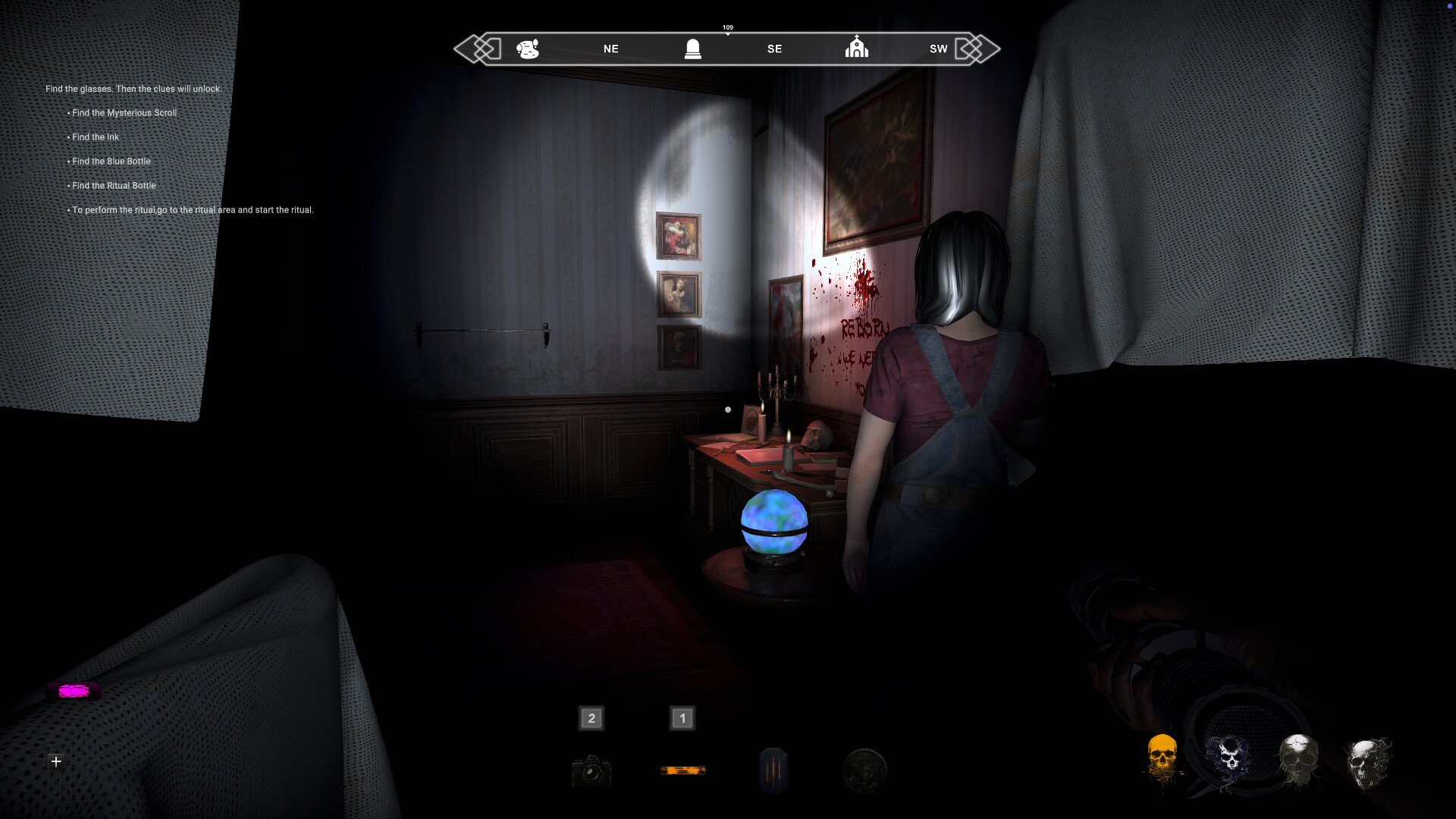
Alchemists delivers the co‑op horror fantasy with infectious energy: frantic, ritual‑driven runs, memorable monster encounters that force on‑the‑fly strategy, and teamwork that turns near‑disasters into triumphant saves. The core loop is immediate and cinematic; scavenging, assembling the four rites, and holding ground under pressure creates pulse‑pounding moments that are as satisfying as they are chaotic.
With targeted polish; clearer visuals and exposure controls, more reliable equipment behavior, and crisper item telegraphing; this could be a standout, bargain‑priced co‑op horror. As it stands, it’s highly recommended for groups who love cooperative scares, emergent panic, and shared highlight reels, provided they’re willing to tolerate a few rough edges while the studio irons out stability and clarity.
Watch and Wishlist
• Why wishlist: Alchemists is evolving rapidly; visibility/exposure fixes, equipment and stability patches, and new maps (Trasmoz, Abandoned School, Demon Village; Farm House incoming) materially change the co‑op loop; wishlisting ensures you get demo alerts, patch notes, and sale notifications so you can jump back in when meaningful updates land.
• Platforms to track: PC (Steam) is the primary platform with demo and Early Access/full release activity; watch for later console ports (PlayStation, Xbox, Nintendo Switch) which often include performance and QoL improvements.
• How to stay informed: Wishlist on Steam and enable notifications; follow developer WASD Game Studio on Twitter/X, Facebook, and Instagram; join the official Discord for hotfixes and community chatter; and watch devstreams and patch notes for timing purchases around major visibility, stability, and content updates.
Key Takeaways
• Core concept: Alchemists is a cooperative ritual‑horror game for 1–4 players where you gather elemental components and complete the 4‑Element ritual to expel a hostile spirit. The premise is immediate and built for shared panic rather than long single‑player arcs.
• Gameplay loop: Runs emphasize search, coordination, and timing; split roles, manage tools, and defend ritual sites. The loop is easy to learn but tense to execute, with one missed cue often cascading into frantic improvisation.
• Co‑op strengths: Teamwork is the game’s best feature. Clear calls, complementary roles, and last‑second saves create memorable emergent moments and make the game especially fun with friends.
• Atmosphere and presentation: Realistic graphics, layered lighting, and sound design deliver effective jump scares and sustained unease. When visuals and tools behave, the game nails cinematic, late‑night horror vibes.
• Content variety: Current maps; Trasmoz, Abandoned School, Demon Village, offer distinct flows and setpieces that change tactics; Farm House is incoming and will expand replay options.
• Main issues: Visibility problems, equipment glitches (broken cameras, missing items), unclear mic behavior, and occasional crashes undermine playability. Item telegraphing can be fiddly in tense runs.
• What to expect from updates: Priority fixes that matter most are brightness/exposure controls, tool reliability patches, clearer UI feedback for equipment, and improved item cues; these changes will materially improve the co‑op loop.
• Who should play: Recommended for groups who love short, intense co‑op horror sessions and shared highlight moments. Solo players can enjoy it, but the game truly shines as a team experience.
Game Information:
Developer & Publisher: WASD Game Studio
Platforms: PC (reviewed)
Release Date: February 21, 2025
Score: 6.5 / 10
A promising co‑op horror experience with a strong core loop and great social moments, but one that’s held back by visibility, stability, and clarity issues that frequently interrupt the fun.
“6.5 / 10 - A promising co‑op horror with thrilling teamwork and ritual tension, held back by persistent visibility, stability, and clarity issues that keep it from reaching its full potential.”