Captured: Hallway of Echoes - Explore a shifting corridor, document the strange, and escape. (Game Review)
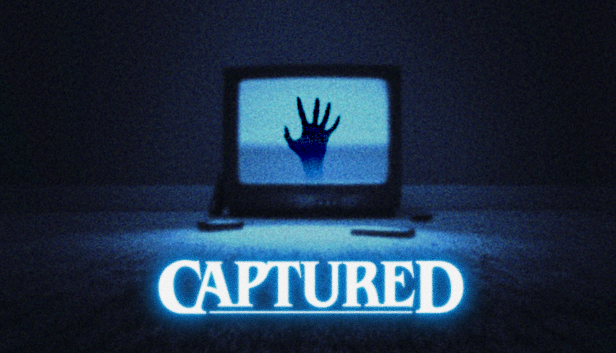
Captured plunges you into a looping, late‑’90s nightmare where your only weapon is a camera and your only escape is perfect recall.
The game refines analog horror into a razor‑sharp, replayable ritual: wander a procedurally generated hallway, zoom in on increasingly surreal anomalies, survive three uniquely hostile entities, and correctly catalogue thirteen disturbances to shatter the loop.
It’s lean by design; eschewing longform story for mounting dread, tactile VHS‑tinged atmosphere, and a satisfying memory‑based puzzle that turns every run into a tense, focused test of observation and nerve.
How it plays
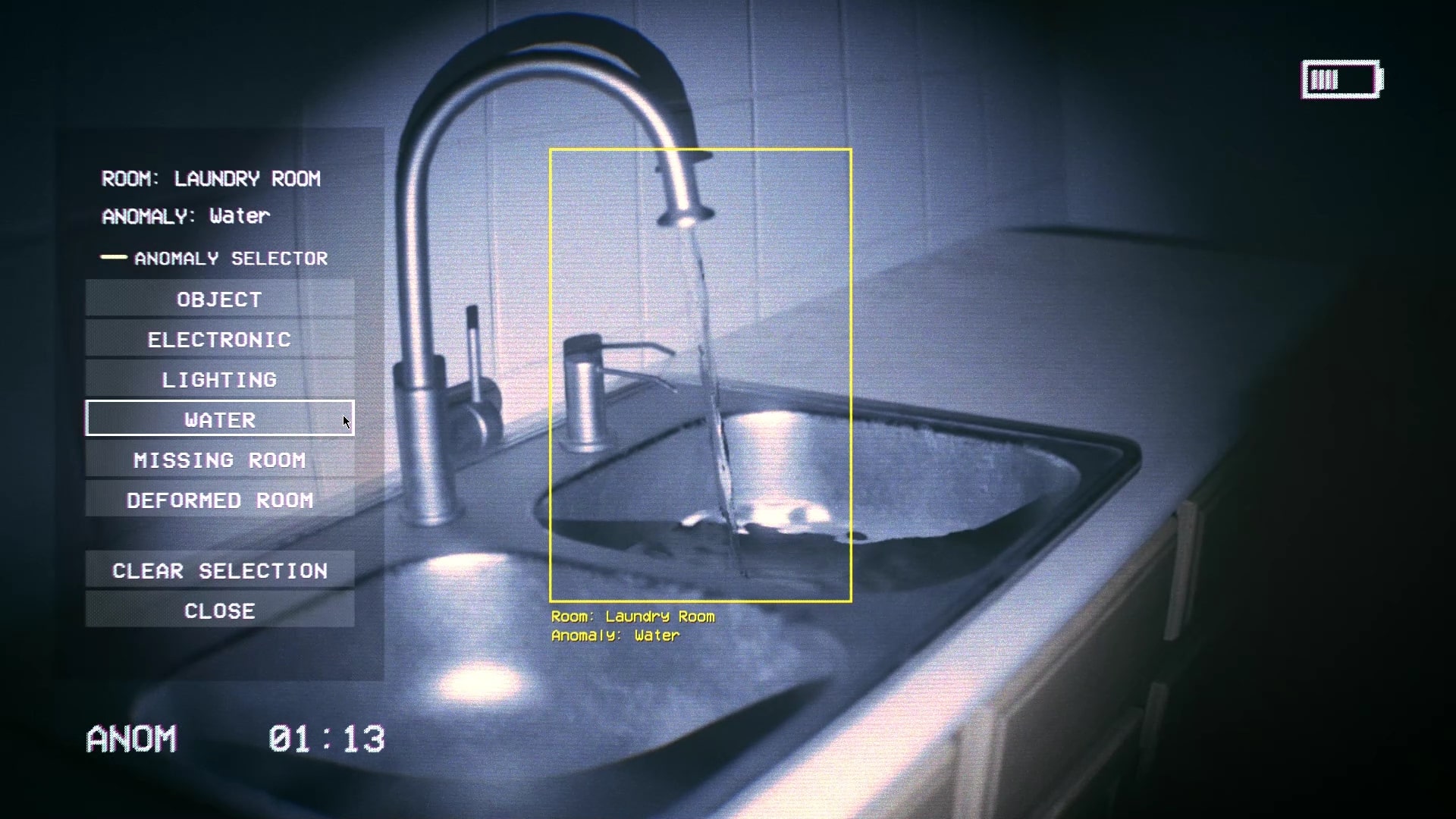
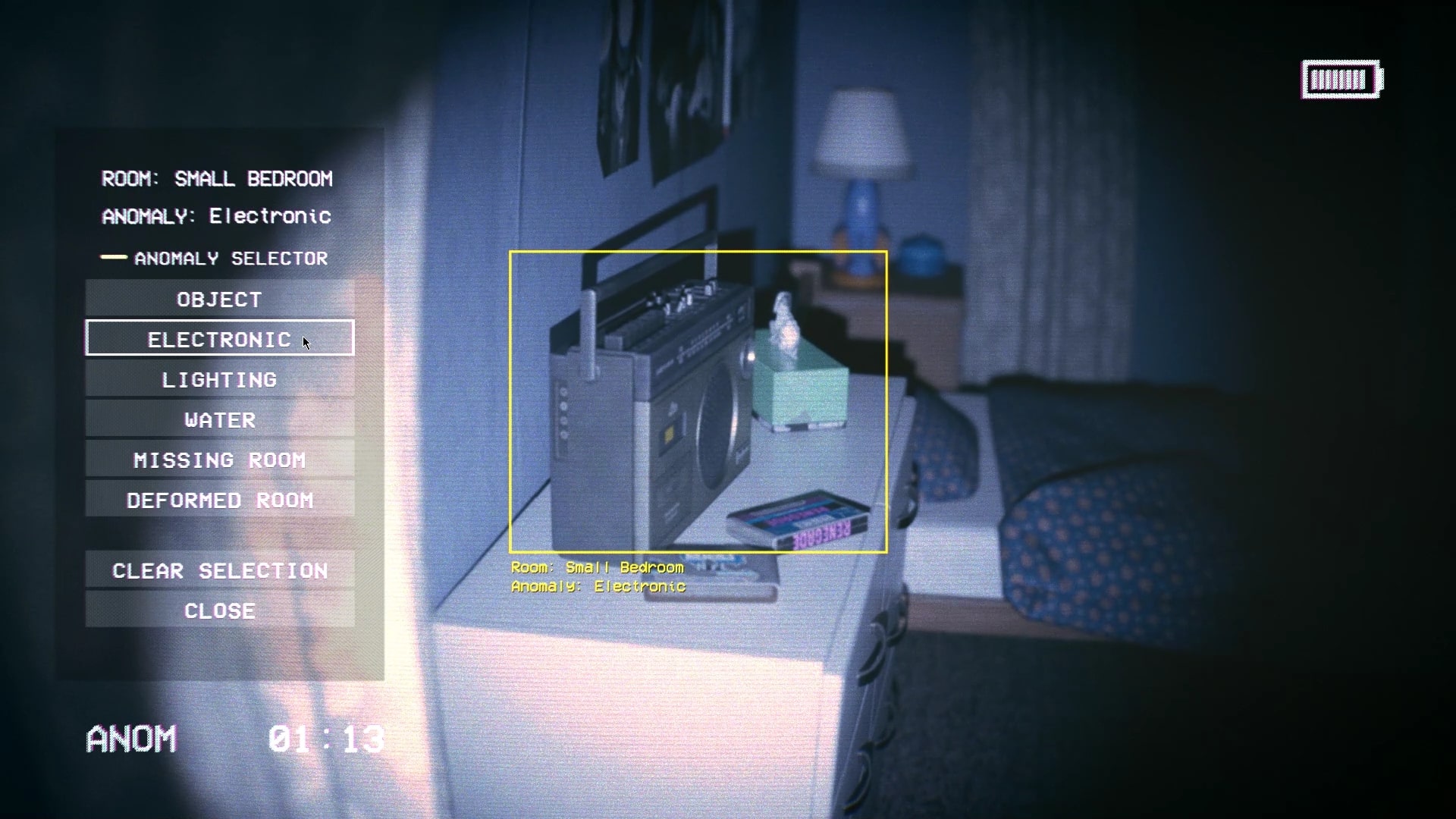
• Core loop: Move from room to room, scan for subtle changes, zoom in with your camera, and accurately classify anomalies; Object, Electronic, Lighting, Water, Missing Room, or Deformed Room. Missed or misidentified anomalies wipe your camera’s memory and reset your progress, turning each capture into a high‑stakes cognitive puzzle rather than a passive checklist.
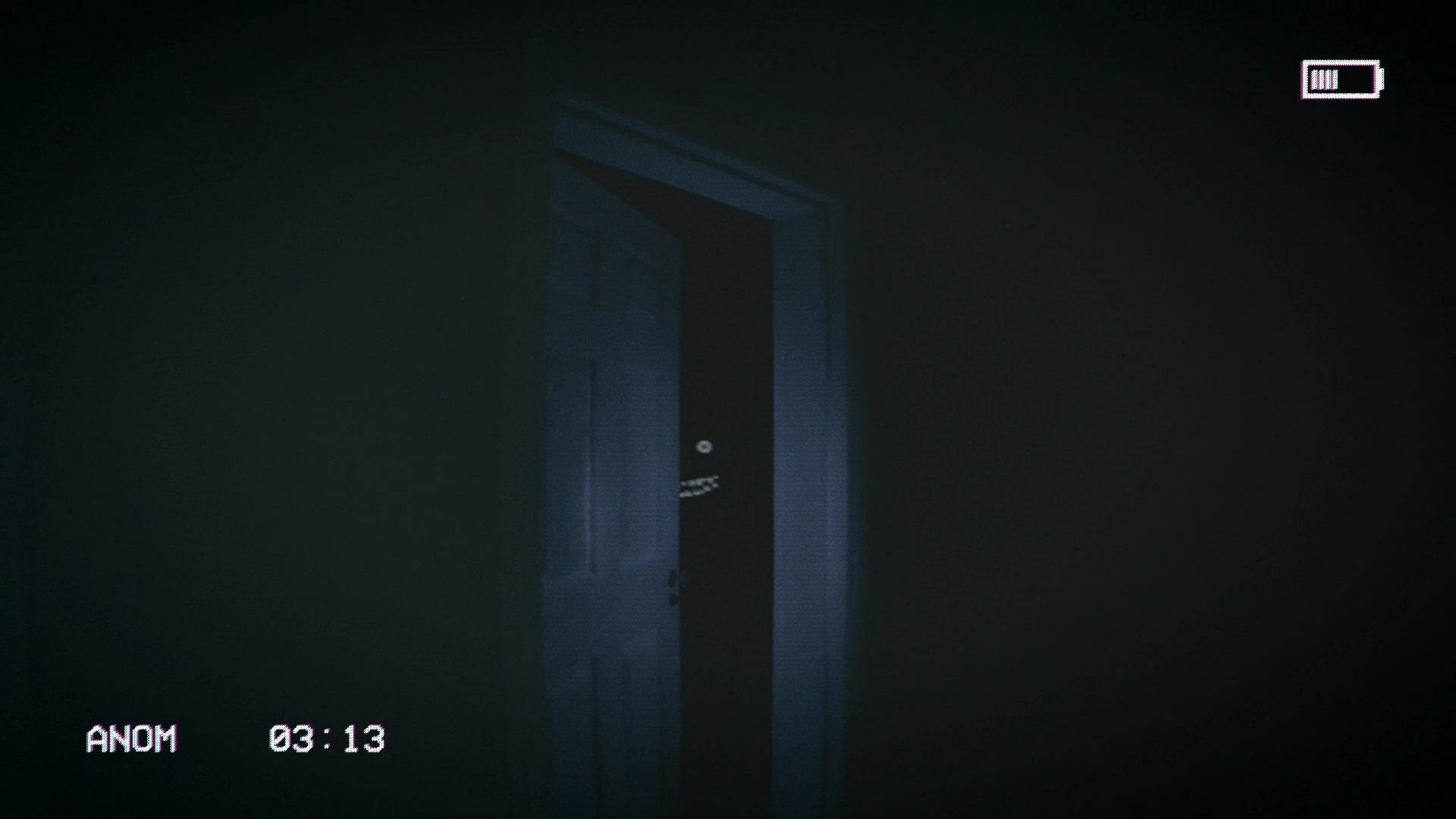
• Tension mechanics: Silence is a tool and a liability. Lingering increases the chance of detection, while rushing invites mistakes. Use the flashlight, doors, and camera in concert: the flashlight reveals clues but can draw attention; doors buy time but can be forced; the camera records evidence but consumes memory on failure. Each entity reacts differently, so timing and resource tradeoffs matter.
• Progression by memory: Escape is earned through observation and recall, not combat. The game trains sustained focus: correctly identify thirteen anomalies to break the loop. Success rewards calm, methodical play and pattern recognition, while mistakes punish overconfidence; making every run a tense exercise in attention and nerve.
Atmosphere and presentation
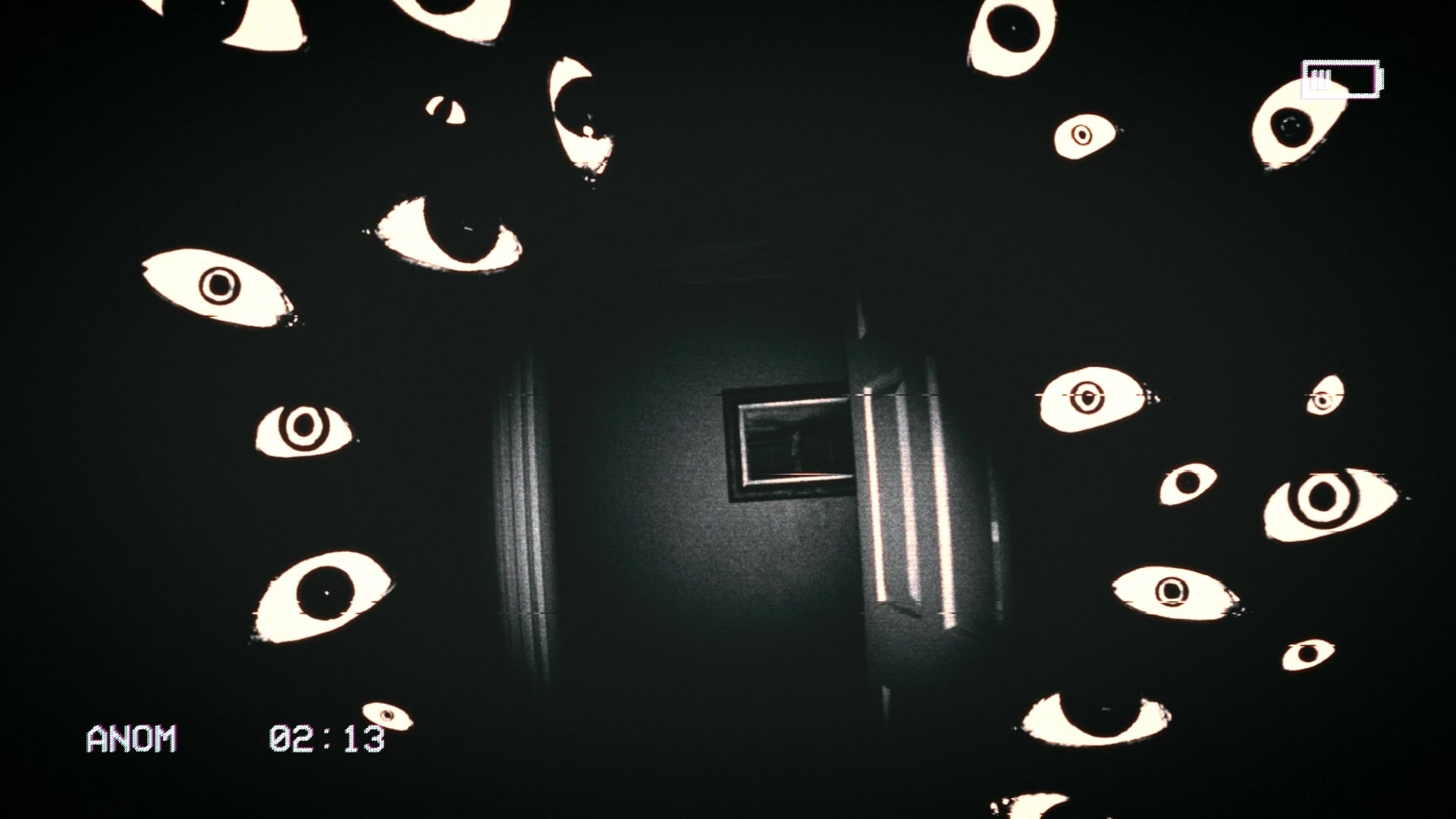
Captured perfects the analog‑horror mood with a late‑’90s VHS sheen layered over hyper‑real visuals and a deliberately minimal HUD. The procedurally generated hallway begins as a comforting domestic corridor and, room by room, unravels into something uncanny as darkness, static, and surreal anomalies accumulate.
A dynamic camera system; complete with zoom, grain, and tape‑like artifacts; and an immersive, weighty flashlight movement make the world feel tactile and immediate; every flicker, hum, or misplaced object reads as a potential threat.
Tight sound design and subtle visual cues amplify that dread, turning ordinary rooms into claustrophobic set pieces where attention to detail is the difference between escape and being consumed by the loop.
Enemies and anomalies
• Three monsters, three playstyles: Each entity demands a distinct survival strategy, one punishes noise and forces stealthy pacing, another manipulates light and punishes careless illumination, while the third turns doors and camera timing into life‑or‑death choreography. Encounters feel like short, tense puzzles rather than generic chases; learning an enemy’s tells and counterplay transforms dread into satisfying mastery and keeps the loop from ever feeling predictable.
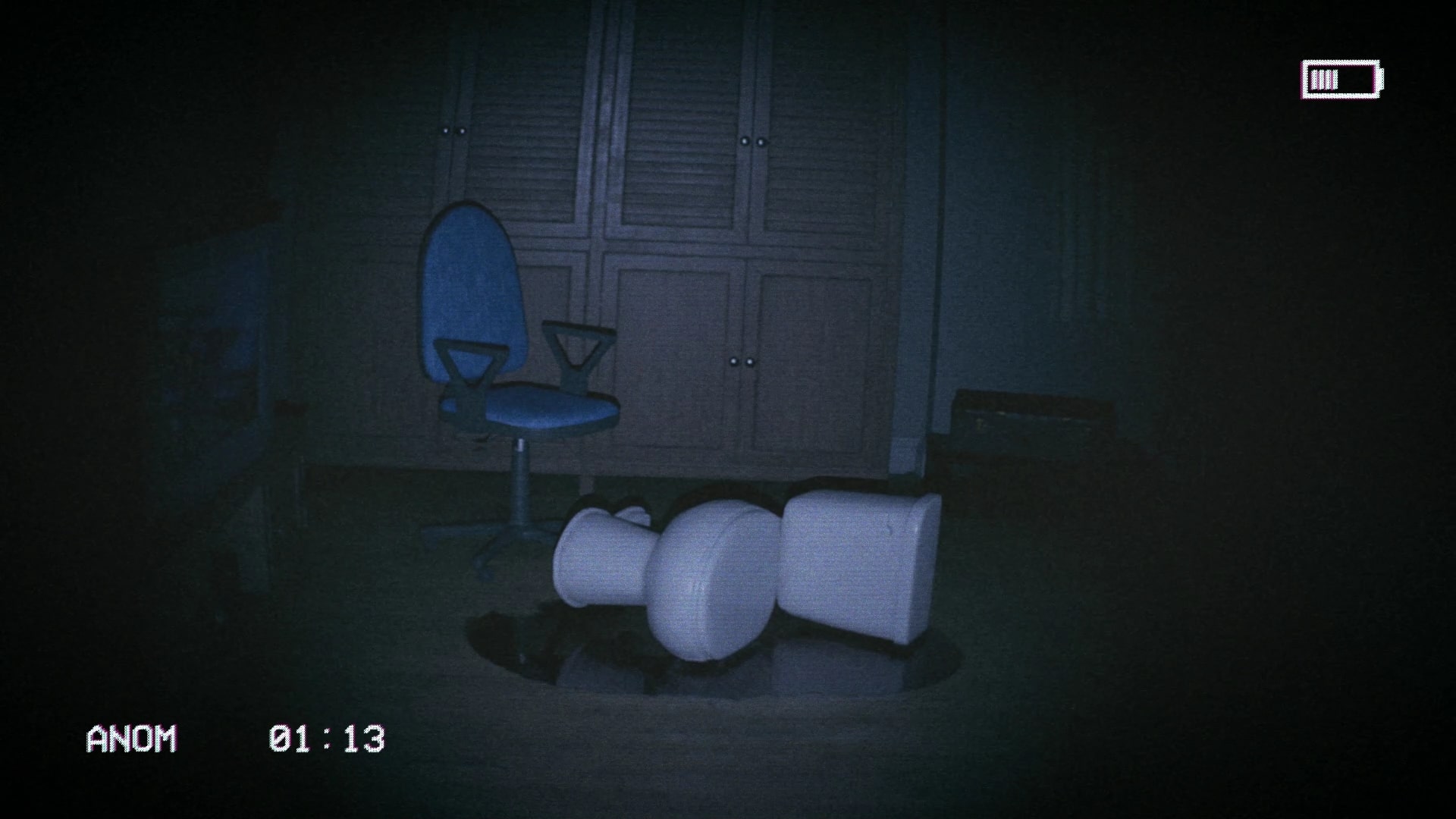
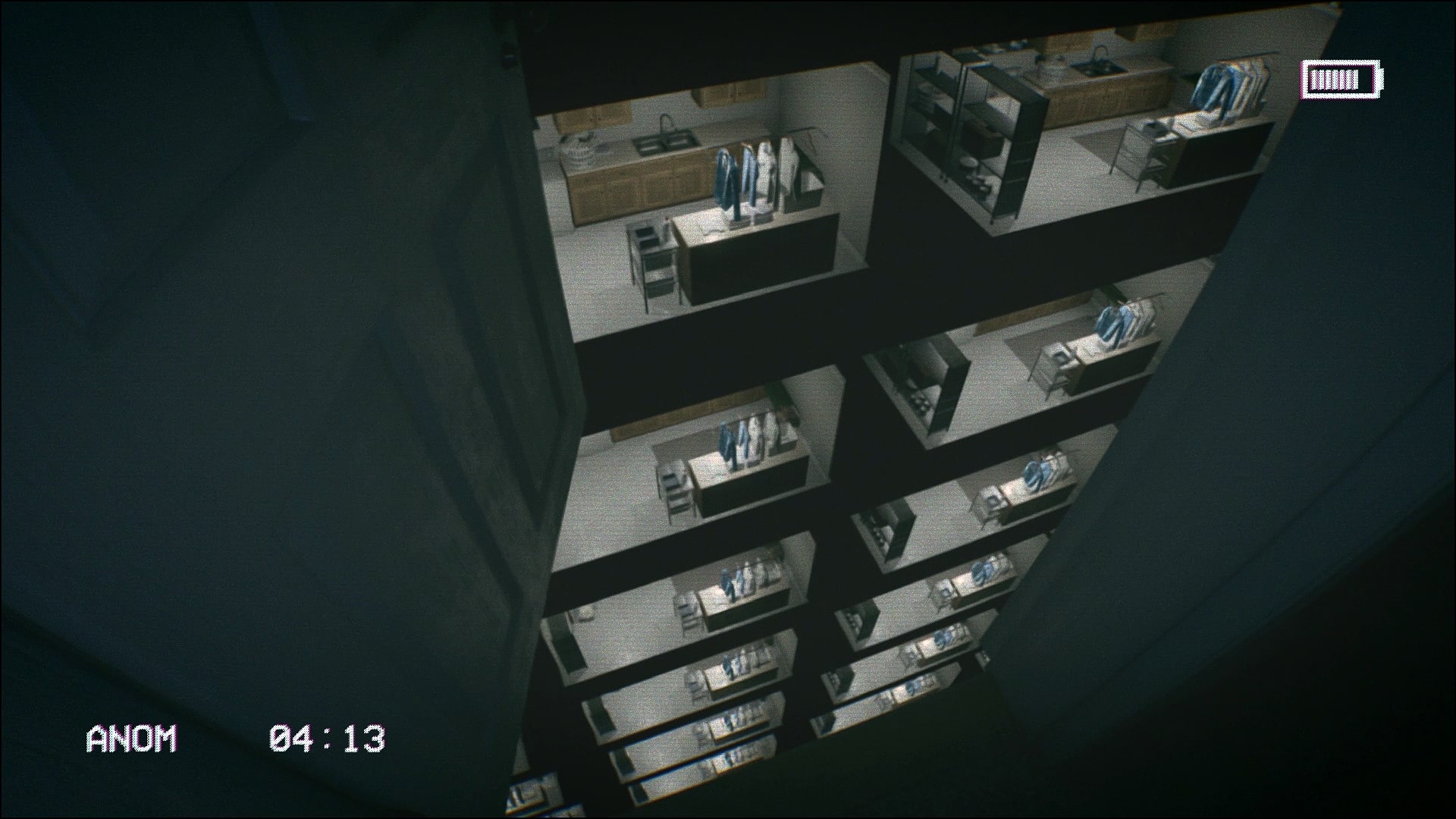
• Bonkers anomalies: The game delights in surreal, often darkly comic disturbances; from warped furniture to absurd plumbing horrors, that puncture tension with personality. Correctly identifying these bizarre changes is both the core puzzle and the emotional payoff: each successful capture lands like a small, gleeful reveal that rewards attention and makes every run feel uniquely strange.
Strengths
• Focused, replayable design: Short, self‑contained runs and a single, clear objective make sessions effortless to start and hard to stop, each attempt feels meaningful, and the loop rewards quick retries and incremental mastery.
• Immersive atmosphere: VHS‑tinged grain, hyper‑real movement, and a stripped‑back HUD combine to create a claustrophobic, late‑’90s mood that turns ordinary rooms into uncanny set pieces.
• Clever enemy design: Three distinct monsters force different counterplay; stealth, light management, and precise door‑and‑camera timing, so encounters play like compact puzzles rather than repeated chases.
• Observation over reflexes: The tension comes from attention and memory, not twitch skill; correctly identifying anomalies is the core reward, making the horror feel cerebral, tense, and deeply satisfying.
Areas to improve
• Length and variety: Runs can feel short; add more room archetypes, themed anomaly sets, and mid‑run events (timed objectives, sudden power outages, temporary safe rooms) to break repetition and create memorable run‑defining moments. Rotating daily or weekly modifiers and a handful of handcrafted “signature” rooms would also stretch longevity without bloating session length.
• Occasional oddities: On higher difficulties, rare spawns and quirky enemy behaviors sometimes read as bad luck rather than emergent horror. Improve telegraphing (audio cues, subtle visual pre‑spawns, brief camera artifacts) and tighten spawn logic to make threats feel fair and readable; prioritize fixes for edge‑case behaviors that break tension.
• Deeper systems: The core memory puzzle is elegant but light. Introduce meta progression (cosmetic and mechanical unlocks), optional objectives (collectibles, time trials, anomaly chains), and run modifiers (hardcore, stealth, limited‑memory modes) to give players long‑term goals and varied playstyles without diluting the tight loop.
• Quality‑of‑life and pacing tools: Small additions; an optional hint toggle, adjustable run length, and clearer in‑run feedback for classification accuracy; would reduce frustration and let players tailor the experience, keeping the game accessible while preserving its tense, observation‑driven core.
Who should play
Captured is ideal for players who enjoy slow‑burn, observation‑driven horror rather than jump‑scare marathons. It’s great for streamers and groups who want shareable, chaotic moments, and for anyone who appreciates analog horror aesthetics and tight, memory‑based challenges. If you prefer long campaigns or complex systems, this one’s intentionally compact; but that brevity is part of its charm.
Final Verdict
Captured is a polished, unnerving indie that elevates a deceptively simple premise into a razor‑sharp analog‑horror loop.
Procedurally generated corridors, three mechanically distinct predators, and a camera‑based memory puzzle combine to create a tense, tactile experience where observation is survival.
Surreal, often darkly comic anomalies puncture the dread with personality, and the VHS‑tinged presentation and minimal HUD make every flicker and misplaced object feel menacing.
A little more room variety and a few targeted polish passes would push it from excellent to essential, but even now Captured is a compact, memorable horror bite; perfect for players who want cerebral scares, replayable runs, and late‑night weirdness that sticks with you.
Watch and Wishlist
• Why wishlist: Captured’s procedural loops, anomaly sets, and enemy mechanics evolve with patches and new modes; wishlisting ensures you’re notified about demos, balance tweaks, QoL updates, and sales.
• Platforms to track: PC (Steam) demo and full release; watch for potential console ports on PlayStation, Xbox, and Nintendo Switch.
• How to stay informed: Wishlist on Steam, follow developer Puck Redflix and publisher Puck Games on social channels, join the official Discord for patch notes and community news, and tune into devstreams and release notes for demo drops and major updates.
Key Takeaways
• Core concept: Captured is an analog‑horror walking sim built around a single, tense premise; escape an endless, late‑’90s hallway by photographing and correctly classifying surreal anomalies.
• Tight, high‑stakes loop: Short, procedural runs center on observation and memory: find anomalies, zoom and classify, and avoid mistakes that wipe your camera’s progress. This makes each run feel urgent and meaningful.
• Atmosphere and presentation: VHS grain, realistic movement, and a minimal HUD create a tactile, oppressive mood; the dynamic camera and weighty flashlight amplify dread and make ordinary rooms feel uncanny.
• Smart encounter design: Three distinct monsters force different counterplay; stealth, light management, and precise door‑and‑camera timing; turning encounters into compact puzzles rather than repetitive chases.
• Personality through anomalies: Surreal, often darkly comic disturbances (yes, toilets) inject character and levity into the horror; correctly identifying them is both the puzzle and the payoff.
• Replayability and limits: The game’s short runs and clear objective make it highly replayable, but it could benefit from more room types, anomaly sets, and mid‑run events to reduce repetition over time.
• Polish and balance needs: Occasional spawn quirks on higher difficulties and a desire for deeper meta systems (modifiers, progression, optional objectives) are the main areas where targeted updates would add longevity.
• Who will enjoy it: Ideal for players who prefer cerebral, observation‑driven horror and shareable, stream‑friendly moments; those seeking long campaigns or deep systems may find it intentionally compact.
Game Information:
Developer: Puck Redflix
Publisher: Puck Games
Platforms: PC (reviewed)
Release Date: October 15, 2024
Score: 9.0 / 10
A near‑perfect analog horror experience that turns a simple, elegant premise into sustained dread and delight. It’s polished, inventive, and consistently tense, delivering memorable runs that stick with you long after you stop playing.
“9.0 / 10 - A near‑masterclass in analog horror; taut, inventive, and relentlessly tense, with only a few scope and edge‑case quirks keeping it from perfection.”