Corporation Liberty: Terminal Shift - Four workers, one terminal, and a system that punishes failure. (Beta Preview)

Corporation Liberty turns the office into a pressure chamber: up to four players share a single terminal and must coordinate under brutal, ever‑shifting quotas. Each shift is a tense, procedurally generated gauntlet of timed tasks where small mistakes cascade into catastrophic failures and the workstation itself delivers corrective consequences.
The game compresses workplace dynamics into a high‑stakes social experiment, clear communication and ruthless efficiency keep you alive, while missteps, selfish play, or simple bad luck invite punishment. It’s a lean, merciless premise: cooperate to survive, exploit or be exploited, and learn that in this facility obedience is safety and failure is replaced.
How it plays
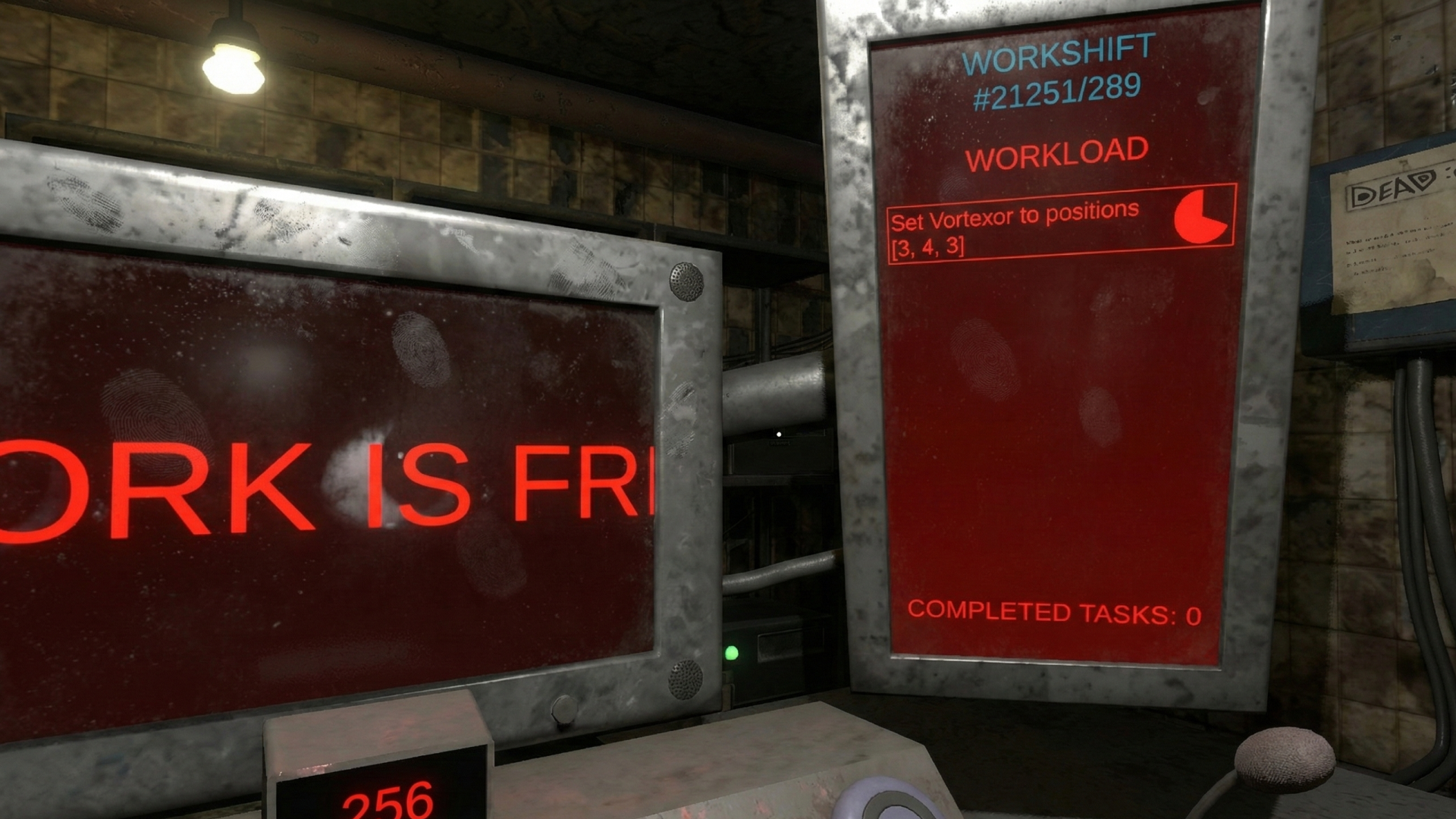
• Shift structure: Each round is a relentless, timed sequence of randomized objectives. Tasks range from quick micro‑actions to multi‑step procedures, and the workstation enforces strict quotas that must be met before the clock expires. The result is a constant tension between speed and accuracy, every second saved or wasted changes the outcome of the shift.
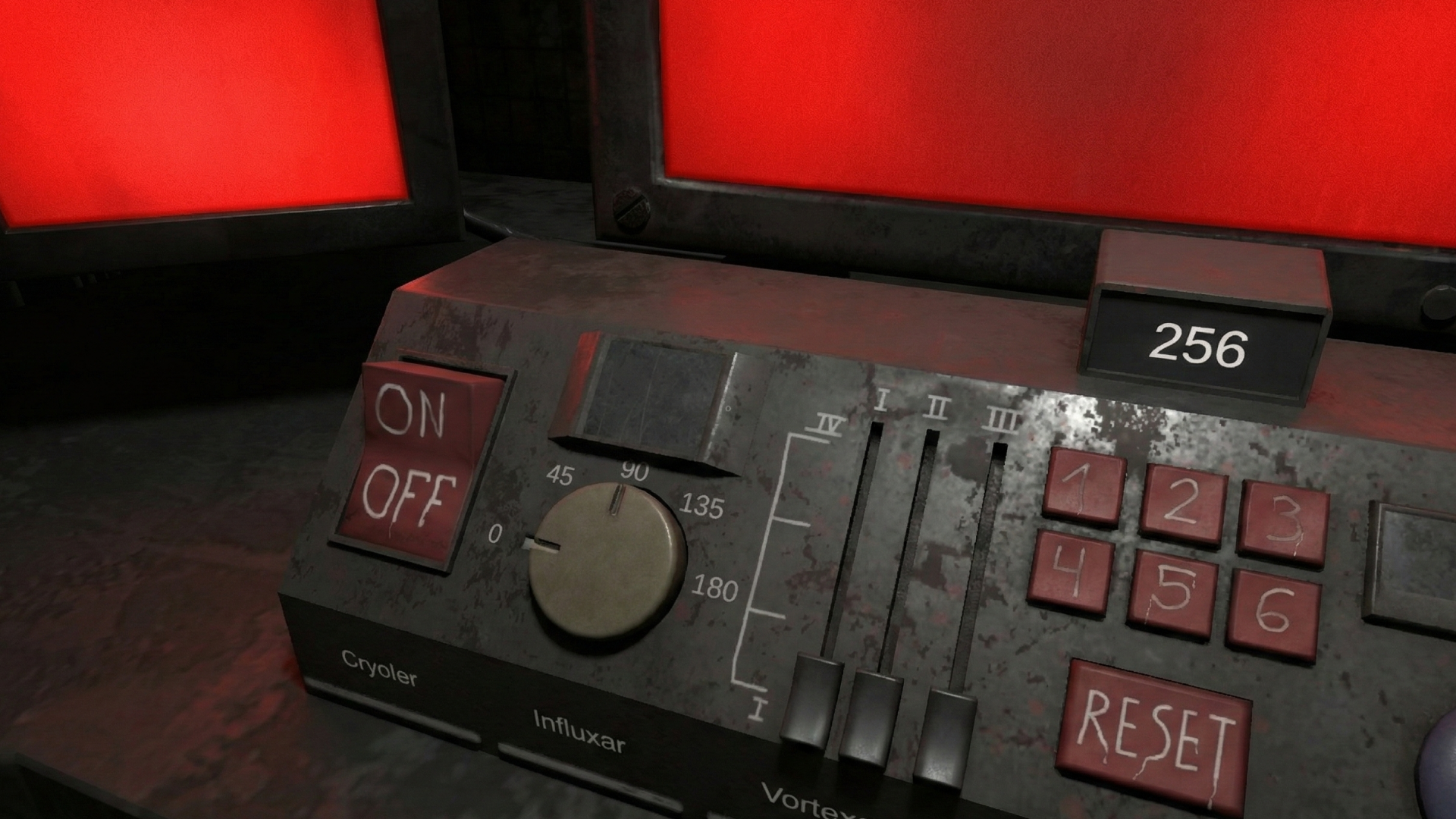
• Four‑player terminal: Up to four workers share a single machine, splitting inputs, toggles, and responsibilities across stations. Roles emerge organically, one player may route resources while another handles diagnostics, so clear delegation and rapid handoffs are essential. Miscommunication or duplicated effort quickly snowballs into missed quotas.
• Procedural pressure: Missions are procedurally generated so no two shifts play the same. Objectives, timers, and failure conditions shift dynamically, encouraging adaptive strategies and on‑the‑fly problem solving. Small mistakes cascade into larger failures, and each completed (or failed) shift alters clearance, available tasks, and the stakes of the next run.
Cooperative dynamics
• Communication as currency: Clear, rapid communication is the game’s lifeline; players who call out priorities, confirm handoffs, and adapt roles on the fly keep the terminal functional. Short, specific calls (e.g., “Diagnostics now,” “I’ve got routing”) turn chaos into coordination and directly reduce quota failures.
• Betrayal as a tool: Selfish play is a legitimate strategy; sabotage, withholding critical info, or prioritizing personal objectives can yield short‑term gains or strategic advantage. Those choices reshape trust, spawn emergent rivalries, and force teams to develop countermeasures or scapegoats.
• Social tension: Workplace dynamics are the primary gameplay loop: alliances form, leaders emerge, and pacts fracture under pressure. The social layer; who you trust, who you blame, who you protect, matters as much as mechanical skill and creates memorable, player‑driven narratives each shift.
Atmosphere and tone
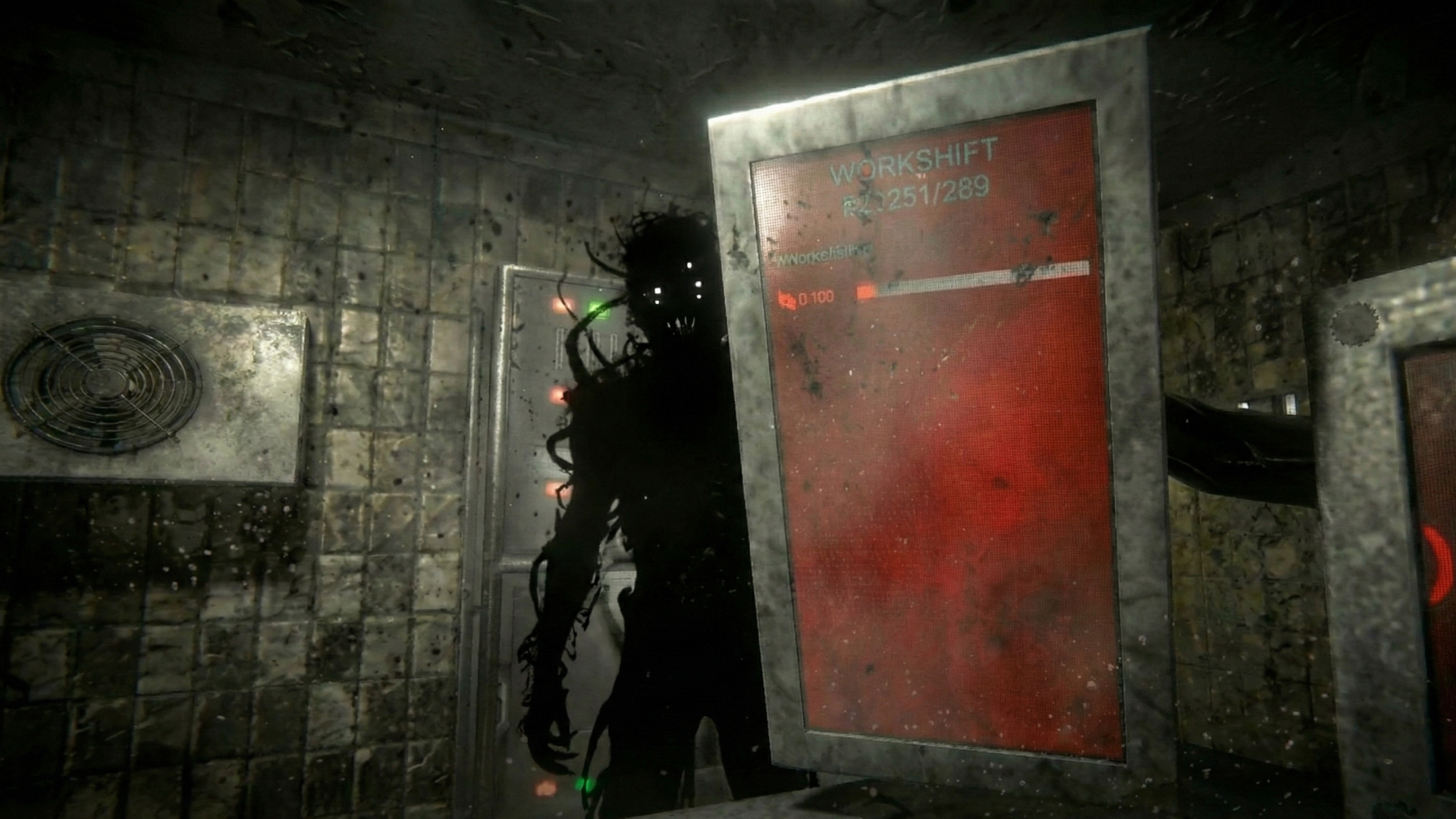
• Industrial horror: The facility is alive with mechanical menace; relentless alarms, the low thrum of ventilation shafts, and distant PA announcements that slice through the noise. Sound and lighting work together to make every corridor feel monitored and every machine a potential witness.
• Psychological dread: The slogan “Obedience is freedom” isn’t just window dressing; it shapes how you play. Corrections are clinical and inevitable, so victories feel brittle and rewards; higher clearance, restricted access, carry moral weight. Progress often asks you to choose between safety and conscience.
• Environmental storytelling: Exposition is sparse and earned. Clearance tiers, locked rooms, posted memos, and subtle set dressing reveal the Corporation’s logic over time, letting players assemble the truth through discovery rather than being told. The result is a slow, unsettling reveal that makes each unlocked door feel like a small, uneasy triumph.
Progression and replayability
• Clearance system: Completing shifts raises your clearance level, which unlocks restricted rooms, higher‑stakes objectives, and deeper layers of the facility’s mystery. Clearance acts as a tangible measure of advancement, new access changes the kinds of tasks you face and reveals narrative fragments that reframe earlier runs.
• Meaningful escalation: As clearance climbs, shifts introduce tougher quotas, rarer task types, and access to areas that alter team priorities. The system creates a risk‑reward loop: push for higher clearance to learn more, but accept that greater access brings harsher expectations and tighter windows for success.
• Endless loop, emergent stories: Procedural missions and shifting quotas keep each shift fresh; different team sizes, role assignments, and communication styles produce wildly different outcomes. The game’s replayability comes from social experimentation as much as mechanical variety; every run writes a new story of cooperation, betrayal, or spectacular failure.
• Meta progression and variety: Procedural variety tests coordination and adaptability rather than rote memorization. Over time teams learn heuristics and strategies that change how they approach objectives, turning the game into a sandbox for emergent tactics and player‑driven narratives.
• Beta state and evolution: Currently in beta, the core systems are present but actively evolving. Expect tuning to quotas and task pacing, new task types and progression hooks, improved onboarding, and quality‑of‑life additions driven by player feedback as development continues.
Strengths
• High‑tension co‑op: Sharing a single terminal forces split‑second coordination and role discipline, turning routine tasks into high‑stakes choreography. The mechanic creates constant interdependence, every input matters, so teamwork feels urgent and mechanically meaningful rather than decorative.
• Emergent drama: Social dynamics drive the narrative: trust, betrayal, leadership, and scapegoating arise naturally from play. Those interpersonal moments produce memorable stories, heroic saves, petty sabotage, and fragile alliances, that outlast any single shift.
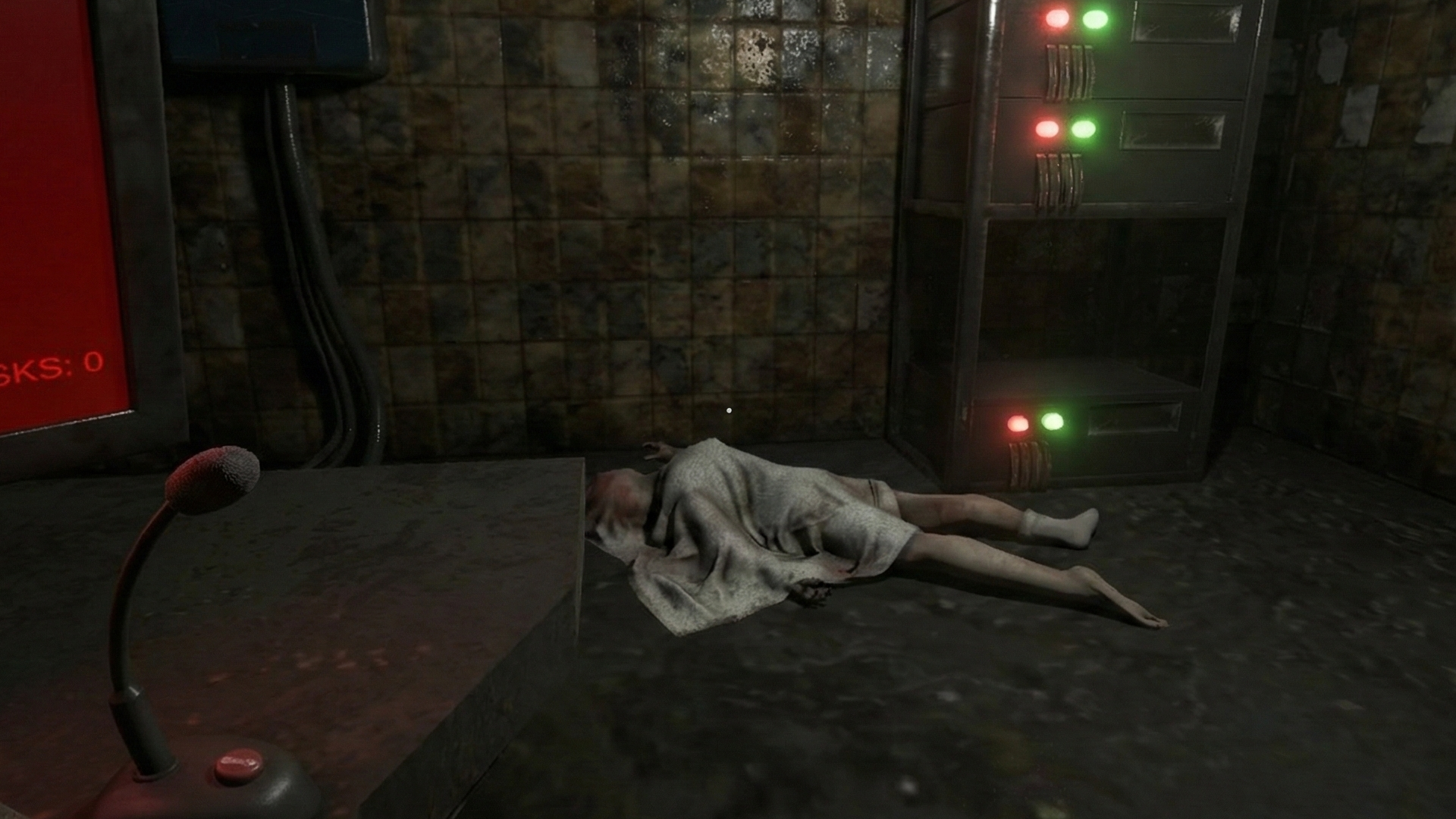
• Immersive atmosphere: Industrial sound design, oppressive lighting, and ambient PA announcements make the facility feel alive and surveillant. The aesthetic choices constantly remind you that you’re being watched, so even small successes feel tense and morally ambiguous.
Areas to watch
• Steep learning curve: The frantic pace and procedural variety can overwhelm new players. Add a short, interactive onboarding shift that teaches core roles and common task patterns, plus optional practice modes that let teams rehearse without penalties. Clear visual role cues and one‑button role swaps would reduce early confusion and speed up team coordination.
• Balance and polish: As a beta, some task types and quota pacing feel uneven and can turn runs into luck‑dependent slog rather than skillful challenge. Introduce telemetry‑driven tuning to identify outlier tasks, soften extreme failure states, and add gradual quota ramps that scale with clearance so difficulty feels fair and learnable.
• Matchmaking and group dependency: The game rewards tight coordination, which makes solo play or random matchmaking inconsistent. Offer role‑based matchmaking, a “guided shift” mode for mixed groups, and AI‑assisted placeholders that follow simple heuristics to stabilize runs when human players are missing.
• Quality‑of‑life and replay tools: Small UX fixes would dramatically improve retention; persistent task logs, quick rematch options for favorite shifts or bosses, and clearer post‑shift debriefs that show who handled what and why the run failed. These additions preserve the emergent drama while reducing frustration and encouraging experimentation.
Final Verdict
Corporation Liberty turns the banal into the brutal: a workplace simulator stripped of comfort and amplified into a cooperative survival experiment. The core conceit, four workers sharing a single terminal under relentless quotas; creates tense, often hilarious, and occasionally terrifying emergent moments where communication, quick thinking, and moral improvisation matter as much as mechanical skill.
In its current beta the game already nails atmosphere and social drama; with tighter onboarding, balance tuning, and a few quality‑of‑life additions it could become a standout multiplayer title that rewards teamwork and creative sabotage in equal measure. If you crave high‑pressure co‑op that makes every second and every choice count, add this to your watchlist.
Watch and Wishlist
• Why wishlist: Gain access to limited playtests and early keys, receive launch and patch notifications, and be first to try new shifts and features as the beta evolves YouTube. Early wishlisters often get invited to community playtests and can shape balance and onboarding.
• Platforms to track: PC (Steam) is the primary platform for current playtests and the official store page; console ports may follow depending on demand and development progress.
• How to stay informed: Wishlist and follow the Steam page, subscribe to the developer’s channels (playtest trailers and announcements on YouTube), and join the community for key giveaways and patch notes.
• Price perspective: To be announced, currently in beta/playtest, so expect the final price to be set closer to release; early access or launch discounts are possible.
Key Takeaways
• Core loop - high‑pressure co‑op: The game’s central conceit, four workers operating a single terminal, creates constant interdependence and split‑second decision making. Tasks are short, varied, and quota‑driven, so teamwork and role clarity directly determine success or correction.
• Procedural, replayable shifts: Missions are procedurally generated and time‑limited, meaning no two shifts play the same and each run reshapes the next. This design favors adaptive strategies and social experimentation over rote memorization.
• Social mechanics drive drama: Communication is the primary resource; clear calls, delegation, and trust produce smooth runs, while sabotage and selfish play produce memorable emergent stories. The social layer often outshines mechanical complexity in creating standout moments.
• Atmosphere and tone: The facility leans into industrial horror and surveillance; ambient alarms, PA announcements, and oppressive sound design make the world feel watched and morally ambiguous. Narrative fragments and clearance tiers reveal the Corporation’s logic slowly, rewarding exploration and attention.
• Progression matters: Completing shifts raises clearance, unlocking restricted rooms and higher‑stakes objectives that deepen the mystery and change available tasks. This creates a meaningful risk‑reward loop: higher access brings new narrative beats but also tougher quotas.
• Current availability - beta/playtest: The game is in active playtest on Steam with limited keys and community invites; following the Steam page and developer channels is the best way to join tests and track updates.
• Strengths: Corporation Liberty excels at emergent social drama, tight cooperative pressure, and a distinct, oppressive atmosphere that turns mundane tasks into tense gameplay. The shared terminal mechanic is a rare multiplayer idea that produces both hilarious and terrifying runs.
• Areas to watch: As a beta, the game needs smoother onboarding, quota and task balancing, and better support for solo or pickup groups (role‑based matchmaking or AI placeholders). These improvements would reduce early frustration and make the experience more consistently rewarding.
• Why it’s worth watching: If you enjoy high‑tension co‑op experiments that prioritize player interaction and moral improvisation, this title is a strong candidate to follow, especially while the developer iterates during the Steam playtest window.
Game Information:
Developer & Publisher: Wayanjo
Platforms: PC (reviewed)
Release Date: To be announced
Score: 8.5 / 10
Corporation Liberty is a compelling co‑op experiment that turns mundane labor into high‑stakes drama. Its shared‑terminal design produces tense, unforgettable moments of teamwork, betrayal, and improvisation, while the facility’s oppressive atmosphere sells every shift’s moral weight.
Beta roughness; steep onboarding, occasional balance spikes, and reliance on coordinated groups, keeps it from perfection, but the core systems already deliver a distinct, replayable multiplayer experience worth following.
“8.5 / 10 - A brutal, brilliant workplace simulator: tense, social, and full of emergent stories that stick with you long after the shift ends.”