Darkway: Murder of King Mere - Apprentice of Ink - Investigate, parkour, and pry secrets from a living city (Game Review)
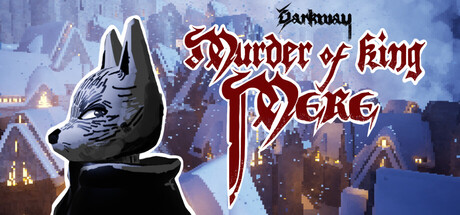
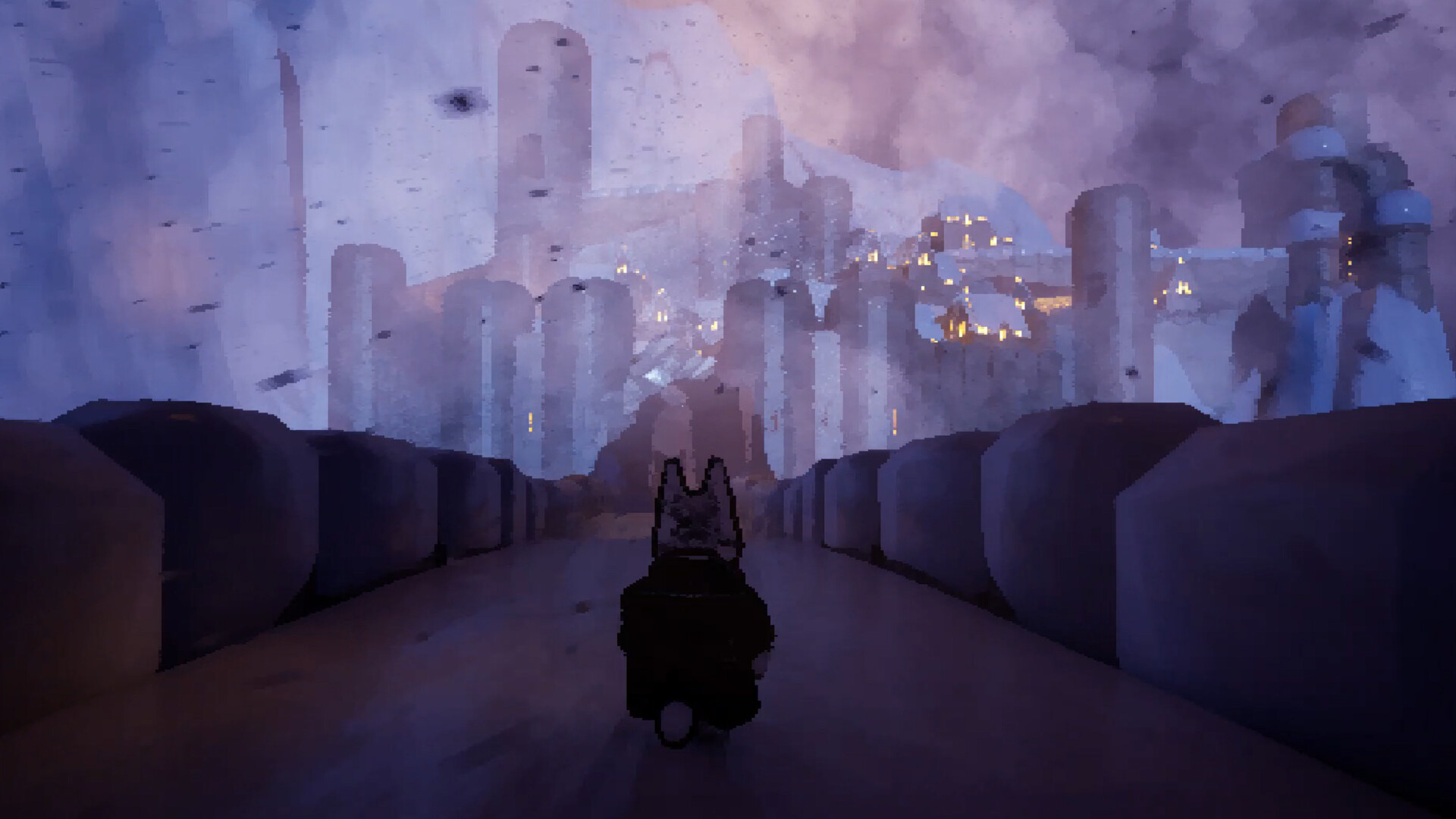
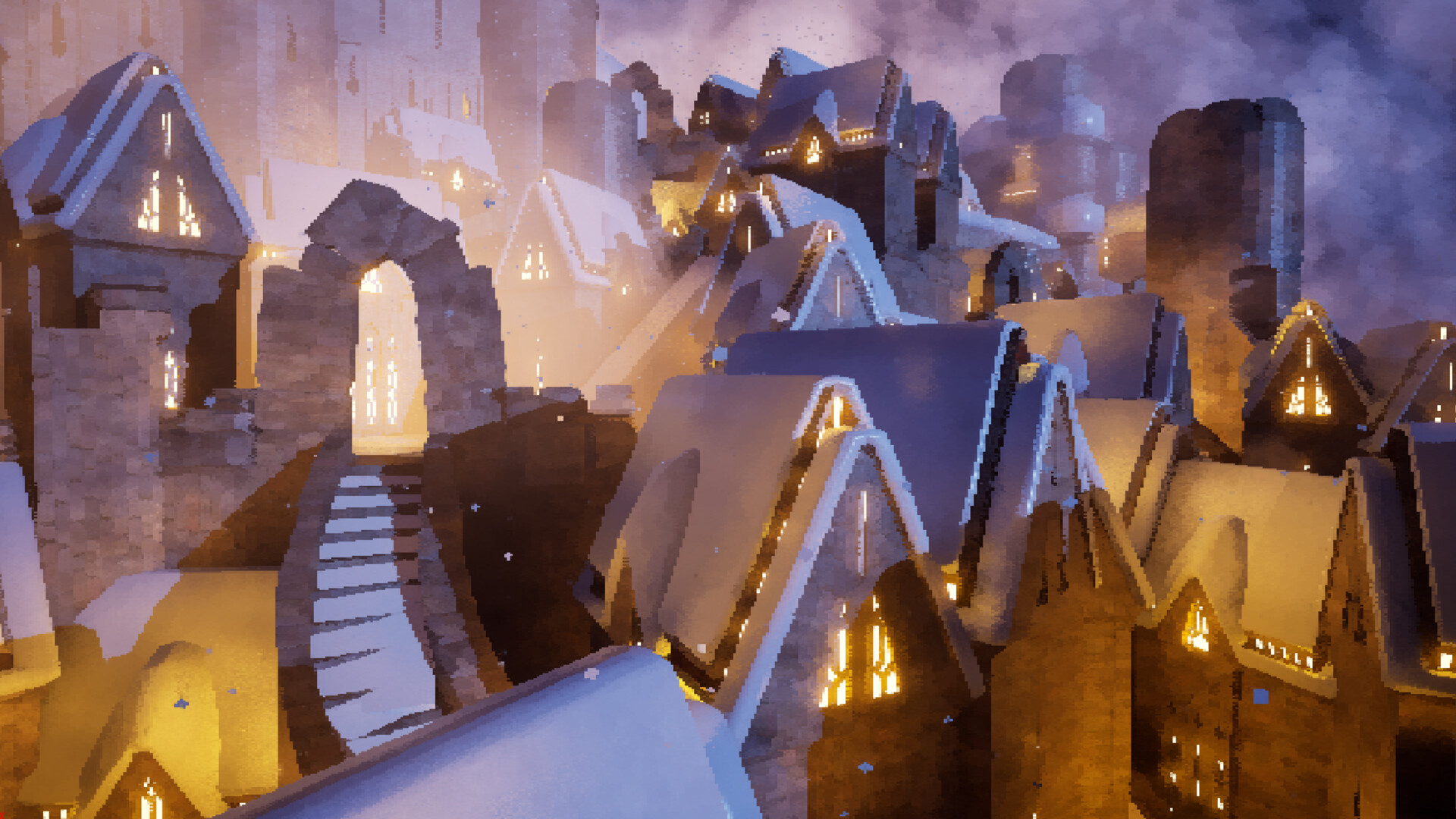
Darkway: Murder of King Mere drops you into the role of the Master Detective’s Apprentice, a young dog summoned to the City of Ink four days after a king is found dead in the snow. The premise is stark and unforgettable: a diplomatic monarch felled, a brother hurriedly convicted, and a city rendered in lush, painterly pixels where every alley and rooftop feels like a page torn from a noir fable.
Investigation and light parkour intertwine, scaling walls and slipping through hidden paths to reach witnesses and evidence, while a branching narrative lets your choices reshape alliances, reveal redacted histories, and steer you toward one of many endings. The result is a compact mystery that manages to feel both intimately personal and ambitiously vast, a game that rewards patience, curiosity, and a keen eye for the small, telling details.
What you do and how it plays
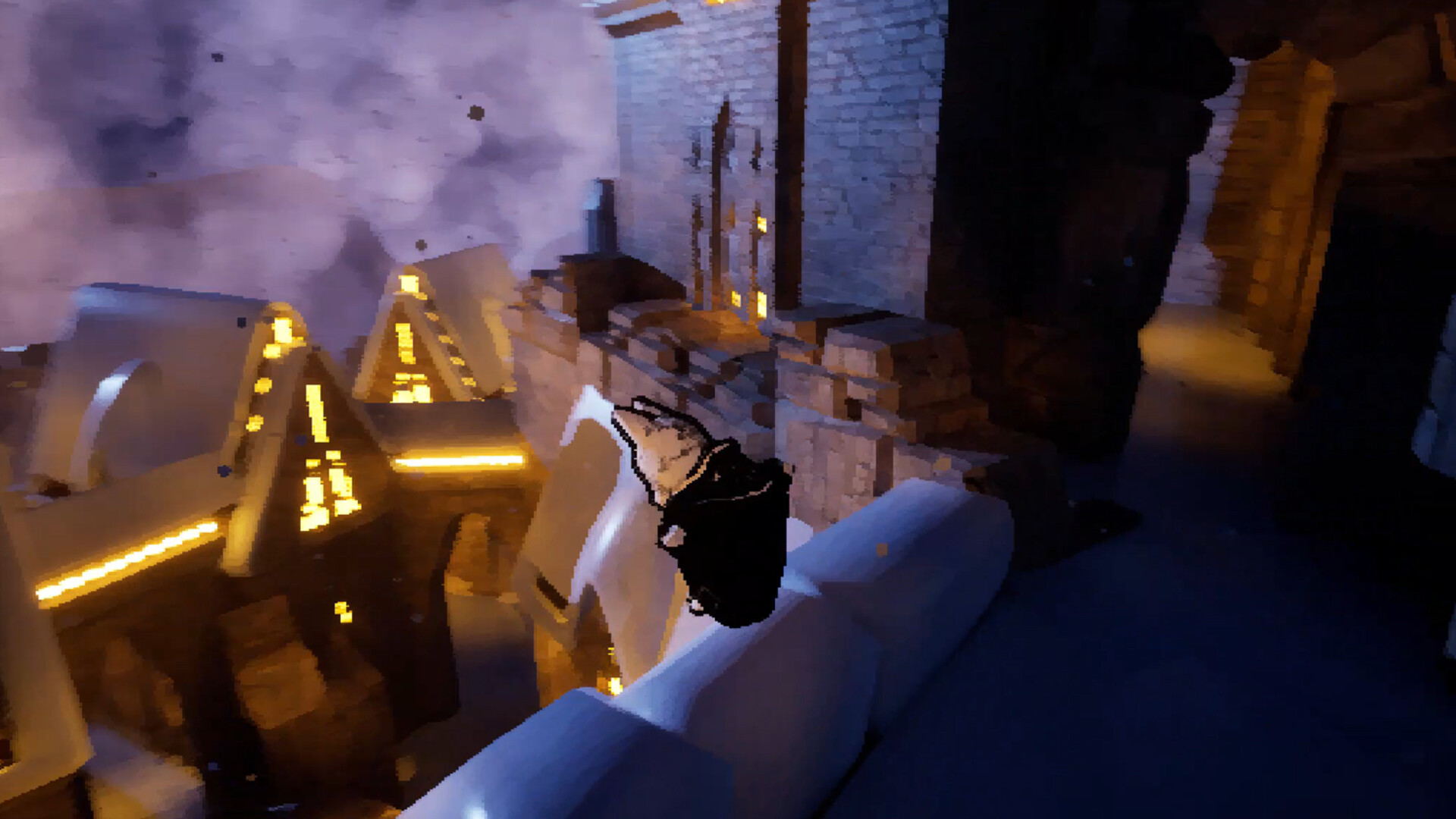
Movement and conversation are the game’s twin engines. You scale crumbling walls, vault across rooftops, and thread narrow alleys to reach witnesses and pry up overlooked evidence; then you interrogate, press, and stitch together fragments of testimony into a working theory.
Investigation is refreshingly non‑linear, suspects can be pursued in any order, leads revisited with new context, and a single overheard line can change the shape of the case. Parkour exists to serve the sleuthing: agility grants shortcuts, hidden perches, and vantage points that reveal clues or alternative routes to a scene, but traversal is intentionally light and occasionally fussy, so momentum comes more from curiosity and deduction than from platforming virtuosity.
Story and structure
The narrative unfolds as a branching murder mystery where choices carry real weight. Who you believe and how you press them reshapes relationships, determines which clues surface, and opens or closes entire narrative branches, there are more than twenty distinct outcomes and several legitimately “correct” convictions, so every verdict feels earned rather than arbitrary.
The story favors implication over exposition: motives, half‑spoken confessions, and bureaucratic redactions nudge you toward hypotheses instead of handing answers on a platter. If you’re willing to dig; revisit scenes, cross‑check testimonies, and follow the city’s whispered cult rumors, the City of Ink gradually peels back layers of conspiracy, and the moral cost of your conclusions becomes part of the mystery itself.
Presentation and characters
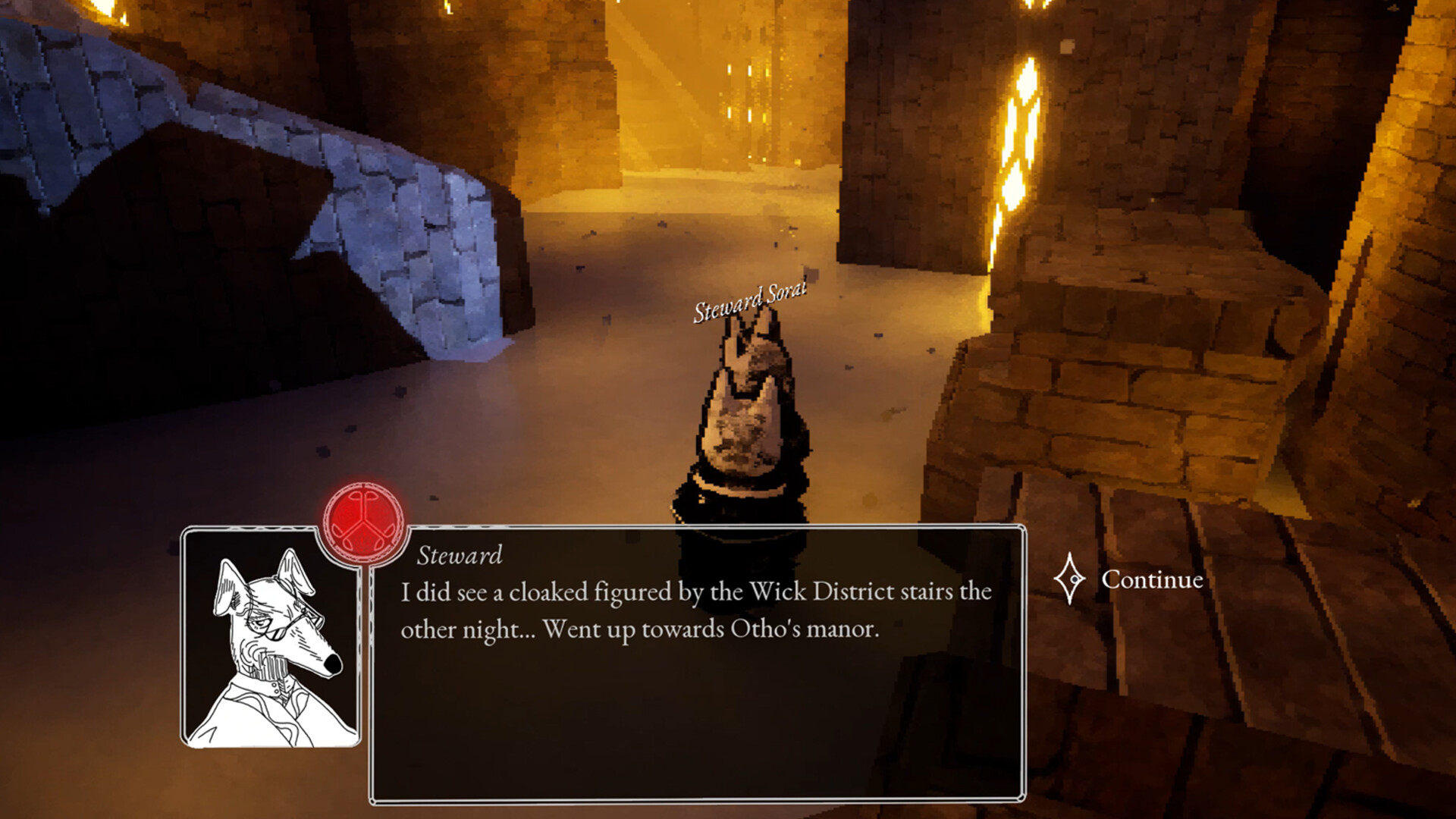
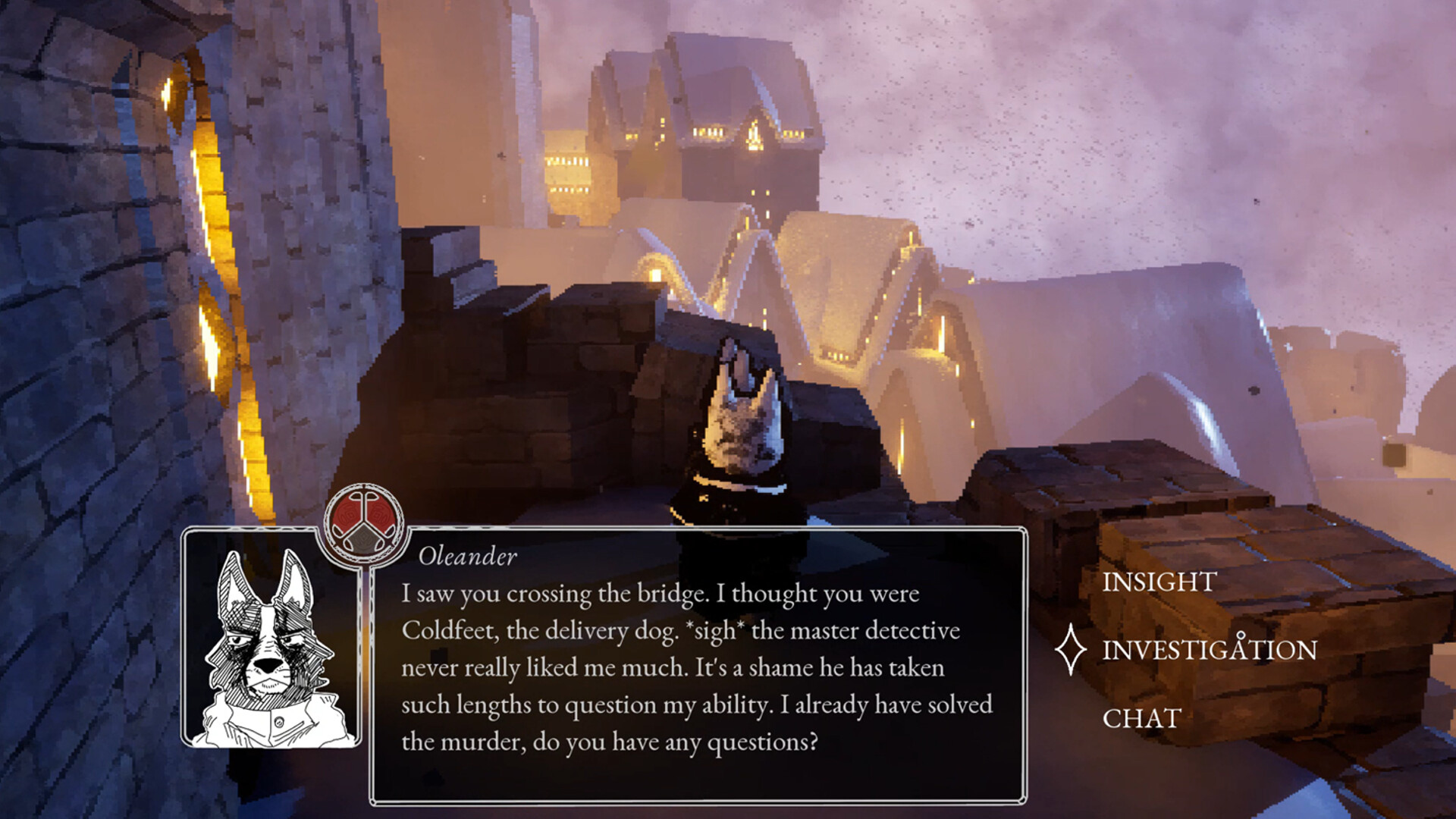
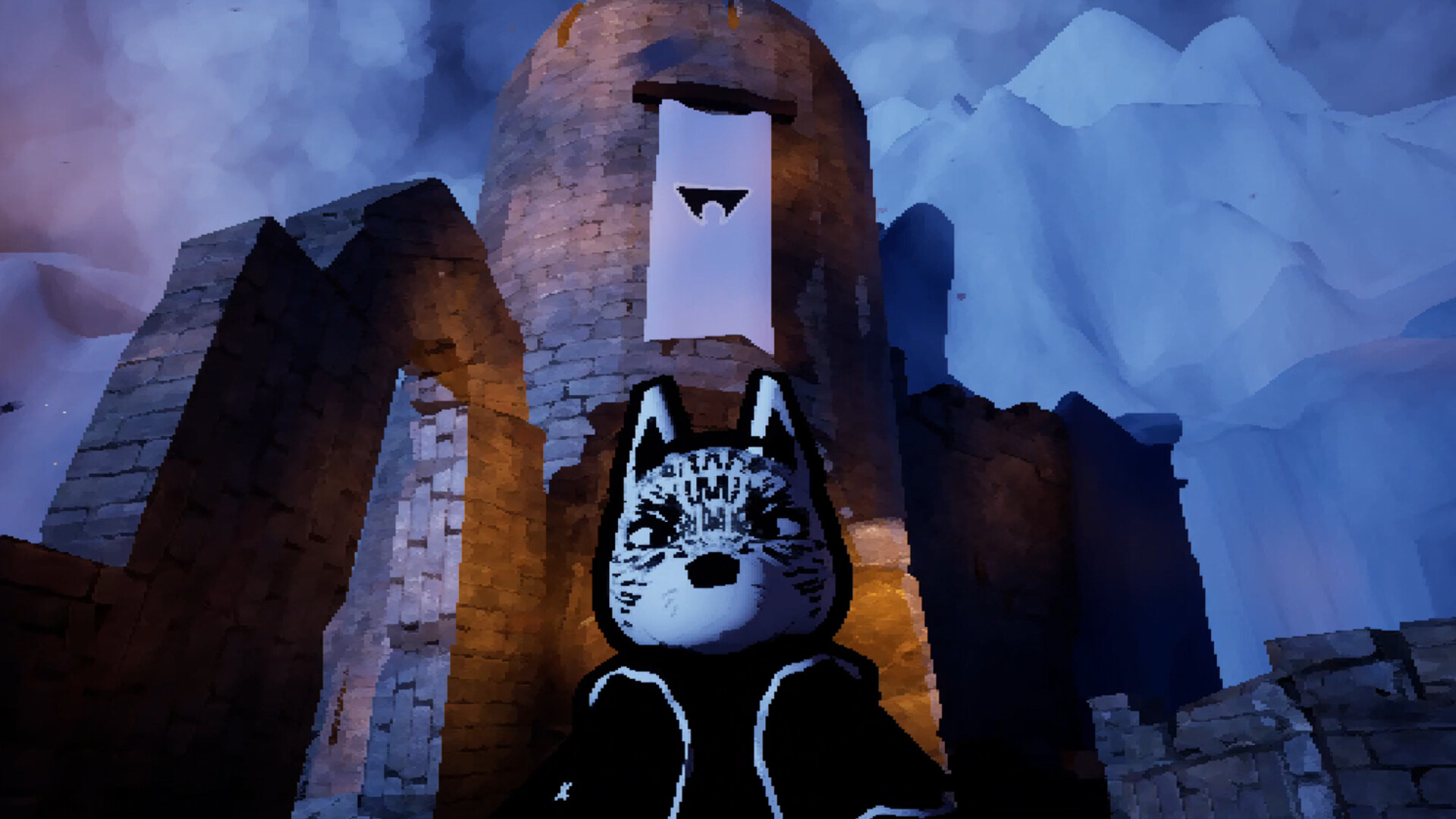
Visually, Darkway: Murder of King Mere is a genuine standout: its painterly‑pixel aesthetic renders the City of Ink like a living storybook, textured brushstrokes meet crisp sprite work, so every alley, mural, and snow‑streaked rooftop reads as both art and clue. Character portraits are richly detailed and animated with small, telling gestures; paired with a fully voiced cast of twenty‑plus actors, conversations feel lived‑in rather than merely functional, and suspects emerge as distinct, memorable personalities.
The audio design completes the illusion: layered ambient beds, distant city murmurs, and the creak of ironwork create a constant, low‑grade tension, while well‑timed silences and discrete audio cues punctuate revelations and shifts in trust. Subtle lighting shifts and environmental effects; flickering lanterns, ink‑stained snow, a sudden gust that scatters papers, work in concert with sound to make the world feel reactive, so that discovery is as much sensory as it is intellectual.
Strengths
• Writing and characterization: Dialogue is sharp, layered, and frequently surprising; NPCs arrive as fully formed personalities with private motives, simmering grudges, and believable contradictions that reward careful listening and repeated conversations.
• Branching mystery: Investigation is non‑linear and consequence‑heavy, who you trust, what you withhold, and the order you chase leads all reshape the case. Multiple narrative branches and over twenty endings make each playthrough feel like a distinct detective’s log rather than a rote checklist.
• Art direction: The painterly‑pixel aesthetic and strong character portraits do more than decorate, they encode tone and cluework, turning light, shadow, and brushstroke into narrative signals that make the City of Ink feel both beautiful and ominous.
• Emotional payoff: The game turns deduction into an emotional currency: assembling a coherent case and delivering a well‑argued conviction produces real catharsis, while wrong turns carry moral weight, making success feel earned and failure sting.
Weaknesses and rough edges
• Platforming and traversal: Movement can feel inconsistent; ladders, ledge grabs, and some climbs register unpredictably, which turns navigation into a source of friction rather than discovery. Tighter collision, clearer climb affordances, and a small grace window for ledge grabs would make traversal feel intentional and reduce needless restarts.
• Quest clarity and fetch design: Several objectives rely on vague descriptions and sprawling search areas with minimal guidance, which can make exploration feel aimless. Better micro‑objectives, optional map hints, or a toggleable “investigation mode” that highlights likely search zones would preserve mystery while cutting down on tedious wandering.
• Bugs and continuity issues: A minority of players report NPCs failing to spawn without a full restart and occasional choice outcomes that don’t persist between scenes. More robust state checks, clearer save‑state logging, and a visible quest/choice history would help players diagnose broken threads and restore narrative continuity.
• Pacing and scope: The combination of an open map and dense text can overwhelm newcomers; relationship building sometimes collapses into repetitive fetch tasks that dilute emotional beats. Trimming low‑value fetches, spacing exposition across encounters, and adding mid‑case milestones would keep momentum without sacrificing depth.
• Character distinctiveness: With a large cast, a few characters blur together visually or narratively, weakening emotional stakes and complicating deduction. Stronger visual signifiers, more varied speech patterns, and a short in‑game dossier or index that highlights each character’s key motives and quirks would make suspects easier to remember and interrogate.
Replayability and longevity
The game strongly rewards methodical investigators who take notes, revisit scenes, and experiment with different lines of questioning. Treat each conversation like a data point; cross‑check testimonies, compare timelines, and deliberately change one variable at a time to see how NPCs and environments react. Because clues and trust are conditional, a careful, iterative approach turns ambiguity into a solvable system rather than random chance.
Multiple endings and the ability to convict different suspects give real purpose to replaying: every new run lets you test alternate hypotheses, close previously missed threads, and discover consequences you didn’t anticipate. Expect to spend several hours fully exploring the City of Ink and chasing down alternate conclusions; players who enjoy building evidence boards, mapping relationships, and refining interrogation tactics will find the game especially rewarding.
Final Verdict
Darkway: Murder of King Mere is a compact game with outsized ambition and a generous heart: a painterly, pixel‑rich murder mystery that trusts players to observe, hypothesize, and piece together meaning from small, often ambiguous clues. Its writing is consistently sharp, the worldbuilding is dense and intriguing, and the branching structure turns each decision into a meaningful pivot, moments of genuine detective satisfaction arrive when disparate details finally click into place.
That said, the experience isn’t flawless. Technical hiccups, occasional inconsistencies in traversal, and a handful of quests that lean on vague fetch objectives interrupt the flow at times, and some relationship beats can feel repetitive. Those rough edges temper the game’s reach but don’t erase its core pleasures: when Darkway works, it delivers a rare blend of atmosphere, character, and emergent mystery. For anyone who loves narrative puzzles, layered lore, and replayable investigations, this is a title worth diving into now.
Watch and Wishlist
• Why wishlist: Receive Steam notifications for updates, patches, and the full release; it’s the fastest way to know when new content or fixes arrive.
• Platforms to track: PC (Steam) is primary; watch for confirmed Steam Deck support and any future console ports (Switch / PlayStation / Xbox).
• How to stay informed: Wishlist and follow the Steam store page, join IM/MORTAL Studios’ Discord, and follow the developer on social channels and their newsletter for patch notes, roadmap posts, and community discussion.
• Price perspective: $7.99, affordable at launch; expect occasional sales or bundles but the base price is low enough to justify an early purchase for fans of narrative mysteries.
Key Takeaways
• Premise: You play the Master Detective’s Apprentice, a young dog arriving in the City of Ink four days after King Mere’s murder.
• Core loop: Investigation and conversation drive progress; parkour and traversal open routes to witnesses and clues.
• Narrative design: Branching mystery with meaningful consequences, choices reshape trust, clues, and endings.
• Replay value: Over twenty endings and multiple valid convictions encourage replaying to test alternate theories.
• Presentation: Striking painterly‑pixel art, expressive portraits, and full voice acting create a vivid, atmospheric world.
• Investigation tone: The game favors implication and inference over hand‑holding; careful note‑taking and cross‑checking pay off.
• Strengths: Strong writing, memorable characters, dense lore, and satisfying moments of deduction.
• Weaknesses: Occasional traversal fiddliness, vague fetch objectives, and a few bugs or continuity hiccups.
• Who it’s for: Ideal for players who love narrative mysteries, worldbuilding, and methodical, replayable investigations.
• Time investment: Expect several hours to explore the City of Ink and pursue alternate conclusions.
Game Information:
Developer: IM/MORTAL Studios, Pierce Papke / Ekpap
Publisher: IM/MORTAL Studios
Platforms: PC (reviewed)
Release Date: December 19, 2025
Score: 8.5 / 10
Darkway: Murder of King Mere is a finely crafted indie mystery that delivers rich writing, memorable characters, and a painterly world that rewards careful play. Its branching cases and emotional payoffs make it a standout for narrative‑first players, even as occasional traversal quirks and a few rough edges keep it from perfection. Highly recommended for fans of investigative, replayable storytelling at a modest price.
“8.5 / 10 - A beautifully strange detective tale: rich in lore and character, imperfect in places, but unforgettable when it clicks.”