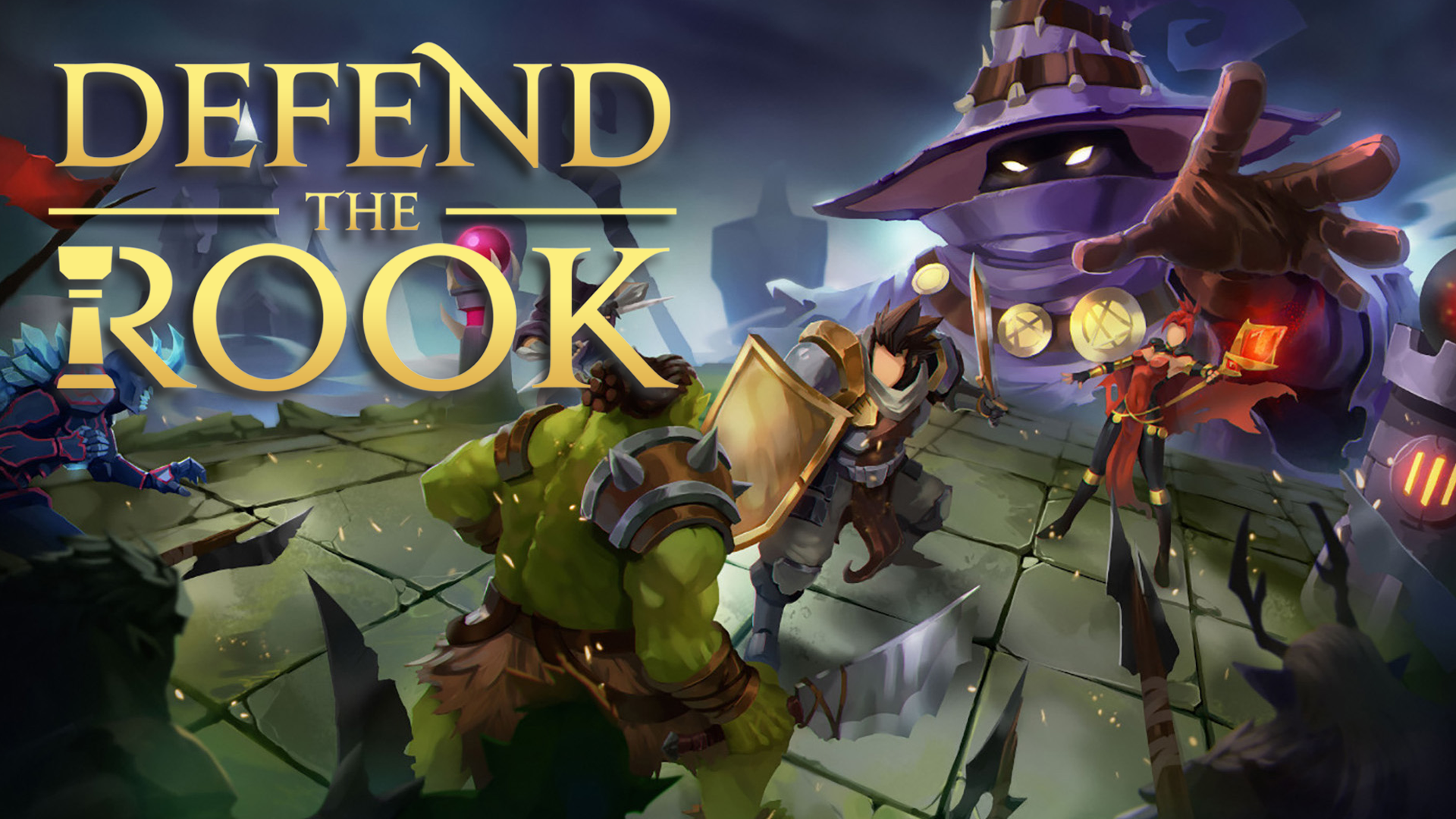
Defend the Rook fuses turn‑based tactics, tower defense, and roguelite progression into a smart, bite‑sized strategy experience where foresight matters as much as placement. Each run plays like a compact campaign of procedurally generated encounters: deploy heroes with distinct roles, erect and upgrade towers, lay traps and barricades, then weather five escalating waves that culminate in a tense boss showdown.
The turn‑based tempo gives you room to plan funnels, chain spells, and coordinate tower‑hero synergies, while randomized upgrade trees and spell pools keep every run feeling fresh, rewarding clever positioning and strategic thinking rather than reflexes alone.
How it plays
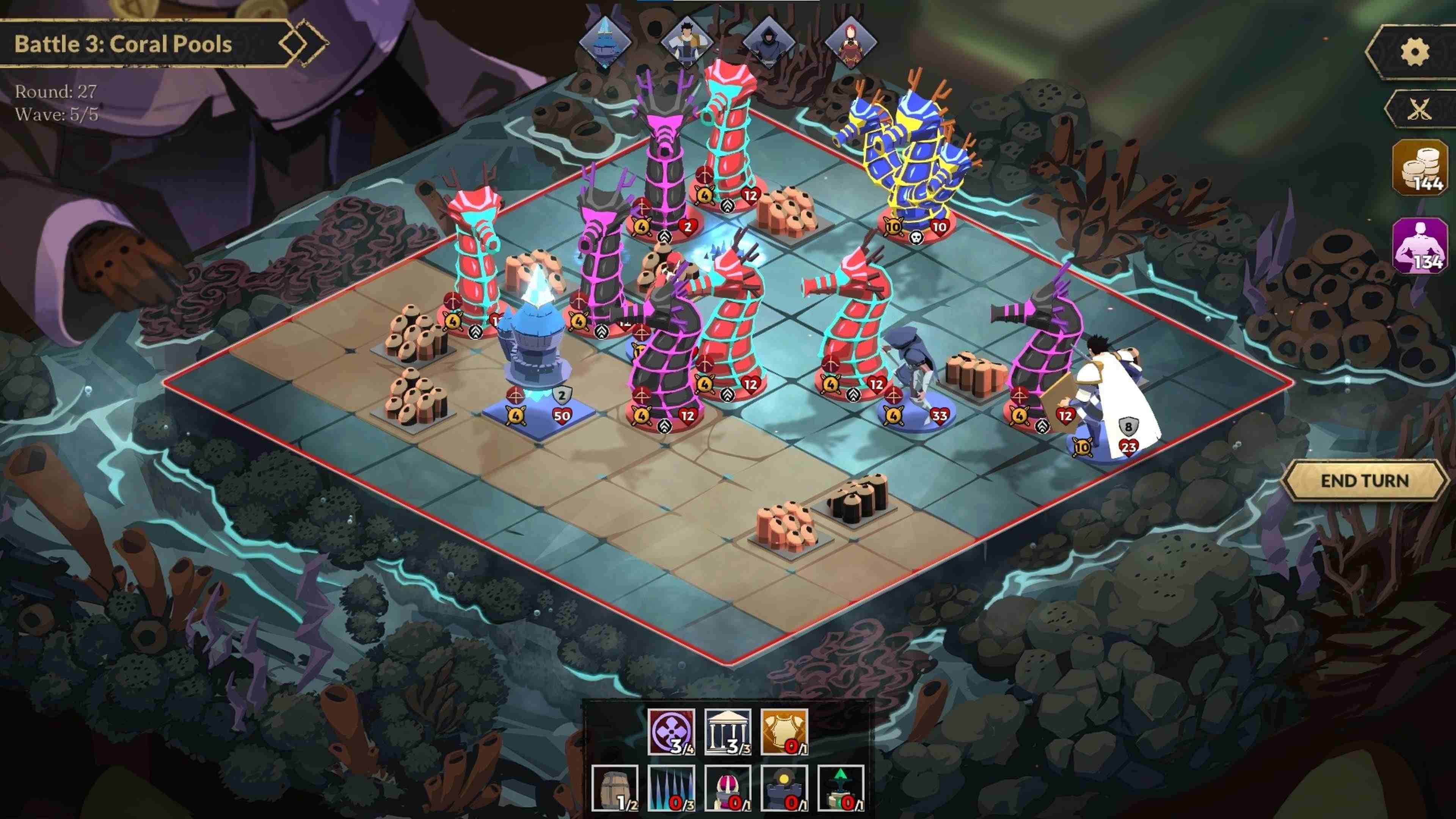
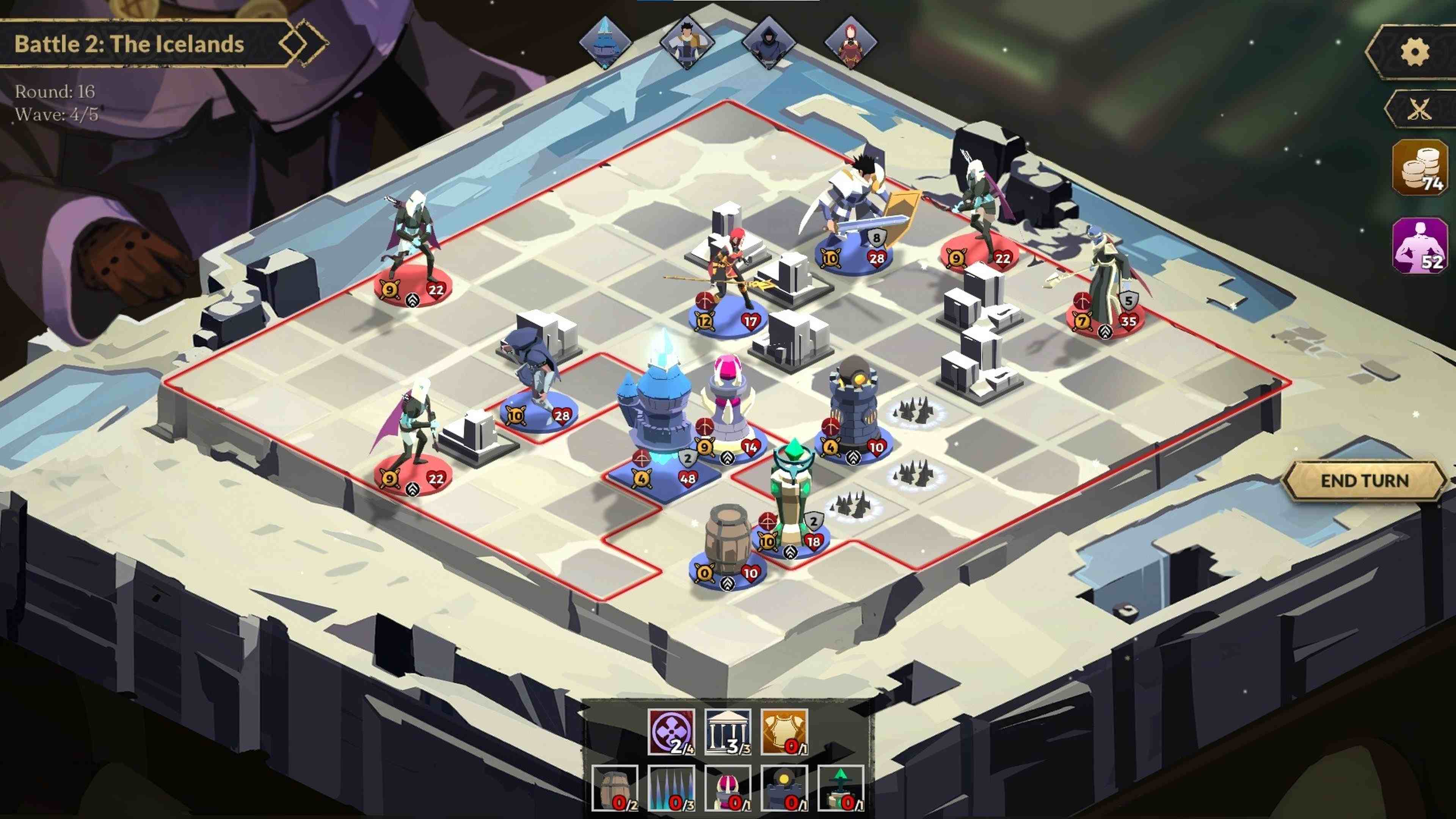
Matches play out on a tidy grid where you command three heroes and place up to three towers, turning each map into a compact tactical puzzle.
Turns alternate between your decisions and enemy movement, so the game rewards careful positioning, funneling through choke points, and deliberate synergy between towers and mobile units rather than twitch reactions.
Towers automatically fire at the start of each turn while heroes move, attack, and cast spells to reshape the battlefield, letting you chain crowd control, bait enemies into traps, or set up devastating combos.
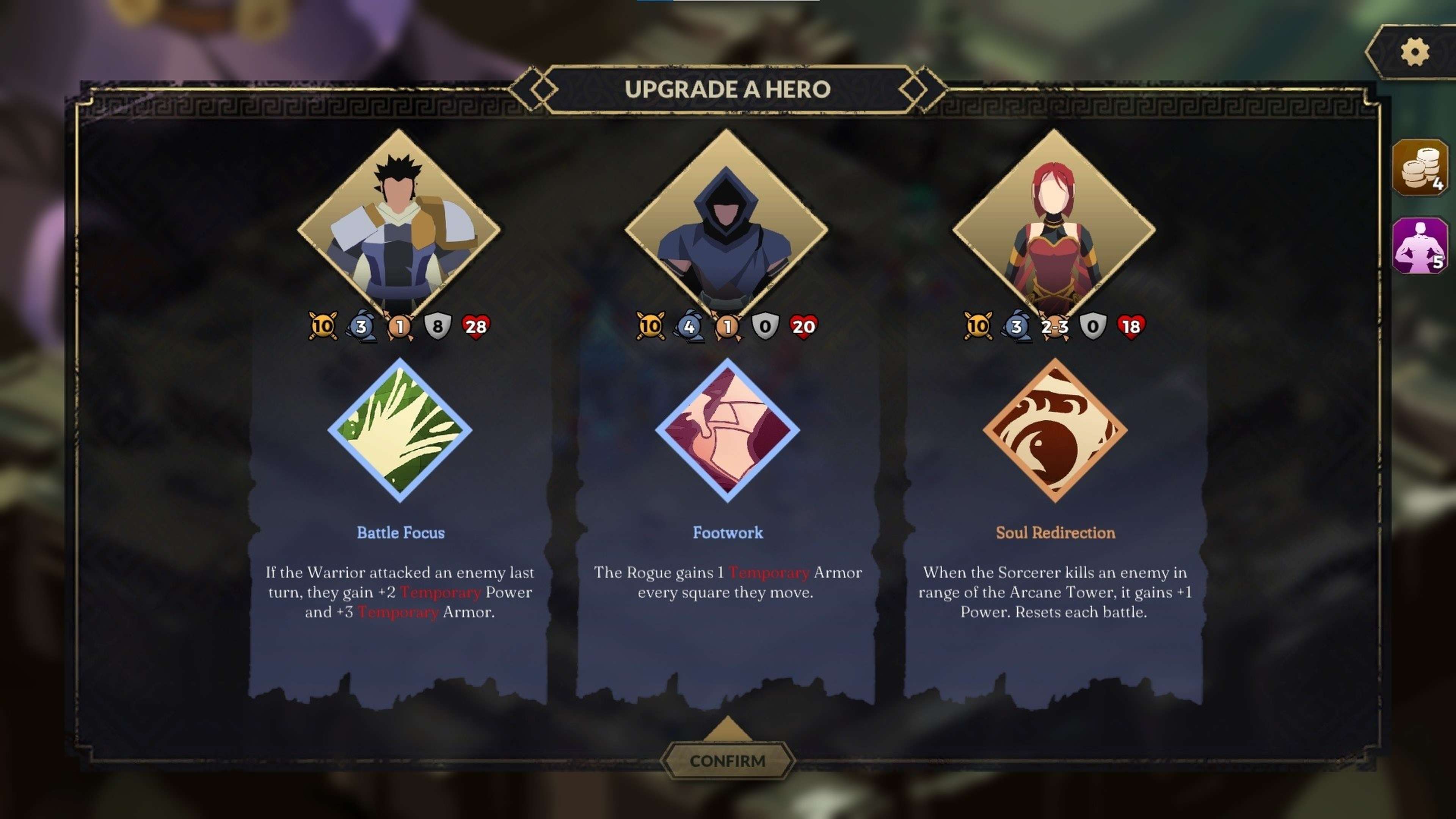
Between waves you pick one upgrade from three randomized options, forcing meaningful tradeoffs and creating a branching progression that keeps runs feeling unpredictable and strategic.
That rhythm: plan, execute, adapt; makes every choice count: a single placement or upgrade can change how a wave plays out, and the randomized rewards push you to improvise new tactics on the fly.
Systems and progression
• Roguelite structure: Procedurally generated upgrade trees, randomized spell pools, and post‑level gemstones for meta upgrades combine to make every run feel distinct, forcing you to adapt strategy rather than rely on rote builds.
• Spells and upgrades: After each wave you choose one buff from three randomized options; rarity and lucky rolls can pivot a run from manageable to overpowered, so every pick carries real risk‑reward weight.
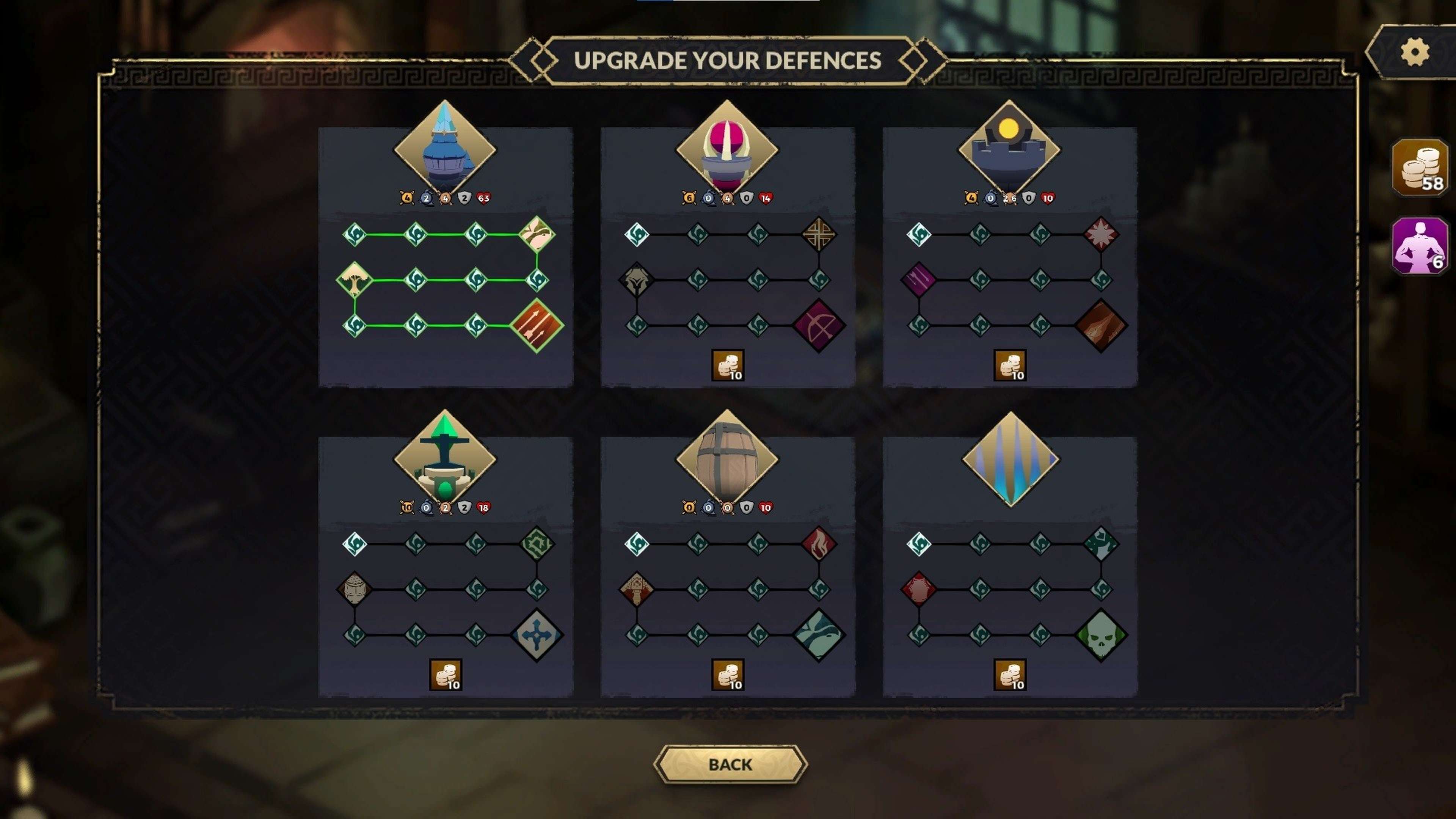
• Towers and add‑ons: Three core tower archetypes each branch into unique upgrade paths, and two auxiliary add‑ons such as barrels, freeze traps, and bombs let you tailor defensive loadouts and create synergies with your heroes.
• Ascension and difficulty: Ascension tiers increase challenge by tightening resources and boosting enemy threats; early ascensions feel approachable, while higher levels demand smarter economy management and more deliberate build choices.
Classes and tactical variety
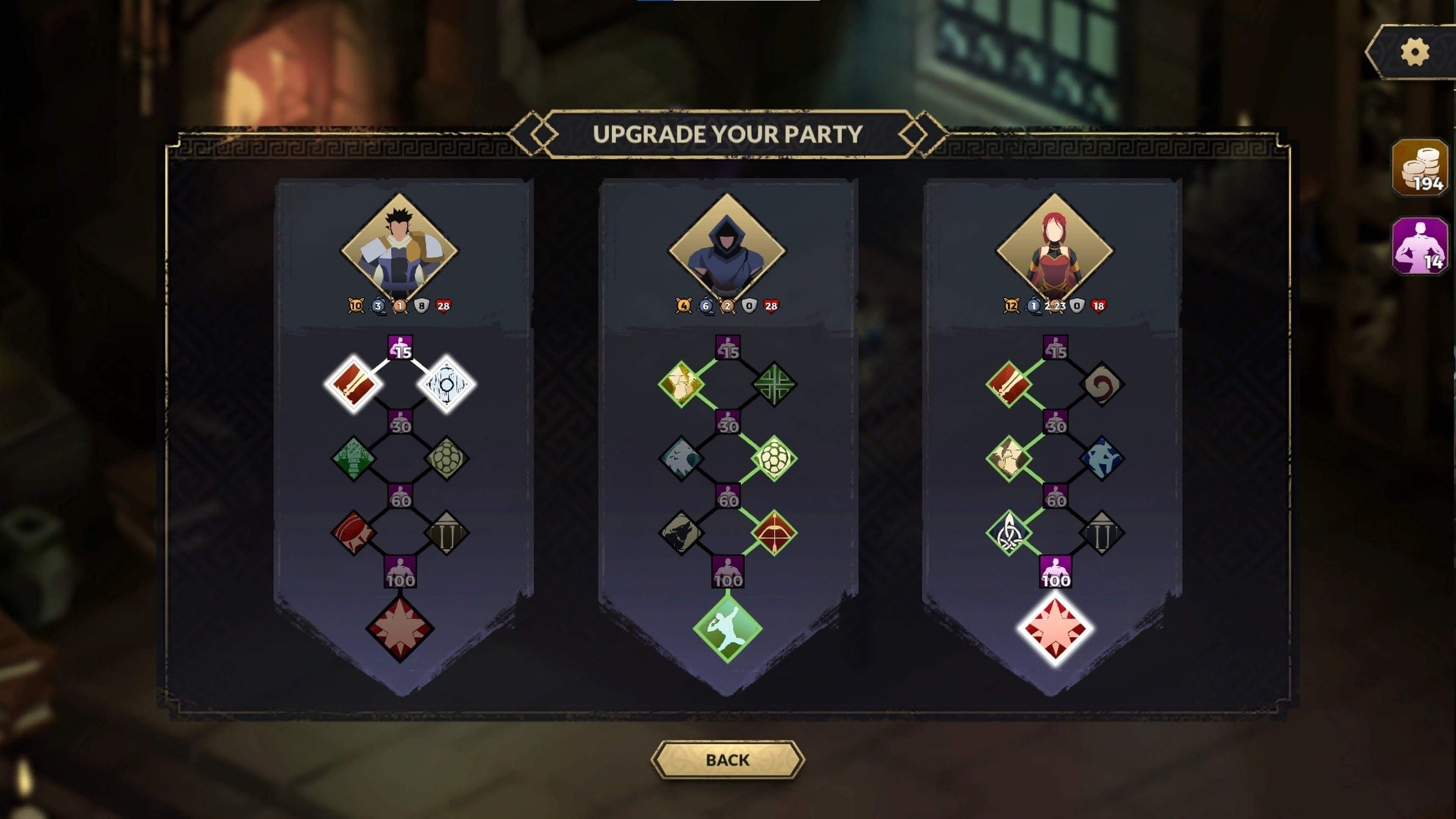
You begin each run with three core classes: Warrior, Rogue, and Mage; and a vulnerable Rook that must be defended. Each base class branches into three distinct sub‑classes, unlocking alternate abilities and playstyles that can shift a hero from frontline tank to mobile skirmisher or glass‑cannon spellcaster. The variety encourages experimentation, but differentiation isn’t always even: rogues frequently carve out a unique niche with mobility and single‑target burst, while some warrior and mage branches can feel like variations on the same theme or, worse, combine into runaway power spikes.
Because upgrades and spells are randomized, potent synergies can surface early and steamroll a run, an exhilarating payoff when it clicks, and a frustrating dead‑end when RNG hands you a one‑note build. The result is a game that rewards creative adaptation, but one where balance tuning and tighter class identity would make strategic choices feel more consistently meaningful.
Strengths
• Strategic depth: The turn‑based tempo rewards foresight; plan funnels, bait enemies, and choreograph tower‑hero combos so positioning and timing decide outcomes, not twitch reflexes.
• Replayability: Randomized upgrade trees, spell pools, and wave layouts keep runs unpredictable and invite experimentation; no two campaigns play out the same.
• Choice density: A wealth of upgrade branches, tower archetypes, and add‑ons (barrels, traps, bombs) lets you assemble focused builds or wild hybrid strategies.
• Accessible learning curve: A clear tutorial, readable UI, and mouse‑friendly controls make the game welcoming to newcomers while still offering depth for veterans.
Areas for improvement
• Difficulty tuning: Early ascensions often feel forgiving for seasoned roguelike players, while higher tiers lean on resource scarcity (cost multipliers, limited upgrade opportunities) instead of smarter enemy behavior; smoother, enemy‑driven scaling would create a more satisfying difficulty curve.
• Balance spikes: Random high‑rarity upgrades can produce runaway combos that trivialize encounters; introducing soft caps, diminishing returns, or more predictable counterplay options would preserve the thrill of big synergies without breaking challenge.
• Hero identity and diversity: Classes offer many branches, but some sub‑classes overlap in function or power, particularly among certain mage upgrades; clearer role definition and unique mechanics per branch would make choices feel more meaningful.
• Progression transparency: The randomized upgrade system fuels variety but can make runs feel decided by luck; adding clearer odds, more targeted upgrade pools, or limited reroll options would shift outcomes toward strategy while keeping the roguelite surprise.
Presentation and polish
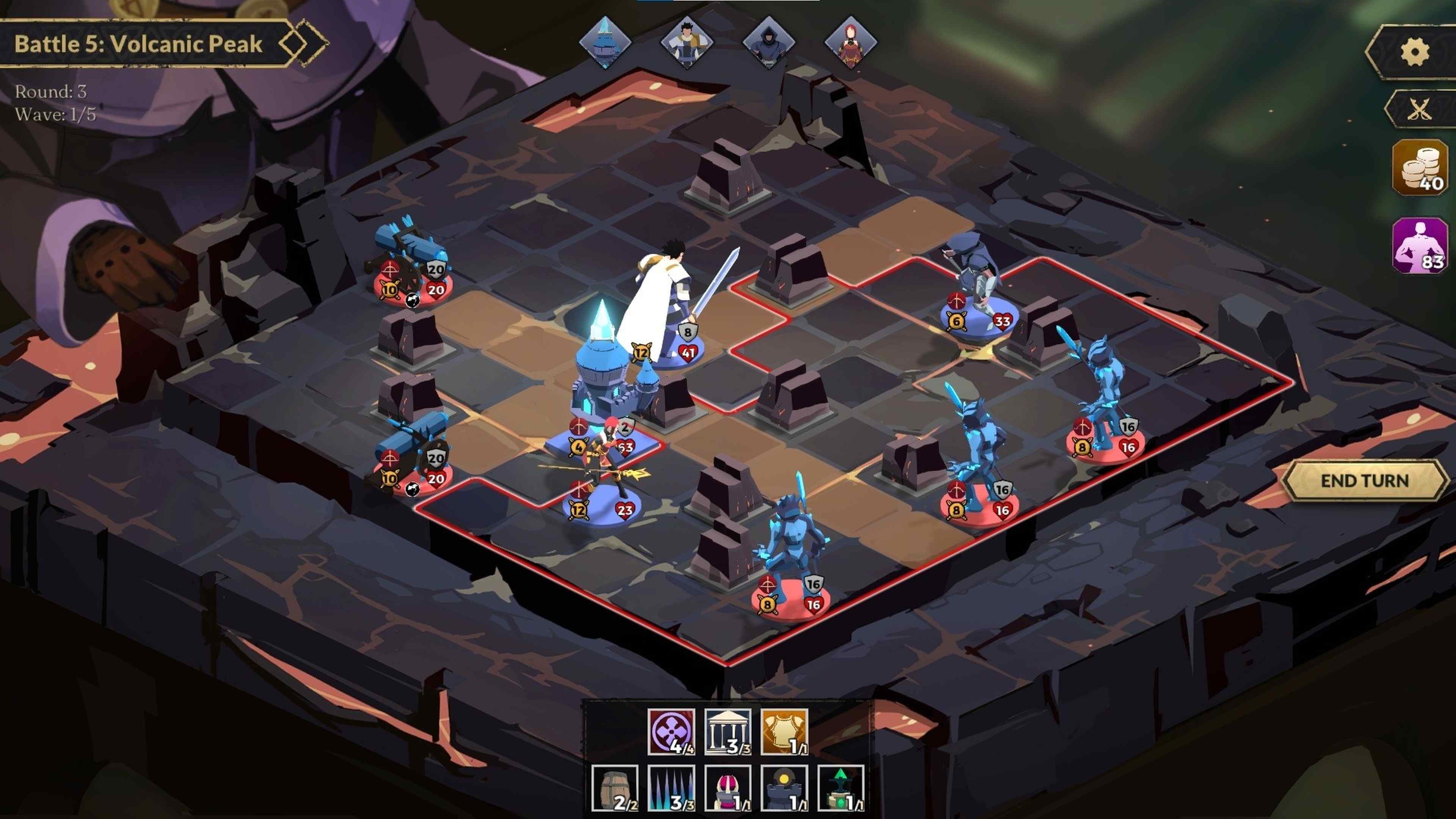
The game pairs attractive, readable visuals with a clean, uncluttered UI that’s built for tactical clarity: unit icons, health bars, and ability telegraphs are easy to parse at a glance, and animations clearly communicate hits, stuns, and status effects. Art direction leans into a cohesive fantasy palette and crisp character silhouettes so the battlefield never feels noisy; small visual flourishes (impact particles, satisfying hit animations) make each exchange feel weighty without obscuring important information.
Audio and input complement the visuals rather than compete with them. The soundtrack is unobtrusive and functional, while sound effects provide useful feedback for attacks, tower fire, and spell casts. Controls are intuitive and responsive; menus, tooltips, and mouse‑driven targeting keep the learning curve gentle, letting you focus on strategy instead of fiddly inputs.
Final Verdict
Defend the Rook is a polished hybrid that rewards players who prefer deliberate decision‑making over frantic reflexes. The turn‑based tempo and tower‑plus‑unit layering create satisfying tactical puzzles: plan funnels, chain spells, and let towers soften enemies while your heroes execute the finishing moves. Its randomized upgrade trees and deep choice space encourage experimentation and creative builds, making each run feel distinct.
That said, the game leans toward accessibility rather than brutal roguelike punishment, early ascensions can feel forgiving, and occasional runaway combos blunt the intended challenge. Still, for tactics fans, curious tower defense players, and anyone who enjoys crafting synergies, this is a highly replayable, well‑crafted title worth adding to your library.
Watch and Wishlist
• Why wishlist: Get store alerts for updates, balance patches, new heroes/towers, and any DLC or sale windows.
• Platforms to track: PC (Steam); monitor publisher pages for potential console ports (Switch, PlayStation, Xbox).
• How to stay informed: Wishlist and follow the Steam page, follow One Up Plus and the publishers on social media, and join the official community channels (Discord/Reddit) for patch notes and dev posts.
• Price perspective: $17.99, reasonable for a hybrid tactics/TD roguelite; consider waiting for a sale if you prefer buying after balance tuning or content updates.
Key Takeaways
• Hybrid concept: Blends turn‑based tactics, tower defense, and roguelite progression into a compact, strategy‑first experience.
• Pacing: Turn‑based tempo rewards planning, funneling, and coordinated tower‑hero synergies rather than reflexes.
• Run structure: Short runs with five escalating waves and a boss; randomized upgrade trees and spell pools keep each run fresh.
• Tactical tools: Command three heroes, place three towers, and deploy add‑ons (barrels, traps, bombs) to shape enemy paths.
• Choice density: Deep upgrade branches and many tower/hero permutations encourage experimentation and varied playstyles.
• Accessibility: Clear tutorial, readable UI, and mouse‑friendly controls make it approachable for newcomers.
• Replayability: Procedural upgrades and randomized rewards create high replay value and emergent combos.
• Balance caveats: Random high‑rarity upgrades can produce runaway combos that trivialize runs; ascension scaling can feel uneven.
• Class identity: Three base classes with sub‑class branches offer variety, though some branches overlap or lack distinctiveness.
• Value proposition: A well‑crafted, replayable tactics‑TD hybrid that’s especially appealing if you prefer deliberate strategy over frantic tower defense.
Game Information:
Developer: One Up Plus
Publisher: Goblinz Publishing, Maple Whispering Limited
Platforms: Xbox (reviewed), PlayStation 4, PlayStation 5, PC
Release Date: October 26, 2021
Score: 7.0 / 10
Defend the Rook is a well‑crafted, approachable hybrid that rewards planning and experimentation. Its turn‑based tempo and deep choice space make for satisfying tactical puzzles, and randomized upgrades keep runs lively. However, uneven difficulty scaling, occasional runaway synergies, and some overlapping subclass identities prevent it from reaching higher marks. A great pick for players who prefer thoughtful strategy over frantic tower defense, with room for balance polish.
“7.0 / 10 - A clever, replayable tactics‑meets‑tower‑defense that’s fun to experiment with, just don’t expect brutal roguelike punishment.”