Faire Trade: Shelves and Seasons - Farming, crafting, and free‑form shopbuilding meet cozy management (Early Access Preview)

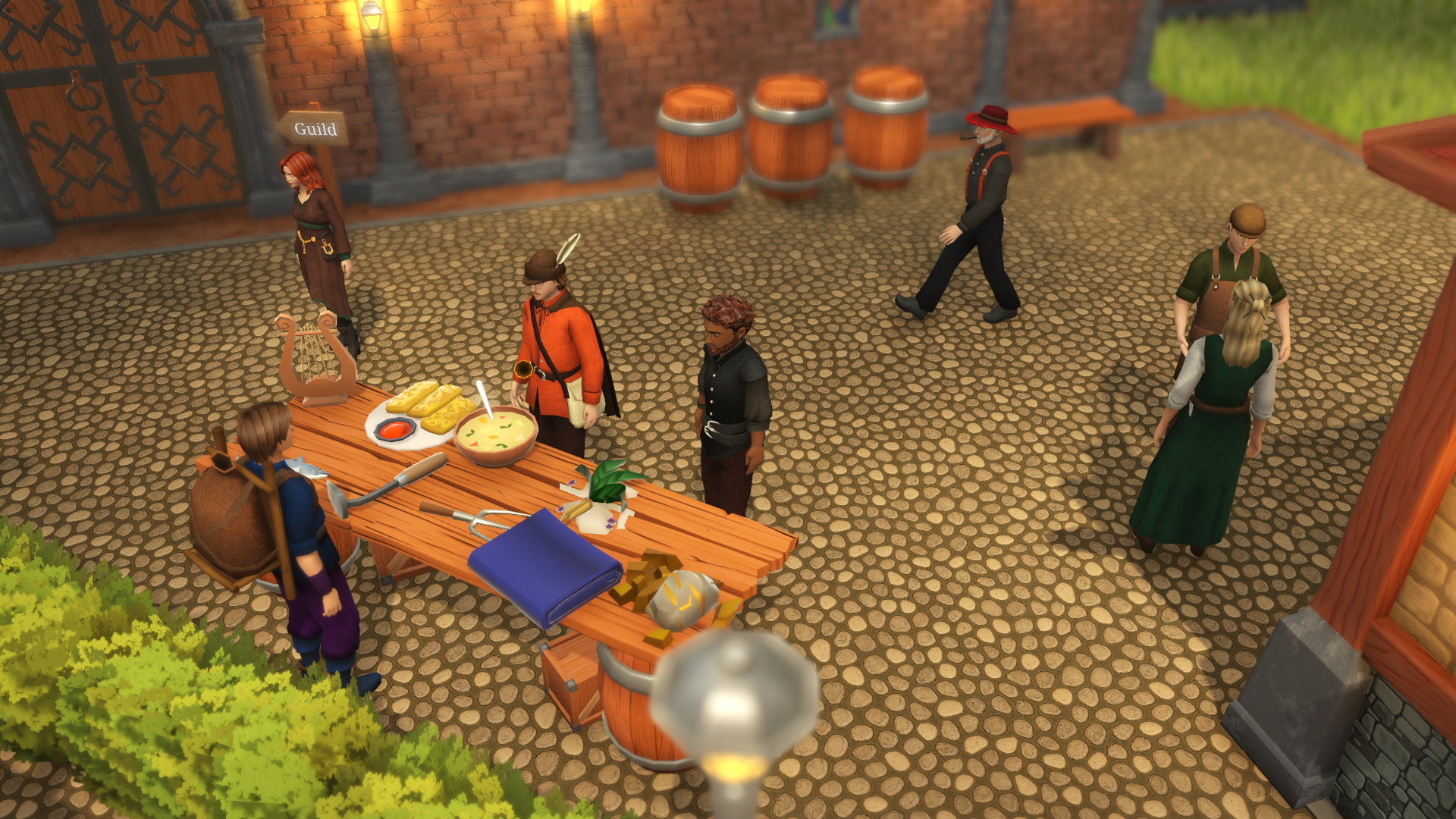
Faire Trade is a cozy, ambitious shopkeeping sim that pairs polished, charming visuals with a surprisingly deep toolkit; crafting, farming, room‑based perks, and genuinely free‑form shop building give you lots of meaningful ways to shape your business.
Its Early Access debut shows real promise, but the experience is held back by rough UI, missing quality‑of‑life conveniences, and a town that still feels thin; those frictions turn otherwise satisfying loops of crafting, displaying, and selling into occasional busywork.
The core systems are solid and often delightful, the room recipes and expanded crafting add real strategic weight, so the game’s future hinges on how quickly the devs can populate the world, streamline inventory and restock flows, and polish the onboarding to match the game’s evident heart.
Gameplay loop and core systems
• Daily rhythm: Each in‑game day cycles through a satisfying cadence of customer traffic, crafting and farming chores, and shop upkeep. The loop, produce or craft goods, display them attractively, set prices, and serve customers, feels rewarding when systems align, and the day‑by‑day feedback encourages iterative improvement.
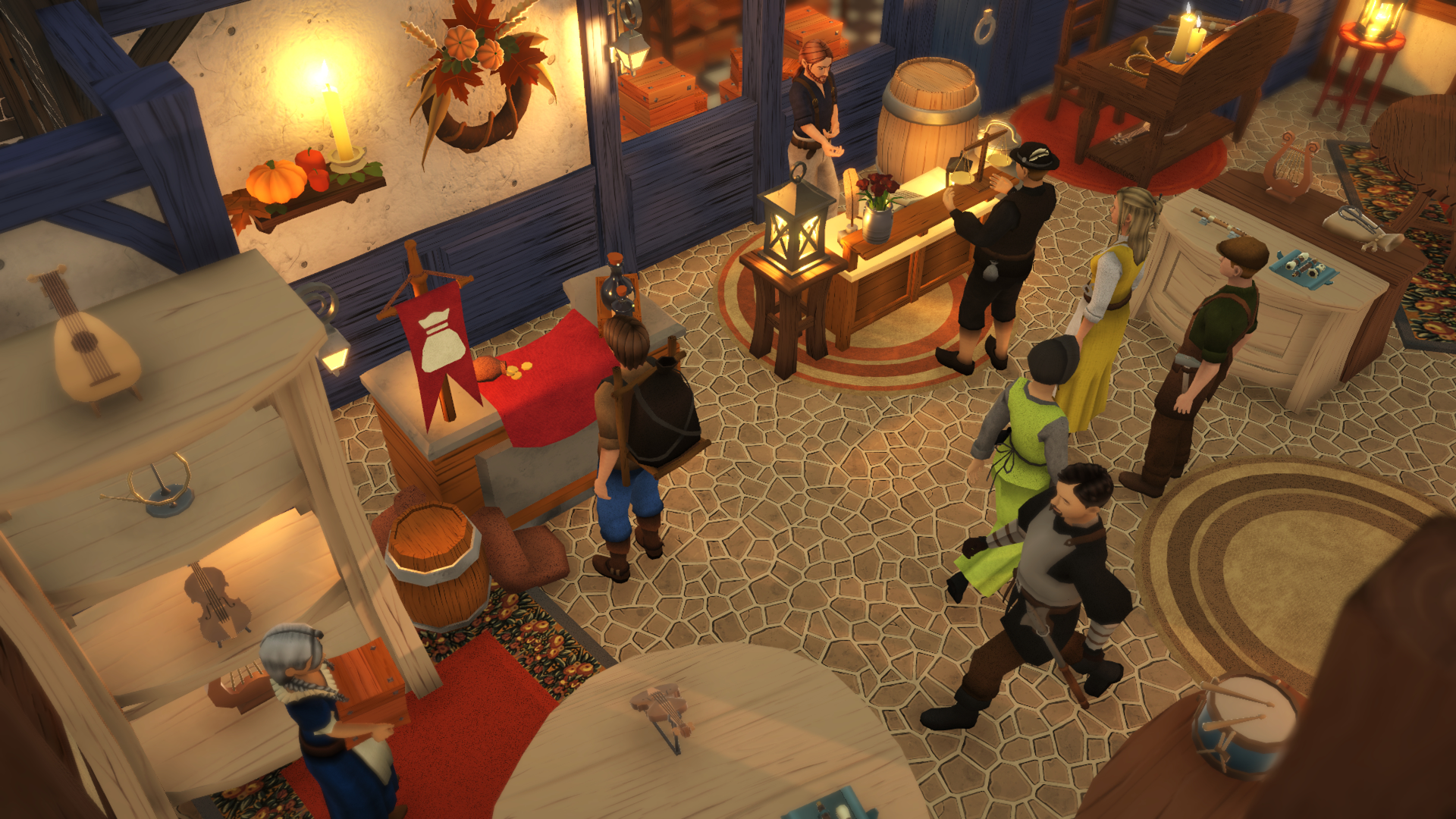
• Stocking and sales: Source goods from your farm, craft at workstations, or buy from traveling traders; display strategy now matters because customers only request items you actually have on the floor. This change removes annoying accidental sales of raw materials and turns window dressing and shelf placement into tactical choices that shape income and customer behavior.
• Crafting breadth: New stations; smelter, forge, alchemy bench, and tailor, unlock a wider range of sellable wares and higher‑value recipes. Crafting deepens the economy but introduces real spatial and time trade‑offs, forcing you to balance workshop footprint against potential profit margins.
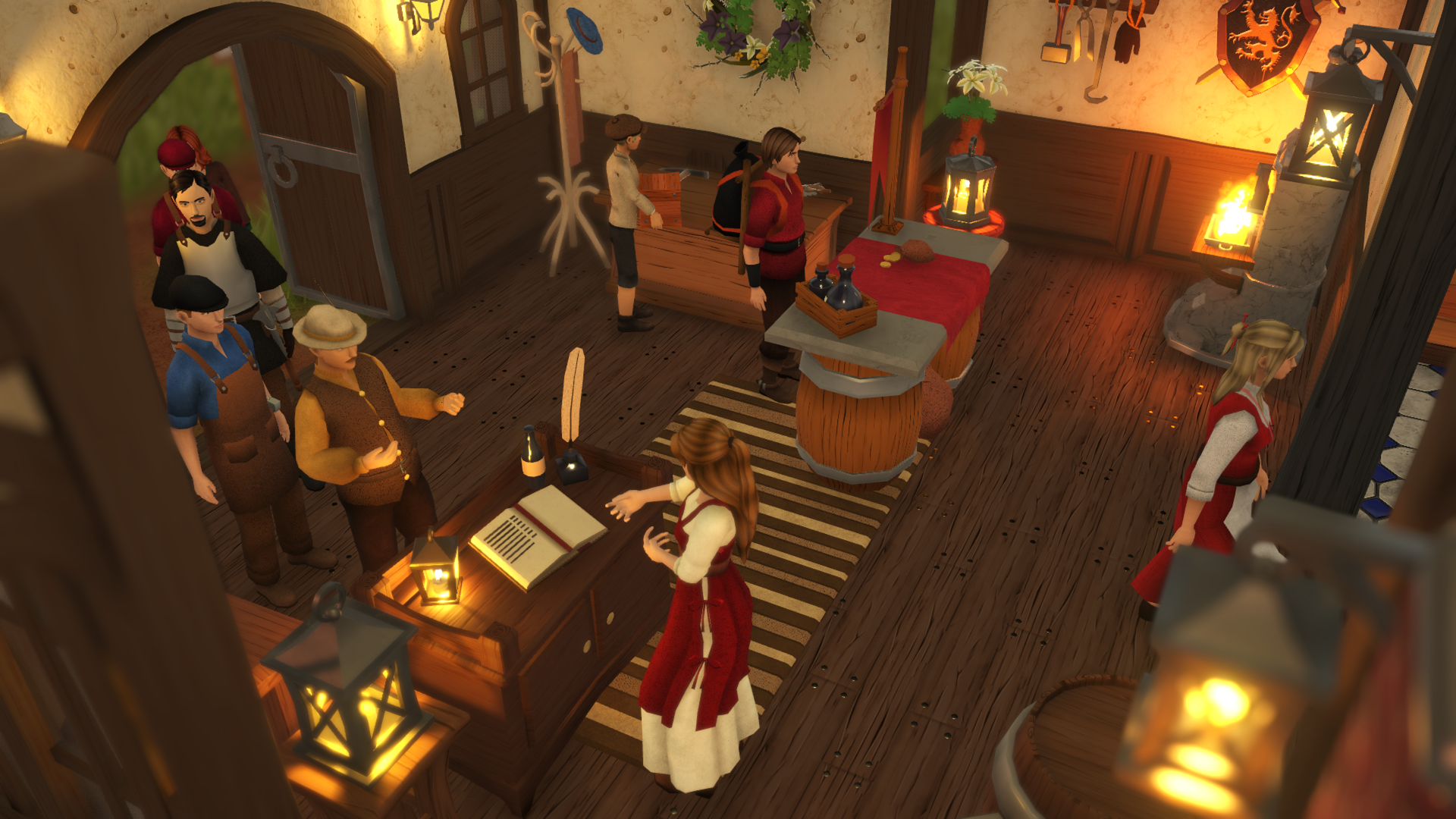
• Room perks and layout: The room‑recipe system is a genuine highlight, specific layouts and furnishing combinations grant tangible buffs, so where you place walls, doors, and displays has mechanical consequences. Free‑form furnishing and extensive customization let you express style while optimizing for customer flow and perk synergies.
What works well
• Visuals and presentation: The art is noticeably crisper and more polished than the predecessor, with a broader variety of charming items and tasteful color variants that make each display pop.
• Meaningful design choices: Room perks and the split trader/customer counters cut down on busywork and reward intentional layouts, turning decoration decisions into strategic advantages.
• End‑of‑day feedback: The daily summary screen is clear and satisfying, giving actionable metrics and quick takeaways that help you plan upgrades and prioritize goals for the next day.
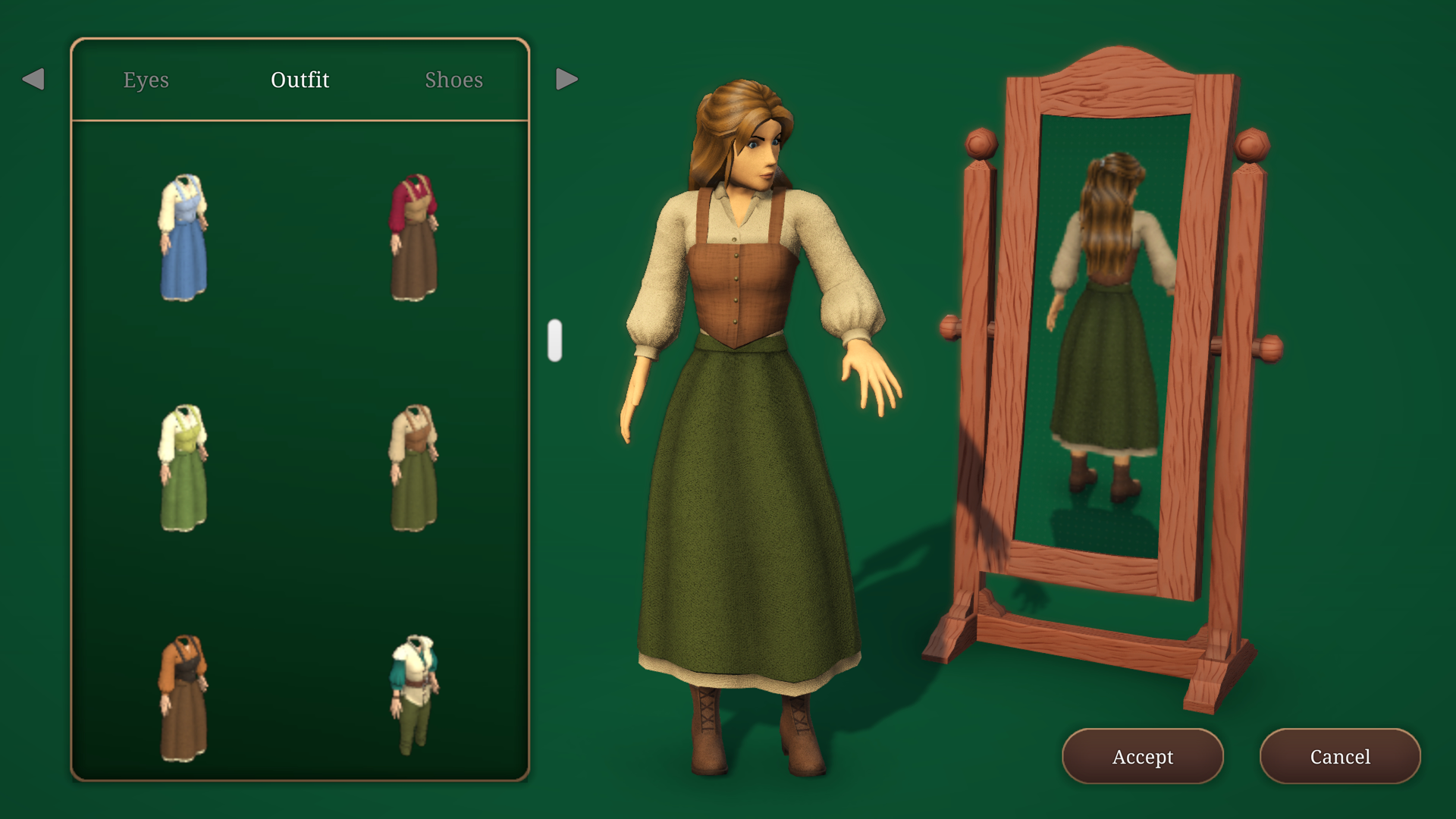
• Customization: A wide palette of decorations, color options, and free‑form furnishing tools lets you craft a shop that feels uniquely yours while also supporting gameplay synergies.
Where it feels incomplete
• UI and UX polish: Menus feel inconsistent and key information is hidden; for example, shelf counts aren’t visible while restocking, forcing you to open separate screens. Restocking requires multiple clicks with no in‑place tooltips or quick‑view counts, turning routine maintenance into a chore.
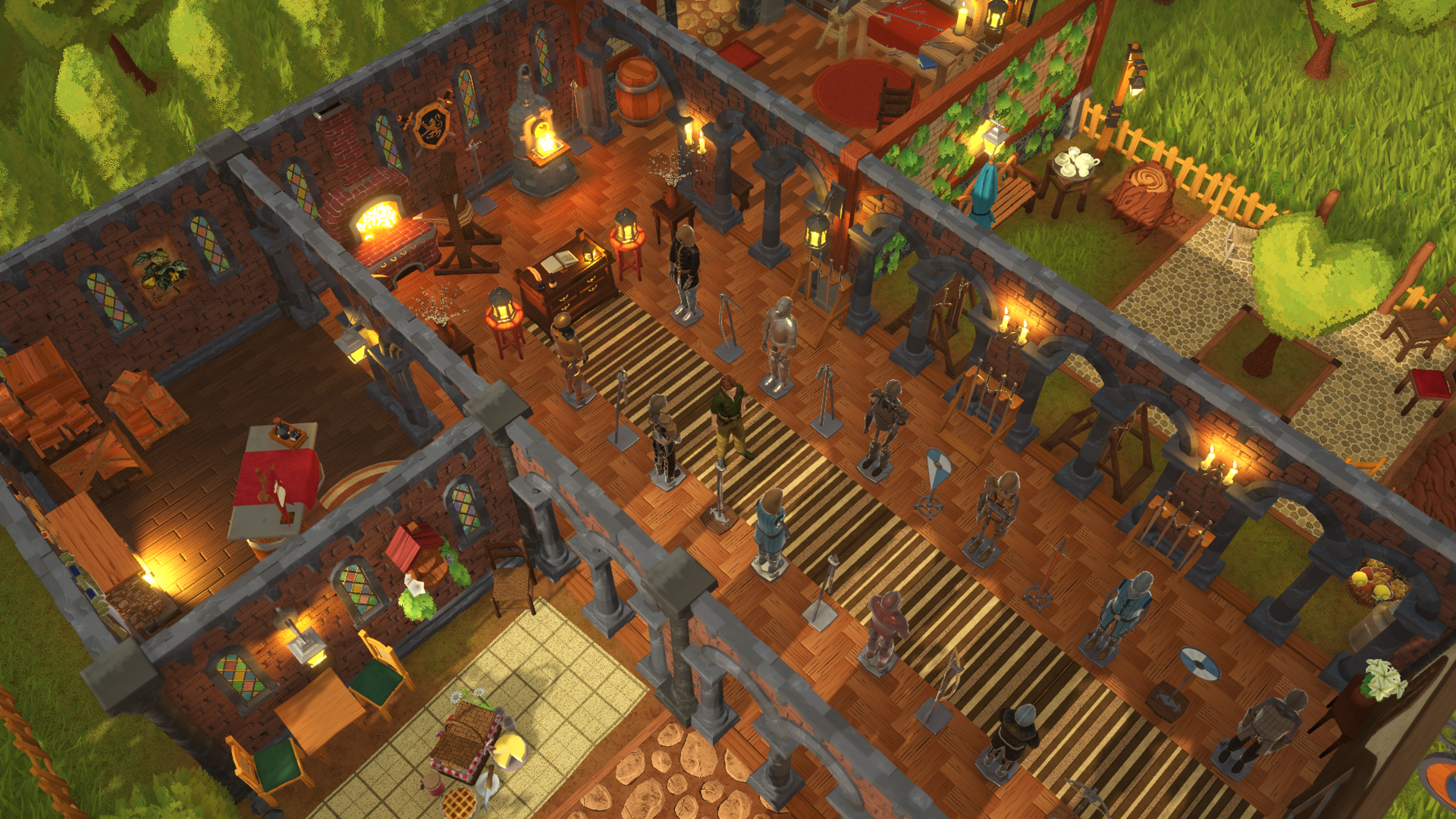
• Inventory management friction: Basic inventory actions are needlessly slow, there’s no bulk‑clear for shelves, and weapon presentation is limited to a single awkward hanger instead of a multi‑slot rack. Small, repetitive annoyances like these compound over long play sessions.
• Layout permanence: Store tiles are permanent purchases, which punishes experimentation. Because you can’t easily refund or reshuffle tiles, trying new room recipes or shop shapes becomes risky rather than playful, undermining the creative building loop.
• Underused systems: The house, farm, and village currently feel underpopulated and underdeveloped. Travel between areas often reads as padding rather than meaningful content, and the town lacks the NPC density and events that would make exploration feel rewarding.
• Missing advertised content: Several features hinted at in the store description; baked goods, a bustling town atmosphere, and fuller vendor interactions, aren’t present at launch, which can make the Early Access listing feel overly optimistic.
• Performance and bugs: Launch‑day issues (placement bugs, a rough tutorial, and occasional UI glitches) were reported; some fixes are in, but onboarding still needs work. Controller support is also missing at release, limiting play options for many users.
Practical tips for Early Access players
• Experiment, but plan first: Tiles are permanent purchases, sketch layouts or test designs in a separate save before spending silver. Treat early expansions like investments: plan room sizes to match future perks and workstations.
• Use the catalog for quick counts: The restock UI is slow; open the main catalog to see exact stock levels and favorites at a glance. Mark high‑turn items as favorites so you can monitor them faster.
• Prioritize room perks early: Build rooms that trigger beneficial recipes first, those buffs can offset crafting bottlenecks and make limited space feel more productive. Design with perk synergies in mind (customer flow, crafting speed, or price bonuses).
• Craft with purpose: Advanced stations (smelter, forge, alchemy) demand space and time, focus on a few high‑margin recipes rather than spreading into every craft line at once. Outsource low‑value goods to traders until you can scale.
• Stay plugged into dev updates: Follow the Steam page and Sassybot socials, join the Discord if available, and wishlist the game to catch QoL patches, controller support, and content drops that will smooth many early frustrations.
Roadmap expectations and what to watch
• Quality‑of‑life fixes: Add in‑place tooltips for restocking, visible shelf counts, and bulk shelf management so routine inventory tasks become fast and frictionless. Clearer inventory overlays and a unified quick‑view panel would eliminate needless menu juggling.
• Town density and content: Populate the village with more NPCs, varied vendors, and repeatable activities or events. Meaningful side errands, seasonal festivals, and vendor specializations will turn the town from a backdrop into an active economy that rewards exploration.
• Controller support and accessibility: Ship full controller mapping and polish the tutorial and onboarding flow. Accessibility options; scalable UI, colorblind palettes, and remappable keys, will broaden the audience and make long sessions more comfortable.
• Expanded crafting and food systems: Introduce baking, richer alchemy recipes, and more artisan chains that justify workshop footprints. Tiered recipes, multi‑step food production, and craftable display sets will make advanced stations feel worth the space and time investment.
• Inventory and layout flexibility: Allow refundable or reconfigurable tiles, bulk clearing of shelves, and multi‑slot display furniture (weapon racks, armor stands). These changes encourage experimentation and reduce the penalty for early‑game layout decisions.
• Content roadmap transparency: Publish a clear roadmap showing when promised features (baked goods, town expansions, QoL patches) will arrive so Early Access buyers know what to expect and can track progress.
Final Verdict
Faire Trade nails the cozy aesthetic and brings genuinely intriguing systems to the table, room perks and expanded crafting give the game mechanical depth that sets it apart from other shop sims. Its Early Access debut is promising but uneven: moments of genuine delight and clever design sit alongside clunky UI, missing quality‑of‑life features, and a village that still needs more life to feel lived‑in.
The foundation is strong, there’s clear vision and a lot to tinker with, so players who enjoy shaping an evolving title will find it rewarding to follow and support. If you prefer a polished, complete experience today, though, it’s sensible to wait for the next wave of QoL and content updates.
Watch and Wishlist
• Why wishlist: Get notified about patches, QoL fixes, and content drops that address UI, town density, and crafting expansions.
• Platforms to track: PC (Steam Early Access) is primary; watch for potential ports to Switch / PlayStation / Xbox.
• How to stay informed: Wishlist and follow the Steam page, follow developer Sassybot on social channels, and join the game’s Discord or community hubs for patch notes and roadmap updates.
• Price perspective: $15.99, a modest Early Access price; wishlist now to catch launch discounts and future sale windows.
Key Takeaways
• Premise: Run and grow a fantasy shop in the Flatlands; farm, craft, buy, decorate, hire, and serve a quirky town.
• Aesthetic: Cozy, hand‑drawn visuals with crisper presentation and a wider variety of charming items and color variants.
• Core loop: Produce or source goods, display them, set prices, and serve customers; the loop is satisfying when systems align.
• Design depth: Room perks and free‑form furnishing give layout real mechanical weight and reward creative shop design.
• Crafting and production: New stations (smelter, forge, alchemy, tailor) expand what you can sell but introduce space and time trade‑offs.
• Inventory friction: Restocking and shelf management need QoL work; no bulk clear, limited display slots, and hidden shelf counts make routine tasks tedious.
• Worldbuilding: The village and ancillary systems (house, farm, town events) feel underpopulated in Early Access and need more NPCs and activities.
• Early Access trade‑off: The game shows strong foundations and promise, but UI polish, QoL fixes, and content expansions are required to fully realize its potential.
• Who it’s for: Ideal for players who love shop sims and enjoy shaping an evolving title; those wanting a finished, polished experience should wait for future updates.
Game Information:
Developer & Publisher: Sassybot
Platforms: PC (reviewed)
Release Date: October 16, 2025
Score: 6.5 / 10
Faire Trade has a warm aesthetic and promising systems, but Early Access roughness holds it back. The room‑perk design and expanded crafting add meaningful depth, yet inconsistent UI, inventory friction, and an underpopulated village turn otherwise enjoyable loops into occasional busywork. It’s a solid foundation that needs targeted QoL and content updates to reach its potential.
“6.5 / 10 - A cozy, ambitious shop sim with real heart. Play it for the design ideas, stay for the updates that will make it sing.”