Game Settings: The Settings Are the Story - A meta mystery where menus rewrite memory. (Demo Impressions)
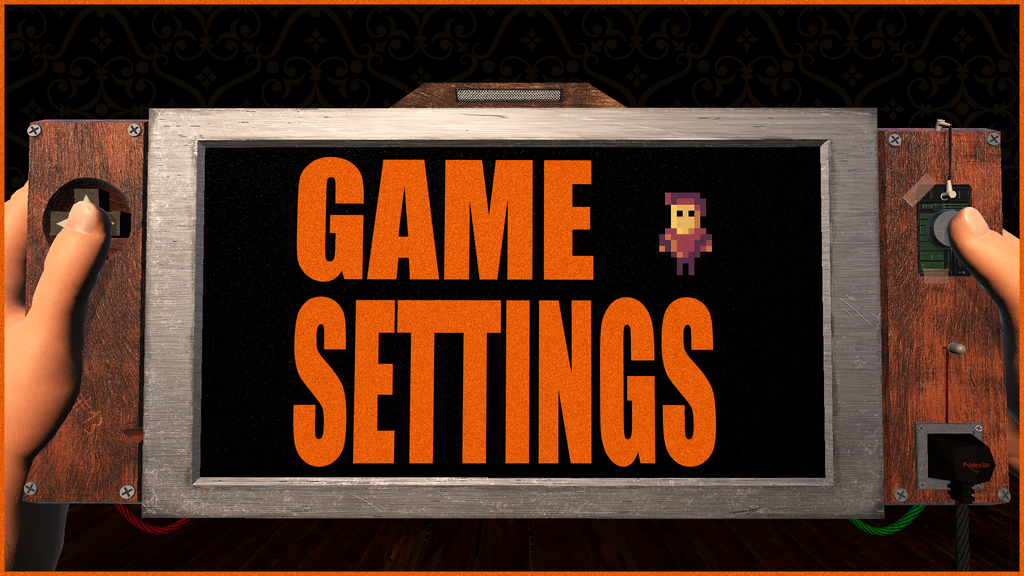
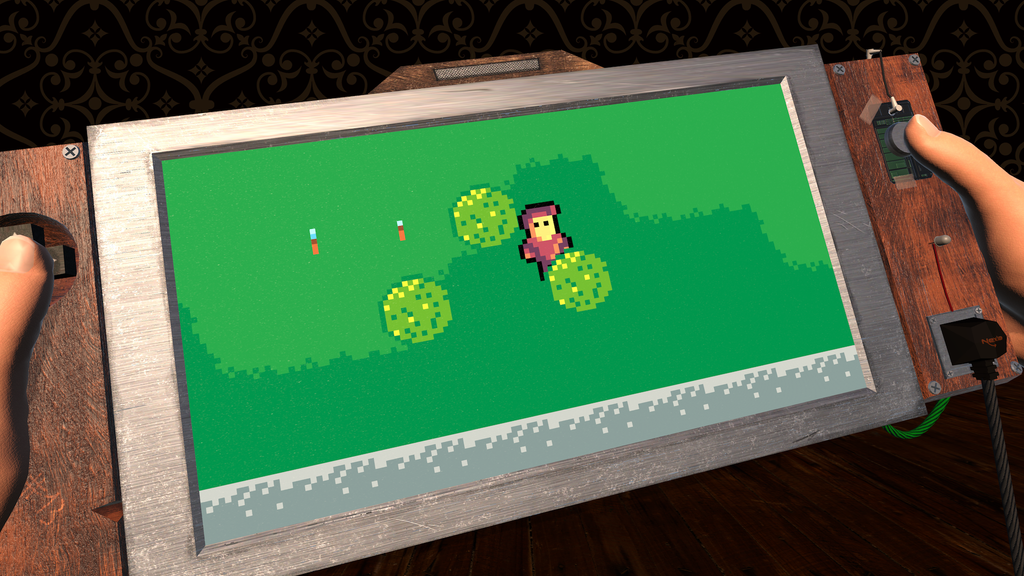
Game Settings drops you into a quietly unnerving mystery: you play Alex, a burned‑out tech journalist whose routine is ruptured by a package containing a bespoke console and a blank cartridge. The demo spans the first three days of a promised seven‑day arc and stakes its claim with a single, audacious idea, the settings menu is the controller.
Tweak opaque sliders and toggles, then step back into the world and watch subtle and sometimes startling ripples: conversations shift tone, objects appear or dissolve, and memories rearrange themselves as if the environment is responding to your curiosity. The result is a slow, tactile experiment in agency, less about solving puzzles and more about learning a language of cause and effect, where every adjustment teases new questions about who built the system and why it was left to rust.
Core concept
• No objectives or combat: The demo strips away traditional goals and replaces them with pure curiosity‑driven play. There’s no score to chase or enemies to defeat; only slow exploration, attentive observation, and the satisfaction of piecing together meaning from fragments.
• Settings as mechanics: A cryptic menu of sliders and toggles is your primary instrument; adjusting parameters is the act of play. Each tweak can produce subtle shifts or dramatic rewrites of a scene, and the real puzzle is learning the language of those controls and predicting their ripple effects.
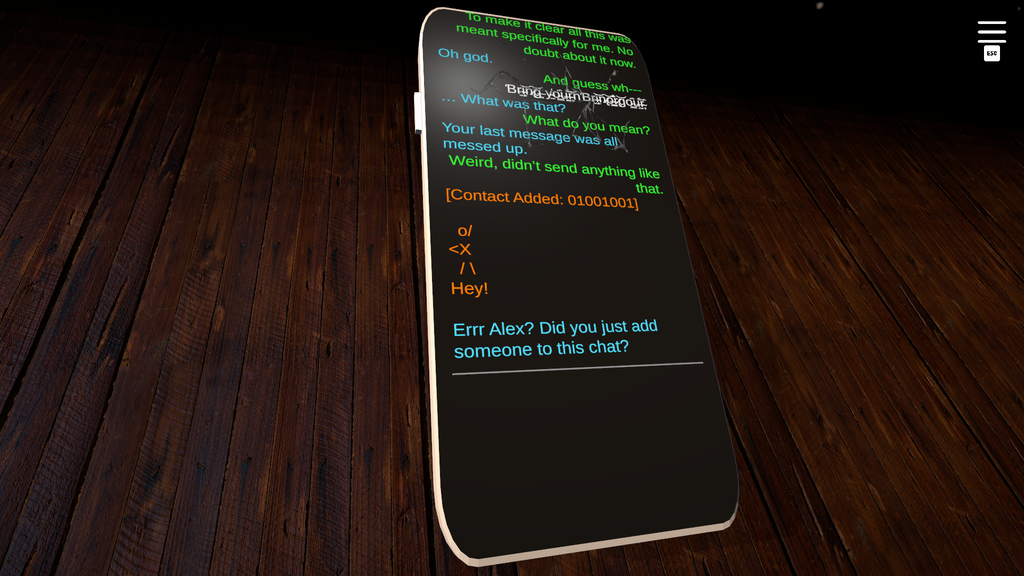
• Reactive world: The environment responds to your choices in unexpected, often uncanny ways; NPC dialogue changes tone, objects materialize or vanish, and familiar spaces can flip from mundane to eerie. Those reactions turn every return visit into an experiment, rewarding players who iterate, compare outcomes, and map cause to consequence.
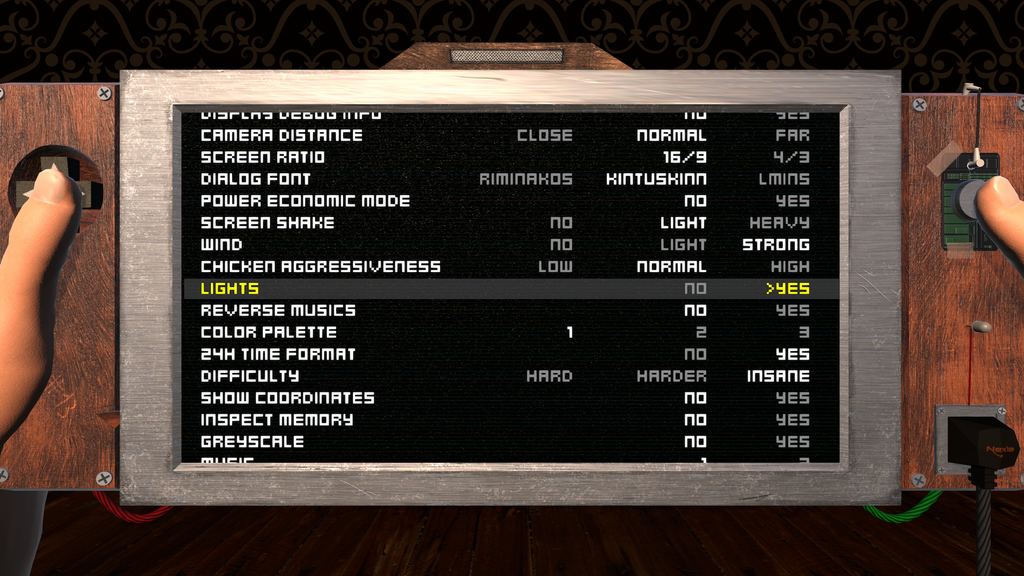
What the demo plays like
• Exploration first: Movement and careful observation are the primary verbs here. The demo rewards slow, attentive play, listen to NPCs for half‑spoken hints, examine mundane objects for subtle changes, and revisit locations after toggling settings to catch newly revealed details and altered pathways.
• Puzzle by curiosity: Puzzles emerge from experimentation rather than explicit prompts. Treat each slider or toggle as a hypothesis: change one parameter, note the world’s response, and build a mental map of cause and effect. Those inferred links become tools to pry open new scenes and dialogue threads.
• Narrative drip: Storytelling arrives in fragments; old logs, fractured conversations, and environmental breadcrumbs that suggest a larger experiment and a vanished team. The demo excels at implication: small discoveries accumulate into a slow, uncanny narrative that invites you to assemble the backstory yourself.
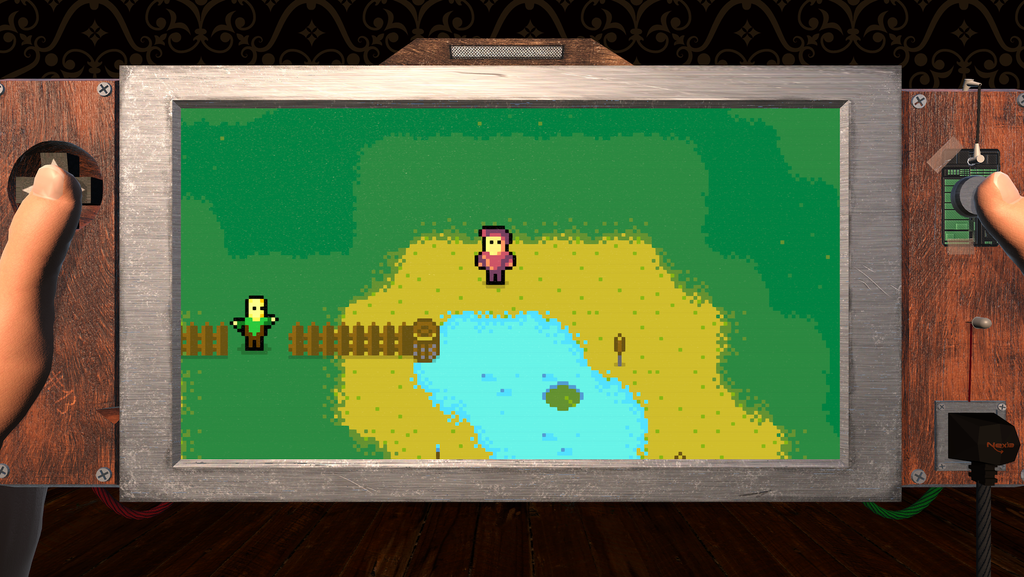
Atmosphere and presentation
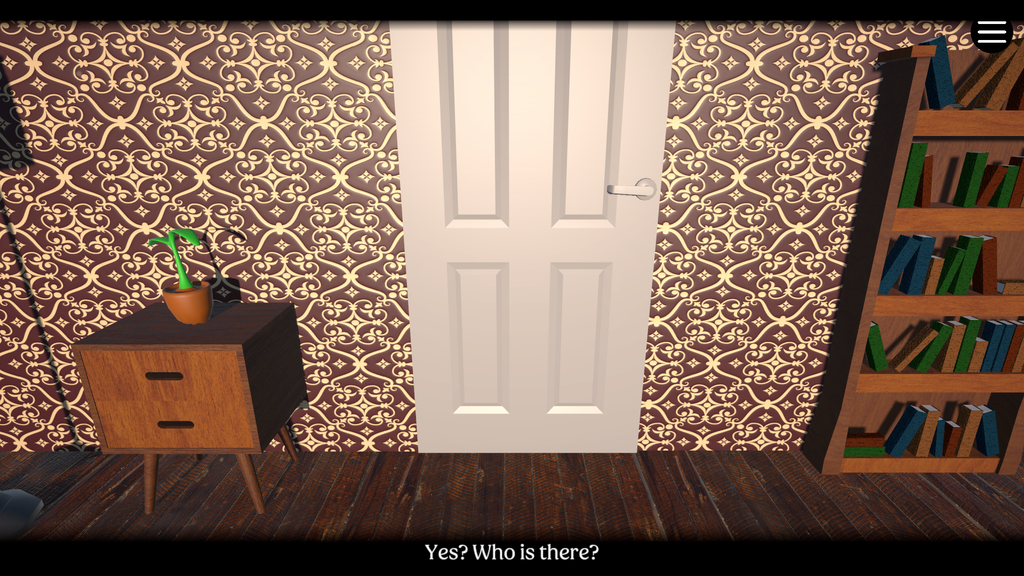
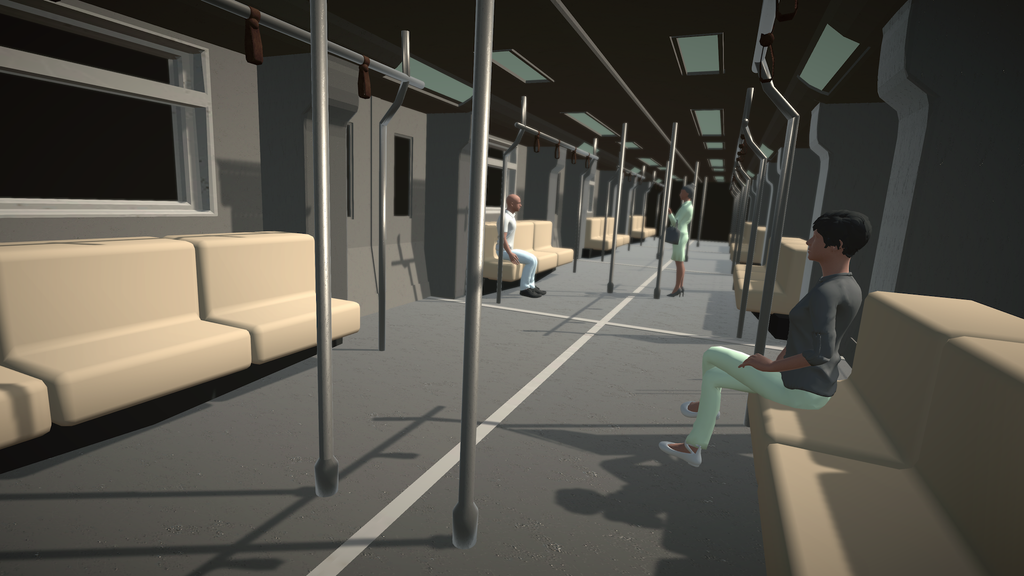
• Tone: Quiet, uncanny, and quietly melancholic. The demo favors a slow‑burn mystery that builds tension through implication and mood rather than jump scares or overt horror, so unease accumulates in the small, everyday details.
• Visuals: Minimalist and deliberately restrained, with a muted palette and clean, readable spaces that reward close inspection. Lighting and subtle visual shifts; flickering screens, a misplaced object, a changed poster; serve as the game’s punctuation, turning ordinary rooms into sites of discovery.
• Sound design: Layered ambient textures and well‑timed silences heighten the feeling that something is slightly off; sound often signals change before your eyes do. Discrete audio cues; an altered hum, a distant click, a voice line that now reads differently, mark when a setting has warped reality and guide attentive players toward new threads.
Strengths
• Inventive core mechanic: Turning the settings menu into the primary gameplay loop is a striking, memorable design choice. What would normally be a passive UI becomes an active instrument for discovery, each ambiguous slider or toggle feels like a lever you can pull to rewrite scenes, and that reframing makes every menu visit feel consequential rather than perfunctory.
• Curiosity‑driven pacing: The demo rewards patient, experimental play. Small, repeatable experiments; flip a switch, revisit a room, compare dialogue; lead to satisfying “aha” moments when a previously opaque parameter reveals a pattern or unlocks a new thread, encouraging methodical exploration rather than brute‑force progression.
• Narrative mystery: Storytelling is delivered in tantalizing fragments that raise more questions than they answer. Logs, altered conversations, and environmental echoes hint at a vanished team and a purposefully abandoned experiment, building appetite for the full game by promising deeper layers of motive and consequence rather than handing out tidy explanations.
Rough edges and limits
• Ambiguity can frustrate: The settings’ deliberate opacity is intriguing, but the demo sometimes lacks clear feedback, so many toggles feel like blind guesses rather than experiments with predictable outcomes. Players who prefer transparent cause‑and‑effect will find progress slow and may struggle to form reliable hypotheses without more in‑game signals or a better logging system.
• Limited scope: Three days effectively demonstrate the core conceit but leave much of the narrative and mechanical promise unresolved; several threads are intentionally left dangling to build mystery. That restraint creates appetite for the full game, but it also means the demo can feel like a tease rather than a complete slice of the experience.
• Pacing balance: The demo’s contemplative tempo rewards patient, methodical players, but its payoffs are infrequent and sometimes far apart, which can make long stretches feel inert. A few more intermediate rewards, clearer micro‑goals, or optional hints would help sustain momentum for players who enjoy the concept but need steadier reinforcement.
Replayability and hooks
• High curiosity value: The settings produce branching, often surprising outcomes, so the demo naturally encourages multiple playthroughs. Repeating days with different parameter combinations reveals patterns and causal chains, turning each session into a deliberate experiment rather than a single linear run.
• Satisfying discovery loop: Tiny environmental secrets, alternate dialogue branches, and shifted object placements reward careful comparison. Players who enjoy cataloging changes; taking notes, sketching maps, or keeping a change log, will find each revisit yields new payoffs and a clearer mental model of how the system behaves.
• Emergent goals: Because outcomes aren’t handed to you, players invent their own objectives; reproduce a specific scene, unlock a hidden line of dialogue, or map a slider’s full effect, which adds personal stakes and extends the demo’s lifespan.
• Replay tips: Tweak one setting at a time, record results, and revisit key locations; this methodical approach turns ambiguity into a solvable system and makes later discoveries feel earned.
Who should play the demo
• Play if: You like experimental narrative games, enjoy systems that reward tinkering, and appreciate slow, atmospheric mysteries.
• Skip or wait if: You want clear objectives, fast pacing, or a more guided experience, this demo favors ambiguity and patient exploration.
Final Verdict
Game Settings is a confident, unusual experiment that transforms a normally ignored UI into the game’s central storytelling engine. Its core conceit, tweaking cryptic sliders to reshape environments and memory; feels inventive and rewarding, producing genuine moments of discovery that linger. That ambition comes with trade‑offs: the demo deliberately withholds answers, and its opacity will frustrate players who prefer clearer feedback or faster payoffs.
Still, the experience is compelling enough to leave you curious rather than satisfied; wanting deeper context, clearer consequences, and more inventive ways the settings can twist the world. For players who enjoy patient, systems‑driven mysteries, this demo is a must‑watch; for those seeking a guided narrative, the full seven‑day build will be the real test.
Watch and Wishlist
• Why wishlist: Get Steam notifications for demo updates, patch notes, and the full release; the demo is the best way to sample the first three days of the seven‑day arc.
• Platforms to track: PC (Steam) is primary; watch for Steam Deck compatibility notes and any future console port announcements (Switch / PlayStation / Xbox).
• How to stay informed: Wishlist and follow the Steam store page, join Lozange Lab’s Discord or newsletter, and follow the developer on social channels for roadmap posts and patch threads.
• Price perspective: To be determined. The demo is free on Steam; full‑game pricing has not been announced.
Key Takeaways
• Premise: Play as Alex, a burned‑out tech journalist who receives a mysterious console and cartridge; the demo covers Days 1–3 of a seven‑day mystery.
• Core mechanic: The settings menu is the game, opaque sliders and toggles are your primary tools for reshaping environments and dialogue.
• Gameplay focus: No combat or explicit objectives; exploration, experimentation, and interpretation drive progress.
• Reactive world: Adjustments produce tangible changes; NPC lines shift, objects appear or vanish, and scenes can flip tone based on your configurations.
• Atmosphere: Quiet, uncanny, and melancholic; minimalist visuals and layered ambient sound build slow‑burn tension.
• Strengths: Inventive concept, rewarding curiosity, and satisfying discovery moments for players who enjoy systems to decode.
• Weaknesses: Deliberate ambiguity can feel opaque; limited three‑day scope leaves many threads unresolved and payoffs spaced far apart.
• Replayability: High for methodical players, different setting combinations reveal branching outcomes and hidden dialogue.
• Who it’s for: Ideal for fans of experimental narrative games and systems‑driven mysteries; players seeking clear goals or faster pacing may want to wait for the full release.
Game Information:
Developer & Publisher: Lozange Lab
Platforms: PC (reviewed)
Demo Release Date: December 4, 2025
Score: 7.0 / 10
Game Settings is an inventive, quietly unsettling experiment that turns a mundane UI into a meaningful gameplay loop. The demo’s core mechanic and moments of discovery are compelling, and its atmosphere is consistently strong, but deliberate opacity and a limited three‑day slice keep it from feeling fully realized. Worth playing for curious, patient players; others may prefer to wait for more clarity and content.
“7.0 / 10 - A quietly brilliant experiment: the settings menu becomes a puzzle box, and every tweak feels like turning a key.”