Haymaker: VR Brawling, Up Close - Authentic, physics‑first combat that turns your body into the controller. (Game Review)
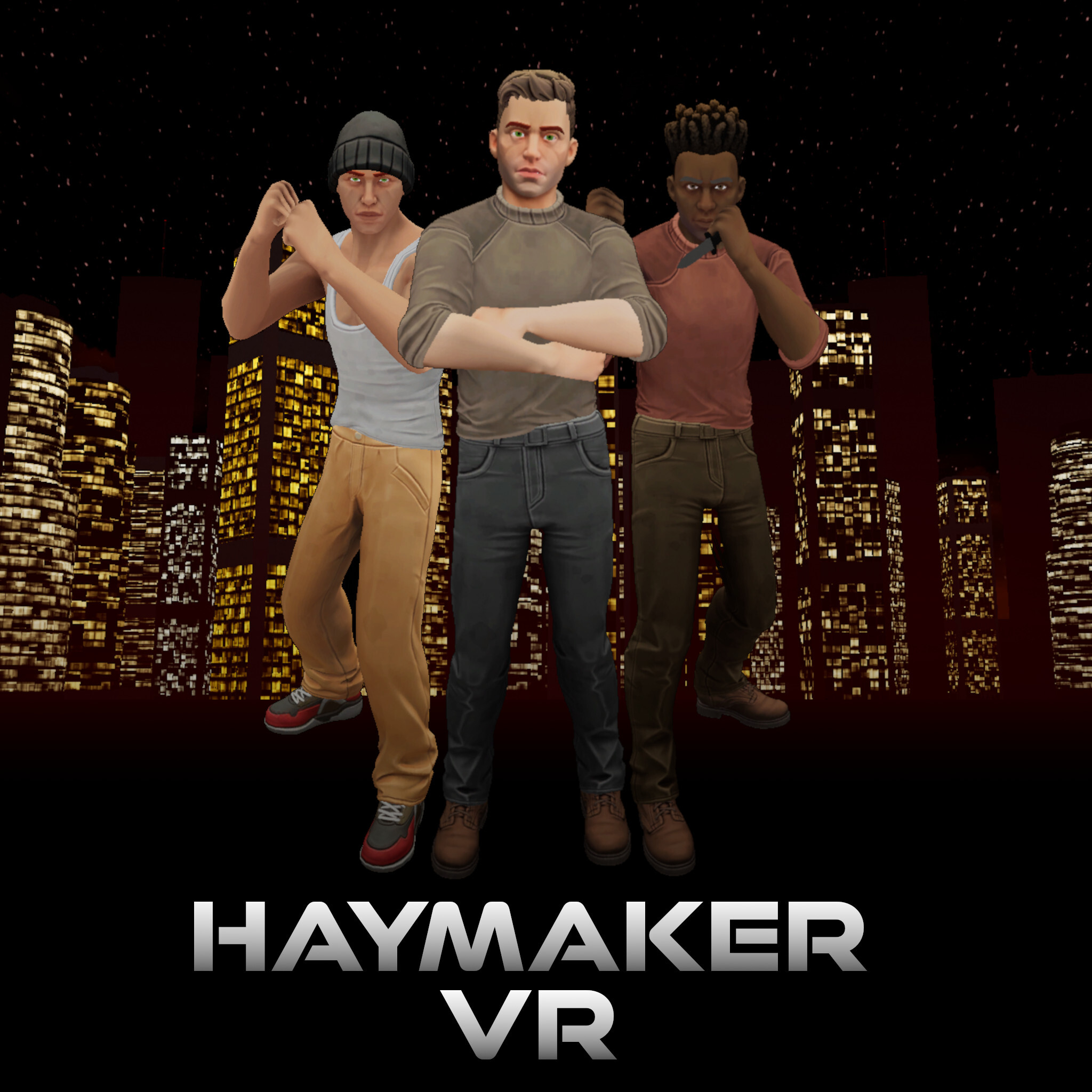
Haymaker is a physics‑first VR brawler in active Early Access that prioritizes authentic, body‑driven melee and high replayability.
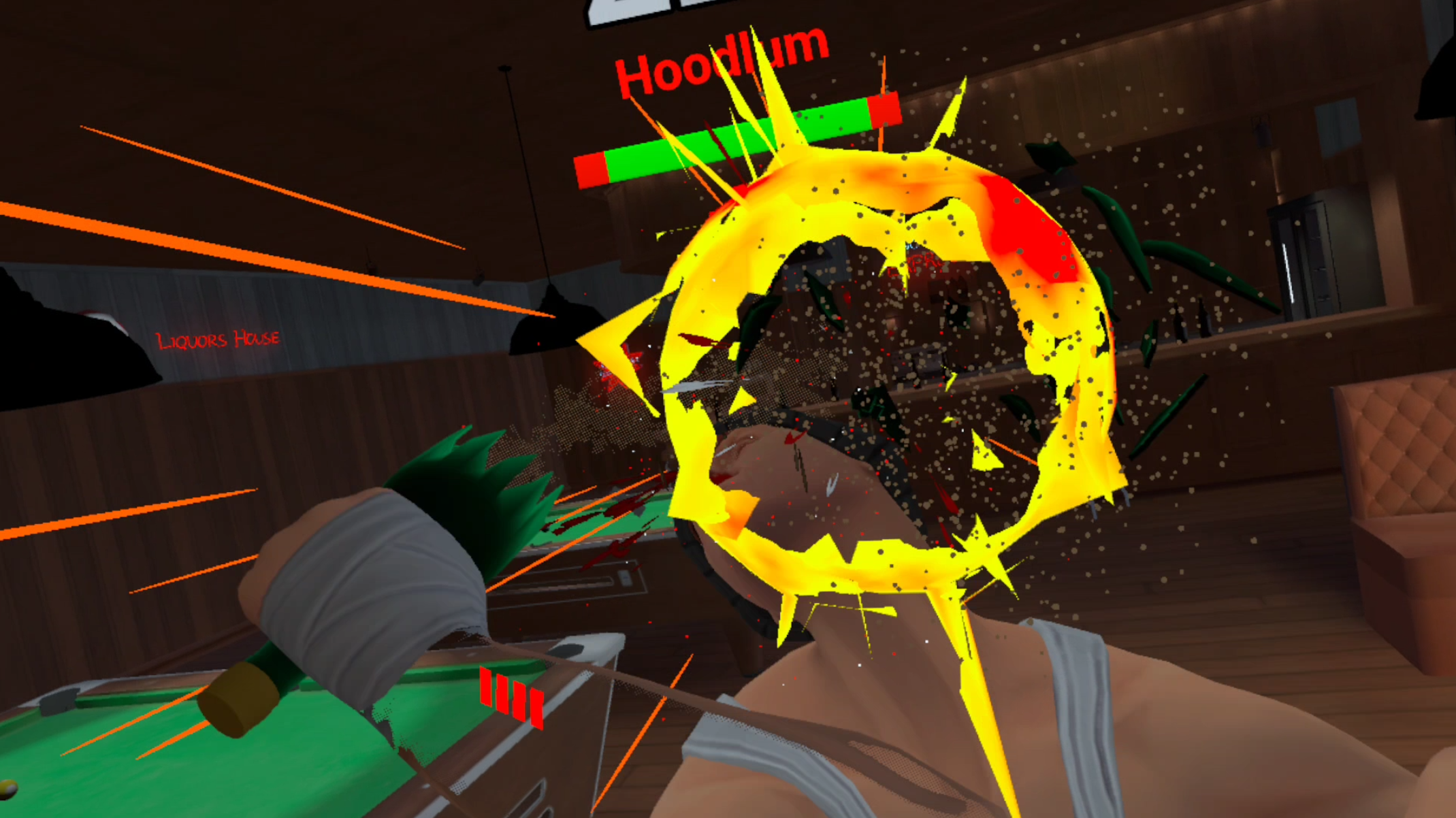
Its core systems are already playable: weighty, physics‑based hand interactions for grabbing, grappling, and striking; gesture‑driven kicks and knees that reward full‑body motion; adaptive AI that reads and reacts to the battlefield; and sandbox encounters that encourage improvisation with props and environment.
Many systems remain in prototype; levels, progression loops, and some modes are still being shaped, but the mechanical foundation is solid and satisfying.
The studio is deliberately using Early Access as a development lab: player feedback will guide tuning, bug fixes, and content expansion, so the game you play now is a promising glimpse of a more polished, content‑rich brawler to come.
Core systems and combat
• Physics‑driven hands: Interactions are governed by a weight‑aware physics model that responds to force, angle, and momentum; so grabs, holds, and throws behave like real objects rather than canned animations. Small differences in how you grip or twist translate into different outcomes, making improvised takedowns and clutch saves feel earned and tactile.
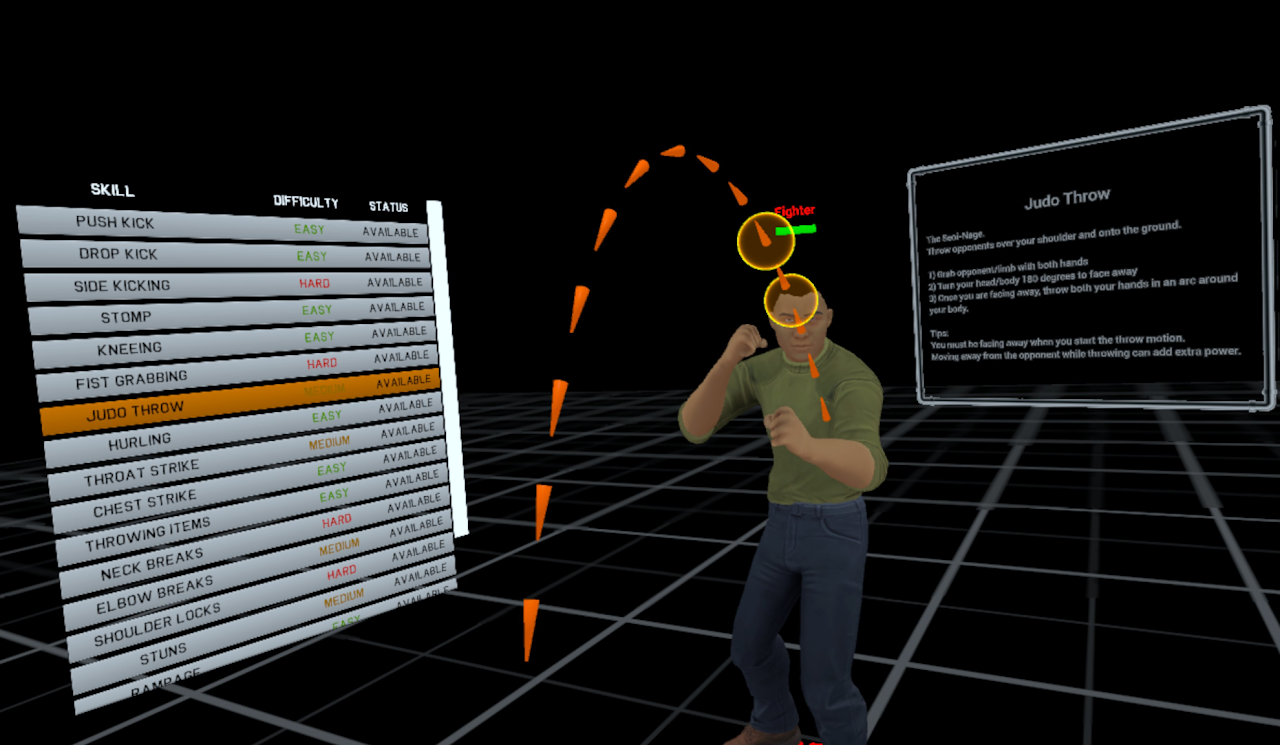
• Gesture kicks: Kicks and knees register from shoulder, torso, and hip motion, turning upper‑body input into meaningful lower‑body strikes. The system rewards committed, full‑body movement: a well‑timed shoulder drive becomes a crushing knee, while subtle torso rotation produces quick, disruptive jabs to create space.
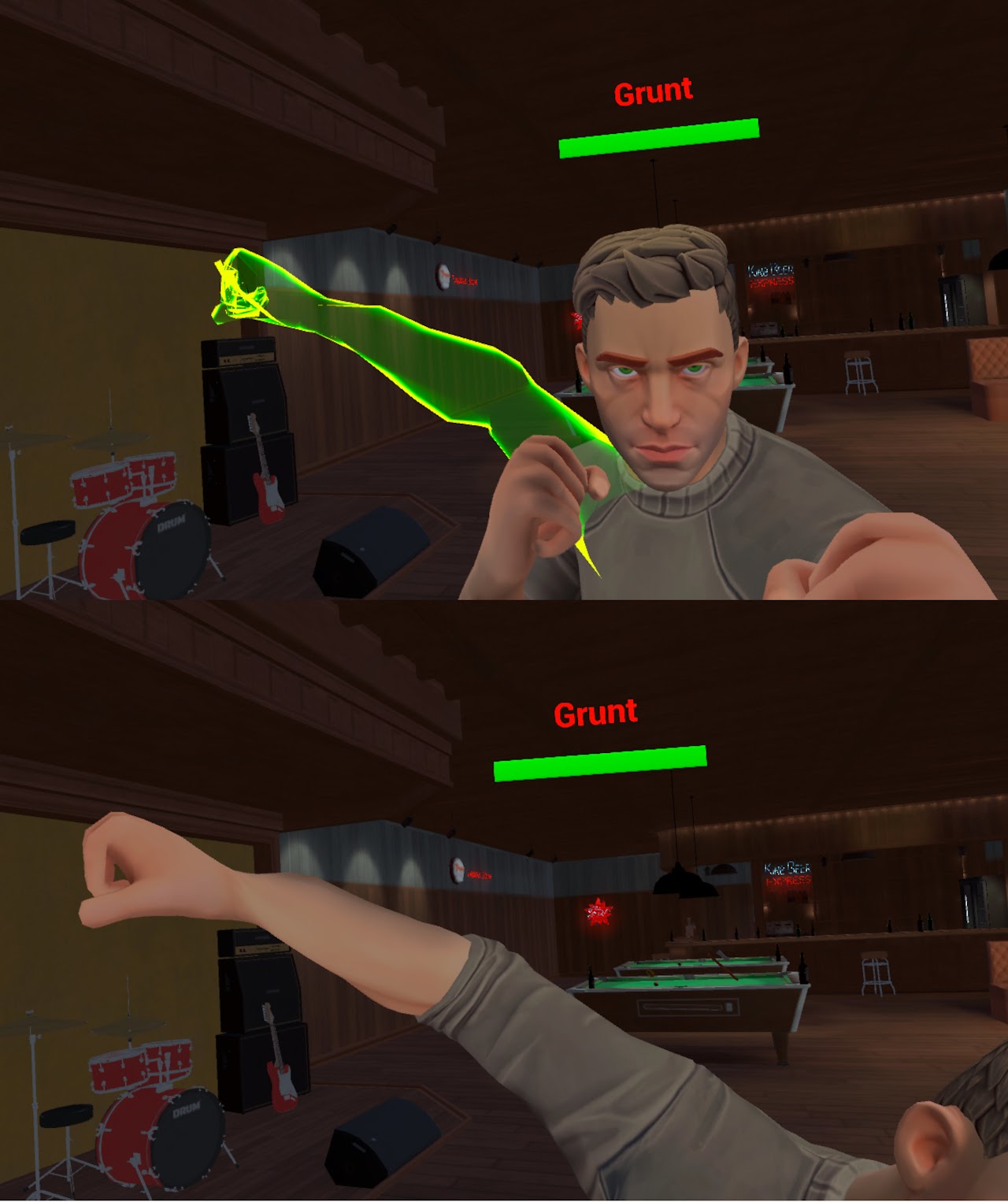
• Incoming‑attack indicators: Subtle telegraphs and intent cues give you a read on opponent actions in real time, enabling crisp counters, parries, and intercepts. The result is a cinematic, high‑tempo flow where anticipation and timing matter as much as raw power.
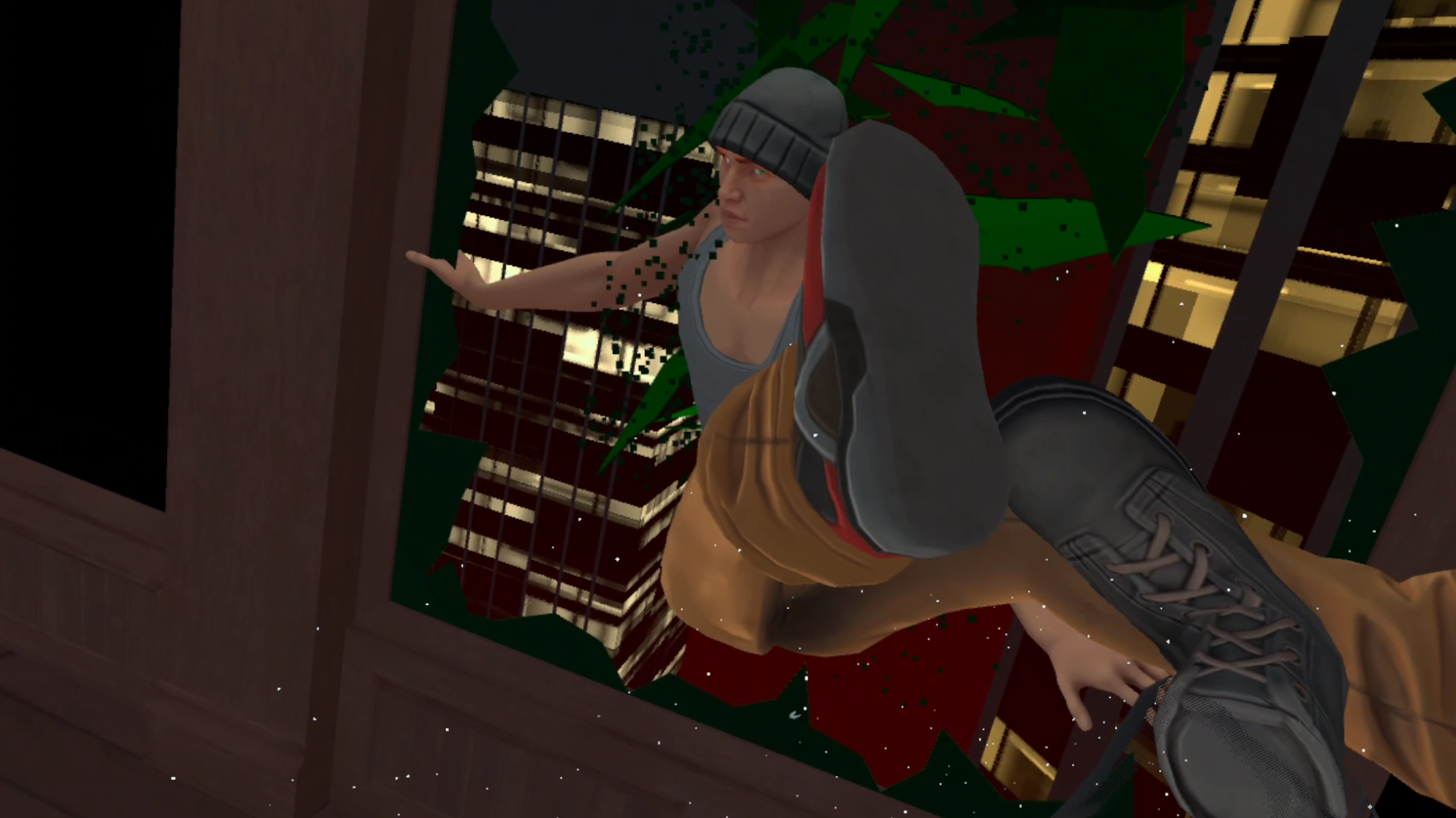
• Active ragdoll reactions: Characters react dynamically to impacts, environment geometry, and props; knockdowns, ricochets, and improvised environmental knockouts play out organically. These emergent reactions create memorable, unscripted moments that vary every fight.
• Adaptive AI: Both allies and enemies analyze movement, predict positions, and choose context‑appropriate tactics, including using nearby objects as weapons or cover. This keeps encounters unpredictable and encourages sandbox‑style problem solving rather than rote pattern memorization.
• 120 Hz simulation: A high‑frequency physics loop tightens collision fidelity and hit registration, producing crisper impacts and smoother, more reliable interactions. The higher simulation rate preserves momentum and reduces jitter, so fast exchanges feel immediate and satisfying.
Early Access state and roadmap
• Current status (Alpha): The game is in Alpha with a robust combat foundation and fully playable sandbox and tutorial areas. Core systems, physics, hand interactions, adaptive AI, and emergent ragdoll reactions, are implemented and feel satisfying; many environments, progression loops, and additional modes remain in prototype and will be iterated.
• Planned iteration and timeline: The studio is using Early Access as an active development lab: player feedback will drive combat tuning, bug fixes, and the definition of game modes. A more polished Beta build with established loops is expected within a few months, though a firm exit date from Early Access has not been set.
• Team growth and production priorities: The developer plans to expand the team to accelerate improvements across art, audio, UI, and level design. Priority work includes fleshing out environments, tightening progression systems, and raising presentation polish to match the combat’s mechanical fidelity.
• Quality assurance and tuning: Expect ongoing balance passes, stability fixes, and performance optimizations, especially around hit detection and physics, plus iterative adjustments to make encounters feel consistently fair and fun across playstyles.
• Community-driven design: Player reports and telemetry will directly influence feature choices and tuning decisions; the studio is explicitly soliciting feedback to help find the “fun” in each mode.
• Communication cadence: Regular developer posts, patch notes, and build previews are promised. Follow the studio on Meta and join community channels to catch update announcements, playtest opportunities, and detailed build notes.
Player impressions
• Feel and pacing: Combat settles into a satisfying rhythm; precise, physical, and kinetic. Well‑timed blocks and counters flow into visceral strikes, and landing a clean knockout delivers genuine impact. The tutorial and sandbox clearly telegraph the systems’ potential, teaching momentum and timing without hand‑holding.
• Comparative note: For players who habitually return to other VR brawlers for unarmed combat, Haymaker already stands out. Its weighty, physics‑first interactions and tempo give fights a tactile authenticity that feels closer to sparring than to scripted arcade hits.
• Polish and scope: The core mechanics are fun and demonstrably robust, but presentation still lags in places; visual fidelity, environmental variety, and progression loops need further refinement to match the combat’s mechanical promise. Expect rough edges typical of Early Access as the team iterates.
• Community reaction: Early adopters praise the sandbox potential and the raw combat feel, calling out memorable emergent moments and satisfying knockouts. Feedback consistently highlights the same EA caveats; content depth, polish, and balance; which the studio appears committed to addressing.
Strengths
• Authentic, physics‑first combat: Weighty, momentum‑aware interactions make every grab, block, and strike feel physically believable; your inputs produce nuanced outcomes rather than canned animations.
• Emergent ragdoll reactions: Impacts, tumbles, and environmental knockouts play out organically, creating unpredictable, memorable moments instead of scripted outcomes.
• Adaptive AI that feels alive: Opponents and allies read movement, improvise with nearby objects, and change tactics on the fly, keeping encounters dynamic and sandboxy.
• High‑fidelity simulation: A fast physics loop and precise collision fidelity deliver crisp hit registration and responsive feedback, so exchanges feel immediate and satisfying.

Weak edges
• Prototype environments and progression: Many levels and the overarching progression loop are still in early prototype form; layouts, encounter pacing, and reward systems can feel unfinished or sparse in places.
• Missing or undercooked content: Some game modes, level variety, and polish features are not yet implemented or are present as rough sketches rather than final systems, so play sessions can occasionally feel repetitive or incomplete.
• Polish will scale with the team: The developer plans to grow the team to raise art, audio, UI, and environmental fidelity; expect visual and UX improvements, richer level dressing, and tighter progression as development continues.
• Price and expectations: The current Early Access price reflects this in‑progress state and is likely to increase as new content and polish are added, buying now is for players who want to influence development and play the core combat early rather than those seeking a finished product.
Final Verdict
Haymaker already captures the core thrill of physical VR brawling: visceral, reactive combat built on believable body mechanics and emergent interactions. The core systems; weighty hand strikes, gesture‑driven kicks, adaptive AI, and dynamic ragdoll reactions; combine into fights that feel improvised and cinematic rather than scripted.
Early Access is being used as intended: the studio is iterating publicly, tuning combat and adding modes based on player feedback, so the experience you play today will evolve. If you crave sandbox melee that rewards physicality and improvisation and don’t mind rough edges while systems and content are fleshed out, Haymaker is a must‑watch.
Watch and Wishlist
• Why wishlist: Get notified about combat tuning, new modes, environment updates, and balance patches; wishlisting also makes it easy to jump into playtests or try the game when a demo or sale appears.
• Platforms to track: Meta Quest (store/App Lab) and PC VR (Steam/SteamVR); keep an eye on any platform‑specific storefronts or the studio’s official pages for additional headset support.
• How to stay informed: Wishlist on Steam and enable notifications; follow the developer on Meta, join the official Discord or community hubs for patch notes and playtest invites, and watch the game’s store pages for demo and update announcements.
• Price perspective: Current Early Access price: $14.99. That reflects the game’s unfinished state and is likely to rise as new content and polish are added. Early adopters get to influence development and experience the combat systems while they evolve.
Key Takeaways
• Core concept: Haymaker is a physics‑first VR brawler built around believable body mechanics, emergent interactions, and sandbox encounters that encourage improvisation.
• Combat systems: Weighty, momentum‑aware hand interactions, gesture‑driven kicks, incoming‑attack telegraphs, and active ragdoll reactions combine for visceral, reactive fights.
• AI and emergent play: Adaptive AI and environment‑aware opponents keep encounters unpredictable and encourage creative use of props and terrain.
• Technical fidelity: A 120 Hz physics simulation tightens collisions and hit registration, making impacts feel immediate and preserving momentum in fast exchanges.
• Early Access status: The game is in Alpha with a solid combat foundation and playable tutorial/sandbox areas; many environments, progression loops, and modes remain prototypical and will be iterated.
• Roadmap and community: The studio plans regular updates driven by player feedback, with a Beta expected in the coming months and no fixed exit date from Early Access.
• Polish and scope caveats: Visuals, level variety, and progression systems need refinement; some content and modes are missing or undercooked, polish will scale as the team grows.
• Price and value: Current Early Access price is $14.99, reflecting the game’s in‑progress state; expect the price to rise as new content and polish are added.
• Who should watch: Recommended for players who want emergent, sandbox melee and enjoy tuning‑in to a game as it evolves; early adopters who like influencing development will get the most out of Haymaker.
Game Information:
Developer: Console Studios
Publisher: GTDevice LLC
Platforms: MetaQuest (reviewed)
Release Date: November 6, 2025
Score: 8.5 / 10
Haymaker earns an 8.5 out of 10 for delivering a visceral, physics‑first VR brawler with satisfying body‑driven combat and emergent, sandboxy encounters. The core systems; weighty hand interactions, gesture kicks, adaptive AI, and active ragdoll reactions; are already fun and responsive, producing memorable knockouts and improvised moments.
Early Access rough edges remain: prototype environments, limited progression, and presentation polish hold it back from a higher score. At the current $14.99 EA price, it’s a strong buy for players who want to shape development and experience the combat as it evolves.
“8.5 / 10 - A raw, physical brawler that already feels like the start of something great, bring your gloves and your feedback.”