Hotel Infinity VR: Walk the Impossible - Turn your living room into an Escher hotel of portals and lifts. (Game Review)
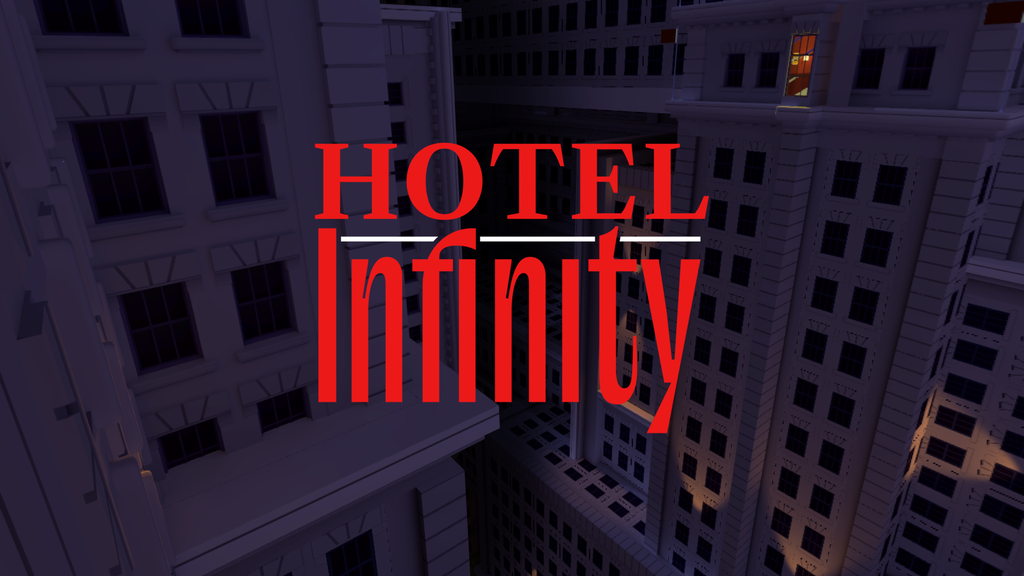
Hotel Infinity invites you to wander a surreal, Escher‑tinged hotel using nothing but your own two feet. Built as a roomscale‑first VR experience from the creator of Manifold Garden, it swaps controller locomotion for physical movement inside a compact 2 m × 2 m play area, letting clever portals, lifts, and folding corridors stitch tiny steps into vast, impossible architecture.
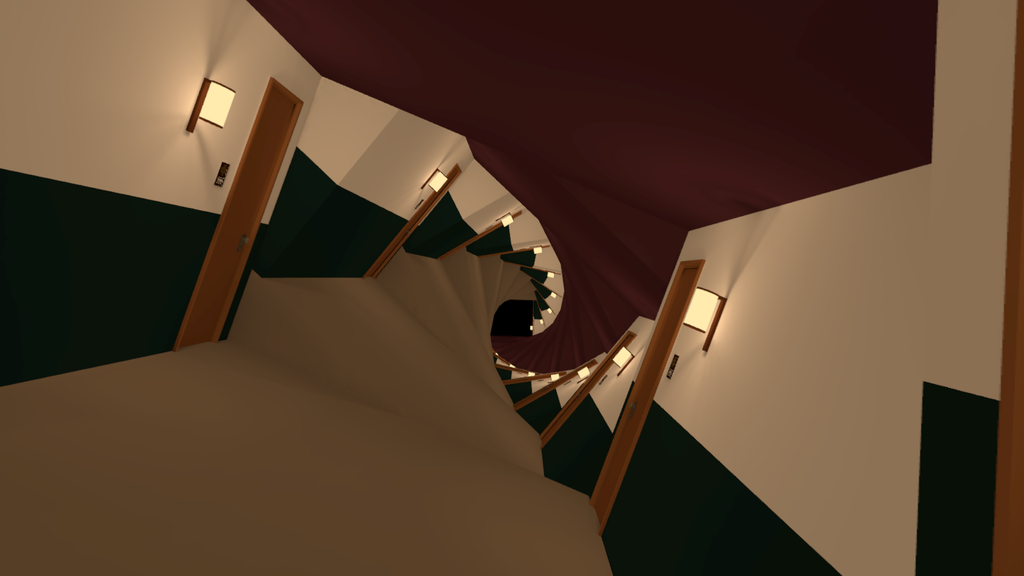
The effect is quietly uncanny: ordinary rooms become labyrinthine stages where perspective tricks and seamless transitions make the hotel feel far larger than your footprint, and every turn promises a new spatial surprise.
How it plays
The core idea is beautifully minimal: you physically walk your play area and the hotel’s architecture unfolds around you. Seamless portals, reconfiguring hallways, and cleverly timed lifts splice together impossible geometry so that a few deliberate steps unlock vast, non‑Euclidean environments.
Puzzles are embedded in the space itself; rotate a balcony to reveal a stair, line up sightlines to open a passage, or move an object to change how rooms connect, so solutions come from perception and movement rather than inventory juggling or clunky menus. The result is an intuitive, embodied exploration where discovery feels like a natural consequence of simply walking and looking.
Puzzles and atmosphere
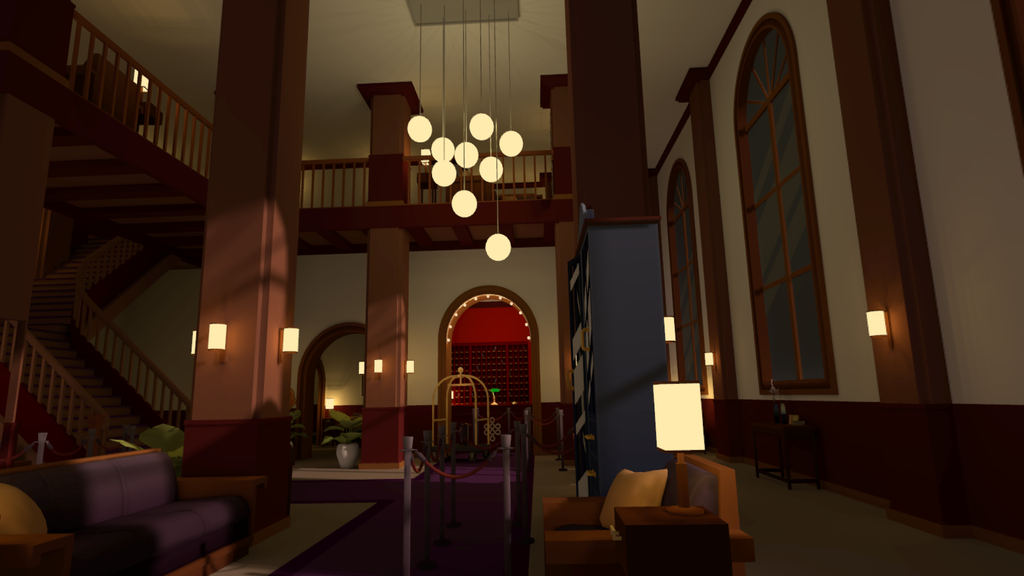
Puzzles lean heavily on spatial reasoning and perceptual surprise, turning every corridor into a lesson in how space can lie. Rooms conceal secrets that flout ordinary physics, and solutions often force you to reconceive how areas connect; a hallway that folds back into itself, a balcony that flips into a stair, or a lift that reorients the entire vista.
The design privileges clever insight over brute force; puzzles feel thoughtfully calibrated rather than punitive, so the reward is as much the sudden click of understanding as the solved objective. Subtle audio cues and tactile feedback guide your attention without spelling everything out, and Laryssa Okada’s restrained, haunting score; echoing her work on Manifold Garden, wraps the hotel’s mysteries in atmosphere rather than spectacle.
Presentation and feel
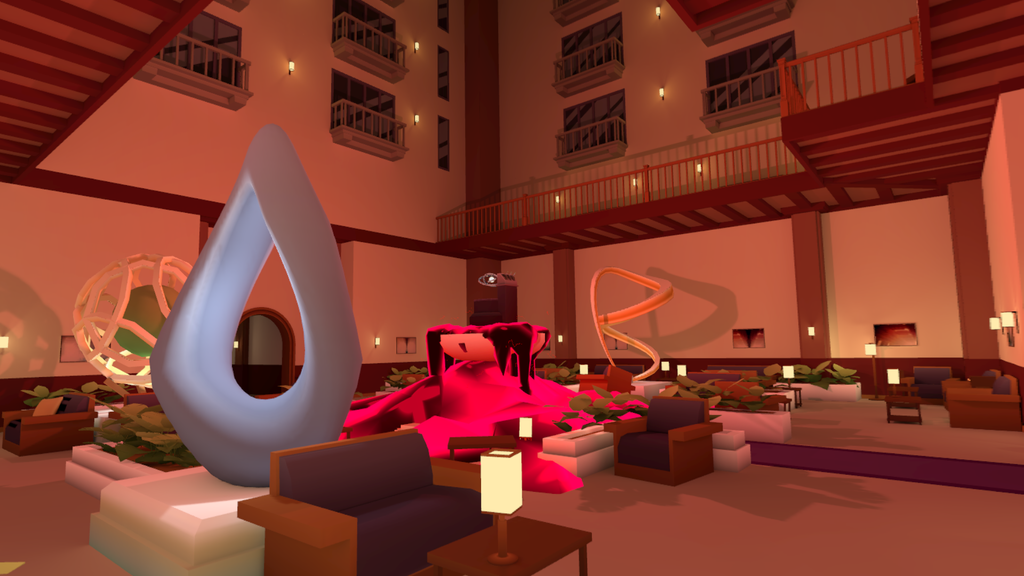
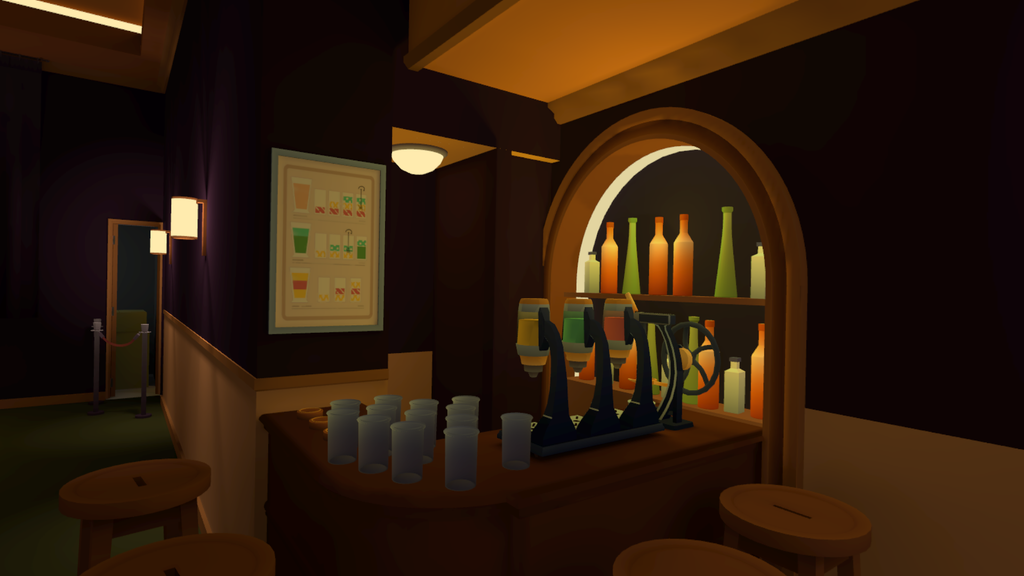
Visually, Hotel Infinity favors refined, architectural elegance over spectacle: rooms are composed with a sculptor’s eye; clean lines, thoughtful lighting, and striking perspectives that beg to be screenshotted.
Textures and material choices give each chamber a distinct character, while subtle motion and ambient layering in the sound design amplify both unease and wonder, turning quiet footsteps into meaningful cues.
Roomscale movement heightens presence in a way that’s almost disorienting, in the best sense, so that removing the headset can make the ordinary world feel oddly flattened, which is precisely the intended effect.
Alternative locomotion options are available for those who can’t clear a full play area, but the game’s spatial tricks and emotional impact are at their most powerful when you can physically walk, turn, and let the architecture reveal itself beneath your feet.
Strengths
• Roomscale‑first design: Transforms a compact 2 m × 2 m play area into sprawling, interconnected architecture using seamless portals and clever geometry, so small physical steps unlock genuinely vast exploration.
• Inventive puzzles: Spatially driven challenges that bend physics and perception; align sightlines, reconfigure walkways, and exploit architectural tricks; reward observation, insight, and lateral thinking.
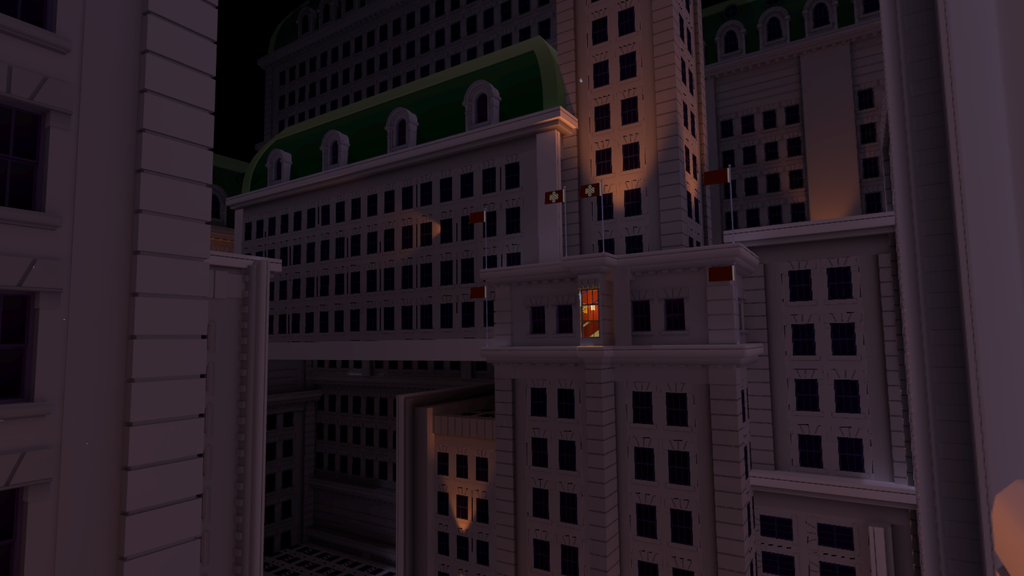
• Polished presentation: Refined art direction, disciplined lighting, and a haunting, minimalist score combine to create striking, photographable rooms and a sustained mood of uncanny wonder.
• Natural movement: Walking and turning are the primary inputs, producing a rare, embodied VR experience where presence, proprioception, and exploration replace menu navigation and artificial locomotion.
Caveats
• Length and value: Some players complete the experience quickly; if you prefer long campaigns or heavy replayability, the base run may feel brief. The game’s lasting appeal hinges on how much you enjoy slow, exploratory play and uncovering hidden details rather than grinding extended objectives. Expect a compact, high‑quality experience rather than a marathon adventure.
• Niche appeal: The roomscale‑first design is a standout for players who can clear the recommended 2 m × 2 m area, but that requirement limits the audience. Players without the space or who prefer seated/teleport locomotion may miss the core magic, even though alternative movement options exist. This makes the title a brilliant fit for a specific subset of VR users rather than a universal crowd‑pleaser.
• Minor bugs and edge cases: A handful of players report rare glitches; hands clipping through geometry, odd collisions, or brief tracking hiccups, typically in unusual room layouts or during complex transitions. These issues aren’t widespread, but they can break immersion when they occur; routine updates and calibration workarounds usually resolve them.
Who it’s for
If you love environmental puzzles, architectural design, and VR that privileges presence over combat or spectacle, Hotel Infinity is a must‑try.
It’s especially rewarding for players with the recommended 2 m × 2 m play area who want a contemplative, mind‑bending walk through impossible spaces.
Casual players who prefer long campaigns or heavy action may find it brief, but anyone curious about what VR can uniquely offer should give it a stay.

Final Verdict
Hotel Infinity is a compact, exquisitely realized experiment in what VR becomes when it centers natural movement and architectural imagination.
It doesn’t overreach, its strengths are focused and deliberate: roomscale walking that feels intuitive, puzzles that rewire your sense of space, and a restrained audiovisual design that amplifies mystery rather than spectacle.
When the spatial tricks, sound cues, and puzzle logic click, the experience is quietly unforgettable; an intimate, uncanny journey that lingers after you take the headset off.
Watch and Wishlist
• Why wishlist: Be first to know about new levels, quality‑of‑life patches, and additional locomotion or accessibility options; plus updates from William Chyr and new soundtrack or puzzle packs from Laryssa Okada.
• Platforms to track: Meta Quest (Quest Store) and PC VR (SteamVR) listings; check both storefronts for platform‑specific builds and roomscale support.
• How to stay informed: Wishlist on each storefront, enable store notifications, follow the developer on Discord and X (Twitter), and watch official dev posts or Early Access roadmaps for patch notes and content drops.
• Price perspective: $19.99. A premium indie price for a polished, roomscale‑first VR experience; expect occasional sales and added value if post‑launch content arrives.
Key Takeaways
• Core experience: Hotel Infinity turns a compact 2 m × 2 m play area into a vast, non‑Euclidean hotel you explore by walking; an embodied, roomscale-first VR journey.
• Design strengths: Seamless portals, reconfiguring hallways, and architectural tricks create continuous spatial surprises that reward observation and movement.
• Puzzles: Spatially driven challenges emphasize perception and insight; align sightlines, reconfigure geometry, and exploit perspective rather than inventory or menu-based problem solving.
• Presentation: Refined architectural visuals, disciplined lighting, and a restrained, haunting soundtrack produce striking, photographable rooms and a sustained mood of uncanny wonder.
• Presence and movement: Natural walking and turning deliver a rare sense of physical presence in VR; the experience is most powerful when played in the recommended roomscale setup.
• Accessibility and options: Alternative locomotion modes are available for players without space, but they don’t fully replicate the visceral impact of physical movement.
• Limitations: The experience is compact, some players may finish quickly, and a small number of edge‑case glitches (tracking oddities, clipping) have been reported.
• Value proposition: A focused, high‑quality experiment in VR presence: ideal for players who value architectural exploration and perceptual puzzles over long, action‑heavy campaigns.
Game Information:
Developer & Publisher: Studio Chyr
Platforms: MetaQuest (reviewed)
Release Date: November 13, 2025
Score: 8.5 / 10
Hotel Infinity earns an 8.5 out of 10: a beautifully focused roomscale experiment that delivers rare, embodied presence and clever, perception‑bending puzzles. Its strengths; seamless portal work, refined architectural visuals, and a haunting soundtrack; create moments of genuine wonder, while natural walking as the primary input produces an unmatched sense of immersion.
The score reflects a few tradeoffs: a compact runtime, niche appeal for players without the recommended 2 m × 2 m play area, and occasional minor glitches that can interrupt flow. For players who value spatial design and experiential VR over long campaigns, it’s a high‑value, memorable stay.
“8.5 / 10 - A masterclass in roomscale design: intimate, strange, and endlessly curious; Hotel Infinity makes a small space feel boundless.”