Kingdom of Night: Bloodlines and Backstreets - Demon lairs, kidnapped neighbors, and a town that’s lost its light. (Game Review)
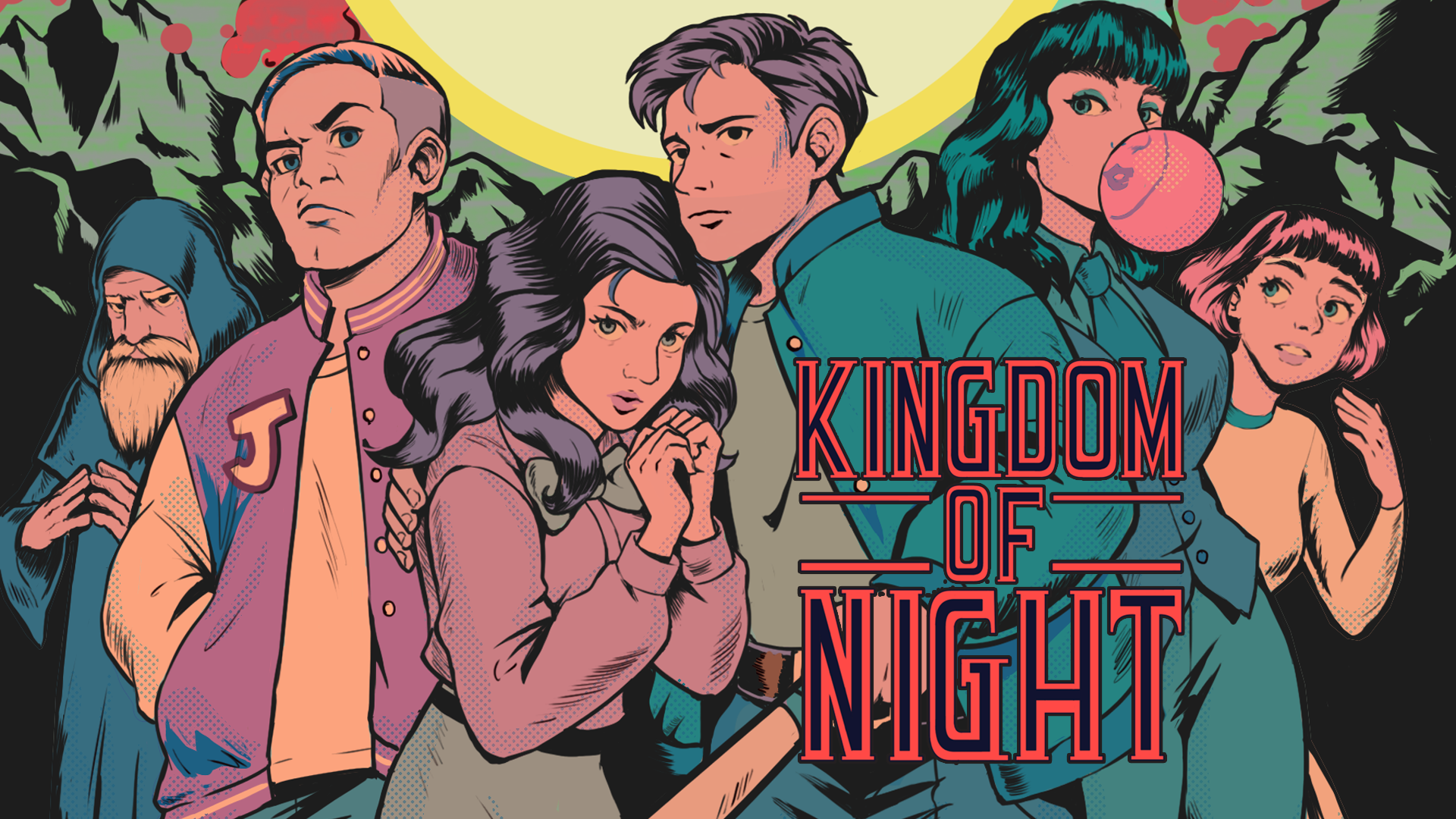
Kingdom of Night throws you into an alternate‑1987 Miami, Arizona, where a satanic cult’s ritual spirals out of control and the town is swallowed by demonic chaos. You play John, a teenager jolted awake by a neighbor’s abduction on the very night the world unravels, and the demo compresses that panic into a razor‑sharp, hour‑by‑hour thriller.
Neon‑lit streets, synth‑tinged menace, and suburban set pieces collide with brutal demon lairs, corrupted classmates, and a parade of serial‑style side stories that feel equal parts pulpy horror and coming‑of‑age drama; all of it paced to keep you moving, exploring, and constantly on edge.
Demo Experience
The Steam demo is a generous vertical slice, roughly 90 minutes for a typical run, and it wastes no time showing what the full game could be. It strikes a satisfying balance between scripted set pieces and freeform exploration: you can push straight toward the Demon Generals or peel off into neon alleys, basements, and suburban backyards to unearth side quests, gear, and unsettling lore.
Pacing is cinematic; adrenaline‑spiked combat and arena‑scale boss fights are counterpointed by quieter, character‑driven interludes that make the town’s collapse feel personal and lived‑in. Taken together, the demo lays out a clear, compelling promise: an isometric action‑RPG that fuses cosmic horror, teenage drama, and 1980s atmosphere into a single, pulse‑pounding night.
Combat and Classes
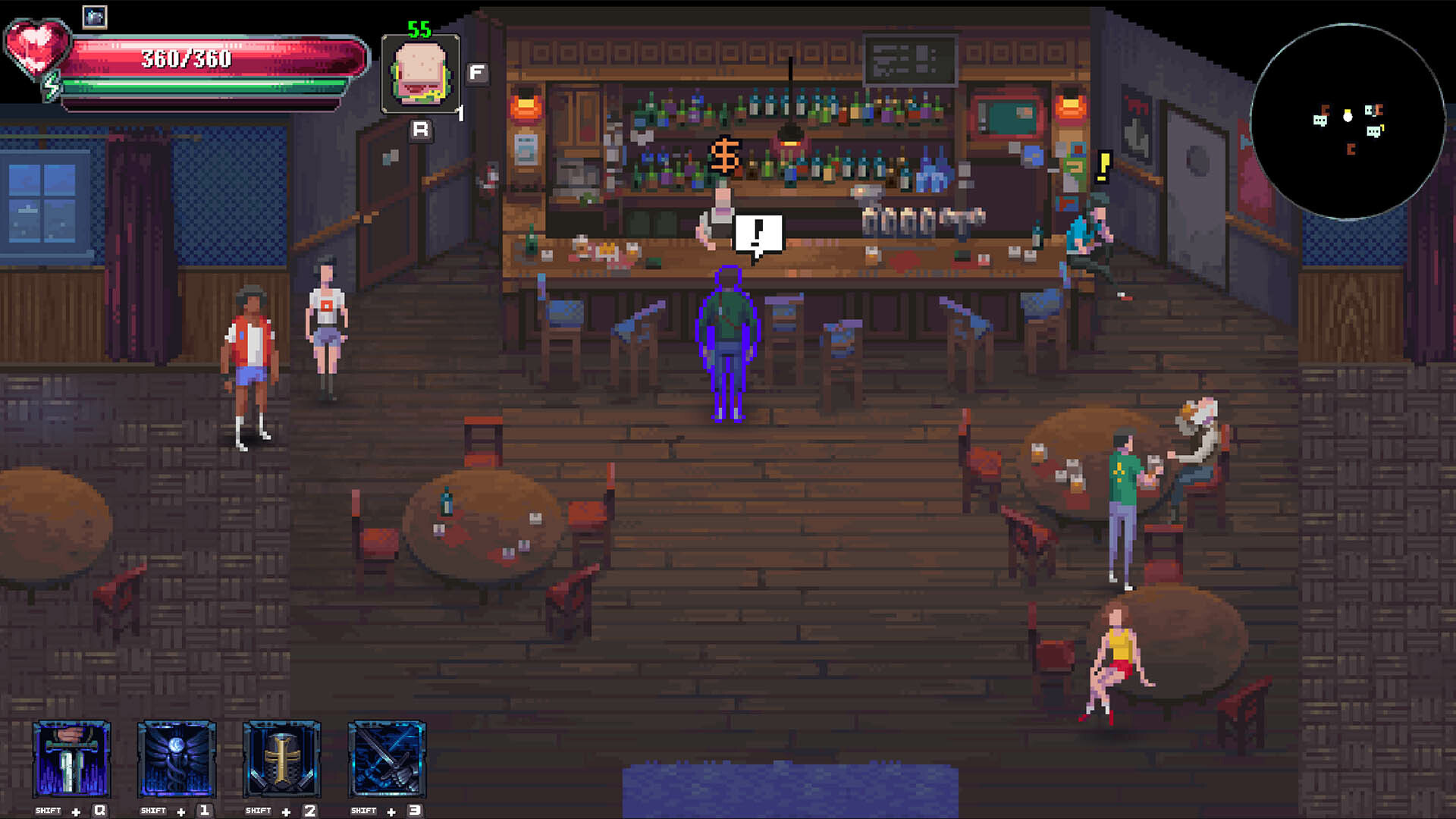
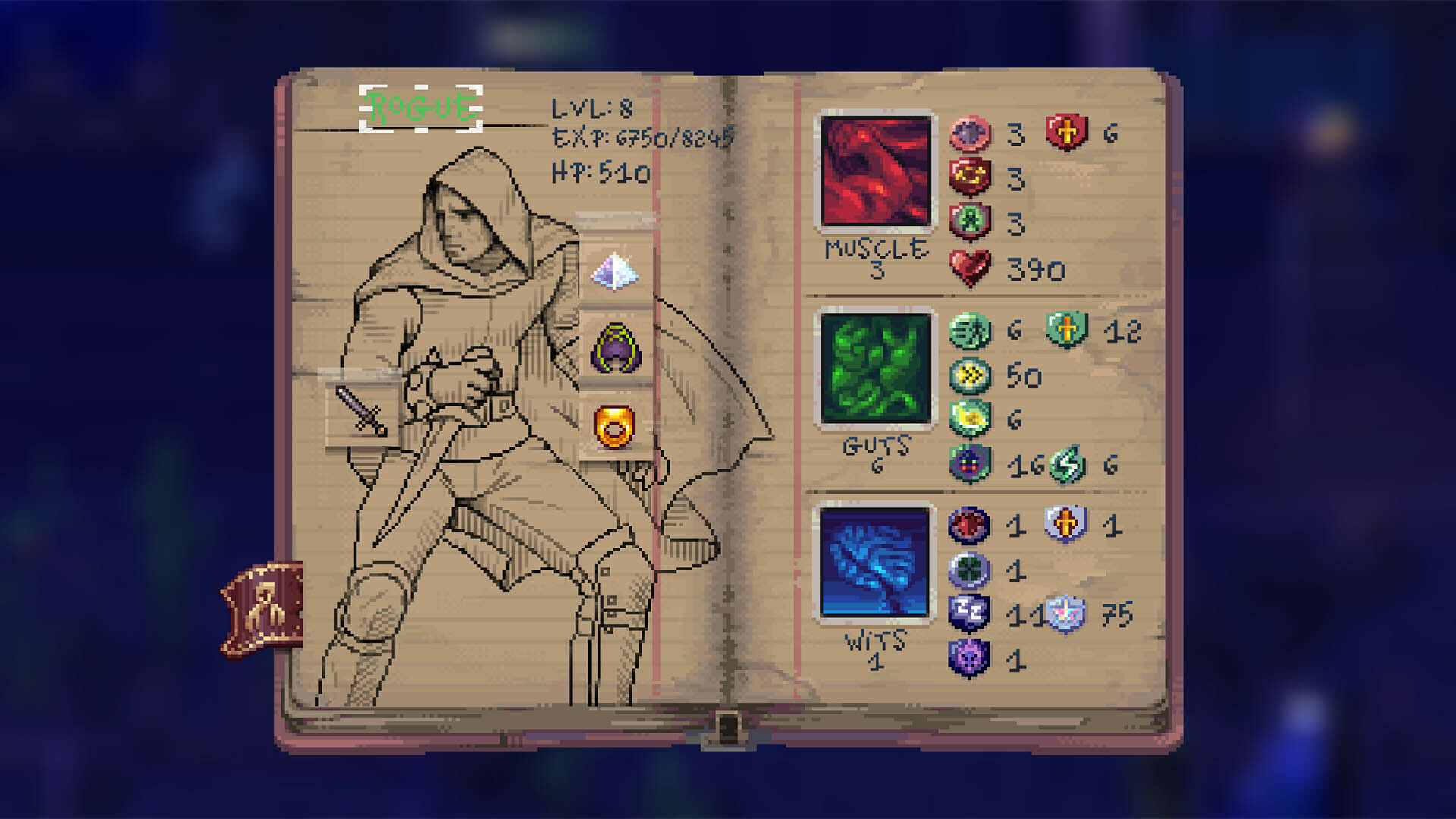
Combat is the demo’s core thrill, and it shows in every skirmish. You pick from five distinct classes; Barbarian, Knight, Rogue, Necromancer, and Sorcerer; each offering a clearly different baseline identity and a three‑branch skill tree that rewards both focused specialization and creative hybrid builds.
Early encounters emphasize positioning, timing, and reading enemy tells over frantic button‑mashing: the Barbarian’s raw, crowd‑clearing power feels weighty and deliberate, the Knight trades mobility for defensive control, the Rogue dances in and out with lethal precision, and the Sorcerer and Necromancer let you shape the battlefield from range with spells and summons.
Skill trees carry real heft in the demo; each branch contains ten meaningful talents, and the freedom to cross into another branch after reaching level 10 unlocks compelling synergies and build diversity. Loot isn’t just cosmetic filler: a multi‑tiered drop system, hidden quest rewards, and unique items can shift playstyles on the fly, introducing modifiers and effects that force you to rethink tactics. The result is combat that feels tactical, rewarding experimentation and adaptation as much as raw reflexes.
World Design and Exploration
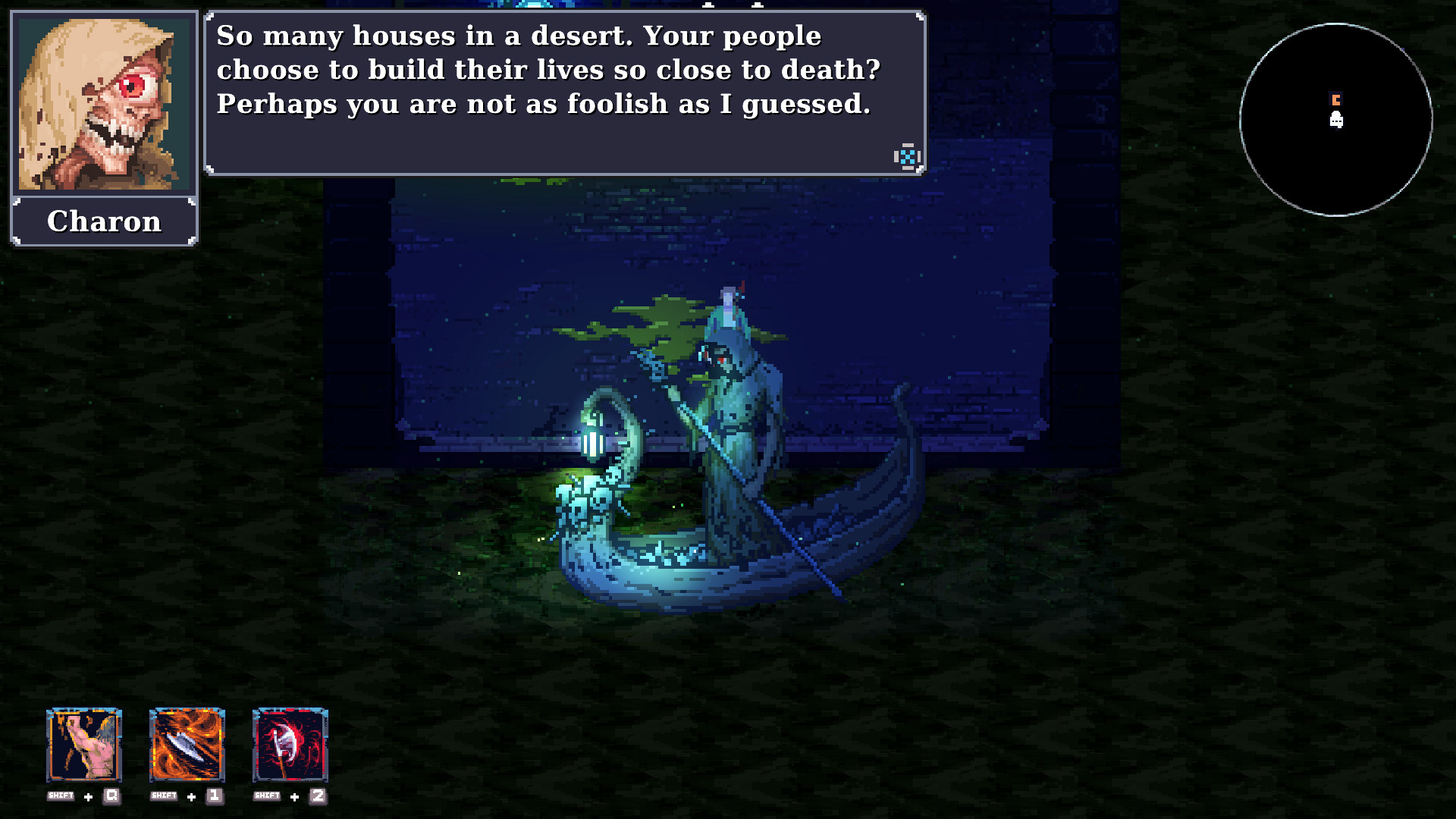
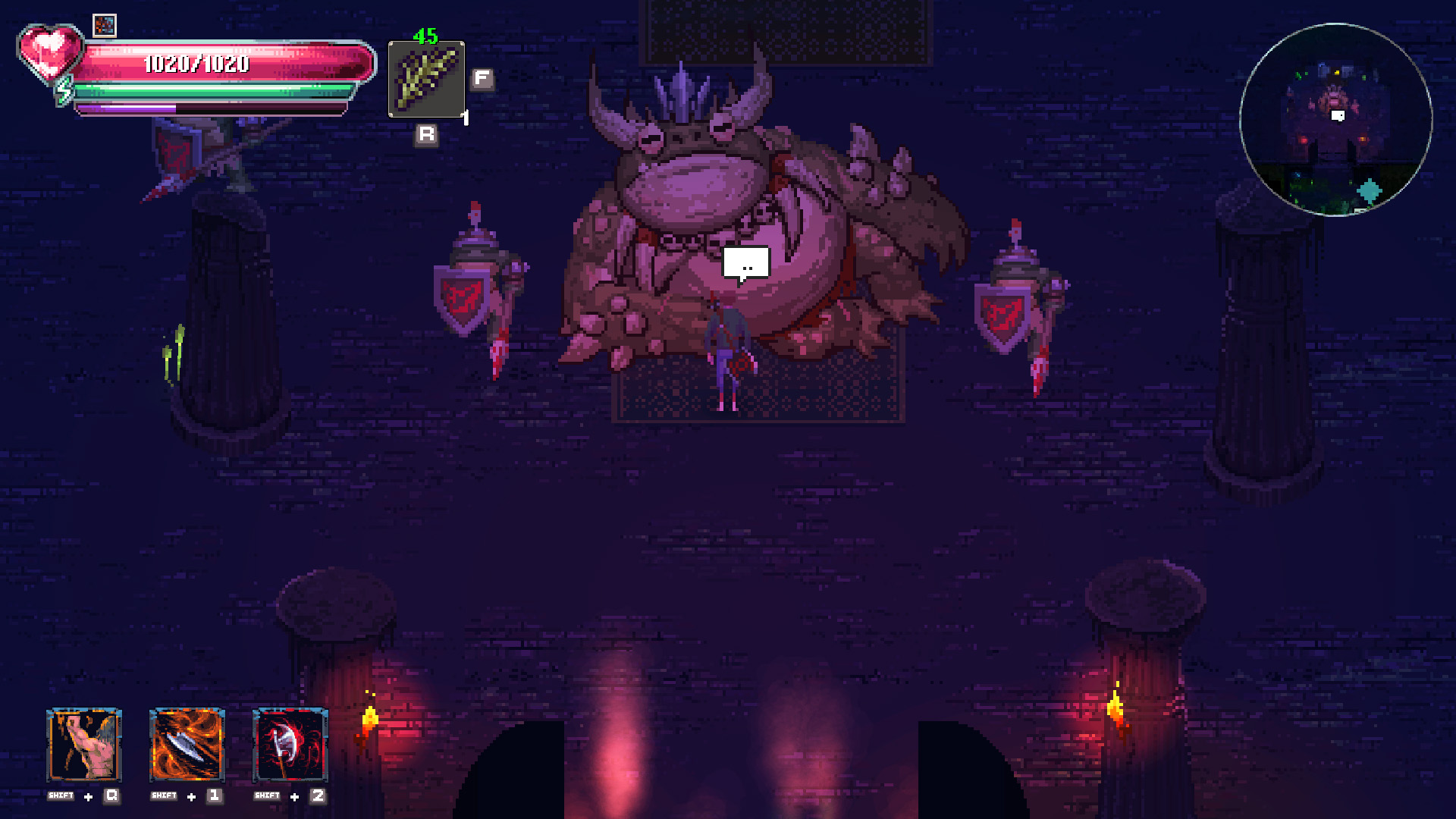
The town map unfolds like an interconnected playground of dread and discovery. Neon‑flicker streets, cracked schoolyards, greasy diners, and cookie‑cutter suburban homes conceal secrets and optional objectives at every turn; the demo rewards curiosity with environmental storytelling, tucked‑away loot, and compact side arcs that feel earned rather than filler. Demon lairs read as deliberate set pieces; larger, stranger zones that break the town’s rhythm and build toward memorable, arena‑scale boss fights; so exploration alternates between intimate scavenging and tense, cinematic encounters.
That open‑ended structure gives you real agency over the night: you can methodically clear easier lairs to stack gear and upgrades, or barrel into a harder stronghold for a risk‑reward rush. Traversal and map design support both approaches, with shortcuts, hidden entrances, and verticality that let you approach objectives creatively.
NPCs and side stories add texture and emotional weight. Afflicted townsfolk, high‑school bullies twisted into monsters, and a string of serial‑style vignettes make the town feel like it’s fraying in multiple directions; these smaller narratives don’t just pad the map, they raise the stakes of the main quest, turning each detour into a moment that can change how you see the night and the people you’re trying to save.
Presentation and Atmosphere
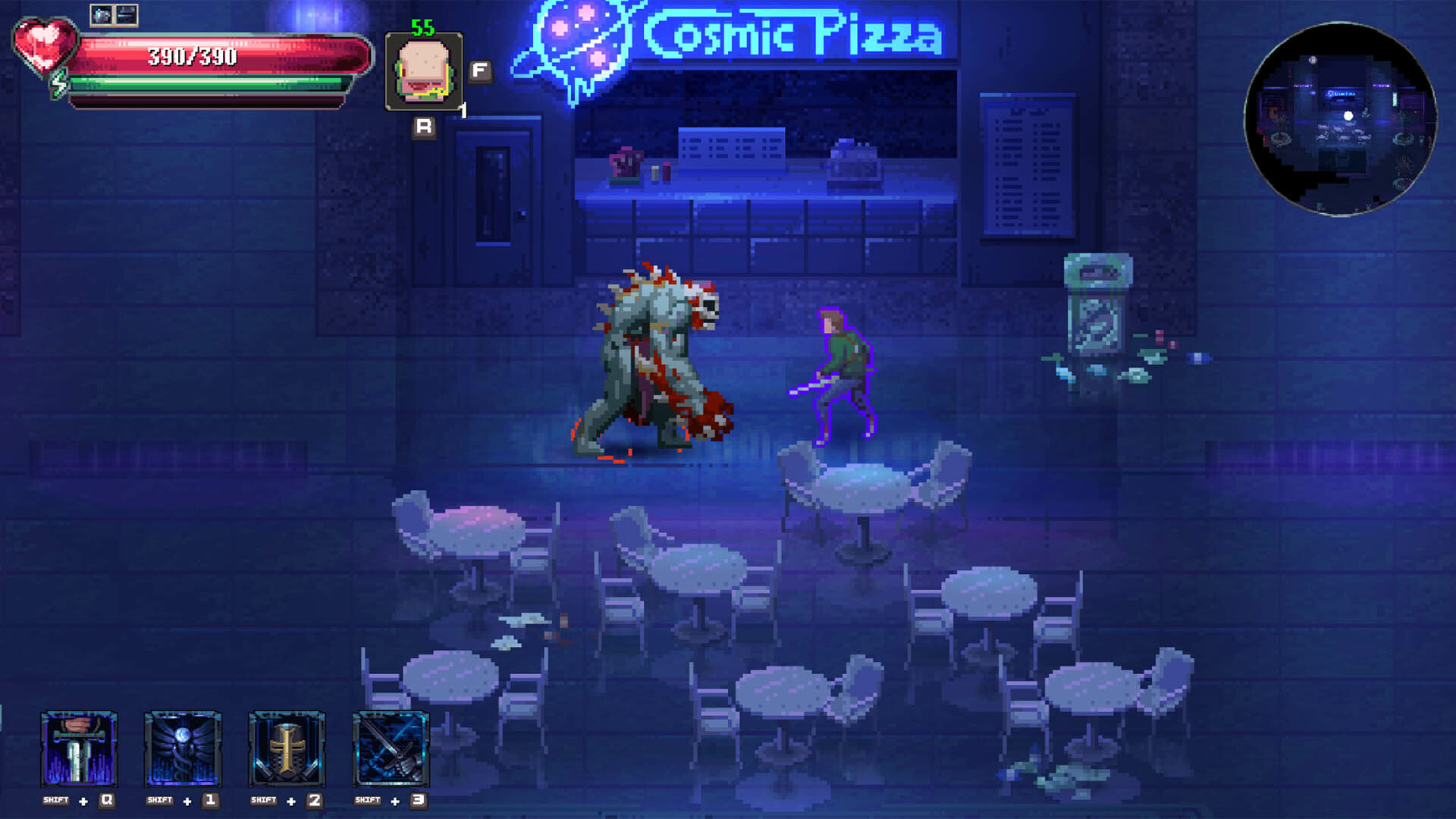
Kingdom of Night leans unapologetically into its 1980s identity: neon signage bleeds into rain‑slick streets, synth‑tinged motifs hum beneath a moody, cinematic color palette, and every frame feels composed like a retro horror postcard. The new trailer and Vince DiCola’s involvement amplify that tone, an evocative score and meticulous sound design turn empty boulevards into ominous stages and boss arenas into pulse‑pounding set pieces.
For an isometric title the visuals are impressively expressive: crisp character silhouettes, grotesque yet imaginative demon designs, and layered environmental props (diner booths, school lockers, backyard swing sets) sell the uncanny collision of suburban normalcy and eldritch menace, while lighting, particle work, and audio cues do much of the storytelling.
Co‑op and Replayability
Local co‑op is a welcome inclusion. Playing with a friend reshapes the game’s tempo; combat becomes a choreography of complementary roles, and exploration turns into a cooperative scavenger hunt. Class synergies feel genuinely impactful: a Rogue carving openings for a Sorcerer’s spells, or a Knight holding the line while a Necromancer swarms from behind, makes encounters more strategic and satisfying than solo play.
The demo also teases strong replay value. Class variety, three‑branch skill trees, and a multi‑tiered loot system encourage experimentation and build diversity, while the freedom to tackle Demon Generals in any order means each run can unfold differently. With plentiful side content and randomized drops, multiple playthroughs should surface new encounters, gear combos, and story beats; especially when you bring a partner along to try out wild, synergistic strategies.
Rough Edges and What to Watch
The demo is a convincing proof of concept, but it still needs targeted polish before launch. Enemy variety is generally strong, yet longer sessions expose repetition: many encounters reuse similar telegraphs and attack patterns, which dulls the tension over time. Introducing a few enemies with unpredictable movement, layered attack phases, or environmental interactions would break up the rhythm and keep combat feeling fresh.
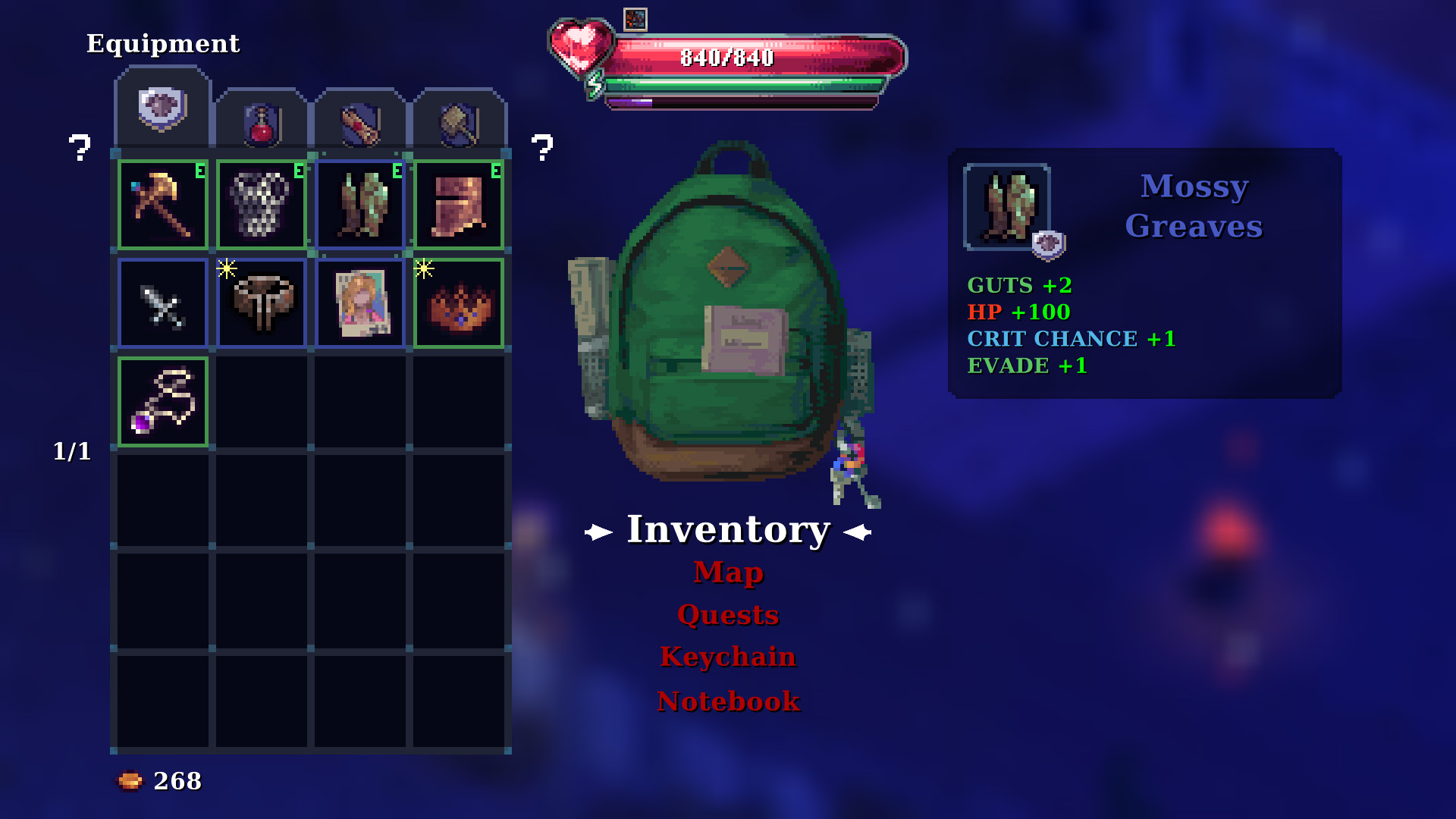
UI and clarity need tightening to speed player decisions. Skill progression would benefit from clearer visual cues; progress bars, concise tooltips that show exact numbers and synergies, and an at‑a‑glance indicator for branch prerequisites. Loot rarity and effects should be more immediately readable: consistent color coding, quick‑compare tooltips, and a simple filter or “best for current build” marker would cut down on menu time and let players experiment faster.
Performance and platform parity looked solid in my playthrough, but the full release should prioritize continued optimization; frame‑rate stability in crowded arenas, faster load times between lairs, and memory tuning for consoles. These are the kinds of fixes that preserve immersion during the game’s most intense moments.
Co‑op balance also deserves attention. Right now, encounters tuned for solo play can feel either trivialized or chaotic with a partner. Thoughtful scaling; enemy health and damage that adapt to party size, loot distribution that rewards cooperation without punishing solo players, and mechanics that encourage class synergy rather than simply stacking power; will ensure both solo and local co‑op feel equally satisfying.
With a few targeted improvements like these, the demo’s strong foundations could become a polished, replayable night of terror and nostalgia.
Final Verdict
Kingdom of Night is an audacious blend of coming‑of‑age drama, cosmic horror, and isometric action‑RPG design that sells its premise with confidence. The demo’s central conceit; a single, harrowing night that bends around your class choice, skill build, and curiosity; lands with cinematic momentum and emotional weight, turning each detour into a potential story beat.
Combat and loot systems promise meaningful customization, while the town’s neon‑tinged, synth‑soaked atmosphere gives every street and lair a memorable personality. It isn’t flawless; more enemy variety, UI clarity, and platform polish would sharpen the experience, but the core systems are compelling and the world is evocative.
If you favor atmospheric, story‑forward ARPGs with strong 1980s flavor and co‑op options, Kingdom of Night belongs on your wishlist; the demo leaves you eager to see how the full night expands and deepens.
Watch and Wishlist
• Why wishlist: Kingdom of Night’s demo is a substantial vertical slice that shows how future updates; new lairs, balance passes, and QoL fixes, will materially change the night‑to‑night experience; wishlisting ensures you’re notified about demos, patches, and sales on Steam.
• Who should watch: Fans of atmospheric ARPGs with strong 1980s flavor, players who like class‑driven builds and tactical combat, and streamers who enjoy cinematic boss fights and cooperative set‑pieces.
• What to expect from updates: Balance passes to tune Demon Generals and co‑op scaling, quality‑of‑life improvements (clearer skill UI, loot readability, quest markers), occasional content drops or seasonal events, and trailer/marketing pushes as the release window approaches.
• Best times to buy: Post‑patch windows and major sales when difficulty tuning and QoL fixes land; consider buying at launch (December 2, 2025) if you want to support the studio and experience the full soundtrack and launch content.
• Platforms to track: PC (Steam demo and full release) is the first stop; watch for console port announcements (PlayStation, Xbox, Switch) and storefront listings on GOG/Humble as the release approaches.
• How to stay informed: Wishlist on Steam, follow Friends of Safety and DANGEN Entertainment on social channels, join the game’s Discord for dev posts and playtest invites, and tune into devstreams and patch notes for timing and patch details.
• Quick verdict for wishlisters: Wishlist Kingdom of Night now to catch the demo and launch updates; if you prefer a smoother, more polished experience, plan to buy after the first major balancing and QoL patch.
Key Takeaways
• Premise: A single, harrowing night in alternate‑1987 Miami, Arizona; satanic cult ritual gone wrong, frames a coming‑of‑age story wrapped in cosmic horror.
• Demo scope: A generous vertical slice (~90 minutes) that captures the game’s pacing, tone, and core systems without overstaying its welcome.
• Core loop: Isometric action‑RPG combat, exploration, and loot drive progression; class choice and gear meaningfully shape how you approach fights and lairs.
• Classes and builds: Five distinct classes (Barbarian, Knight, Rogue, Necromancer, Sorcerer) with three‑branch skill trees encourage both focused specializations and hybrid synergies.
• Combat feel: Tactical and timing‑forward; positioning and ability use matter more than frantic button‑mashing; boss encounters provide cinematic peaks.
• World design: An interconnected town full of secrets; streets, diners, schoolyards, and demon lairs; rewards exploration with side stories, gear, and lore that deepen the main narrative.
• Atmosphere: Strong 1980s flavor; neon, synths, and Vince DiCola’s involvement; paired with detailed isometric visuals and sound design that sell suburban normalcy colliding with eldritch horror.
• Co‑op and replayability: Local co‑op reshapes combat dynamics and class synergies; randomized loot, branching skill trees, and flexible lair order encourage multiple runs.
• Polish notes: Solid foundation but needs more enemy variety, clearer UI for skills/loot, and careful co‑op/solo balancing; continued performance tuning across platforms will be important.
• Verdict: A promising, stylish mashup of teen drama and cosmic horror; worth wishlisting and trying the demo now, with the full release likely to reward players who enjoy atmospheric ARPGs and cooperative play.
Game Information:
Developer: Friends of Safety
Publisher: DANGEN Entertainment, Game Source Entertainment
Platforms: PC (reviewed)
Release Date: December 2, 2025
Score: 9.0 / 10
Kingdom of Night refines a bold premise into a near‑complete experience; an emotionally charged, neon‑soaked night that combines tactical ARPG combat with cinematic storytelling and memorable set pieces. The demo shows confident design across combat, class depth, worldbuilding, and audio‑visual identity, leaving only a few polish items between a great game and a near‑classic.
“9.0 / 10 - A neon‑soaked, emotionally charged ARPG that marries tactical combat and cinematic storytelling; near‑classic, with just a bit of polish left to reach perfection.”