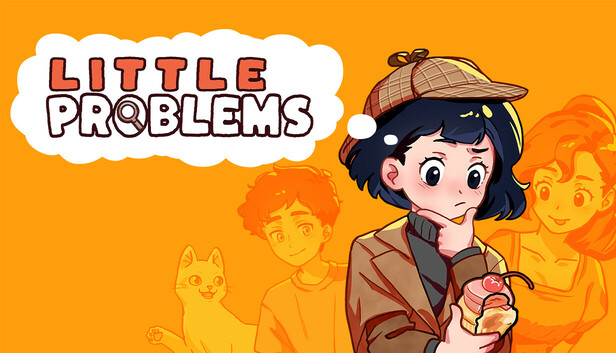
Little Problems reframes everyday slipups as cozy, satisfying mysteries. You play Mary, a student juggling missed lectures, forgotten meetups, and the small social snafus that make life feel cluttered; each case asks you to listen closely, piece together mundane clues, and gently untangle the mess.
Rather than dramatic conspiracies or forensic spectacle, the game rewards empathy, curiosity, and lateral thinking, solving a problem here feels like helping a friend, not cracking a cold case. The result is a warm, human‑scale detective experience where cleverness and kindness matter as much as deduction.
Gameplay and Puzzles
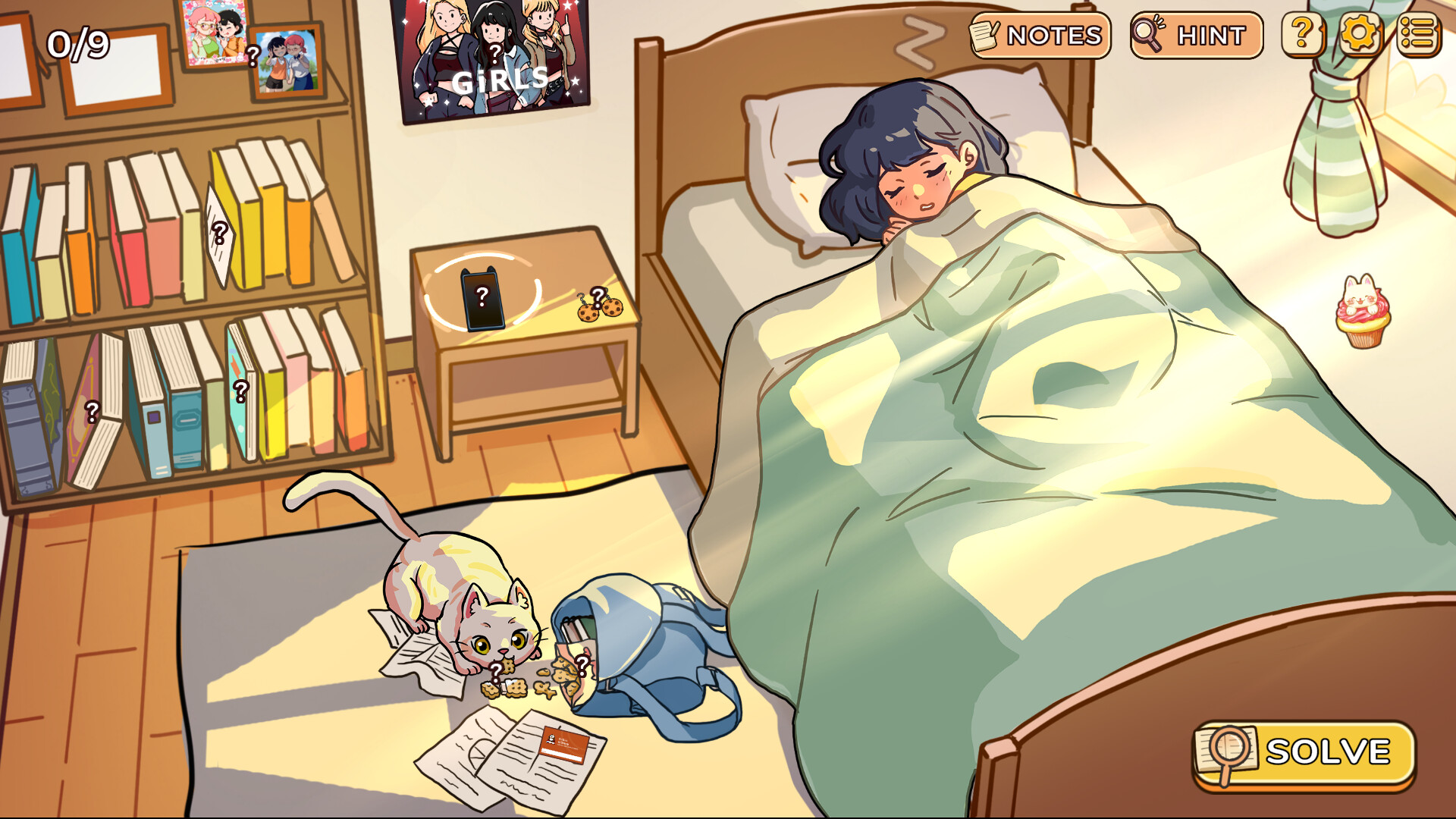
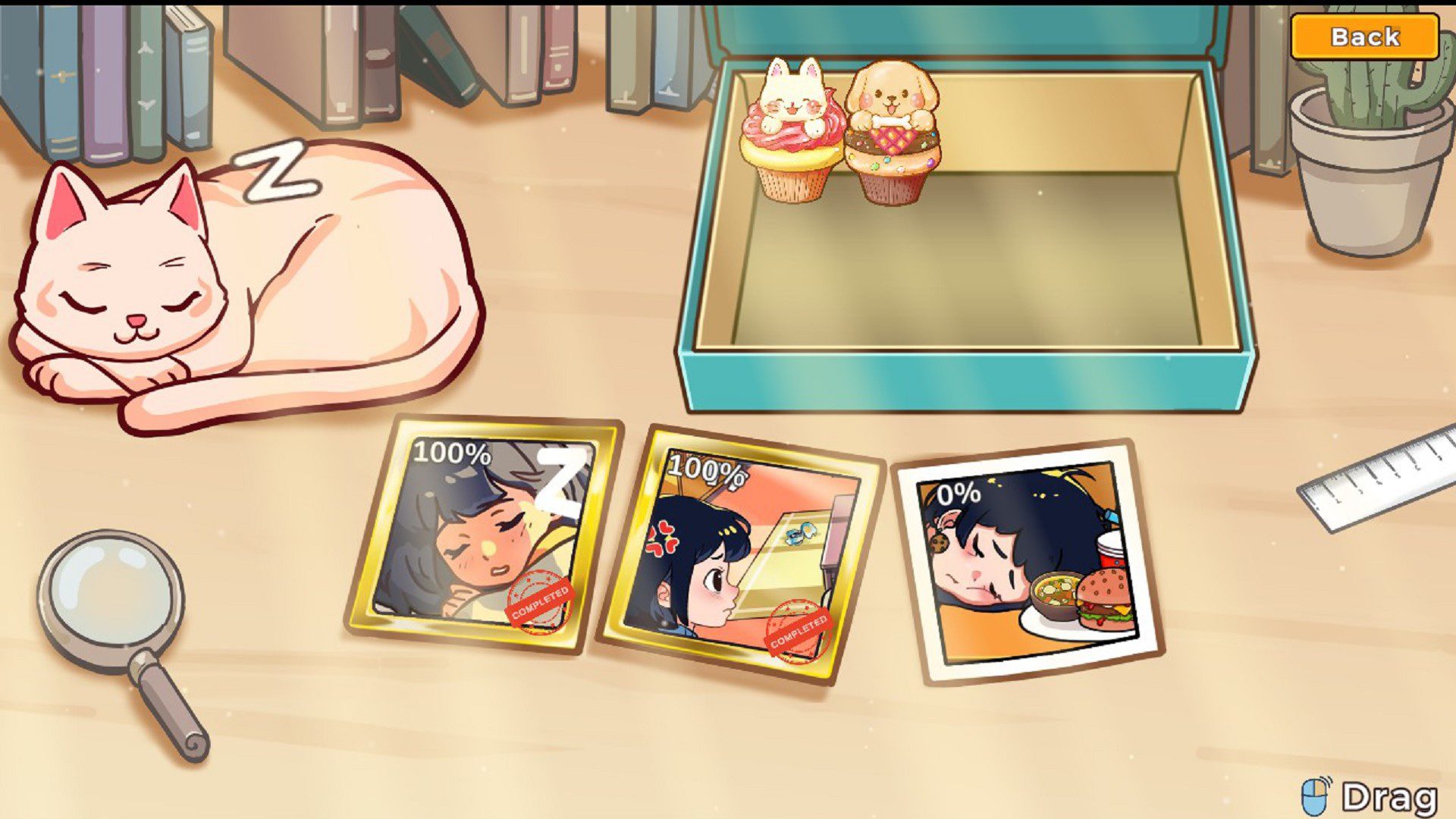
• Core loop: Investigate compact, self‑contained cases by collecting clues, interviewing characters, and annotating Mary’s notebook until the answer emerges. Each case is designed to resolve in a single session, so progress feels steady and every solved problem delivers a neat payoff.
• Handcrafted puzzles: Ten distinct vignettes offer bespoke logic and surprises; visual puzzles, timeline reconstruction, and conversational inference mix together so solutions reward both close observation and lateral thinking. Puzzles are approachable at first but layered with optional depth for players who enjoy squeezing out every detail.
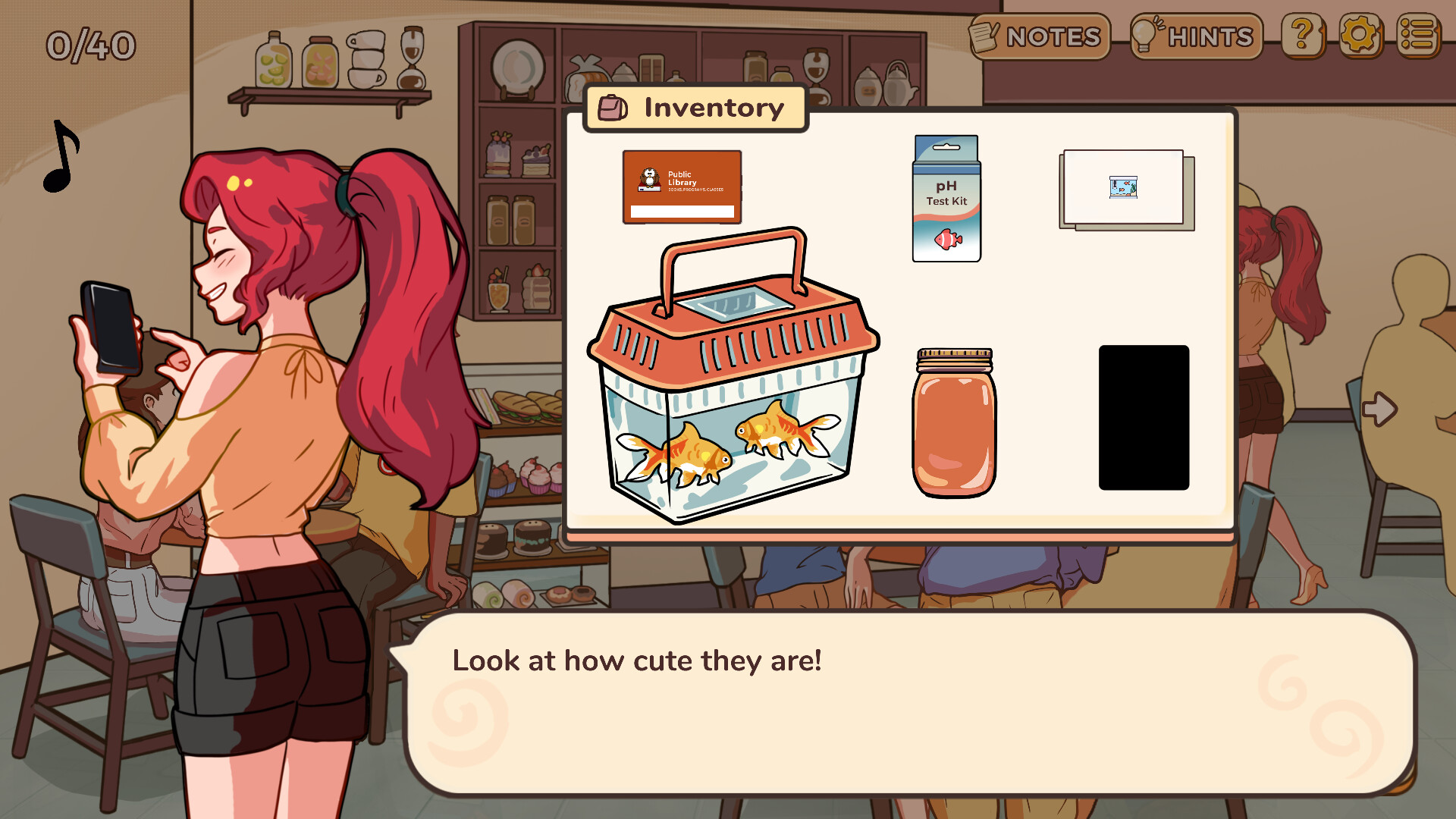
• Hint system: Contextual hints highlight where you went wrong and nudge you toward overlooked evidence, preserving momentum without handing answers outright. The system is forgiving by design: it keeps frustration low while still letting the satisfaction of discovery land when you piece things together yourself.
• Difficulty curve and tools: The game eases you in, then gradually asks for more synthesis, later cases encourage note‑taking, cross‑referencing clues, and building simple logical chains. For players who prefer a lighter experience, the hint system and in‑game notebook reduce tedium; for completionists, the layered clues invite deeper, methodical play.
Presentation and Tone
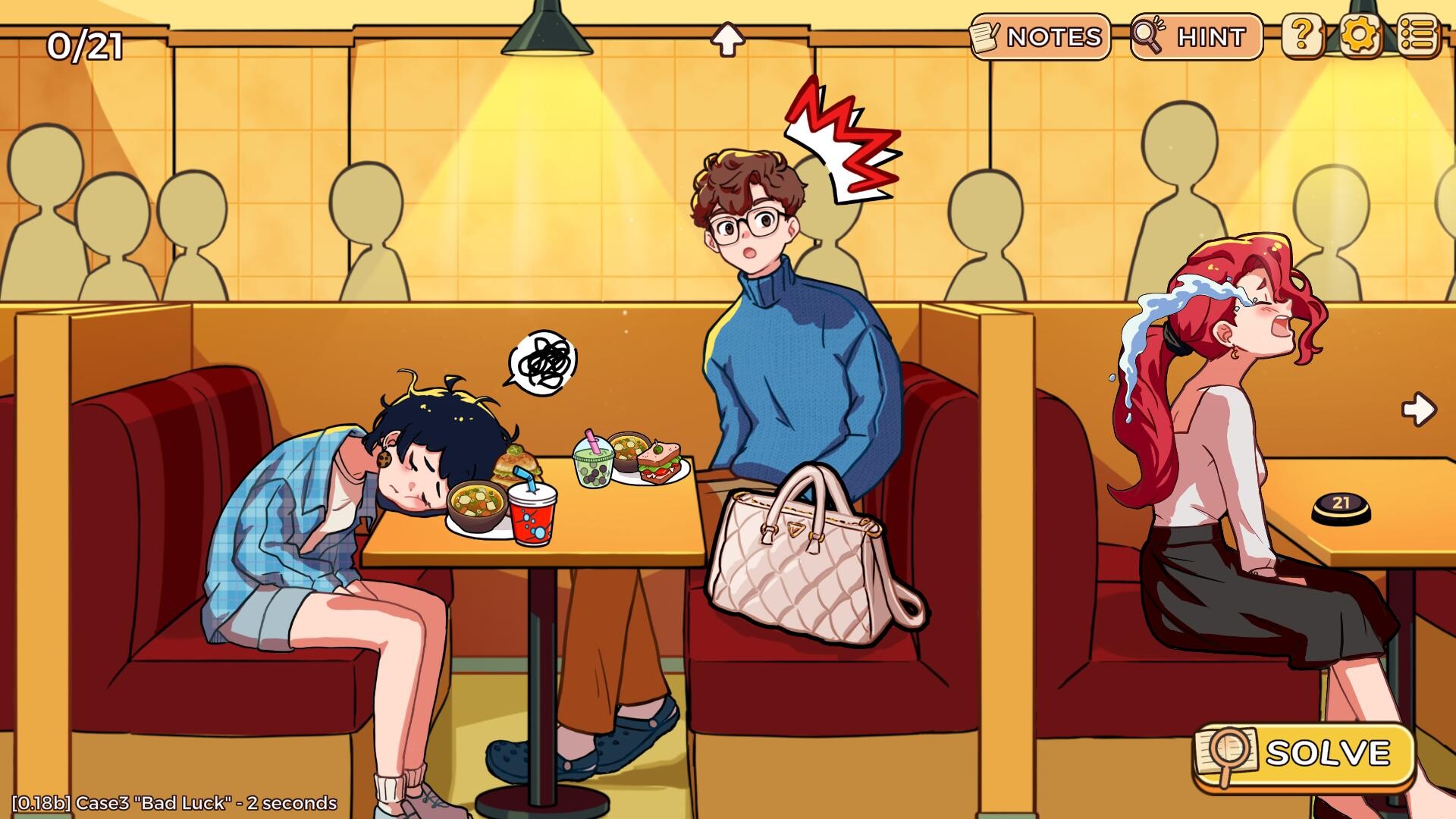
• Art and audio: Cute, hand‑drawn illustrations by Melinda give the game a warm, inviting look; soft palettes, expressive character poses, and small visual flourishes make each vignette feel handcrafted. Complementary sound design; gentle ambient loops, tactile UI clicks, and well‑timed stings, turns tiny discoveries into satisfying moments and makes every scene feel lived‑in.
• Narrative focus: The writing treats everyday problems with genuine warmth and light humor; detective work here is social, not forensic, and solutions come from listening, empathy, and clever inference. Character interactions are the engine of the story, so the game’s charm comes from human moments, quiet reveals, and the small kindnesses that follow a solved problem.
• Pacing and structure: Episodes are compact and self‑contained, perfect for short play sessions while still offering layered puzzles for longer sittings. A gentle throughline and recurring details reward players who follow every case, adding emotional payoff without forcing marathon play.
Strengths
• A fresh premise: Recasting deduction as an act of kindness and everyday problem‑solving flips the detective genre on its head, this isn’t about villains or violence but about listening, repairing relationships, and making small, meaningful improvements to people’s lives.
• Polished puzzle design: Puzzles are thoughtfully crafted and varied, delivering frequent “aha” moments through clever logic and tidy payoff; they challenge without punishing, striking a satisfying balance between intuition and rigor.
• Accessible systems: Intuitive mechanics, an in‑game notebook, and a forgiving hint system lower the barrier to entry while preserving depth, casual players can breeze through, and methodical solvers can still dig into layered clues and satisfying synthesis.
Weaknesses and Rough Edges
• Finale friction: The ending can feel uneven, some finale solutions lean on brute‑force guessing rather than clear deduction, which undercuts the game’s otherwise tidy logic. Tighten the finale by adding clearer intermediate clues, one extra verification step for complex answers, or a final hint tier that nudges players toward the intended reasoning without giving the solution away.
• Momentum dips: A few late episodes lose the “untangle a mess” energy that makes earlier cases so delightful, leaving the back half less memorable. Rebalance pacing by restoring the messy‑to‑resolved structure in later cases, vary puzzle types to recapture early momentum, and weave stronger recurring threads or character beats to sustain emotional investment.
• Length and replayability: With ten cases the game is compact, and players who want longer campaigns may finish sooner than expected. Add optional content to extend play: bonus cases, a New Game Plus with remixed clues, daily micro‑cases, or achievement‑driven side mysteries. Small post‑game epilogues or a sandbox “case creator” would also boost longevity without bloating the core experience.
Who Will Love This
• Recommended for: Puzzle fans who enjoy deduction without gore, players who like cozy, character‑driven stories, and anyone who appreciates handcrafted, bite‑sized game design.
• Less suited for: Gamers seeking epic narratives, high‑stakes thrills, or very long playtimes.

Final Verdict
Little Problems is a quietly brilliant little game: a cozy detective experience that finds real charm in the everyday. Melinda’s hand‑drawn art and the game’s warm soundscape give each vignette personality, while the puzzles; clever, varied, and often delightfully lateral, turn small social snafus into satisfying intellectual rewards.
The tone is humane and gentle; solving a case feels like helping a friend rather than unmasking a villain, and that intimacy is the game’s greatest strength. A few late‑game beats, especially the finale, could use tighter clueing to avoid moments of guesswork, but those blemishes don’t dim the overall pleasure: Little Problems is a thoughtful, uplifting reminder that meaningful stories and smart puzzles can live in the smallest moments.
Watch and Wishlist
• Why wishlist: Get notified of updates, bonus cases, and sale windows; be first to grab any post‑launch content or quality‑of‑life patches.
• Platforms to track: Steam (PC); Nintendo Switch eShop; App Store (iOS) and Google Play (Android) for potential mobile ports.
• How to stay informed: Follow Posh Cat Studios and Amplified Games on Twitter/X, join the official Discord or mailing list, and hit “Follow/Wishlist” on storefront pages for patch and release alerts.
• Price perspective: $9.99, modest premium for handcrafted puzzles and charming presentation; expect occasional discounts during seasonal sales.
Key Takeaways
• Core concept: A cozy detective game that turns everyday slipups into satisfying mysteries, solve small social snafus rather than grand crimes.
• Gameplay loop: Investigate compact, self‑contained cases by collecting clues, interviewing characters, and annotating Mary’s notebook until the solution clicks.
• Puzzle design: Ten handcrafted cases with layered, approachable puzzles; early levels teach mechanics while later episodes reward note‑taking and synthesis.
• Presentation: Charming hand‑drawn art by Melinda and a warm soundscape create a lived‑in, affectionate atmosphere that complements the game’s humane tone.
• Accessibility: Built‑in hints and a forgiving answer‑checking system keep frustration low while preserving the joy of discovery.
• Weaknesses: The finale can rely on guesswork, a few late episodes lose momentum, and the overall length is compact, players seeking longer campaigns may want more content.
• Who it’s for: Puzzle lovers who prefer gentle, character‑driven mysteries and anyone looking for a relaxing, thoughtful game that rewards curiosity.
• Value proposition: A polished, bite‑sized experience that delivers charm and clever puzzles; ideal for short sessions and repeat playthroughs.
Game Information:
Developer: Posh Cat Studios
Publisher: Amplified Games
Platforms: PC (reviewed)
Release Date: September 9, 2025
Score: 9.5 / 10
Little Problems is a near‑perfect cozy detective: warm, clever, and deeply satisfying. Melinda’s hand‑drawn art and the game’s gentle soundscape make every vignette feel lovingly crafted, while the handcrafted puzzles reward curiosity and careful thinking.
The hint system keeps frustration low without diluting the joy of discovery, and the game’s humane tone turns deduction into an act of kindness. A few late‑game beats and the finale could use tighter clueing, but those are small blemishes on an otherwise delightful, memorable experience.
“9.5 / 10 - A warm, clever little detective game, perfect for players who want to think, smile, and fix the small things that matter.”