Plagun - The Plague Goes On: Fast, filthy, and ferocious roguelike shooting at its most grotesque. (Game Review)
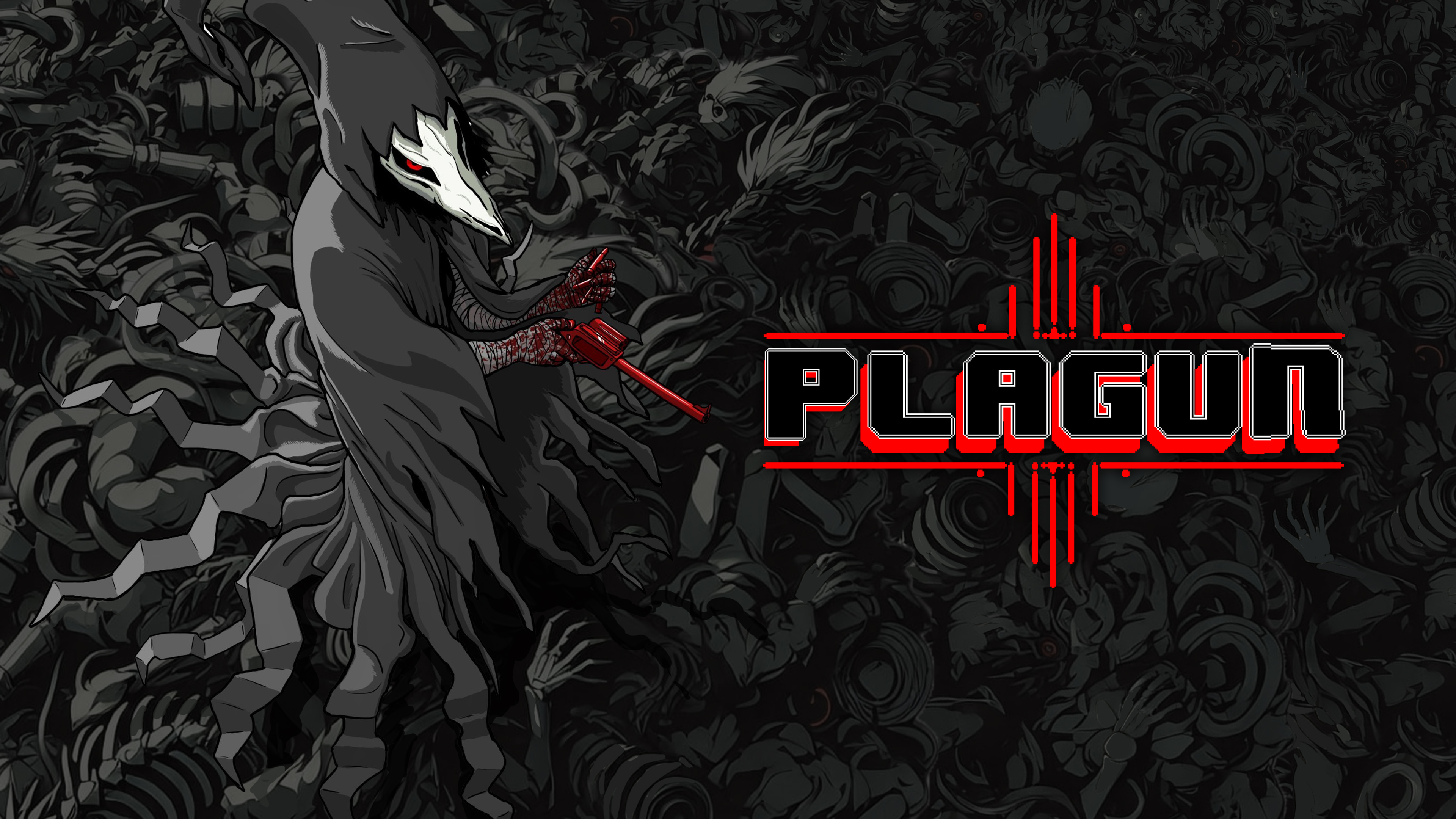
Plagun - The Plague Goes On is a grotesque, pulse‑pounding roguelike shooter that turns a failed cure for death into a living nightmare. You’re a masked survivor; once a doctor, now a plague‑mutated monstrosity, wielding biomechanical “plaguns” and cursed skull masks to carve a path through endless, regenerating horrors.
Runs are short and brutal but endlessly mutable: harvest corpses to power permanent and run‑specific upgrades, swap masks to radically reshape your stats and playstyle, and adapt on the fly to unpredictable perks and enemy mutations. The result is a vicious loop of frantic, bullet‑hell combat and darkly inventive buildcraft, wrapped in a rotten, atmospheric kingdom that slowly reveals its tragic, infectious secrets.
Combat and core systems
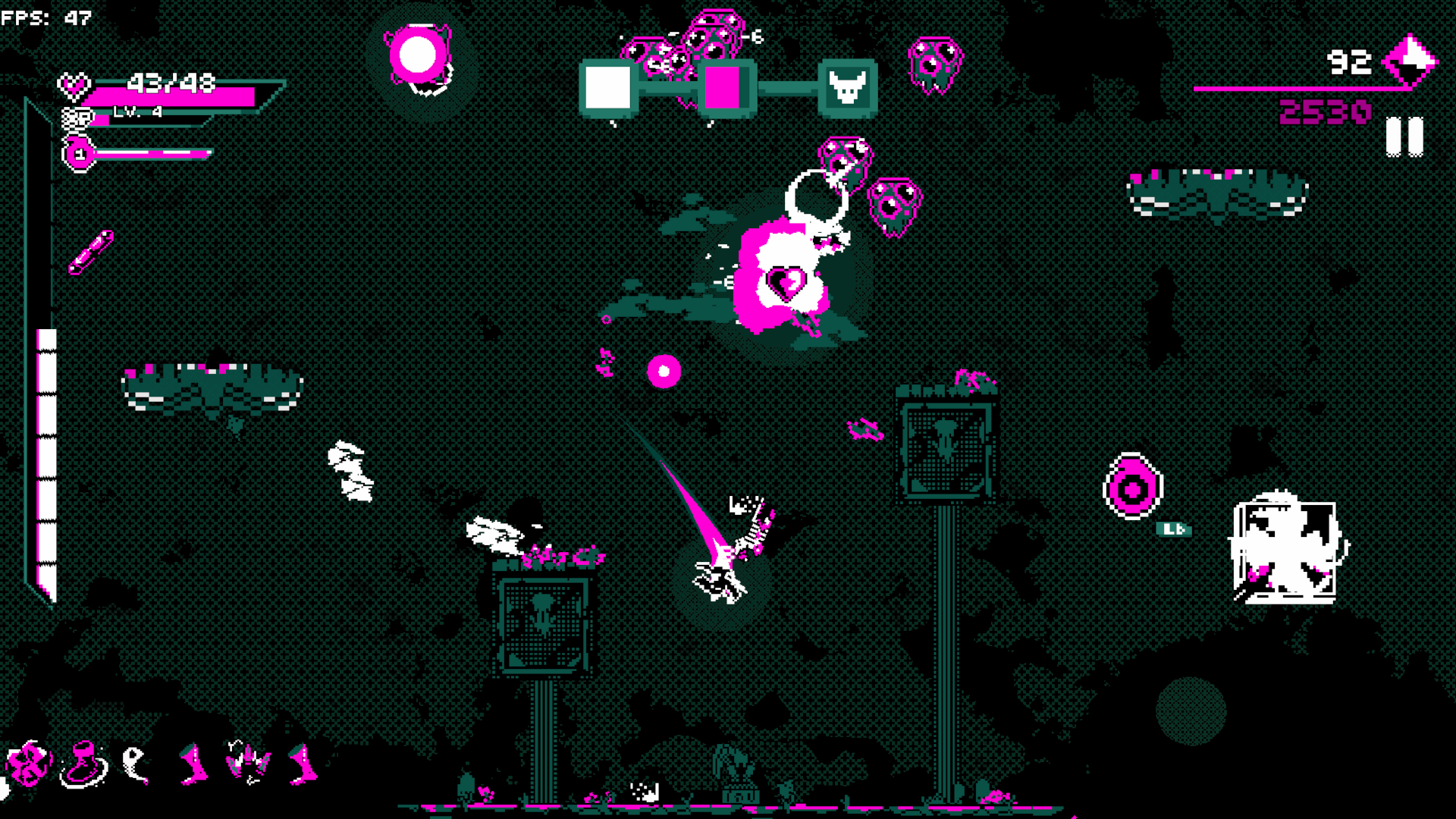
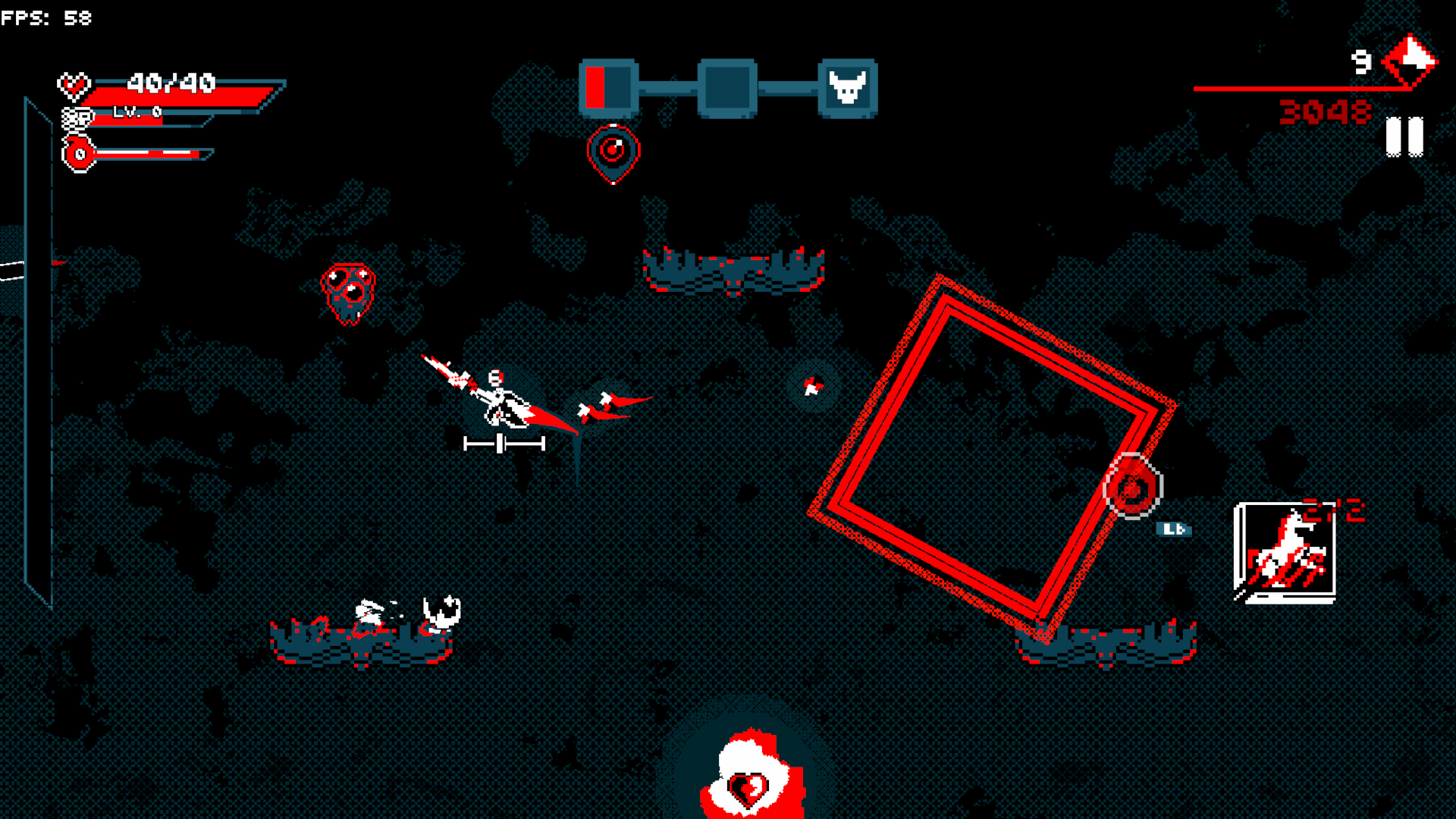
• Bullet‑hell platforming: Auto‑fire keeps the screen saturated with projectiles while tight platforming and wave design force constant motion and precise positioning. Encounters reward split‑second decisions and pattern mastery; dodge, weave, and reposition to survive swarms rather than relying on slow, defensive play.
• Skull mask builds: Masks are transformative loadouts, not cosmetics; each unlockable skull rewires your stats and grants unique passive effects, from contagion bursts to regenerative curses. Choosing a mask shapes your role in a run, encourages synergies with weapons and perks, and turns every playthrough into a new build puzzle.
• Plaguns and mutation: Weapons are grotesque, biomechanical tools; revolvers, melee hybrids, and experimental contraptions that infect, mutate, or manipulate enemies. Corpses are currency: harvesting them fuels both permanent meta upgrades and volatile, run‑specific mutations, reinforcing a loop where riskier play yields stronger, stranger arsenals.
Progression and replayability
• Short, intense runs: Sessions average 15–20 minutes, making Plagun - The Plague Goes On perfect for quick bursts between tasks or late‑night grind sessions. The pick‑up‑and‑die rhythm is deliberately brisk, each run feels like a compact, high‑stakes puzzle that rewards learning through repetition and encourages you to chase one more tweak to your build.
• Randomized power‑ups: Unpredictable upgrades and mutating perks force constant adaptation; no two runs hand you the same toolkit. This on‑the‑fly variability rewards flexible thinking and creative synergies between masks, Plaguns, and corpse‑driven mutations, turning lucky drops into signature playstyles or desperate clutch moments.
• Meaningful meta progression: Corpses and other currencies persist between runs to unlock new masks, weapons, and meta‑abilities, so even failed attempts feel productive. Seasonal challenges, daily modifiers, and unlock milestones give clear short‑ and long‑term goals, expand your arsenal, experiment with new builds, and return stronger to tackle deeper
Visuals, atmosphere, and storytelling
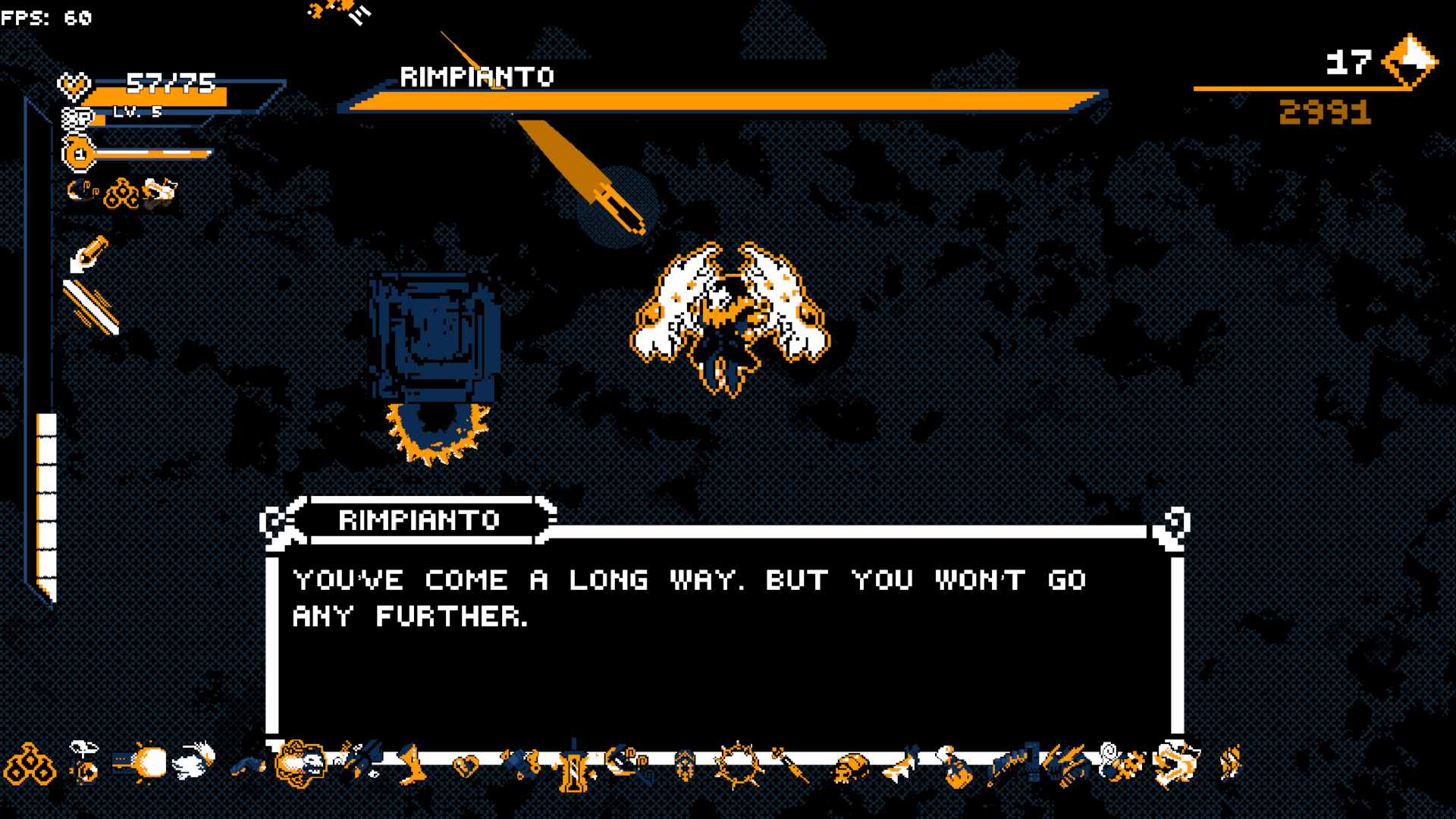
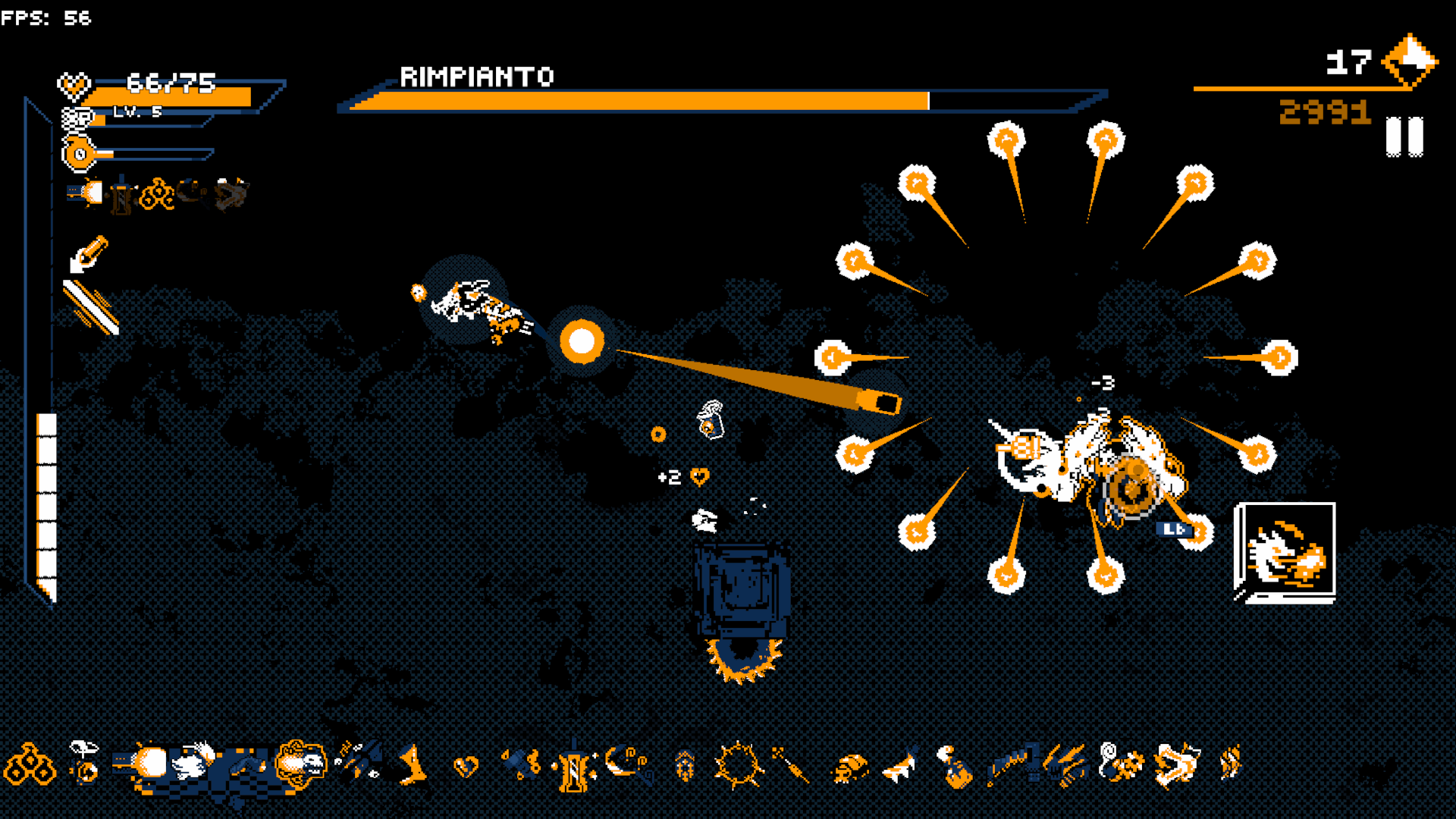
• Gritty pixel art: The pixel aesthetic is raw, tactile, and full of personality; gruesome sprites, jagged animation, and filthy palettes give every enemy and ruin a distinct, unsettling character. During peak encounters the screen can become visually dense, but that sensory overload amplifies the chaos: flashes of gore, ragged particle effects, and frantic motion all sell the game’s breakneck, desperate energy.
• Dark lore and environmental storytelling: The kingdom’s tragedy is told through ruined set pieces, cryptic logs, and incidental details; blood‑stained medical notes, broken sanctuaries, and propaganda posters that hint at the failed cure. Exploration rewards patience: small visual beats and audio cues layer together to reveal motives, experiments, and moral rot, making the world feel lived‑in, cursed, and coherently rotten in ways that haunt runs long after you die.
Technical notes and UX
• Controller polish: Several players report controller quirks; dialogue skipping, input focus flipping between keyboard and controller during boss encounters, and occasional dead zones or mapping inconsistencies. These issues break flow and undermine the game’s pick‑up‑and‑play promise; prioritizing a unified input layer, configurable bindings, and a clear controller fallback will dramatically improve accessibility and comfort.
• Bugs and post‑launch support: Early patches have already fixed many demo‑era problems, and most remaining bugs appear isolated and solvable. Continued, transparent post‑launch support, regular hotfixes for critical issues, a public changelog, and a fast‑response bug reporting channel, will be key to maintaining player trust and smoothing the experience as the player base grows.
• Content length and pacing: A frequent critique is the game’s brevity; players want more levels, longer or branching runs, and deeper opportunities to experiment with mask and weapon synergies. Expanding biome variety, adding mid‑run objectives or optional mini‑zones, and introducing longer “endurance” runs or roguelike chapters would give builds room to breathe and increase long‑term retention.
Final Verdict
Plagun - The Plague Goes On is a compact, vicious roguelike that delivers concentrated bursts of bullet‑hell mayhem wrapped in a grim, unforgettable aesthetic. Fast, twitchy encounters reward split‑second decisions and creative buildcraft: cursed skull masks radically reshape your role, biomechanical “plaguns” twist combat into infectious chaos, and corpse‑driven upgrades turn risky play into meaningful progression.
Runs are short but dense, each 15–20 minute session feels like a complete, brutal experiment in synergy and survival, while randomized perks and mutating enemies keep every attempt feeling fresh. With tighter controller polish, expanded biomes and run variety, and clearer visual readouts during hectic fights, Plagun - The Plague Goes On could easily rise from a strong indie curiosity to a must‑play for fans of punishing, stylish roguelikes.
Watch and Wishlist
• Why wishlist: Get notified of discounts, DLC drops, and seasonal events; secure demo or playtest invites and be first to see new masks, weapons, and balance patches. Wishlisting also puts you on the radar for key giveaways and community events.
• Platforms to track: Steam (primary storefront and leaderboards); itch.io (developer demos and experimental builds); PC storefronts for patches and bundles. Console releases are possible but not confirmed, track storefront pages for platform announcements.
• How to stay informed: Follow the developer on Steam and itch.io, join the official Discord for playtest invites and hotfix notes, and subscribe to the studio’s YouTube/Twitter/X for trailers and patch previews. Enable notifications on Steam and Discord to catch limited-time events and key drops.
• Price perspective: $4.99, affordable indie price point; expect occasional launch or seasonal discounts for wishlisters and early supporters.
Key Takeaways
• Core concept: Plagun - The Plague Goes On is a grotesque, fast‑paced roguelike shooter where a plague‑mutated doctor uses cursed masks and biomechanical weapons to survive wave‑based, bullet‑hell encounters.
• Play loop: Short, intense runs (about 15–20 minutes) encourage repeated attempts, harvest corpses to power meta progression, experiment with masks and Plaguns, and chase incremental unlocks.
• Combat feel: Auto‑shooting combined with tight platforming creates relentless, twitchy encounters that reward positioning, pattern recognition, and split‑second decisions.
• Build variety: Skull masks fundamentally change stats and passives, turning loadout choices into meaningful, replay‑shaping decisions rather than mere cosmetics.
• Weapon design: Plaguns are biomechanical and inventive; revolvers, melee hybrids, and experimental tools that spread infection, manipulate enemies, and enable unusual synergies.
• Randomized mutation: Unpredictable power‑ups and run‑specific mutations force adaptation and make each run feel distinct, rewarding creative combinations and on‑the‑fly thinking.
• Progression and retention: Persistent currencies (corpses, unlocks) provide steady advancement between runs, so even failed attempts contribute toward new gear and abilities.
• Atmosphere and storytelling: Gritty pixel art, environmental details, and cryptic logs build a dark, cohesive world that slowly reveals the tragic consequences of a failed cure.
• Polish notes: Controller input quirks and occasional visual clutter during hectic fights are the main technical pain points; ongoing patches have fixed many demo issues but more polish would improve flow.
• Room to grow: The core systems are compelling; expanding content length, adding more biomes and run variety, and refining input/clarity would elevate Plagun - The Plague Goes On from a strong indie roguelike to a standout in the genre.
Game Information:
Developer: Talkinguns
Publisher: indie.io
Platforms: PC (reviewed)
Release Date: November 5, 2025
Score: 8.0 / 10
Plagun - The Plague Goes On is a tightly tuned, stylish roguelike that delivers brutal, bite‑sized runs packed with inventive weaponry and mask‑driven buildcraft. Its fast, twitchy combat and grim pixel atmosphere make each 15–20 minute session feel meaningful, and the corpse‑based meta progression keeps you chasing one more run. Controller polish, clearer visual readouts in hectic fights, and expanded content would push it from excellent to essential, but as it stands this is a highly replayable indie shooter with serious charm.
“8 / 10 - A vicious little roguelike: short, savage runs that reward creativity, risk, and a taste for the grotesque.”