Sweet Surrender VR: Megatower Rush - A sprint up a neon dystopia of robots and scavenged firepower. (Game Review)
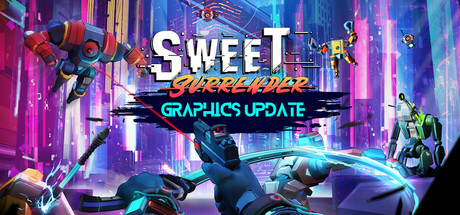
Sweet Surrender is a high‑octane, arcade‑style roguelite VR shooter that delivers razor‑sharp, frantic gunplay and impressively low‑demand performance; perfect for players who want instant, sweaty runs without hardware headaches.
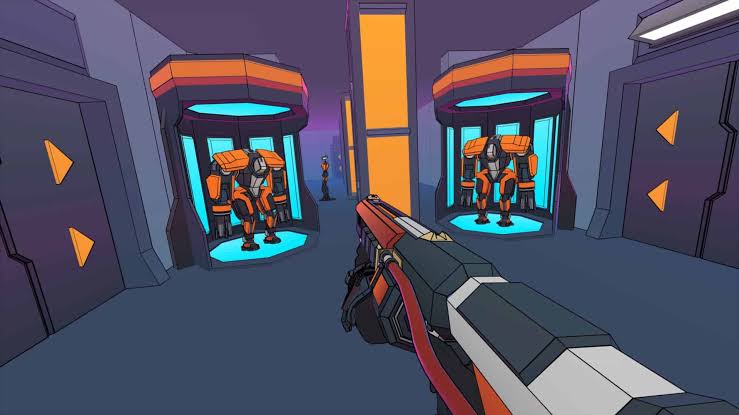
You’re dropped into a dystopian megatower where each run is a sprint upward through procedurally generated floors, swarms of hostile automatons, and tight, action‑first encounters that reward momentum, aim, and quick thinking.
Since its late‑2021 debut the game has seen steady updates and a notable PSVR2 build with platform‑specific enhancements, but its promise is straightforward: move fast, shoot faster, and cobble together a lethal loadout from scavenged weapons, explosives, and upgrade chips.
Where it stumbles is in variety and polish, enemy types and upgrade options can feel repetitive over multiple runs, and occasional glitches undercut the flow, but at its best Sweet Surrender is a visceral, run‑and‑gun VR thrill that scratches the arcade shooter itch.
What works
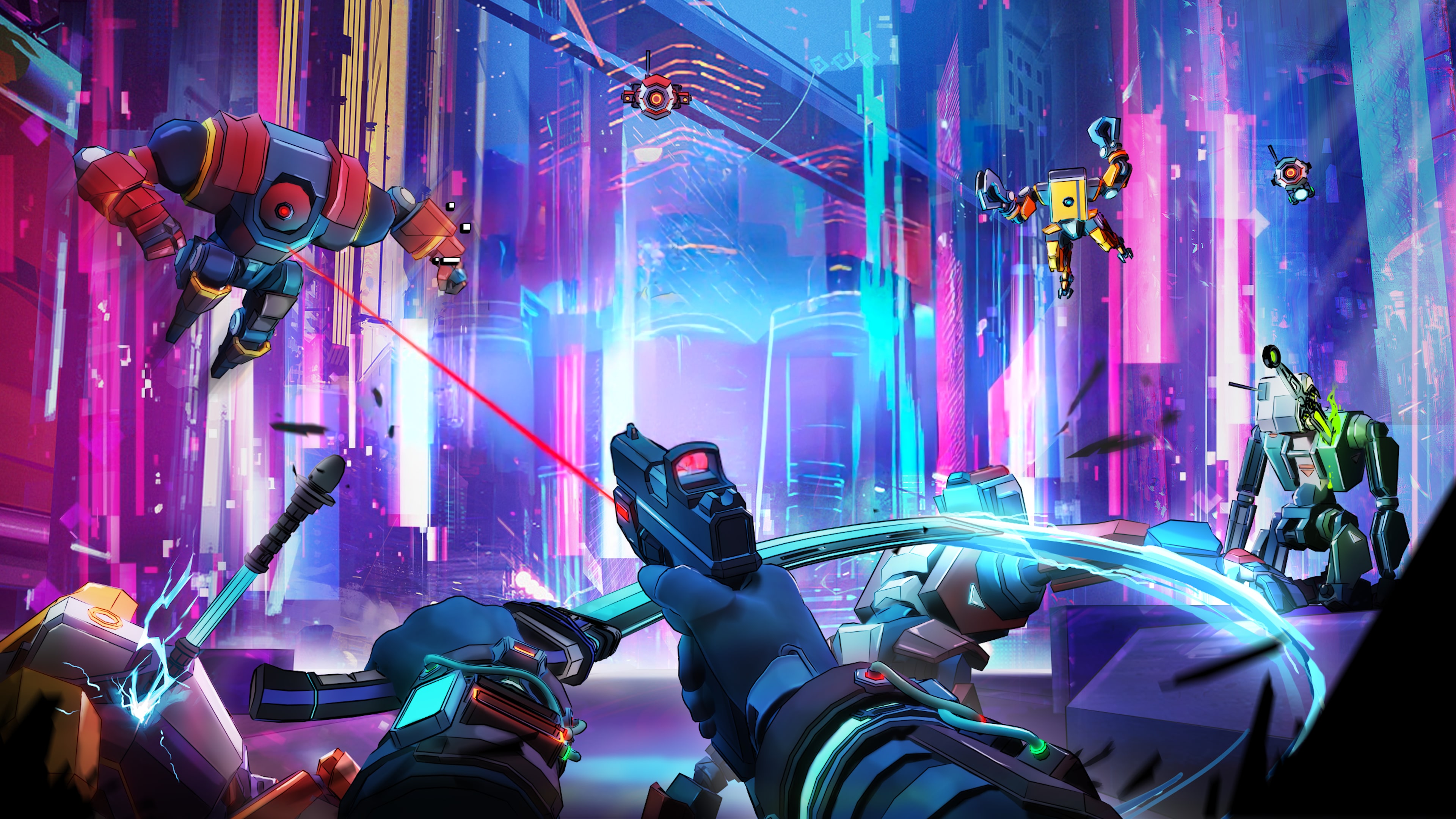
• Agile combat and movement: Momentum is rewarded, grappleguns, ziplines, and multiple locomotion modes let you zip through levels, flank enemies, and use traversal as an offensive tool rather than a chore.
• Low‑spec friendliness: The comic‑stylized visuals are attractive and extremely efficient, letting the game run smoothly on modest rigs and at high refresh rates for modern headsets, great for consistent VR performance and accessibility.
• Immediate weapon feel: Pistols and rapid‑fire guns hit with satisfying punch; unlimited ammo and instant, intuitive reloads keep encounters kinetic and prevent downtime between fights.
• Ongoing support: The developer actively updates the game and expands platform features, PSVR2 enhancements like adaptive triggers and richer haptics deepen immersion while regular patches improve stability and add content.
Where it falters
• Enemy and AI variety: Early and mid runs recycle the same robot archetypes, and enemy behavior rarely forces tactical shifts, combat can feel predictable and stale after several runs. More distinct attack patterns, role‑specific enemies, and encounter scripting would push players to adapt rather than rely on the same strategies.
• Power and weapon balance: A handful of high‑tier weapons (notably some LMGs) can trivialize encounters, removing the incentive to experiment with different loadouts. Upgrade chips and shop drops skew toward a small set of dominant choices, which flattens build diversity and reduces the thrill of discovery.
• Progression and shop economy: Gear currency pacing is uneven, early scarcity gives way to surplus later, while shop inventories and power offerings often repeat or feel redundant. Better pacing, dynamic shop rotations, and more meaningful purchase options would make each visit to the vendor feel consequential.
• Polish issues: Players report disappearing items, clipping, and occasional stuck states (for example, elevator bugs), which interrupt flow and break immersion. These glitches undermine the game’s momentum; targeted fixes and QA on traversal and item persistence would dramatically improve the run‑by‑run experience.
Final Verdict
Sweet Surrender is a strong pick for players who want high‑octane, arcade‑style VR shooting that feels immediate and runs smoothly across headsets. Momentum‑driven combat, responsive weapons, and traversal tools like the grapplegun make each run a satisfying sprint, and the PSVR2 build’s haptics and performance enhancements amplify the visceral payoff on modern hardware.
That said, the game’s long‑term appeal is tempered by repetitive enemy archetypes, a narrow upgrade meta, and occasional polish issues, so if you’re after deep enemy variety, tightly tuned progression, or a broad, balanced weapon ecosystem, you may find the loop grows thin after repeated runs. For arcade‑minded VR fans who prioritize speed, feel, and low‑demand performance over sprawling systems, Sweet Surrender is well worth a try; ongoing developer updates also suggest the experience will continue to improve.
Watch and Wishlist
• Why wishlist: Get notified about major updates, new weapons, balance patches, seasonal events, and sales so you can jump back in when fresh content or fixes arrive.
• Platforms to track: PC VR (Steam/SteamVR); PlayStation (PSVR2); watch for Meta Quest and other headset storefronts as ports or builds roll out.
• How to stay informed: Add the game to store wishlists and enable notifications; follow Salmi Games on social channels (Twitter/X), join the official Discord community, and check the game’s store page or roadmap/manual for patch notes and developer posts.
• Price perspective: $24.99, fair for an arcade roguelite with active updates; consider waiting for a sale if you prefer more content variety before buying.
Key Takeaways
• Premise: Fast, arcade‑style roguelite VR shooter set in a dystopian megatower where each run is a sprint upward against waves of robotic foes.
• Core loop: Move quickly, shoot relentlessly, collect upgrade chips, and chain weapons and traversal tools to survive and push higher.
• Combat and movement: Momentum‑focused gameplay with grappleguns, ziplines, and multiple locomotion options that turn traversal into an offensive advantage.
• Performance: Stylized, low‑demand visuals run smoothly on modest rigs and high‑refresh headsets, making it accessible across a wide range of VR setups.
• Weapons and feel: Guns feel immediate and satisfying, with unlimited ammo and fast reloads keeping encounters kinetic, though a few high‑tier weapons can dominate runs.
• Progression: Unlockable classes and daily modes add structure, but shop pacing and upgrade chip variety can feel uneven and repetitive over time.
• Variety limits: Enemy archetypes and power offerings are thinly varied early on, which reduces tactical diversity across multiple runs.
• Polish: Regular updates and platform improvements are promising, but occasional glitches (item disappearance, clipping, stuck states) still interrupt flow.
• Who it’s for: Best for arcade‑minded VR players who prioritize speed, feel, and replayable runs; less ideal for those seeking deep enemy variety or tightly tuned meta progression.
• Value proposition: A visceral, run‑and‑gun VR thrill with strong moment‑to‑moment payoff; worth trying, especially on sale or if you value performance and immediacy.
Game Information:
Developer & Publisher: Salmi Games
Platforms: MetaQuest (reviewed), SteamVR, PSVR2
Release Date: September 30, 2021
Score: 8.5 / 10
Sweet Surrender delivers exhilarating, momentum‑driven VR shooting with crisp weapon feel, fluid traversal, and excellent performance on a wide range of headsets. Its arcade roguelite loop is immediately satisfying and addictive for short, intense runs. Repetitive enemy archetypes, a narrow upgrade meta, and occasional polish issues prevent it from reaching higher marks, but active developer support and strong moment‑to‑moment gameplay make it a highly recommended pick for players who prioritize speed, feel, and accessibility in VR.
“8.5 / 10 - A blistering, run‑and‑gun VR thrill: fast, fun, and finely tuned for moment‑to‑moment combat, even if the meta grows thin after many runs.”