
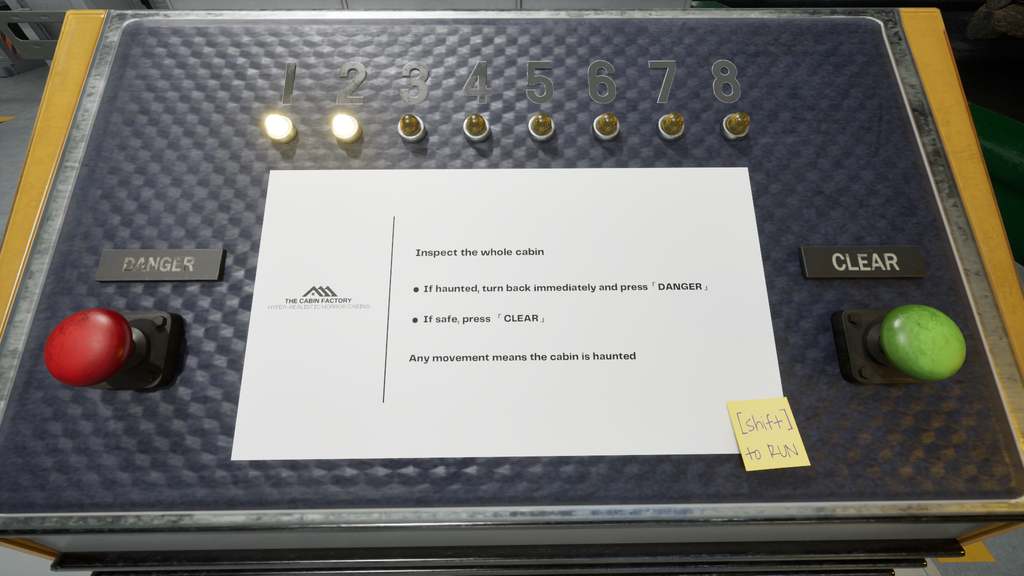
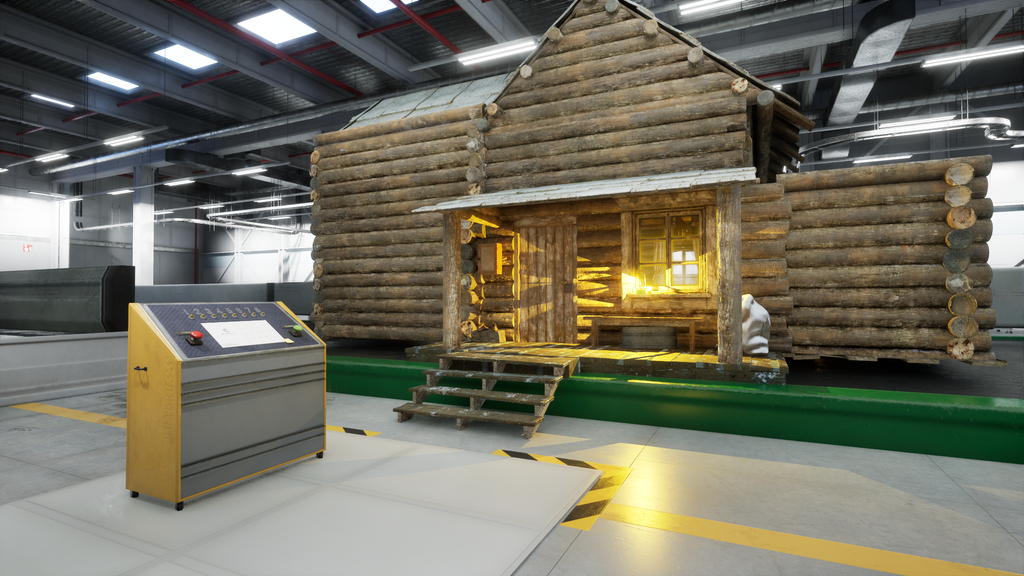
The Cabin Factory pares horror to a razor‑sharp idea: you’re a newly hired Cabin Inspector tasked with entering cabins, cataloguing anomalies, and making a split‑second verdict; Danger if something’s wrong, Clear if it’s safe. The binary mechanic belies a surprising depth: ambiguous signs, contextual cues, and the uncanny silence between rooms force you to weigh instinct against evidence.
That elegant simplicity is the game’s power, what could read as a gimmick becomes a relentless, focused loop of observation and decision‑making that sustains a steady, creeping dread across its compact, roughly one‑hour runtime.
How it plays
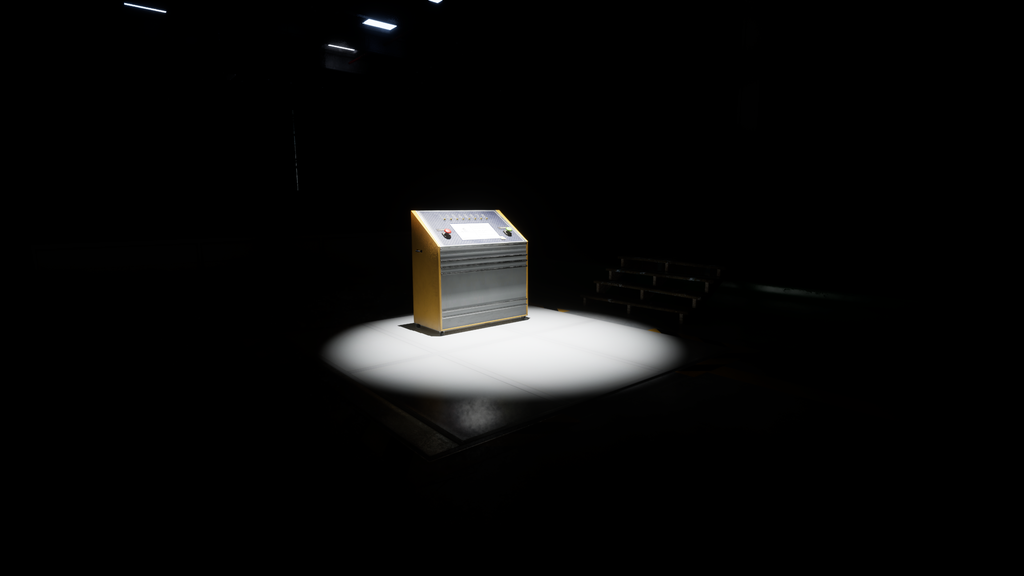
• Core loop: Traverse each cabin with a careful eye, cataloguing details and making a binary verdict; Danger if something’s off, Clear if it’s safe. The simplicity sharpens every choice: with only two buttons, every observation matters and hesitation becomes part of the tension.
• Anomaly hunting: The game resists reflexive fleeing by making anomalies ambiguous and context‑sensitive. Small oddities can be harmless or portentous depending on placement and timing, so you’re encouraged to probe, compare rooms, and weigh evidence rather than rely on jumpy instincts.
• Pacing and escalation: Built as a compact walking‑sim, the experience moves with brisk, deliberate pacing, each cabin is a focused vignette that layers atmosphere and dread. Quiet stretches amplify the shocks, and well‑timed reveals escalate unease so the hour-long run feels taut and purposeful.
Atmosphere and influences
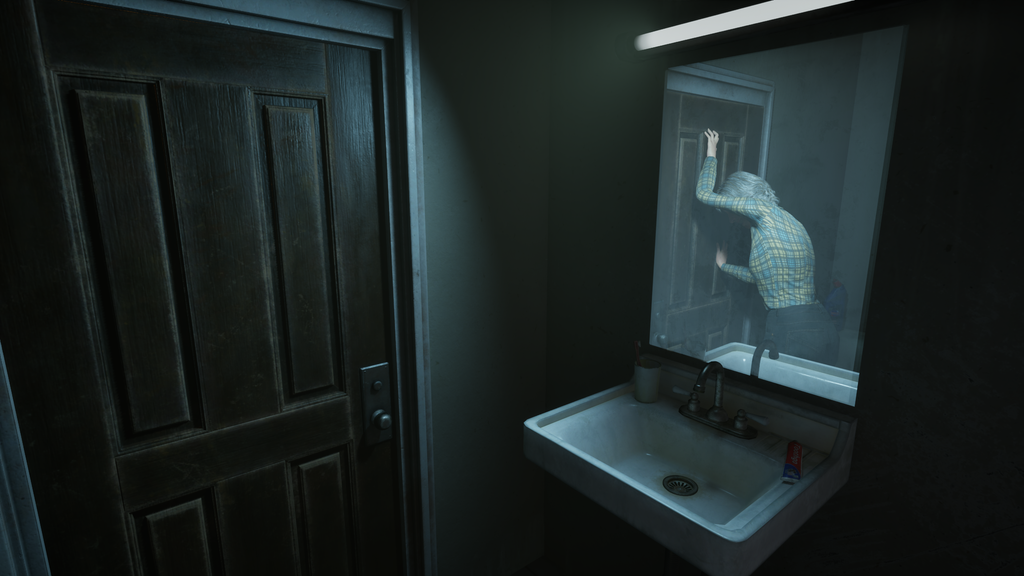
• Liminal design: The Cabin Factory leans hard into liminality and psychological dread, channeling the uncanny hush of short walking sims like The Exit 8, Pools, and the lineage of P.T. Ordinary hallways, half‑lit porches, and domestic clutter are arranged so that familiarity becomes unsettling, spaces feel paused between uses, as if something just stepped out and might return. That in‑between quality makes every doorway and corridor a small puzzle of expectation and unease.
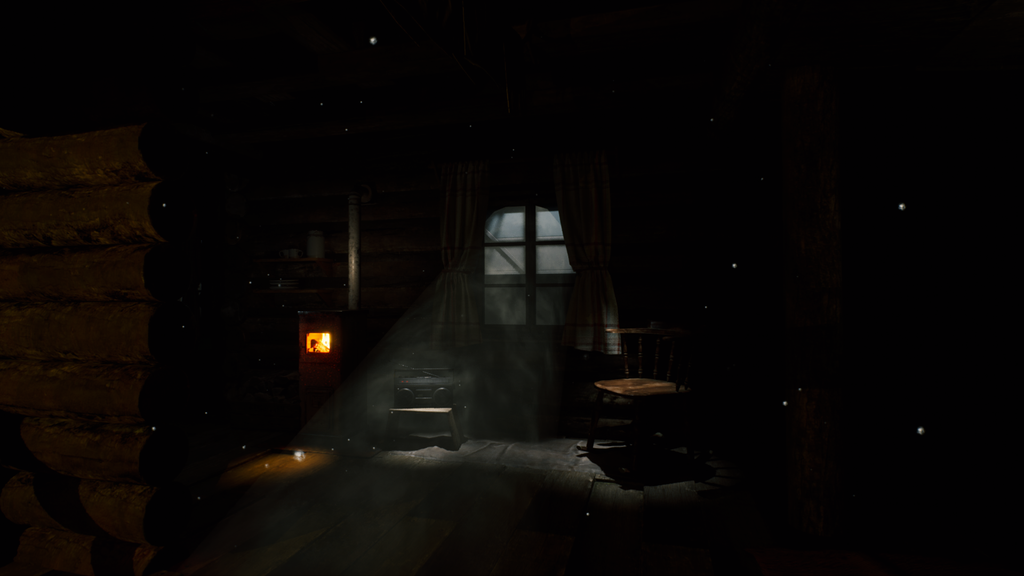
• Sound and staging: Minimalist audio does the heavy lifting, muted HVAC hums, distant thumps, a single off‑key radio note, and the pregnant silence that follows each sound cue. These carefully placed sonic details, paired with deliberate camera framing and negative space, build tension more effectively than a barrage of jump scares; the game lets dread accumulate until a well‑timed reveal lands with real force.
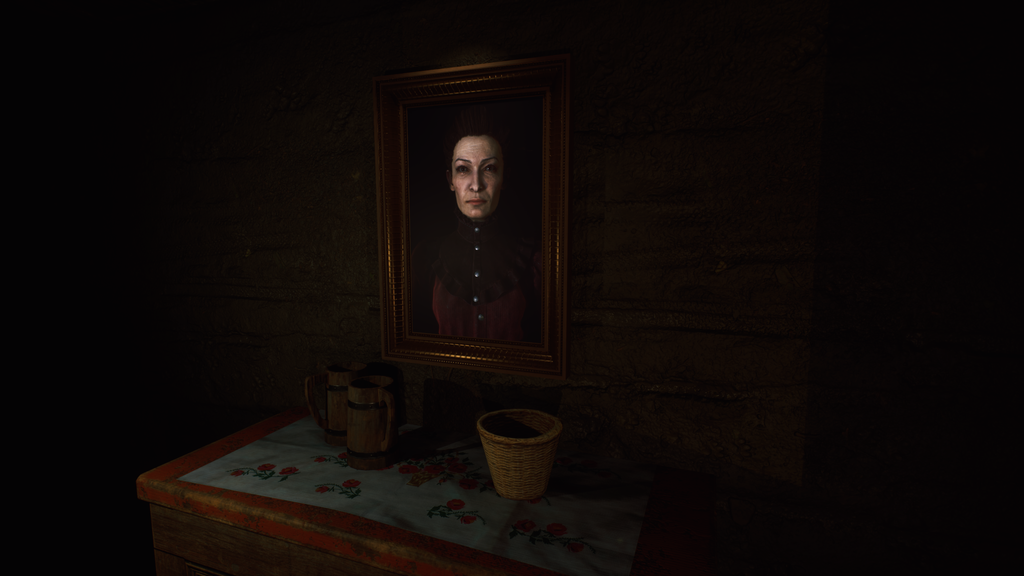
• Visuals: The cabins are rendered with convincing, lived‑in detail; peeling paint, mismatched mugs, and stray laundry, so that anomalies pop against a believable backdrop. The contrast between mundane texture and subtle wrongness (a shadow that doesn’t match its source, a photograph with an extra face) is where the chills come from, turning small visual dissonances into lingering, memorable frights.
Story and character
• Greta’s thread: Beneath the anomaly loop lies a quietly unfolding portrait of Greta; shards of memory, personal objects, and environmental clues that gradually sketch her past. These narrative fragments are woven into the cabins themselves: a photograph on a mantel, a scratched inscription on a mug, a voicemail left half‑heard. The storytelling is deliberately subtle, letting players assemble Greta’s history at their own pace so emotional weight accumulates without interrupting the inspection loop.
• Supporter content and connective details: Small extras in the supporter packs, trinkets like plush kitties, a well‑worn mug, or a handwritten note, do more than reward backers; they deepen the player’s bond to Greta and her world. These items feel personal rather than transactional, offering tactile reminders of the character’s relationships and losses and giving fans little anchors to revisit the story between runs.
Replayability and modes
• Short but replayable: The core run is compact, around an hour, but the design rewards repeat play. Anomalies can appear in varied permutations and timing, so subsequent runs reveal new permutations and subtle details. Built‑in options to reset, unlock an endless mode, or chase alternate endings give players clear reasons to return without bloating the base experience.
• Modes and incentives: Beyond the main loop, small incentives, unlockable modifiers, a score or discovery tracker, and optional challenge rules, would deepen replay value; as is, the game’s tight structure still encourages experimentation and mastery of its ruleset.
• Accessibility and approachability: Simple, binary mechanics make the game immediately approachable for newcomers to horror and walking sims. Clear UI prompts, readable text, and forgiving input windows reduce friction so players can focus on atmosphere and decision‑making.
• Performance and portability: Reports of smooth performance on the Steam Deck and low‑spec PCs make this an excellent pick for portable play. Short sessions, quick load times, and modest system demands mean it’s easy to slot into commutes or breaks.
• Player comfort options: The game’s design would benefit from explicit comfort settings; toggleable motion blur, reduced jump‑scare intensity, and subtitle/customizable audio levels, to broaden its audience while preserving tension for players who want the full effect.
Strengths
• Focused concept, expertly realized: The Cabin Factory demonstrates how a single, tightly defined premise can carry an entire game. Every design choice reinforces the inspector loop, so atmosphere, pacing, and mechanics feel unified rather than scattered.
• Tension built from restraint: Rather than a parade of jump scares, the game cultivates unease through ambiguity, staging, and small, uncanny details. That restraint makes each well‑placed scare land harder and keeps dread simmering between cabins.
• Compact, polished delivery: In about an hour you get a complete, well‑crafted experience with a clear narrative hook and satisfying mechanical payoff. For a modest price, it’s a tidy package, slick performance, thoughtful presentation, and a replayable structure that punches above its runtime.
Weaknesses
• Length and scope: At roughly an hour, the core run is compact and some players will finish quickly and want more. Consider adding optional bonus cabins, a short epilogue, or a selectable “extended inspection” mode so the experience can scale for players who prefer a longer campaign.
• Replay value variability: Replayability exists through endless mode and anomaly permutations, but the binary loop can feel brief on repeat plays. Introduce light meta progression (discovery tracking, unlockable modifiers, or alternate anomaly behaviors) to reward repeat runs and give completionists more to chase.
• Narrative pacing and payoff: The story’s emotional beats are subtle and occasionally lose momentum, so the payoff may not land for every player. Strengthen a few key reveals with clearer foreshadowing, one or two more explicit connective clues, or a short final scene that ties Greta’s thread together without undermining the game’s restraint.
Final Verdict
The Cabin Factory is a compact, brilliantly focused anomaly‑hunting horror that proves restraint often outperforms spectacle. Its simple inspector loop; enter, observe, decide; sharpens every moment into sustained unease, turning ordinary rooms into uncanny set pieces and making each well‑timed scare land with real force.
Clocking in at about an hour, it’s perfect for players who want a dense, atmospheric experience that respects their time while still offering replay hooks and a quietly intriguing narrative thread. At a modest price, it’s an easy, high‑value recommendation for fans of liminal dread and smart, minimalist design.
Watch and Wishlist
• Why wishlist: Add it to your Steam wishlist to get immediate notifications for updates, sale discounts, and any post‑launch content or patches, handy for a short game you might want to replay after a patch or new mode.
• Platforms to track: The Cabin Factory launched on PC via Steam and is the primary place for the game and supporter packs.
• How to stay informed: Wishlist/Follow the Steam store page to get automatic patch and sale alerts. Follow International Cat Studios and publisher Future Friends Games on social channels (Twitter/X, Mastodon) and check the publisher’s Steam developer page for official news.
• Price perspective: $2.99, a very modest buy for a polished, hour‑long horror experience; great value for players who like short, repeatable scares and want to support indie devs.
Key Takeaways
• Core concept: Play a Cabin Inspector who enters cabins, spots anomalies, and marks them Danger or Clear; a tight, binary loop that drives tension.
• Runtime: Compact single run of ~60 minutes, designed as a focused vignette rather than a long campaign.
• Tone and design: Leans into liminal, psychological horror, subtle visual dissonance and sparse audio build sustained unease over cheap shocks.
• Narrative: Environmental clues slowly reveal Greta’s past, adding quiet emotional weight without interrupting the inspection loop.
• Replayability: Anomaly permutations, a reset option, and an endless mode encourage repeat runs, though the core loop remains brief.
• Accessibility & performance: Simple mechanics make it approachable; community reports indicate smooth play on PC and Steam Deck.
• Weaknesses: Short length may leave players wanting more; narrative payoff is subtle and may not land for everyone.
• Value proposition: At $2.99, it’s a low‑risk, high‑value pick for fans of atmospheric, minimalist horror.
Game Information:
Developer: International Cat Studios
Publisher: Future Friends Games
Platforms: PC (reviewed), Xbox, PlayStation 4, PlayStation 5, Nintendo Switch
Release Date: December 13, 2024
Score: 8.5 / 10
The Cabin Factory is a smart, tightly focused horror vignette that delivers sustained atmosphere, clever anomaly design, and a quietly affecting narrative thread. Its simple inspector loop sharpens tension and makes every choice matter, while minimalist sound and staging amplify dread without relying on cheap shocks.
The short runtime and subtle storytelling hold it back from perfection for some players, but at its price and scope it’s a polished, highly recommendable experience for fans of liminal, psychological horror.
“8.5 / 10 - A short, unnerving masterclass in atmosphere; simple rules, sharp scares, and a lingering sense of wrongness that sticks with you.”