Apartment No 129 - Step into Emir’s investigation: live‑action dread, branching endings, and a country’s whispered urban legend. (Game Review)
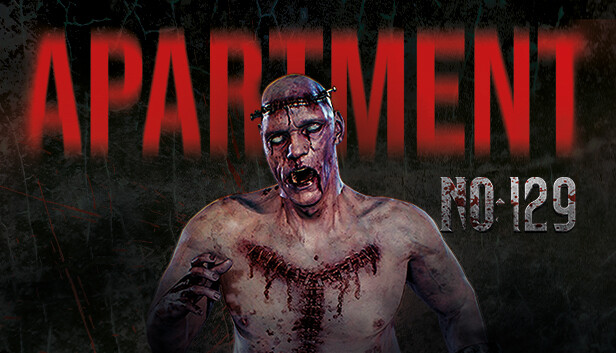
Apartment No 129 is a first‑person horror thriller that trades cheap jump scares for slow‑burn dread rooted in a real‑world urban legend. You step into the shoes of Emir, a social‑media investigator chasing the trail of a 2009 paranormal incident that emptied an entire building and gripped a nation. From the moment you cross the threshold, the game leans on atmosphere; peeling wallpaper, stale air, and half‑remembered evidence, to make the apartment itself feel like an antagonist.
The experience blends live‑action cinematic sequences with hands‑on exploration, inventory‑based survival, and tense encounters with grotesque entities. A professional screenwriter shapes the narrative, and player choices steer Emir’s psychological arc: what you read, whom you trust, and which fears you confront determine which of the multiple endings you reach. The result is a choice‑driven, filmic horror that asks you to unravel a mystery while surviving the slow collapse of your protagonist’s certainty.
Story and setting
The setup is stark and unnerving: two girls in Apartment No 129 are said to have performed late‑night rituals and died under mysterious circumstances the same night neighbors reported an earthquake that, according to records, never occurred. The building’s slow abandonment; reports of a heavy, cloying smell, inexplicably shattered windows, cryptic symbols scrawled on walls, and sightings of shadowy figures, becomes the game’s living dossier. As Emir picks through the apartment’s ruined rooms and faded evidence, the boundary between an external haunting and his own unraveling psyche dissolves; every note you read and choice you make pulls a different thread in his fear, steering which horrors manifest and which of the game’s multiple, morally charged endings you reach.
Gameplay
Apartment No 129 leans on classic survival‑horror foundations while adding a few modern narrative and cinematic flourishes. The game favors slow, investigative play, every scrap of paper and environmental clue matters, so patience and curiosity are rewarded.
• Exploration and investigation: Progression is driven by environmental storytelling; reading notes, piecing together timelines, and examining the apartment’s detritus are essential to unlocking new areas and understanding the mystery.
• Inventory and encounters: A modest inventory and weapon system lets you prepare for threats, but combat is intentionally deliberate rather than twitchy. Encounters are meant to be tense and consequential, not constant action set pieces.
• Choice and consequence: Moral decisions and conscience mechanics shape Emir’s psychological arc and branch the narrative into multiple endings, giving weight to what you read, whom you trust, and how you react under pressure.
• Cinematic presentation: Live‑action interludes with real actors punctuate exploration, raising production value and reinforcing the game’s filmic tone.
That design creates a slow‑burn experience that excels at atmosphere and dread, but it also exposes the game’s weak points. Several players report long stretches that feel like walking simulators, where pacing stalls and anticipation replaces payoff. Combat can feel clunky for some, limited flashlight mechanics and the inability to simultaneously aim and illuminate create genuinely tense moments, but they can also frustrate when you’re forced to fight blind. When the systems click, the result is immersive and unnerving; when they don’t, the experience can drag.
Presentation
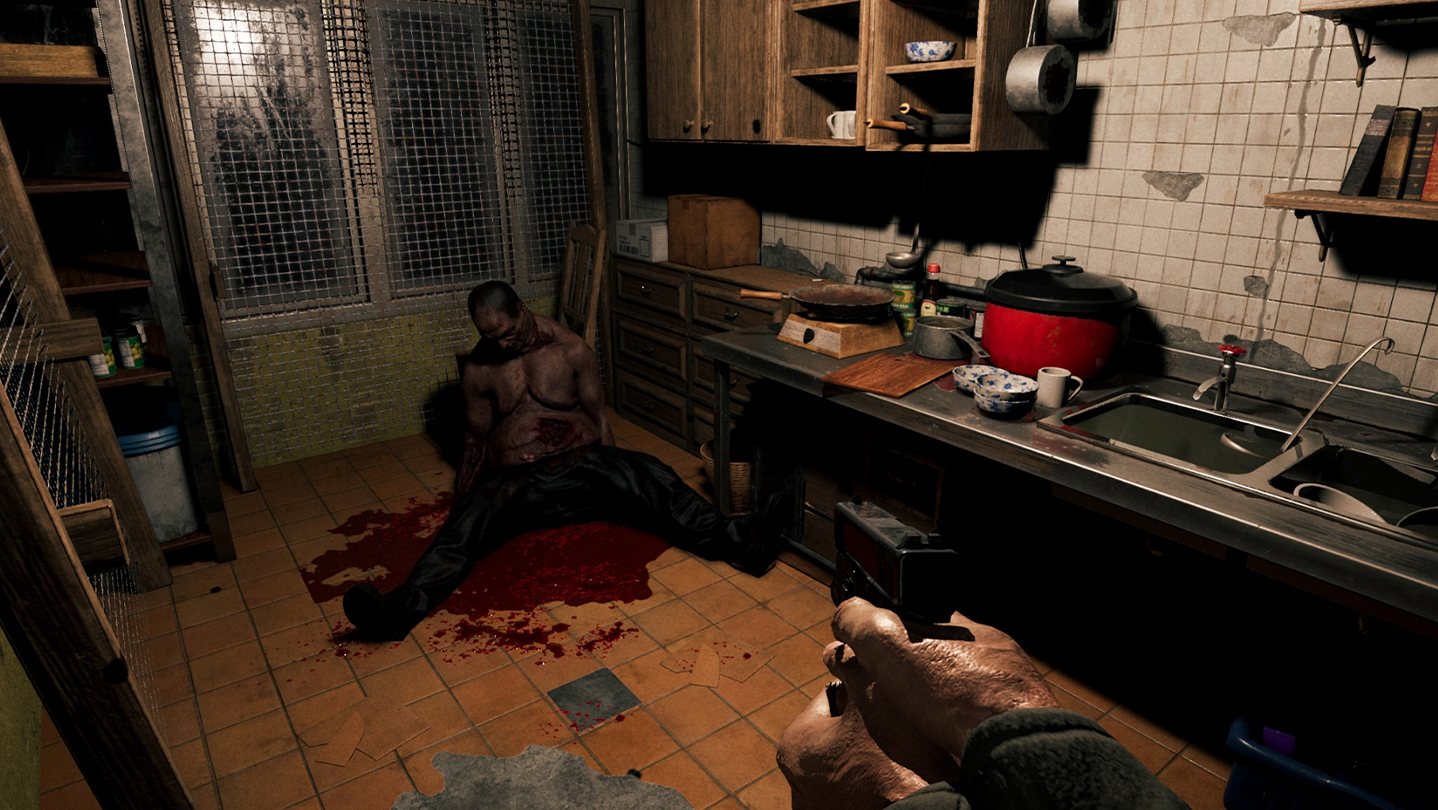
Apartment No 129 often impresses on a visual and auditory level. Realistic lighting, finely detailed interiors, and a layered, moody soundscape combine to make the apartment itself feel alive; every creak, shadow, and stale breath of air sells the sense of abandonment. The live‑action intro and intermittent cinematic scenes lend a filmic polish that raises the narrative stakes and gives the story a cinematic heartbeat.
That polish, however, is uneven. Recent updates have tightened pacing and trimmed excessive text for some players, but others still report technical roughness and map layouts that echo other indie horror titles. Because the game leans so heavily on atmosphere, its success hinges on the alignment of visuals, audio, and pacing: when those elements sync, the result is genuinely chilling; when they don’t, immersion fractures and the tension dissipates.
Strengths
• Compelling premise inspired by a real urban legend: The game’s foundation in a true‑event rumor gives the mystery emotional weight and cultural resonance.
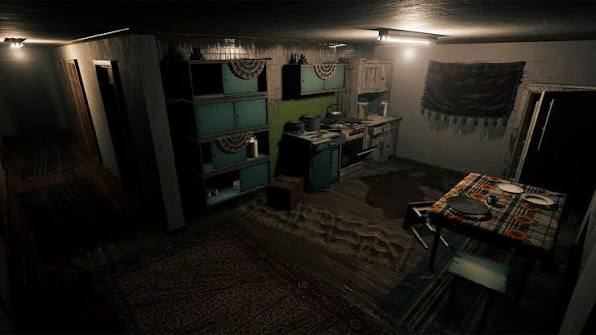
• Immersive atmosphere and realistic visuals: Detailed interiors, convincing lighting, and layered ambient audio make the apartment itself feel like a character.
• Cinematic presentation: Live‑action sequences and a screenplay by an experienced writer elevate the narrative beyond typical indie horror fare.
• Meaningful player choice: Conscience mechanics and branching decisions produce multiple endings, encouraging replays to uncover different outcomes.
• Narrative hooks and environmental storytelling: Notes, symbols, and environmental clues reward careful exploration and piece together a disturbing backstory.
Weaknesses
• Pacing problems: Extended stretches of aimless traversal can dilute tension and make the game feel like a walking simulator at times.
• Combat and control frustrations: Weapon handling and the flashlight/weapon tradeoff feel awkward for some players, turning tense encounters into clumsy struggles.
• Technical and design rough edges: Occasional bugs, repetitive map elements, and layout similarities to other indie titles undermine immersion for parts of the community.
• Uneven scare design: Not every sequence lands; some scares rely on atmosphere while others fall flat, producing an inconsistent emotional rhythm.
• Accessibility and UX issues: Long blocks of text, awkward UI moments, and unclear tutorialization can frustrate players who prefer tighter onboarding.
Who should play
If you enjoy slow‑burn, story‑first horror that leans on atmosphere, real‑world mystery, and cinematic presentation, Apartment No 129 is worth exploring. Fans of narrative horror and indie titles that prioritize mood over twitch combat will find a lot to like. If you prefer fast pacing, tight action, or polished mechanics, be prepared for some rough patches.
Final Verdict
Apartment No 129 is an ambitious indie horror that favors slow‑burn dread and moral ambiguity over cheap jump scares. Rooted in a chilling real‑world urban legend, the game pairs strong visual design, layered sound, and live‑action interludes to create a distinct, filmic atmosphere. Its branching conscience mechanics and multiple endings give weight to exploration and choices, turning each playthrough into a different psychological puzzle.
That ambition isn’t always matched by execution, pacing can sag into long stretches of aimless traversal, and combat and control quirks occasionally break immersion, but those mechanical stumbles rarely erase the game’s most effective moments. For players who prize mood, story, and replayable narrative twists over tight action, Emir’s descent into the cursed apartment is a haunting, memorable ride worth experiencing more than once.
Watch and Wishlist
• Why wishlist: Receive alerts for patches, cinematic content drops, DLC or bundle appearances, and sale notifications so you can grab the game or updates at a discount.
• Platforms to track: PC (Steam, Epic Games Store); PlayStation (PS4/PS5); Xbox (One/Series).
• How to stay informed: Wishlist and follow the game on your storefront; follow Dead Witness on social media; join the official Discord and check the Steam Community Hub for patch notes and developer posts.
• Price perspective: $7.99, current promotional price; expect frequent sales and occasional bundle discounts.
Key Takeaways
• What it is: A first‑person, story‑driven indie horror that blends live‑action cinematics with investigative exploration rooted in a real urban legend.
• Core appeal: Slow‑burn atmosphere and psychological dread over jump scares; the apartment itself is the primary antagonist.
• Narrative hook: You play Emir, a social‑media investigator; choices and discovered notes shape his psyche and lead to multiple, morally charged endings.
• Gameplay loop: Exploration, reading environmental documents, inventory management, and occasional combat; progression rewards attention to detail.
• Presentation: Strong visuals, realistic lighting, and a layered soundscape lift immersion; live‑action scenes add cinematic weight.
• Main strengths: Compelling premise, filmic storytelling, meaningful choices, and replay value through branching endings.
• Main weaknesses: Uneven pacing, occasional technical roughness, and clunky combat/flashlight mechanics that can break immersion.
• Value proposition: Best for players who prioritize mood, story, and replayable narrative twists; expect frequent sales and a modest price during promotions.
Game Information:
Developer & Publisher: Dead Witness
Platforms: Xbox (reviewed), PlayStation 5, PC
Release Date: January 16, 2026
Reviewed by: Alissa Worley
Reviewed on: January 29, 2026
Score: 6.0 / 10 👎
⭐⭐⭐⭐⭐⭐☆☆☆☆
Apartment No 129 delivers a memorable premise and strong atmosphere, real‑event inspiration, live‑action moments, and convincing visuals give it personality, but uneven pacing, clunky combat/flashlight mechanics, and occasional technical roughness hold it back. Worth a look for story‑first horror fans, but expect a few mechanical stumbles and slow stretches.
“6.0 / 10 - A haunting concept with filmic moments, but the execution trips over pacing and controls.”
