Hungry Horrors - Cook cunningly, chain flavours, and feed the legends before they feed on you. (Beta Preview)
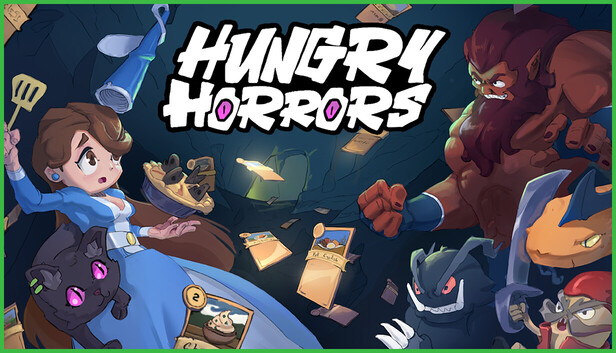
Hungry Horrors flips the roguelite card game formula: you don’t swing swords or cast spells, you cook. Framed in moody pixel art steeped in British and Irish folklore, the game asks you to assemble a culinary deck, chain complementary flavours, and out‑cook legendary Horrors before they make you the main course.
Each run plays like a tense kitchen puzzle; plan recipes, time combos, and exploit tastes (sweet, salty, sour, bitter, savoury, bland) to placate monsters with distinct cravings and quirks. It’s a smart, darkly funny fusion of deckbuilding strategy, resource juggling, and emergent storytelling that rewards experimentation, pattern recognition, and a well‑timed Bakewell Tart.
Core mechanics
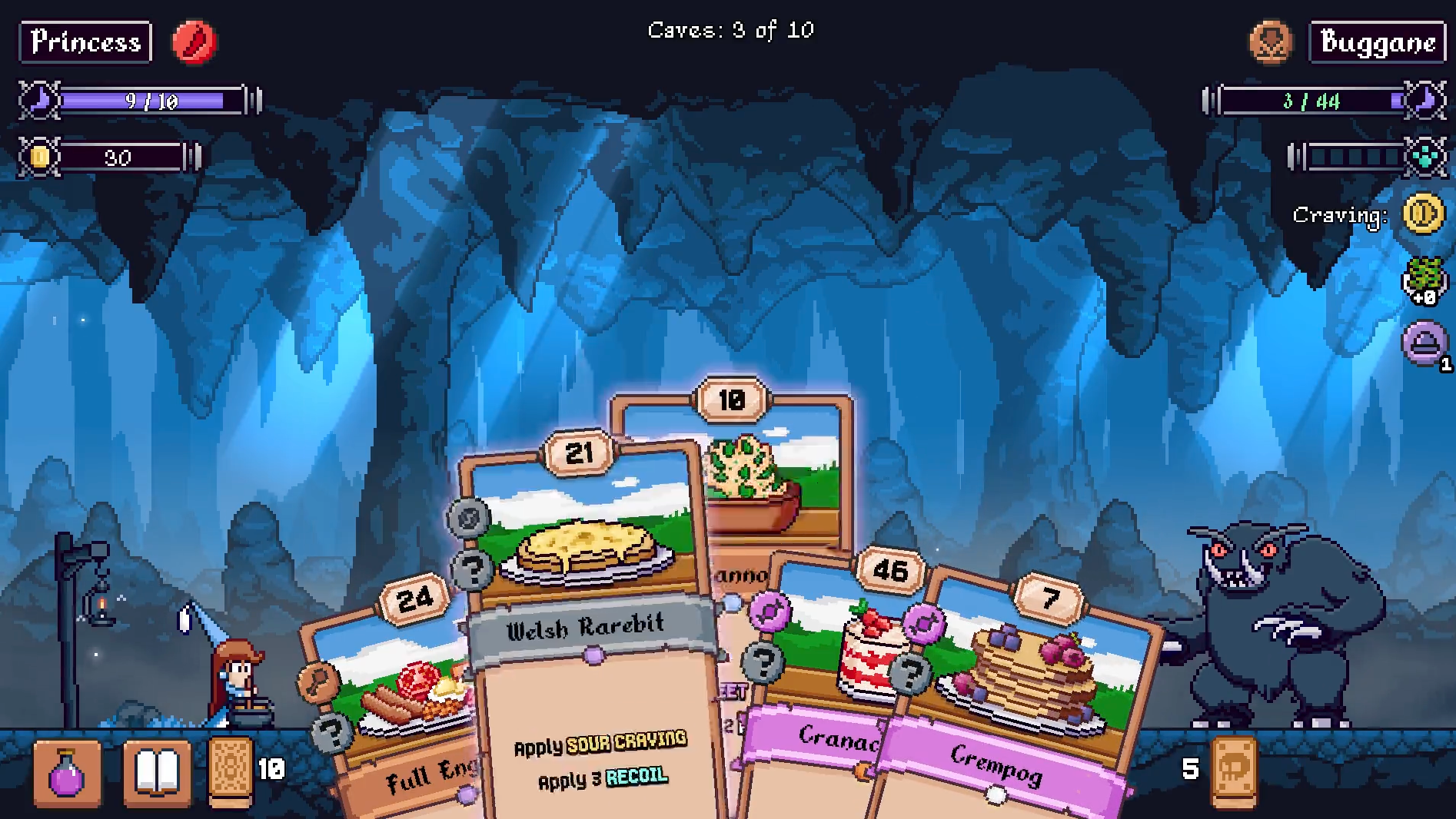
Deckbuilding is the game’s beating heart. Replace swords and spells with recipes, spices, and kitchen tools, each card is a culinary action that alters tastes rather than health bars. Instead of raw damage you juggle six taste axes: sweet, salty, sour, bitter, savoury, and bland; and the order you play ingredients determines whether a dish soothes a Horror or sends it into a frenzy.
Combine components to unlock flavour chains: a simple stew can be a filler, but layered with the right spice and technique it becomes a combo that triggers bonus effects, delays a monster’s advance, or converts an enemy craving into a permanent buff. Cards interact in predictable ways (acidic notes cut through fattiness; sweetness amplifies dessert synergies), which rewards both experimentation and pattern recognition.
Every run forces a constant trade‑off between short‑term survival and long‑term growth. Do you draft a clutch of quick, cheap snacks to placate the next Horror, or invest in rare spices and cookware that unlock powerful synergies back at base? Deck archetypes emerge, precision pastry builds that chain sweet combos, heavy‑stew strategies that stack savoury sustain, or trickster decks that bait dislikes into debilitating penalties.
Progression ties into deck design: new recipes, seasoning upgrades, and cookware discovered between runs expand your toolkit and enable hybrid strategies. The result is a satisfying loop where each failed attempt teaches a new preference, each discovery reshapes your deck, and every perfectly timed Bakewell Tart feels like a tactical victory.
Encounters and enemies
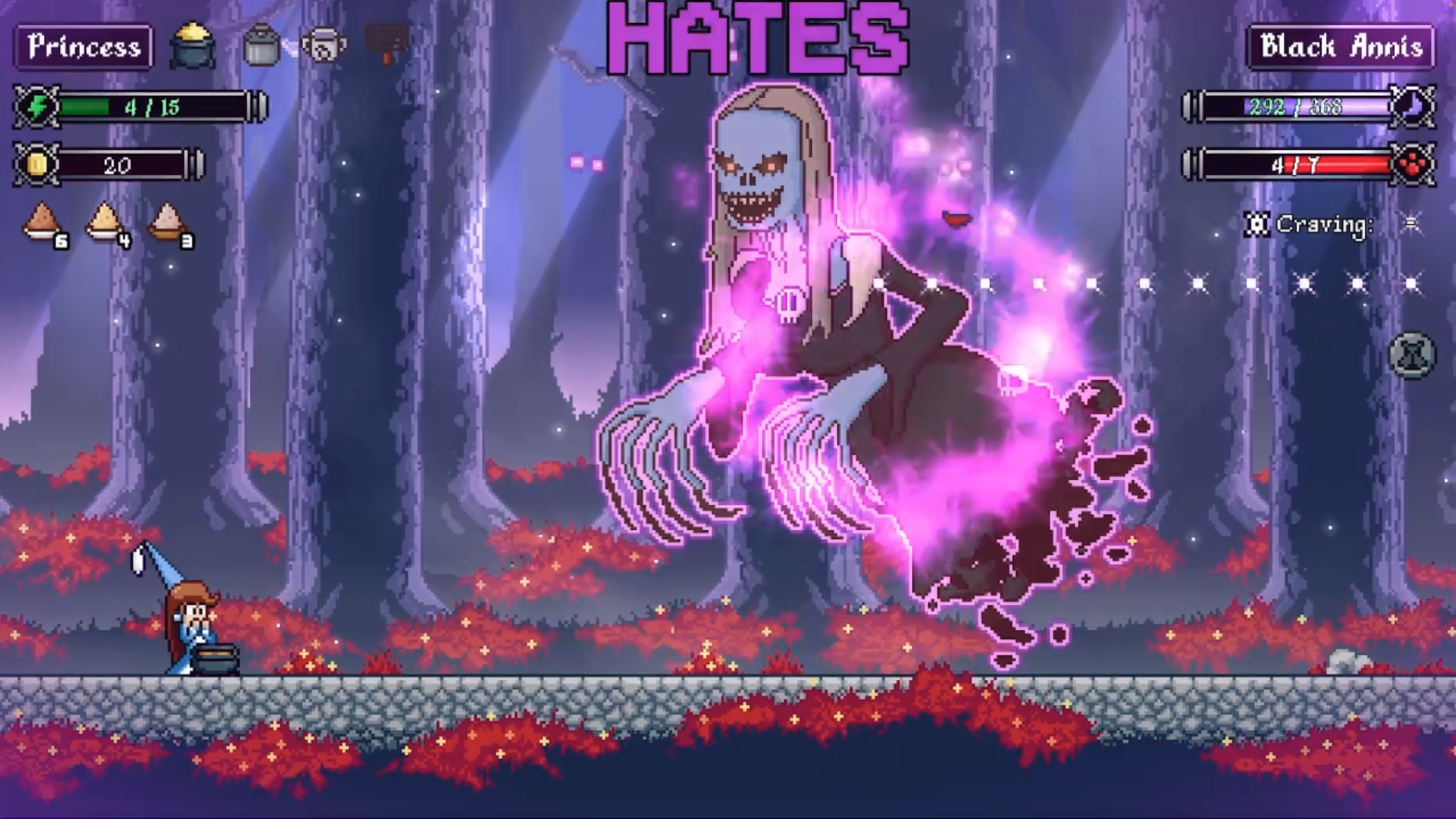
The Horrors are ripped from the pages of Celtic and British folklore: Black Annis, Jenny Greenteeth, Grendel, and a rogues’ gallery of other legendary fiends; each arriving with a distinct appetite, temperament, and set of tells.
Learning a Horror’s preferences is as crucial as tuning your deck: some beasts melt at the sight of a Bakewell Tart, others recoil at Fish and Chips, and a well‑timed savoury course can flip an encounter on its head.
Battles play out like tense culinary puzzles; watch for behavioral cues, chain complementary flavours to trigger potent combo effects, and time your signature dishes so the monster is sated before it reaches you. Get the order, seasoning, and pacing right and you’ll turn ravenous threats into grateful patrons; get it wrong and you’ll find yourself on the menu.
Progression and roguelite loop
Runs are bite‑sized but deliberately meaningful: each expedition is a compact, tense puzzle that hands you new knowledge and resources to bring back to base. Between sorties you refine recipes, unlock rare spices, and upgrade cookware, small investments that compound into powerful synergies. Permanent progression nudges you toward evolving strategies: artefacts and exotic ingredients found in the wild open fresh deck archetypes, while research trees and kitchen upgrades let you specialise in precise flavour combos or disruptive gimmicks.
The meta‑loop rewards curiosity and risk‑taking. Opt for quick, pragmatic snacks to survive the next encounter, or chase elusive seasonings that unlock long‑term combo potential; both choices teach you something useful. Failures aren’t dead ends but lessons; each run reveals a Horror’s preference, a counter to a combo, or a new card interaction, so subsequent attempts feel smarter and more satisfying. Over time the game shifts from trial‑and‑error to deliberate mastery, where discovery, experimentation, and incremental growth all taste like progress.
World and tone
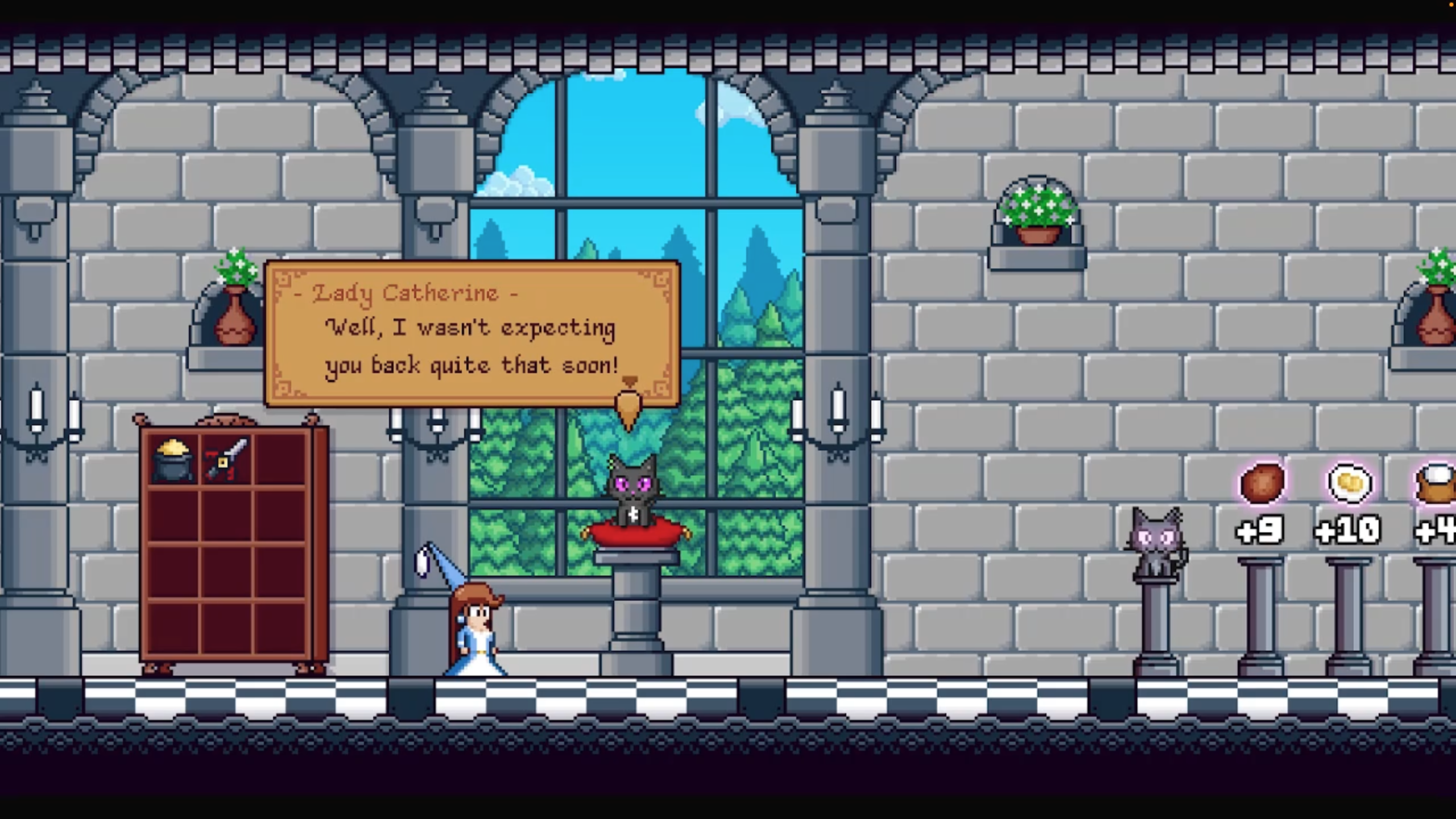
Hungry Horrors marries eerie folklore with a wry, dark sense of humour, turning each encounter into a small, uncanny vignette. Pixel‑art locales; enchanted woods, mist‑shrouded bogs, and lonely meadows, are layered with atmospheric detail and tiny animated touches that reward close inspection, so even a roadside cairn or a bubbling pool feels alive with story.
Narrative snippets, collectible artefacts, and environmental storytelling deepen the mythic texture: a scratched recipe card, a whispered legend, or a ruined hearth can reframe a Horror’s appetite and hint at hidden mechanics. The game’s tone balances spooky and sly, letting grim moments land without losing a playful, often macabre, sense of fun.
Cultural authenticity anchors the fantasy. Real British and Irish recipes, regional spices, and culinary traditions give the mechanics tactile weight, tastes and textures feel meaningful because they’re rooted in recognizable foodways. That grounding makes the premise feel both strange and familiar, so feeding a monster becomes as much about cultural storytelling as tactical mastery.
Replayability and audience
• Tactical depth: A wide array of deck archetypes and flavour synergies turns each encounter into a fresh puzzle, precision pastry builds, heavy‑stew sustain, and spice‑driven trick decks all play very differently.
• Reactive enemies: Horrors with unique appetites and behaviors force you to adapt on the fly, rewarding observation and memory as much as raw deck power.
• Meaningful choices: Drafting a short‑term snack versus investing in rare seasonings creates real trade‑offs that shape both the current run and your long‑term strategy.
• Replay value: Randomised rewards, artefacts, and ingredient discoveries combine with permanent upgrades to keep runs feeling new and worth revisiting.
Hungry Horrors stands out among card roguelites because its core systems; deckbuilding, flavour chains, and enemy design, interlock to produce emergent moments that feel both surprising and earned. Players who love experimentation, tactical puzzles, and a game with personality will find its blend of strategy and folklore especially rewarding.
Early Access and community
Launching in Early Access on 19 January 2026, Hungry Horrors is built to evolve with its community. Expect a steady cadence of balance tweaks, fresh recipes, new spices and cookware, and additional Horrors as the developer iterates on player feedback. Early adopters who enjoy testing builds, reporting bugs, and shaping design priorities will find a rewarding, participatory experience; players who prefer a more complete package may want to wait for broader content drops and polish. Either way, the roadmap emphasizes iterative improvements that expand tactical variety and deepen the game’s culinary lore.
Final Verdict
Hungry Horrors is a clever, palate‑driven reinvention of deckbuilding: elegant systems, memorable folklore foes, and a tight roguelite loop turn feeding monsters into a tense, strategic contest rather than a simple resource sink.
The game rewards curiosity and pattern recognition; learning a Horror’s tastes, sequencing flavour chains, and refining your culinary toolkit all feel meaningful, and emergent combos produce satisfying, often surprising solutions to each encounter.
If you enjoy roguelites that prize experimentation and steady mastery, and you’re intrigued by the idea of cooking as combat, Hungry Horrors is an inventive title to wishlist and follow as it grows through Early Access.
Watch and Wishlist
• Why wishlist: Get notified of the Early Access launch and major patches; catch demo/playtest drops and balance updates; receive sale alerts so you can buy after content or polish improvements.
• Platforms to track: Steam (primary) for store page, announcements, and demo builds; developer channels (Clumsy Bear Studio) for devlogs; itch.io for demo/devlog posts.
• How to stay informed: Follow and wishlist the Steam page and enable announcements; subscribe to the developer’s social/devlog updates; join the official Discord or Steam Discussions for real‑time patch notes and community reports.
• Price perspective: To be determined, Early Access pricing will be posted on the Steam store; wishlist now to get notified of the final price and any launch discounts.
Key Takeaways
• What it is: A roguelite card game where cooking replaces combat; build a deck of recipes, spices, and tools to feed mythical Horrors from British and Irish folklore.
• Core loop: Short, meaningful runs feed resources and discoveries back to base, where you refine recipes, unlock spices, and upgrade cookware.
• Deckbuilding focus: Cards represent culinary actions and ingredients; sequencing and synergy between tastes drive powerful combos and tactical depth.
• Flavour system: Six taste axes; sweet, salty, sour, bitter, savoury, bland; create combo opportunities and meaningful counters to enemy preferences.
• Enemy design: Horrors like Black Annis, Jenny Greenteeth, and Grendel each have unique cravings and quirks, turning encounters into puzzle‑like tests of observation and timing.
• Progression: Permanent upgrades, artefacts, and rare ingredients expand deck archetypes and encourage experimentation across runs.
• Tone and presentation: Moody pixel art, dark humour, and authentic regional recipes ground the game’s folklore‑driven world in tactile cultural detail.
• Replayability: Emergent variety from deck builds, flavour synergies, and randomized rewards keeps runs fresh and strategically engaging.
• Early Access note: Launching 19 January 2026, the game will iterate with community feedback; expect new recipes, balance changes, and additional Horrors.
• Who it’s for: Players who enjoy deckbuilding roguelites, tactical puzzles, and a quirky, culinary twist on monster encounters.
Game Information:
Developer & Publisher: Clumsy Bear Studio
Platforms: PC (reviewed)
Release Date: January 19, 2026
Score: 8.0 / 10
Hungry Horrors earns this score for its inventive premise and tightly interlocking systems: evocative pixel art and folklore‑rich writing give the game strong personality, while the culinary deckbuilding and flavour‑chain mechanics deliver satisfying tactical depth. Permanent progression and emergent enemy behaviours make runs feel meaningful, though Early Access polish issues and occasional balance roughness keep it from a higher mark: promising, flavorful, and already fun to master.
“8.0 / 10 - A deliciously original deckbuilder: smart systems and memorable monsters make every run feel like a tense, tasty puzzle.”