Iris and the Giant - A hand‑painted deckbuilder where short runs and hard choices help a young woman face her inner demons. (Game Review)
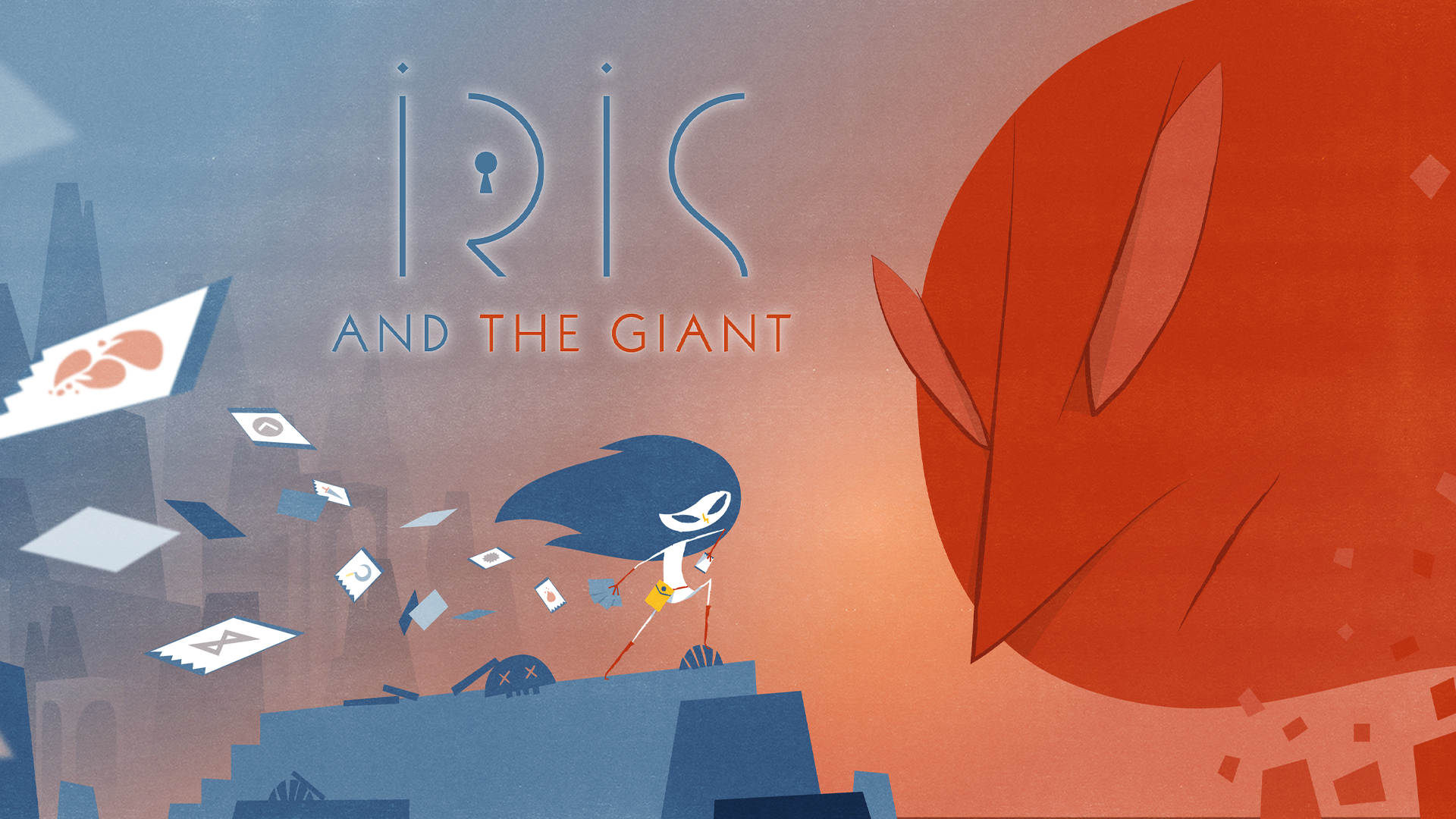
Iris and the Giant condenses deckbuilding, RPG progression, and roguelike tension into a compact, emotionally resonant package. Its minimalist, hand‑painted visuals and melancholic score create an intimate stage for tight, puzzle‑like combat that rewards foresight and careful resource management.
Each short run feels purposeful; choices carry weight, cards function like tools in a delicate machine, and persistent upgrades and memory fragments turn repeated attempts into steady, meaningful progress. This is a game designed for focused, repeatable sessions: small, intense bursts of strategy that add up to a quietly powerful narrative about facing inner demons.
Core loop
• What you do: Navigate a fixed encounter map, resolve tactical card battles, and collect new cards and memory fragments as you go. Earned points let you purchase persistent upgrades between runs, so each attempt both tests your current deck and seeds future growth; short, focused runs that compound into long‑term progress.
• Design emphasis: The game leans into consumable‑heavy cards and predictable encounter layouts, turning each run into a deliberate puzzle. Rather than chasing a single permanent build, you adapt to the cards and choices you find, weighing immediate synergies against longer‑term positioning and resource conservation.
• Progression loop: Persistent upgrades, memory bonuses, and unlocked cards steadily expand your toolkit, rewarding experimentation and incremental mastery. Over time you unlock new playstyles and strategic options, what starts as trial and error becomes a satisfying loop of discovery, refinement, and payoff.
Combat and deckbuilding
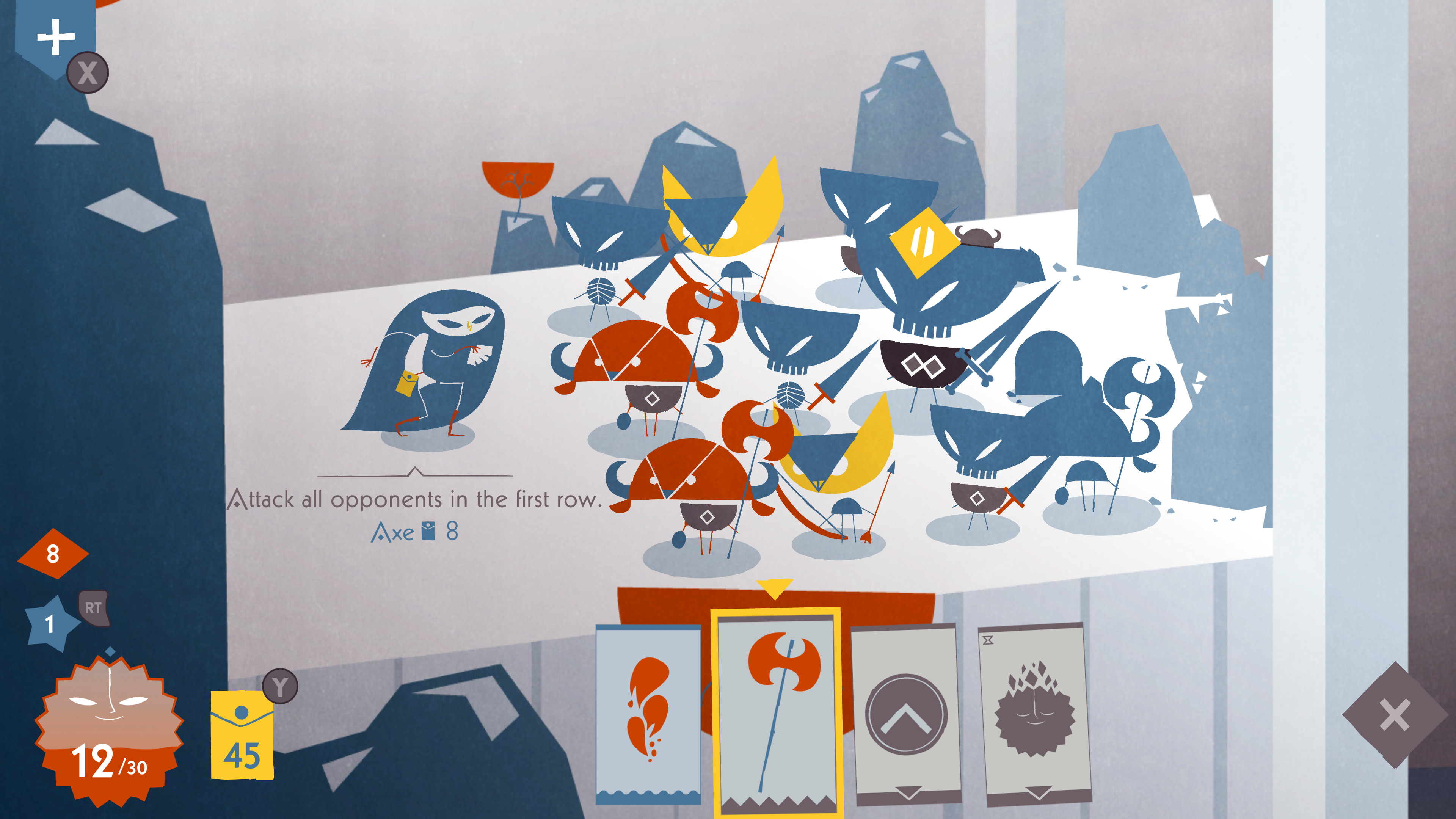
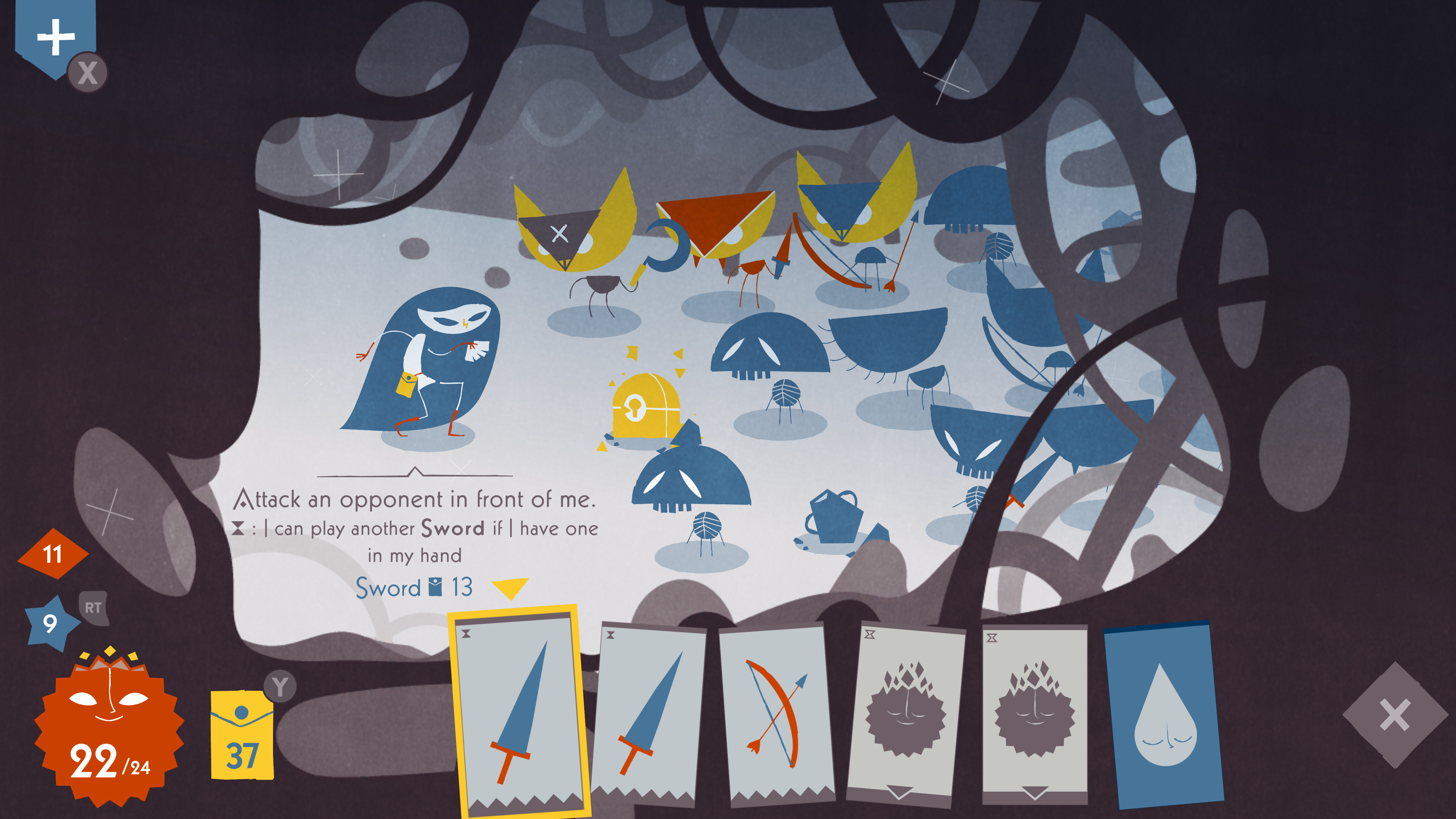
• Tactical fights: Encounters play like compact, elegant puzzles; positioning, timing, and resource economy are constantly in tension. Every card choice and move matters; on higher difficulties a single misstep can cascade into defeat, rewarding careful planning and pattern recognition rather than brute force.
• Card pool and choices: The roster is modest but thoughtfully varied, so runs emphasize on‑the‑fly synergies and opportunistic specializations. Rather than chasing a single optimal build, you learn to read the encounter ahead, pivot to temporary combos, and squeeze value from limited resources, flexible thinking is consistently rewarded.
• Customization: Between runs you shape Iris through persistent upgrades, memory fragments, and unlockable modifiers that genuinely alter playstyle. These meta choices open new strategic avenues, shifting you from defensive puzzle‑solver to aggressive combo artist or utility specialist, and make each subsequent attempt feel distinct and progressively richer.
Presentation and story
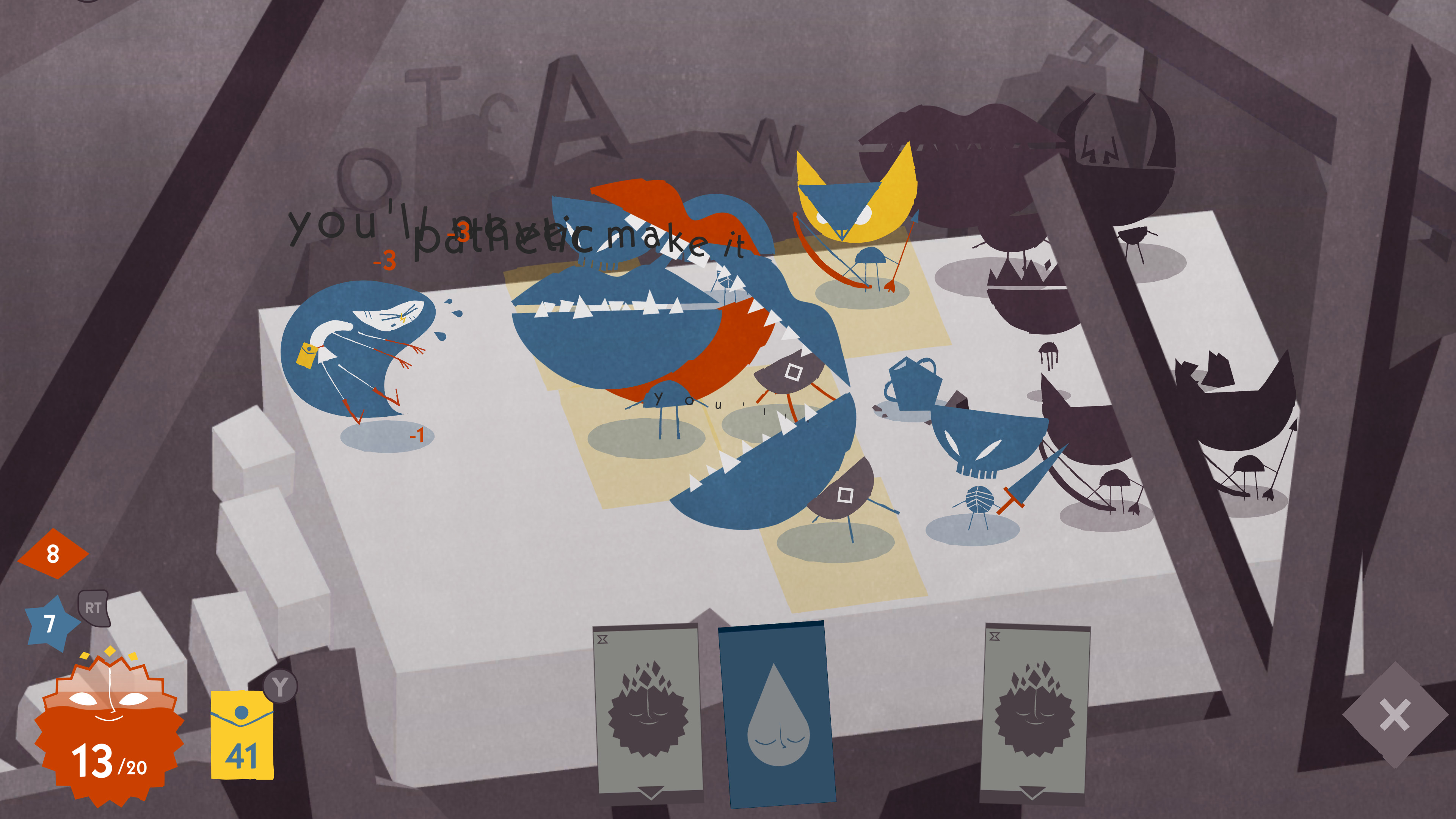
• Art and audio: Minimalist, hand‑painted visuals and a restrained, melancholic score work together to create an intimate, contemplative stage for the gameplay. The art’s spare lines and muted palette focus attention on mood and metaphor, while the soundtrack underscores tension and quiet moments without ever overwhelming the tableaus.
• Narrative integration: Memory fragments and brief narrative beats are woven directly into progression, turning mechanical gains into emotional revelations. Each unlocked memory reframes encounters and lends weight to otherwise abstract choices, so advancing your deck also feels like piecing together Iris’s past and healing her inner world.
• UI and readability: The interface is clean, legible, and purposefully uncluttered, information is prioritized so you can evaluate options quickly. Tooltips and iconography are concise, keeping the spotlight on tactical decisions rather than menu navigation, which helps the game maintain its tight, puzzle‑like rhythm.

Rough edges
• Difficulty curve: The game favors puzzle‑like precision, encounters reward pattern recognition and flawless execution. On higher settings, a single misstep can snowball, making runs feel punishing rather than challenging; players who prefer looser, high‑variance roguelikes may find the spike frustrating.
• Technical issues: A minority of players report intermittent crashes, input quirks, and occasional visual glitches. Many find controller input more reliable than keyboard play; checking community threads for recent fixes or recommended control schemes can help avoid interruptions.
• Replay limits: Encounters follow a fixed layout, which sharpens strategic planning but reduces procedural variety. That predictability turns runs into solvable puzzles; great for mastery, less appealing for players who want emergent, wildly different runs each playthrough.

Who will enjoy it
• Recommended for: Fans of tactical deckbuilders, roguelites with short runs, and players who value atmosphere and narrative alongside mechanical depth.
• Not ideal for: Those who want long, open‑ended deckbuilding campaigns or looser, high‑variance roguelikes.
Final Verdict
Iris and the Giant is a compact, elegantly crafted deckbuilder that treats every run like a small, meaningful puzzle. Its spare, hand‑painted visuals and melancholic score lift routine encounters into moments of quiet poignancy, while the consumable‑heavy card design and memory‑based progression reward careful planning and steady experimentation.
The result is a game that feels intimate and deliberate: short sessions compound into real growth, and mechanical wins carry emotional weight. A few technical hiccups and a sharp difficulty spike for perfectionists keep it from being universally accessible, but for players who value concise design, thoughtful pacing, and a resonant narrative, it’s a quietly brilliant hidden gem.
Watch and Wishlist
• Why wishlist: Get automatic sale and update notifications; follow developer posts and community guides; help signal demand for ports or updates.
• Platforms to track: Steam (primary); check GOG/key marketplaces for DRM‑free or discounted copies; watch Nintendo Switch/PlayStation/Xbox storefronts for console ports.
• How to stay informed: Follow the game’s Steam store page and Community Hub, follow the developer/publisher on social media, and use a price tracker or deal aggregator to catch discounts.
• Price perspective: Listed at $17.99 on Steam; frequent seasonal sales and bundle deals often drop the effective price substantially, wishlisting and waiting usually pays off.
Key Takeaways
• What it is: A compact, emotionally driven deckbuilder that blends CCG mechanics with RPG and roguelike structure.
• Core loop: Short, puzzle‑like runs where you fight tactical card battles, unlock cards and memories, and spend points on persistent upgrades.
• Combat focus: Encounters reward positioning, timing, and resource management, mistakes can be punishing at higher difficulties.
• Deck design: Consumable‑heavy card pool encourages on‑the‑fly synergies and flexible play rather than one permanent meta build.
• Progression: Memory fragments and persistent upgrades make each run feel meaningful and steadily expand your options.
• Presentation: Minimalist, hand‑painted art and a restrained, melancholic soundtrack create a strong emotional atmosphere that supports the narrative.
• Narrative payoff: Story beats and recovered memories are woven into progression, giving mechanical wins emotional weight.
• Technical caveats: Some players report occasional crashes and input quirks; controller play is often more stable.
• Replay profile: Fixed encounter layouts favor mastery and planning but reduce procedural variety for players who prefer emergent randomness.
• Who should play: Recommended for fans of tactical deckbuilders, short roguelite runs, and narrative‑driven indies; less suited to players seeking long, open‑ended deckbuilding campaigns.
Game Information:
Developer: Louis Rigaud
Publisher: Goblinz Publishing, Maple Whispering Limited, Mugen Creations
Platforms: Xbox (reviewed), PlayStation 4, PC
Release Date: March 2, 2023
Reviewed by: Alissa Worley
Reviewed on: January 16, 2026
Score: 8.0 / 10 👍
🎮 BioGamer Girl Review Verdict
⭐⭐⭐⭐⭐⭐⭐⭐☆☆
Iris and the Giant earns this score for its elegant fusion of deckbuilding, roguelike progression, and a quietly powerful narrative. The game’s minimalist, hand‑painted art and melancholic soundtrack lift tight, puzzle‑like combat into emotionally resonant moments, while memory‑based progression and consumable‑focused cards reward experimentation and mastery. It loses a few points for occasional technical hiccups, a steep difficulty spike for perfectionists, and limited procedural variety, but its design clarity and narrative payoff make it a standout in the genre.
“8.0 / 10 - A compact, poetic deckbuilder; challenging, intimate, and quietly memorable.”
