The Last Caretaker - Reawaken, scavenge, and rebuild the launch to shepherd humanity’s last seeds from a drowned world. (Early Access Review)

The Last Caretaker drops you into the shell of a reawakened machine with a single, urgent mandate: shepherd humanity’s last seeds from a drowned, rusting world into the safety of orbit. It marries survival‑crafting systems with quiet, character‑driven discovery; scavenge wreckage, engineer life‑support and launch systems, and fortify the fragile Lazarus Complex while unspooling human memories encoded in each seed.
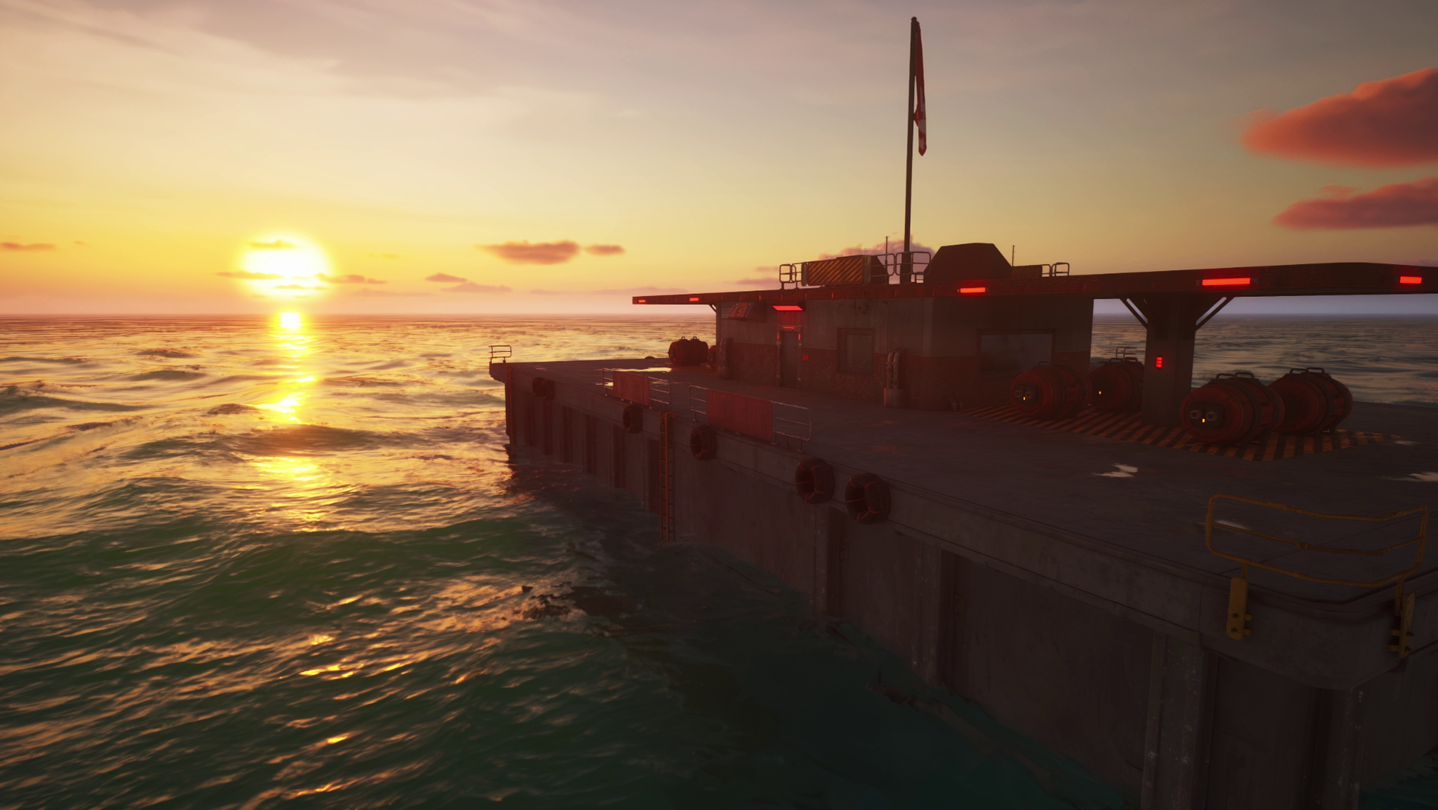
The game’s tableau; towering, corroded megastructures under a yawning sky and an endless, wind‑whipped ocean; feels both mournful and majestic, and every scavenging run carries narrative weight: your choices shape who survives and how their stories are remembered. From the first voyage the ambition is clear, promising a slow, thoughtful climb from improvised survival to the high‑stakes drama of relaunching humanity.
Core gameplay loop
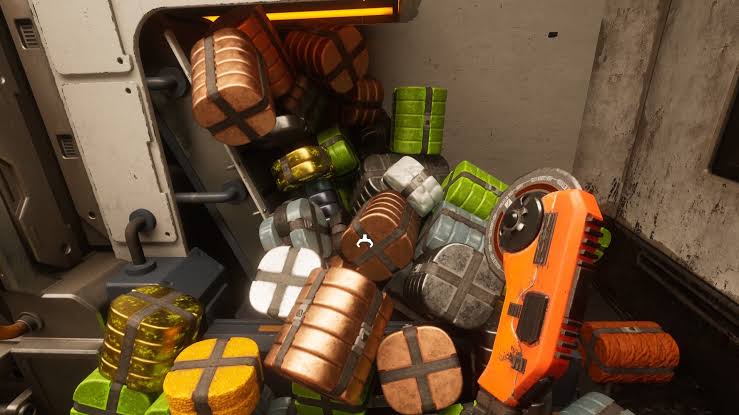
• Scavenge and craft: Roam a vast, salt‑scarred ocean to salvage wreckage, bio‑matter, and rare components, then convert those finds into tools, ship modules, and life‑support infrastructure. Resource management is a constant tension, every blueprint you commit to consumes parts that could have solved an immediate problem or enabled a future breakthrough, so crafting choices carry real tactical and narrative weight.
• Nurture and manage: The Lazarus Complex is both your workshop and your conscience. Tend human seeds by fine‑tuning incubation temperature, nutrient cycles, and memory‑data integration; upgrade biopods and deploy synthetic caretakers to speed development and reduce failure rates. Each successful revival unlocks emotional imprints and fragments of human history, turning mechanical maintenance into a slow, poignant reconstruction of lives lost.
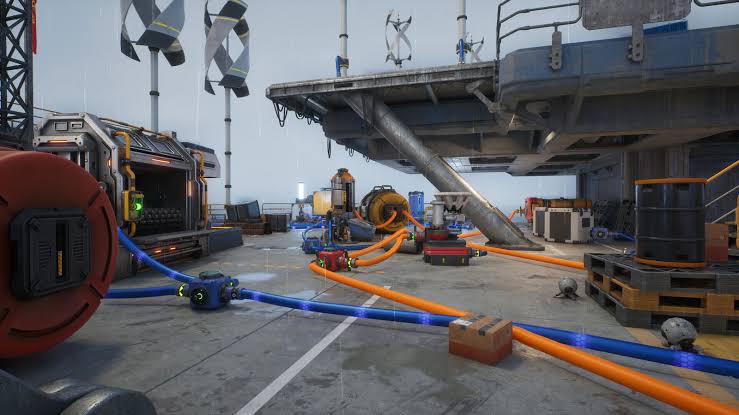
• Defend and adapt: Environmental hazards and hostile machines constantly test your designs. Build layered defenses; automated turrets, sensor nets, hardened hulls, and retrofit your mobile platform with countermeasures to survive storms, boarding attempts, and system breaches. Defensive planning is strategic: where you place redundancies, how you route power, and when you sacrifice mobility for fortification can decide whether a seed survives a siege.
• Launch and preserve: Restoring the MOSES launch infrastructure is the campaign’s long arc: recover launch codes, refine volatile fuels, and rebuild navigation AIs to shepherd reborn humans into orbit. Launches are high‑risk, high‑reward operations that synthesize your scavenging, engineering, and defensive work into a single, dramatic payoff, each successful ascent is a tangible, emotional vindication of your stewardship.
Strengths
• Compelling setting and tone: The drowned‑Earth backdrop and the premise of nurturing humanity from dormant seeds create a quietly mournful, contemplative mood. Environmental storytelling; rusted megastructures, salt‑scarred decks, and scattered memory fragments, turns routine scavenging into moments of discovery that feel emotionally weighty rather than purely mechanical.
• Satisfying progression loop: Scavenging, crafting, and upgrading form a clear, purposeful loop: every salvage run feeds tangible improvements to your ship and the Lazarus Complex. Watching a biopod advance from fragile embryo to viable human is a steady, rewarding payoff that ties short‑term survival choices to long‑term goals.
• Emotional discovery and narrative depth: Memory imprints and recovered human stories add real pathos to the systems gameplay. Each seed carries fragments of life; voices, images, and data, that gradually assemble into personal narratives, making resource runs feel like archaeological digs for lost lives rather than grindy fetch quests.
• Visual polish that sells the world: Environments, lighting, and models are thoughtfully realized and evocative, lending the game a cinematic quality even when mechanics are rough. Textures, weathered details, and set dressing consistently reinforce the game’s melancholic tone and help players stay immersed while awaiting further system polish.
Major issues and current limitations
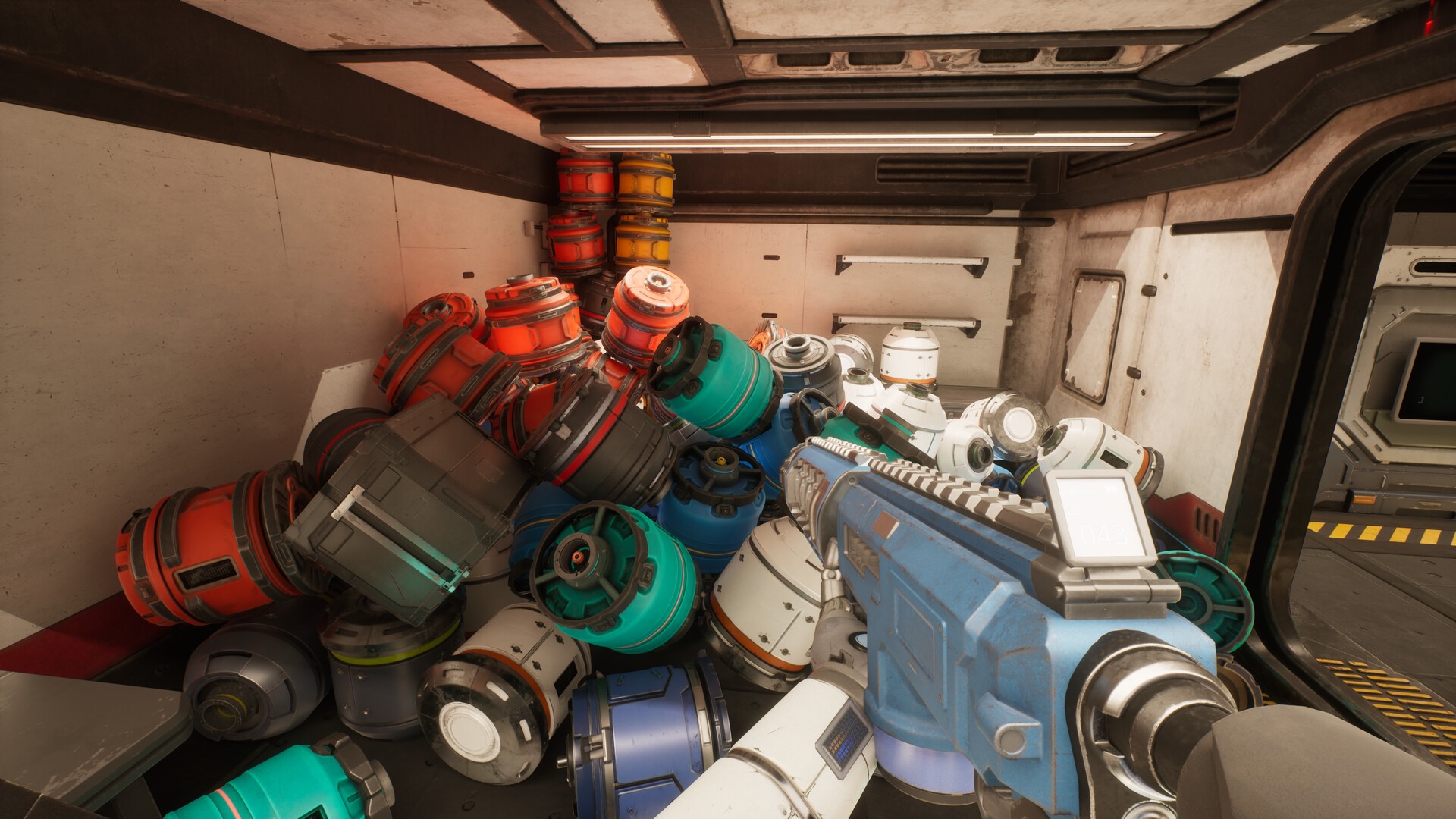
• Performance and stability: Severe frame‑rate drops and frequent crashes to desktop are common in the current early access build, even on high‑end hardware. These problems significantly undermine playability.
• Physics and collision bugs: Built items can clip, detach, or float free when docking, sometimes immobilizing your ship or forcing resource‑costly disassembly. Repeated save/load cycles to fix connector or power issues are a recurring frustration.
• Input and UI friction: Keybindings and interaction design are inconsistent, single buttons serving multiple non‑complementary actions (fire, grab, interact, cancel) lead to accidental inputs and interrupt flow during tense moments.
• Resource and progression clarity: Although resources feel scarce at first, scavenging loops can make them effectively renewable; promised narrative consequences and meaningful choice are not yet fully realized. The current content feels limited to roughly 25–30 hours before the endgame loop becomes repetitive.
• Save system and CTDs: Auto‑save exists but is infrequent; frequent crashes push players to spam manual save stations, breaking intended pacing and increasing frustration.
Who should play now and who should wait
• Play now if: You love early access exploration, enjoy building and systems design, and want to support a game with clear narrative ambition. If you can tolerate bugs and frequent troubleshooting, there’s a lot of creative crafting and emotional payoff to be found.
• Wait if: You expect a polished, stable experience out of the box. Performance issues, physics glitches, and UI friction currently make the game hard to recommend at full price for players who prefer a finished product.
Final Verdict
The Last Caretaker delivers a striking premise and recurring moments of genuine reward; tending fragile human seeds, rebuilding launch infrastructure, and unearthing fractured memories all land with emotional weight and mechanical satisfaction. The core ideas are strong: the game turns scavenging into storytelling, and successful launches feel like meaningful, earned victories.
That promise is currently muted by technical and design shortcomings. Performance instability, physics and collision bugs, and awkward input mappings interrupt flow and make long play sessions frustrating; the content on offer also feels limited compared with the scope the concept implies. With targeted fixes to stability, clearer interaction design, and a broader late‑game roadmap, this could become a standout survival‑crafting experience. For now, it’s worth watching closely, players who enjoy early access experimentation will find a lot to love, while those seeking a polished, complete release should wait for further patches and content expansions.
Watch and Wishlist
• Why wishlist: Receive alerts for major patches, stability fixes, content updates, and sales; wishlisting helps you catch improvements and community mods as the Early Access build evolves.
• Platforms to track: PC (Steam) as the primary storefront; also watch Epic Games Store and mod hubs/Workshop for community content and potential future ports.
• How to stay informed: Follow the game’s Steam page and developer Channel37 posts, join the official Discord, check the community wiki and mod hubs, and monitor developer social channels for patch notes and roadmap updates.
• Price perspective: $34.99, mid‑range Early Access price; consider waiting for a major stability/content patch or a seasonal sale if you prefer a more polished experience.
Key Takeaways
• What it is: A thoughtful survival‑crafting sim where you play a reawakened machine tasked with salvaging a drowned Earth, nurturing human seeds in the Lazarus Complex, and rebuilding launch systems to send humanity to the stars.
• Core loop: Scavenge wreckage across a vast ocean, craft ship modules and life‑support systems, tend incubation and memory integration, defend your sanctuary, and prepare high‑stakes launches, each run ties short‑term survival to long‑term revival goals.
• Emotional and narrative hooks: Memory imprints and recovered human stories turn mechanical tasks into meaningful discoveries; reviving a seed or completing a launch delivers genuine emotional payoff.
• Systems and progression: Deep crafting, power routing, and modular ship/complex upgrades reward planning and experimentation; biopod upgrades and synthetic caretakers add strategic depth to seed management.
• Current shortcomings: Early Access build suffers from performance drops, frequent crashes, physics/collision glitches, and awkward input/UI mappings; content feels limited to ~25–30 hours before the late‑game loop becomes repetitive.
• Who should play: Try it now if you enjoy early access development, systems‑driven survival, and narrative discovery; wait if you want a polished, stable experience; watch for stability patches, physics fixes, and expanded late‑game content.
Game Information:
Developer & Publisher: Channel37 Ltd
Platforms: PC (reviewed)
Release Date: November 6, 2025
Score: 8.5 / 10
The Last Caretaker earns this score for its powerful premise, emotionally resonant seed‑management systems, and satisfying crafting loop that turns scavenging into meaningful progress. The game’s worldbuilding and launch‑focused goals deliver memorable highs, but the Early Access build is held back by performance instability, physics and UI friction, and a need for broader late‑game content; issues that, once addressed, could push this into must‑play territory.
“8.5 / 10 - A thoughtful, ambitious survival‑crafting experience with real emotional payoff: promising now, and poised to be great after polish.”