Tin Can - Keep the pod alive: read the codes, swap the fuses, and improvise under cosmic pressure. (Game Review)
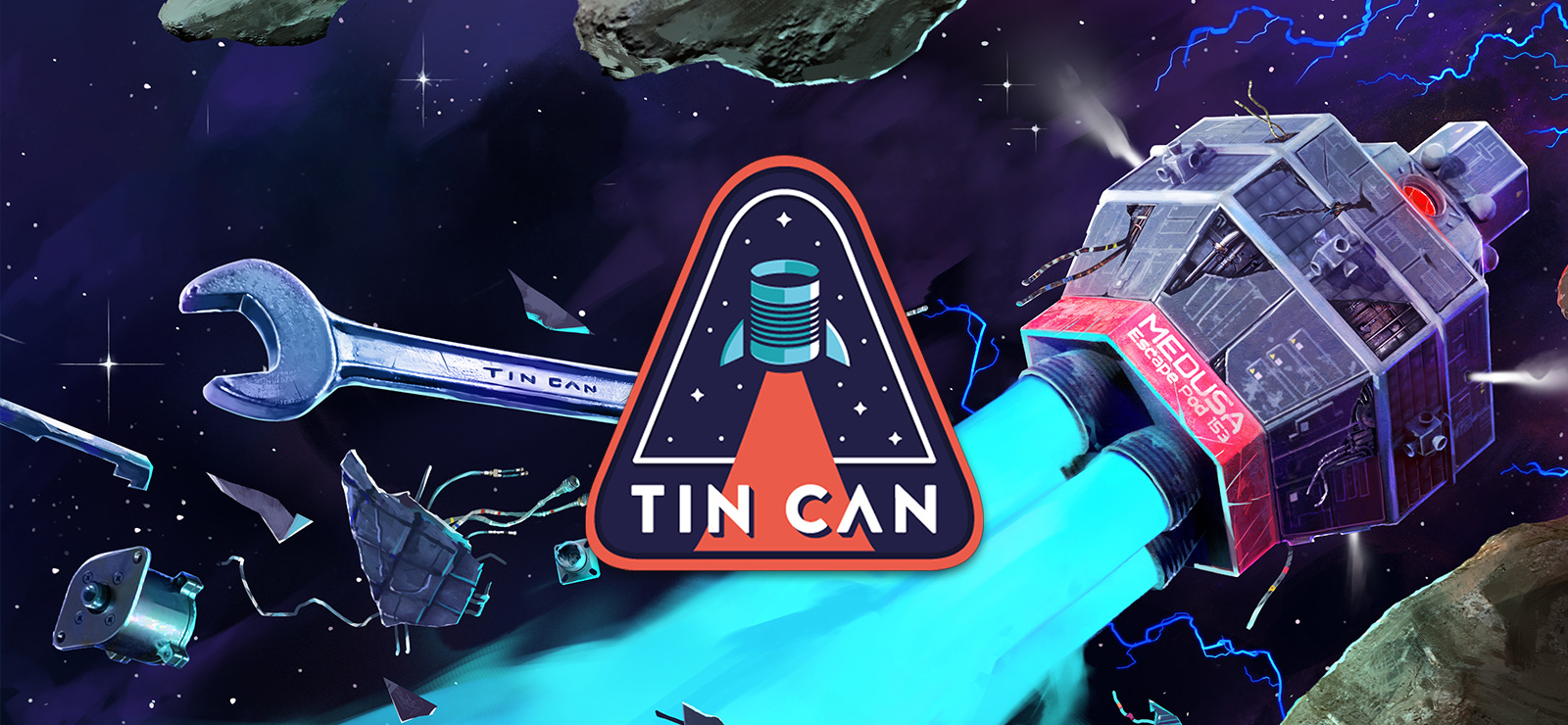
Tin Can is a lean, high‑tension survival sim that throws you into a battered escape pod and forces you to keep a fragile life‑support network alive amid relentless cosmic threats. The gameplay is pure systems triage: you’ll decode cryptic error codes, strip modules for spare fuses and processors, reroute power through fragile connectors, and jury‑rig repairs while alarms and physiological symptoms close in.
It’s a tactile, hands‑on experience; part engineering puzzle, part panic room, where the satisfaction comes from tracing failures back to a single faulty component and improvising under pressure. Players who enjoy methodical problem solving, checklist‑driven workflows, and the adrenaline of last‑minute fixes will find it deeply rewarding; those seeking wide exploration, long‑term progression, or constantly shifting emergent content may find the loop grows narrow once the systems are mastered.
Core loop
• Immediate goal: Keep vital systems online through a cadence of timed events and unpredictable failures; stave off hypoxia, overheating, pressure loss, and radiation long enough to survive the next crisis.
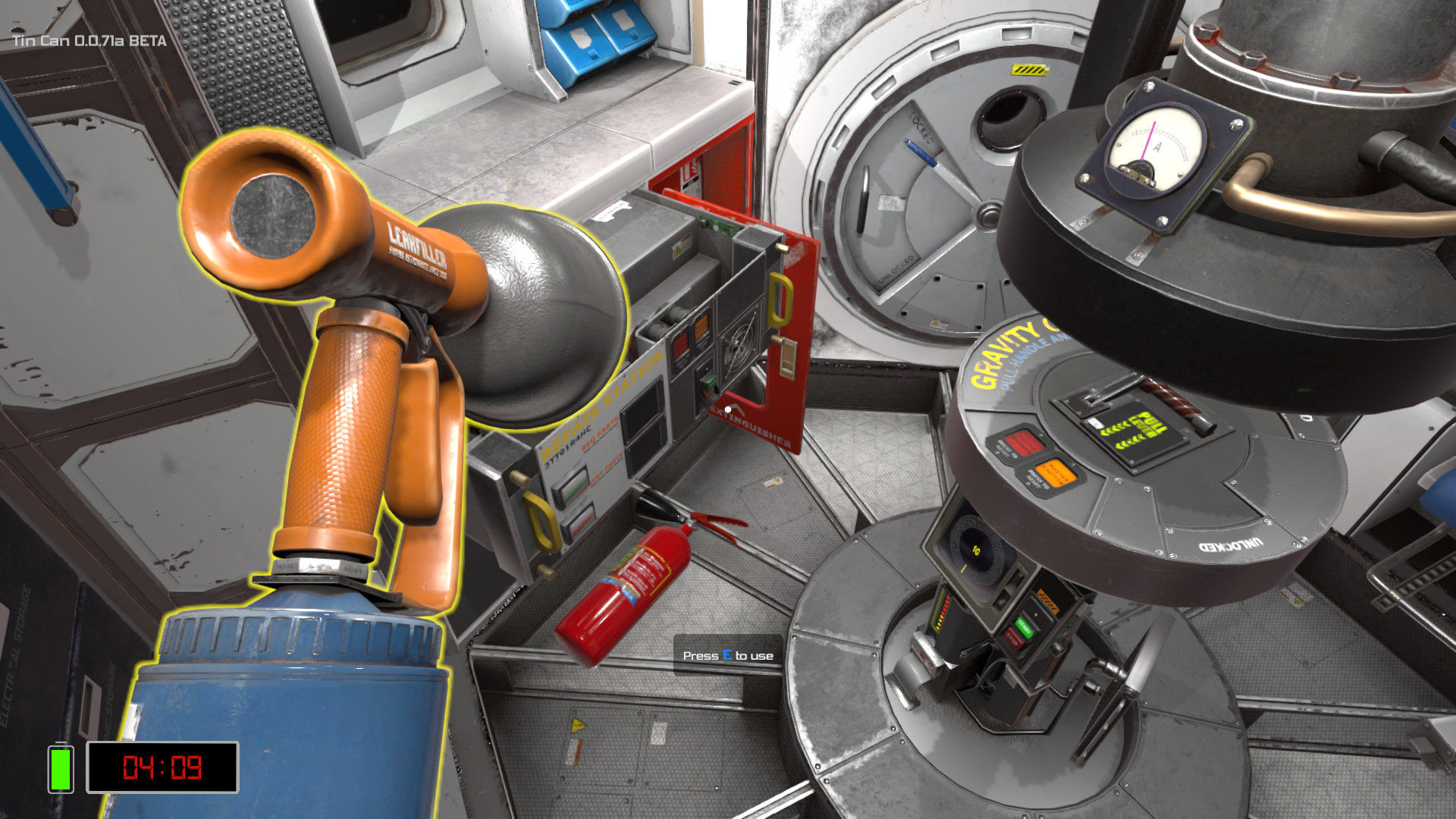
• Primary actions: Pry open modules, cannibalize parts, swap faulty components, and convert scrap into replacements; use diagnostic readouts and the onboard manual to decode cryptic error codes and trace faults back to their source.
• Play modes: Rescue - Survive a fixed duration against scripted threats.
• Challenge: Tackle runs with special rules or handicaps that force new strategies.
• Ranked: Endurance mode where longevity and efficiency climb leaderboards.
• Pacing and rhythm: Sessions are compact, typically 30–60 minutes, alternating between frantic, high‑pressure triage during events and slower, methodical repair and optimization between them; the loop rewards quick diagnosis, smart prioritization, and tidy inventory management.
Systems and simulation
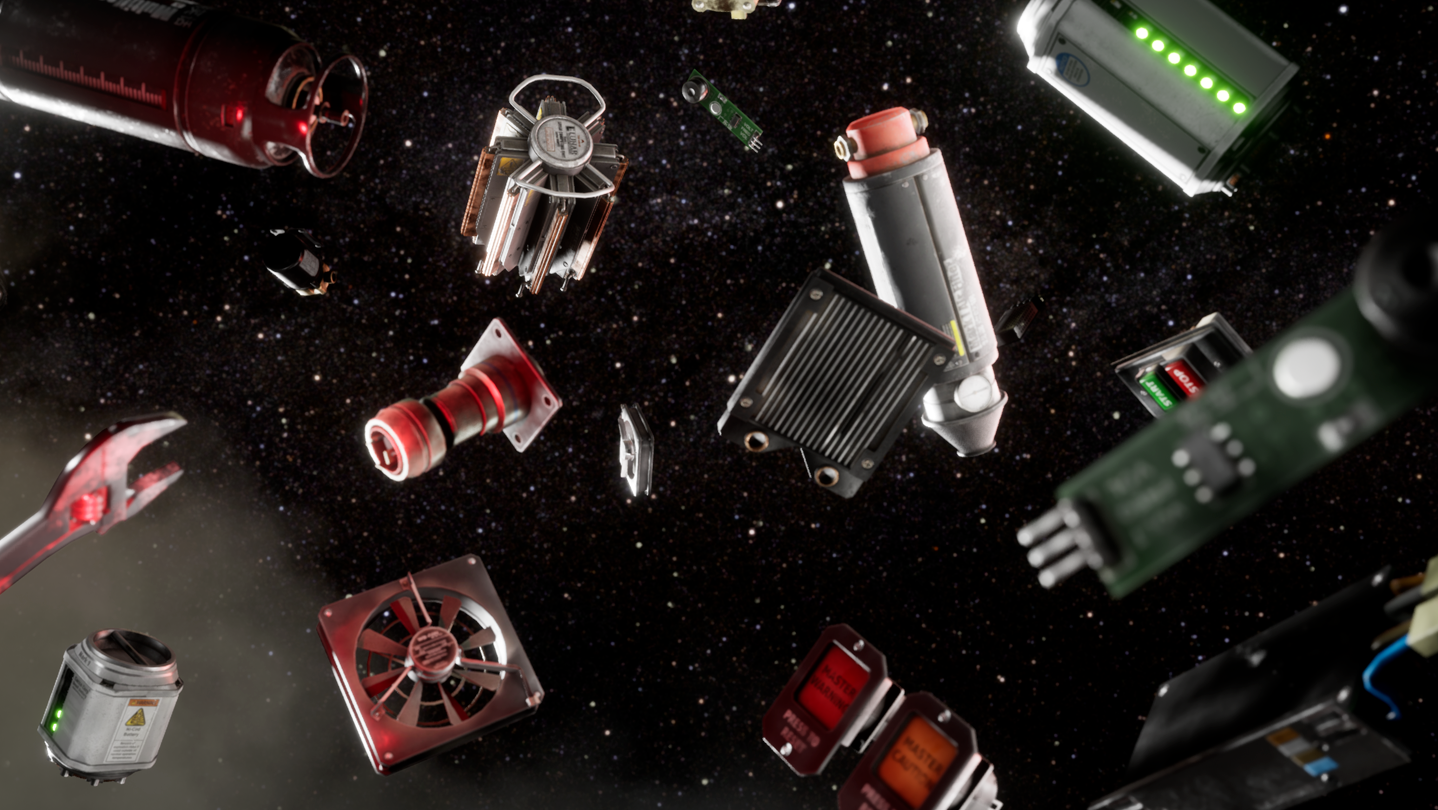
• Component‑level fidelity: Modules are built from dozens of discrete parts; fuses, processors, connectors, filters, valves, and more, each with its own failure signature. Symptoms rarely point to the whole; you’ll trace cascading faults, isolate the damaged piece, and decide whether to repair, swap, or cannibalize. The result is satisfying, detective‑style troubleshooting rather than abstract “fix the meter” gameplay.
• Realistic vitals: There are no hit points, your body is the readout. Hypoxia speeds your breathing and blurs your vision, CO₂ buildup makes you sluggish, and overheating or radiation produce distinct, escalating symptoms that change how you play. These physiological cues force triage: prioritize life‑support over convenience, and weigh risky repairs against the immediate danger to your character.
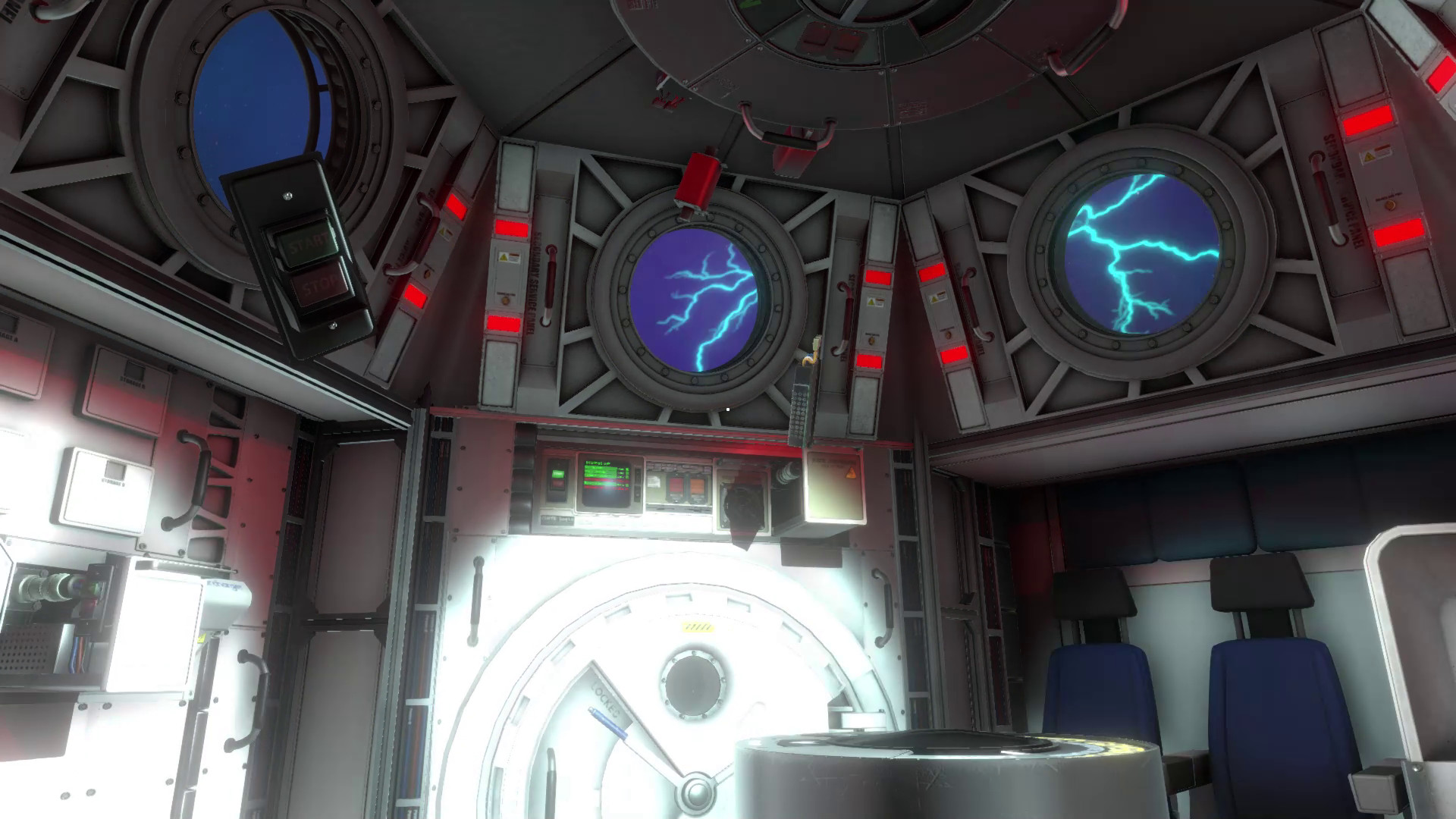
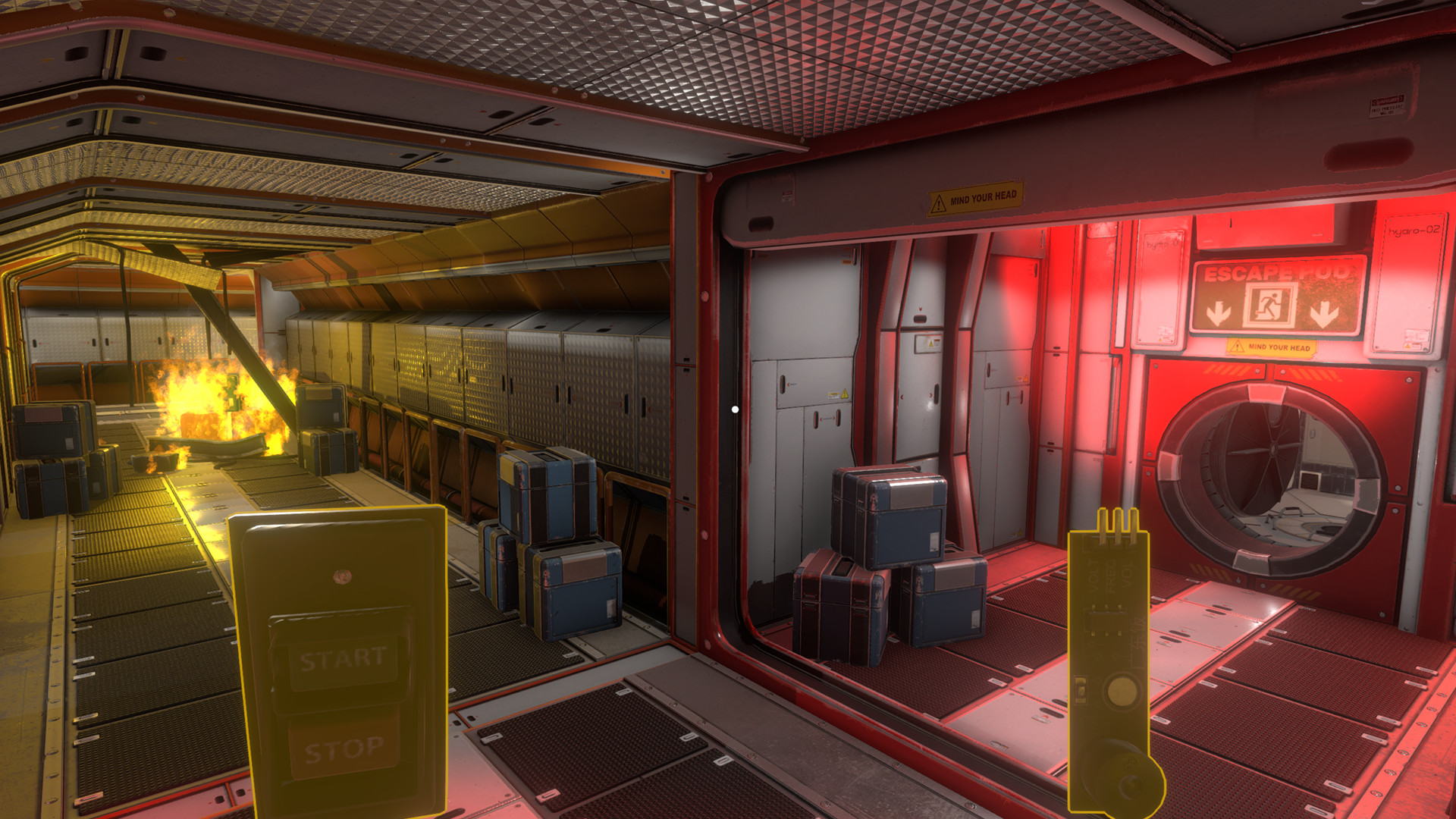
• Environmental threats: Cosmic hazards aren’t just flavor text. Asteroid impacts can puncture the hull and sever circuits, ice nebulae sap generator efficiency, and close passes by stars spike temperature and radiation. Each event damages different systems and requires tailored responses; patch hull breaches, reroute power, or shut down vulnerable modules, so you can’t solve everything with the same checklist.
• Manual and diagnostics: The onboard manual is more than a tutorial; it’s your lifeline. Diagnostic codes, wiring diagrams, and component specs live in the book, making reading and cross‑referencing an active part of survival. Learning to interpret cryptic error codes and correlate them with sensor readouts turns the manual into a tool for mastery rather than a passive reference.
Presentation and tone
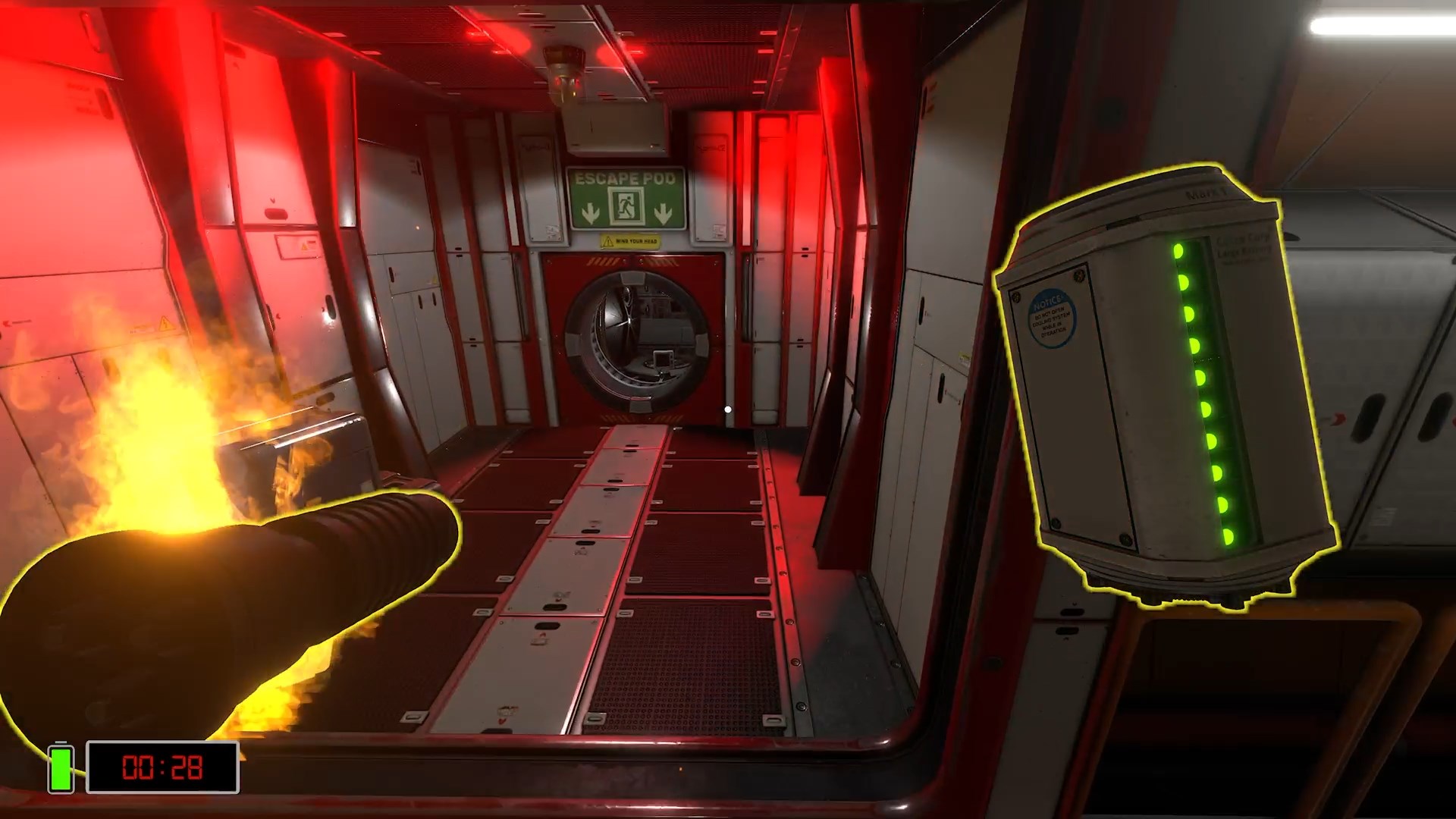
• Austere aesthetic: The UI and visuals are deliberately utilitarian; clean readouts, stark panels, and muted colors keep attention on circuitry and status lights rather than spectacle. The cramped pod interiors and exposed wiring sell the feeling of being a lone technician in a failing machine, turning every panel into a potential crisis and every tool into a lifeline.
• Audio cues: Sound is a primary instrument of feedback; your heartbeat, ragged breathing, and layered alarms convey physiological state and urgency when the screen goes dark. Subtle mechanical noises (clicking relays, whining fans, sparking arcs) and spatial audio cues help you locate failing modules without relying solely on text, making silence as meaningful as noise.
• Design intent: Tin Can aims for a realistic, high‑stress simulation where calm analysis and improvisation beat brute force. The game is part engineering puzzle, part panic room: it rewards methodical diagnosis, tidy inventory management, and the ability to prioritize under pressure, while intentionally keeping the player on edge so every decision feels consequential.
Strengths
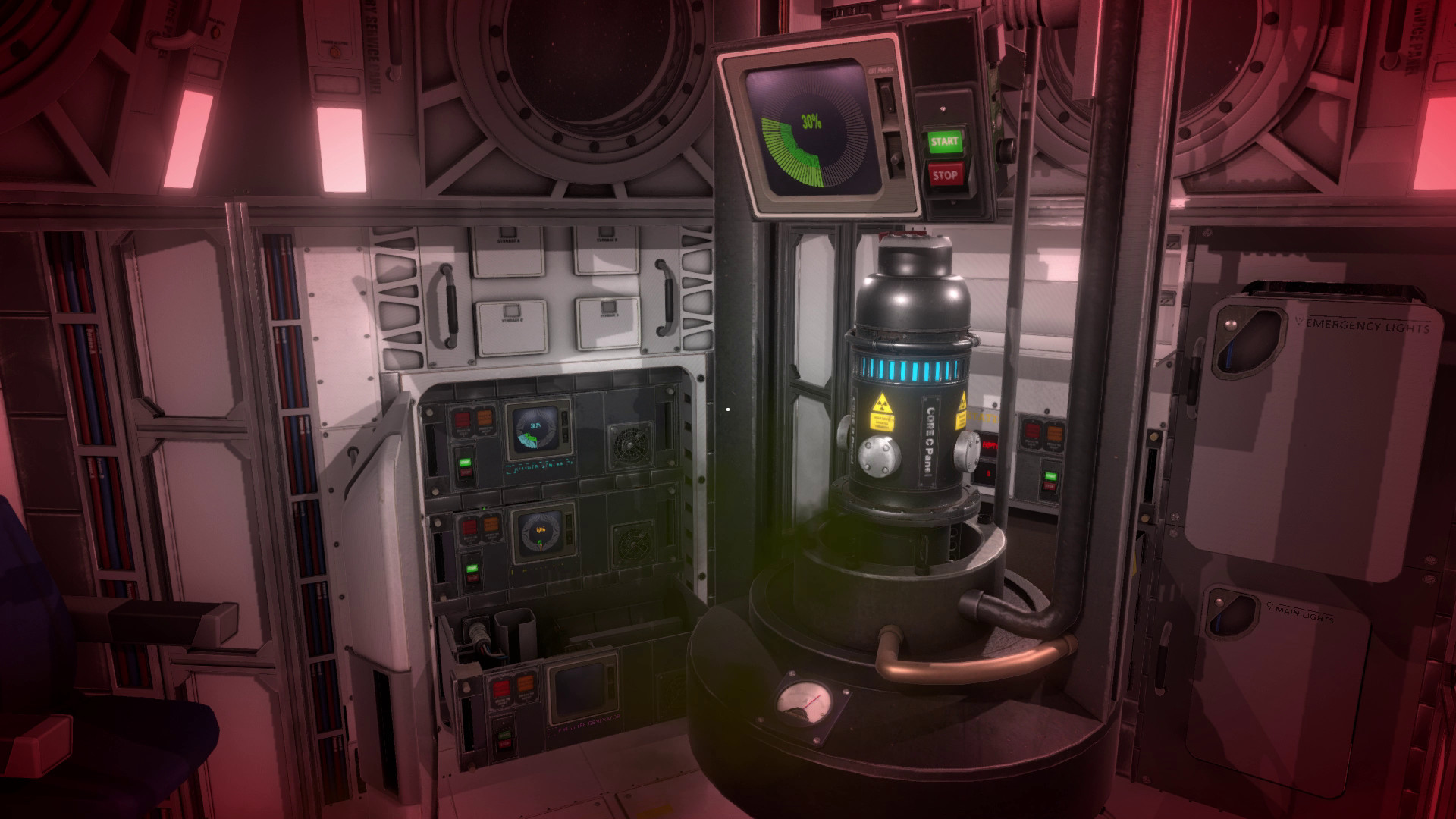
• Deep, believable systems: The interlocking components and organic failure chains create satisfying diagnostic puzzles.
• Tactile repair gameplay: Dismantling, swapping, and repurposing parts feels rewarding and logical, like fixing a real machine.
• Immersive simulation: Realistic resource simulation and medical symptoms add weight to decisions and make survival feel earned.
• Rescue mode twist: Scavenging before some runs adds variety and forces early prioritization, which is a smart design touch.
Weaknesses
• Polish and documentation: The manual can be incomplete or unclear; missing error codes and a lack of clear diagrams frustrate players who expect better in‑game reference.
• Underused systems: Some mechanics and events have narrow use cases, making certain systems feel like window dressing rather than meaningful tools.
• UI and UX roughness: Default fonts, cramped menus, and awkward button placement (e.g., restart next to resume) give an unfinished impression and can lead to accidental restarts.
• Replay ceiling: Once you learn the fixed event patterns and optimal responses, runs can feel repetitive; the game’s depth is concentrated in mastering systems rather than discovering new content.
Who should play
• Recommended for: Players who enjoy technical sims, puzzle‑style triage, and high‑stress problem solving; fans of short, intense survival sessions.
• Not ideal for: Players seeking exploration, long narrative arcs, or highly varied procedural content; those who dislike fiddly UIs or incomplete documentation.
Final Verdict
Tin Can is a lean, mechanically ambitious survival sim that convincingly casts you as a lone technician wrestling a failing escape pod. Its component‑level simulation and physiological feedback turn every alarm into a puzzle and every repair into a small victory, while Rescue mode’s pre‑run scavenging injects smart variety into the loop. The experience is at its best when you’re tracing cascading faults, jury‑rigging parts, and watching a fragile system snap back to life.
That intimacy comes with trade‑offs: the manual can feel incomplete, the UI and presentation show rough edges, and the long‑term loop offers limited novelty once core systems are mastered. Still, for players who enjoy tense, tactile problem solving and the adrenaline of last‑minute fixes, Tin Can is a compact, rewarding exercise in systems thinking.
Watch and Wishlist
• Why wishlist: Get sale and update alerts; receive patch notes and community tips; signal demand for ports, fixes, or DLC.
• Platforms to track: PC (Steam, GOG, Epic) for patches and storefront sales; Nintendo Switch, PlayStation, Xbox for console port announcements and discounts.
• How to stay informed: Wishlist and follow the Steam/GOG pages; join the developer’s Discord and follow their social accounts for hotfixes and event notes; use price‑tracking sites or deal aggregators for sales.
• Price perspective: $19.99 current listing; frequent seasonal sales and bundles mean waiting for a discount usually yields much better value.
Key Takeaways
• What it is: A tense, component‑level survival sim that casts you as a lone technician trying to keep an escape pod alive.
• Core loop: Diagnose failures, cannibalize and swap parts, and manage realistic O₂/CO₂/pressure/temperature systems through timed events.
• Hands‑on systems: Modules break into dozens of discrete components (fuses, processors, connectors, filters) with distinct failure modes, troubleshooting feels like engineering detective work.
• Physiological feedback: No abstract health bars; hypoxia, blurred vision, slowed movement, and other symptoms communicate danger and force triage decisions.
• Event variety: Asteroids, nebulae, and stellar proximity produce different kinds of damage that require tailored responses rather than one universal fix.
• Manual as gameplay: The onboard manual and diagnostic codes are central tools; reading and cross‑referencing are part of survival, not optional extras.
• Pacing: Compact sessions (typically 30–60 minutes) alternate frantic triage during events with methodical repairs between them.
• Modes and replay: Rescue, Challenge, and Ranked modes offer different goals, but the long‑term loop can feel limited once systems are mastered.
• Polish caveats: Documentation gaps, UI roughness, and occasional UX annoyances detract from immersion for some players.
• Who it’s for: Recommended for players who love technical problem solving, tense checklist‑driven gameplay, and tactile systems thinking; less suited to those seeking broad exploration or emergent, long‑running progression.
Game Information:
Developer & Publisher: Tin Can Studio
Platforms: Xbox (reviewed), PlayStation 4, PlayStation 5, PC
Release Date: April 27, 2023
Reviewed by: Mandy Valentine
Reviewed on: January 16, 2026
Score: 7.5 / 10 👍
🎮 BioGamer Girl Review Verdict
⭐⭐⭐⭐⭐⭐⭐½☆☆
Tin Can earns this score for its compelling, component‑level simulation and tense, tactile gameplay that make every repair feel meaningful. The game shines when you’re diagnosing cascading failures and improvising under pressure, but documentation gaps, rough UI polish, and a limited long‑term loop keep it from reaching higher, for players who enjoy systems thinking and high‑stress problem solving, it’s a rewarding, memorable experience.
“7.5 / 10 - A rewarding, nerve‑wracking sim for players who love fixing things under pressure: brilliant in concept, a little rough at the edges.”
