Undivine - Descend as the Traveler: tight platforming, modular builds, and slow‑burn lore in a compact, haunting metroidvania. (Game Review)

Undivine is a brooding, solo‑crafted metroidvania that tightens platforming precision with light RPG depth. As the Traveler you descend into a yawning chasm beneath a fearful village, peeling back layers of a ruined realm filled with relics, NPCs, and hidden lore; exploration feels deliberate, each new ability reframing how you move and fight.
Combat is snappy and combo‑friendly, with Relics and gear that meaningfully alter playstyles, while the talent system lets you specialize in alchemy, demonology, cartography, and more. Its compact, focused design rewards curiosity and experimentation; perfect for players who favor discovery, modular builds, and atmospheric worldbuilding.
Setting and Premise
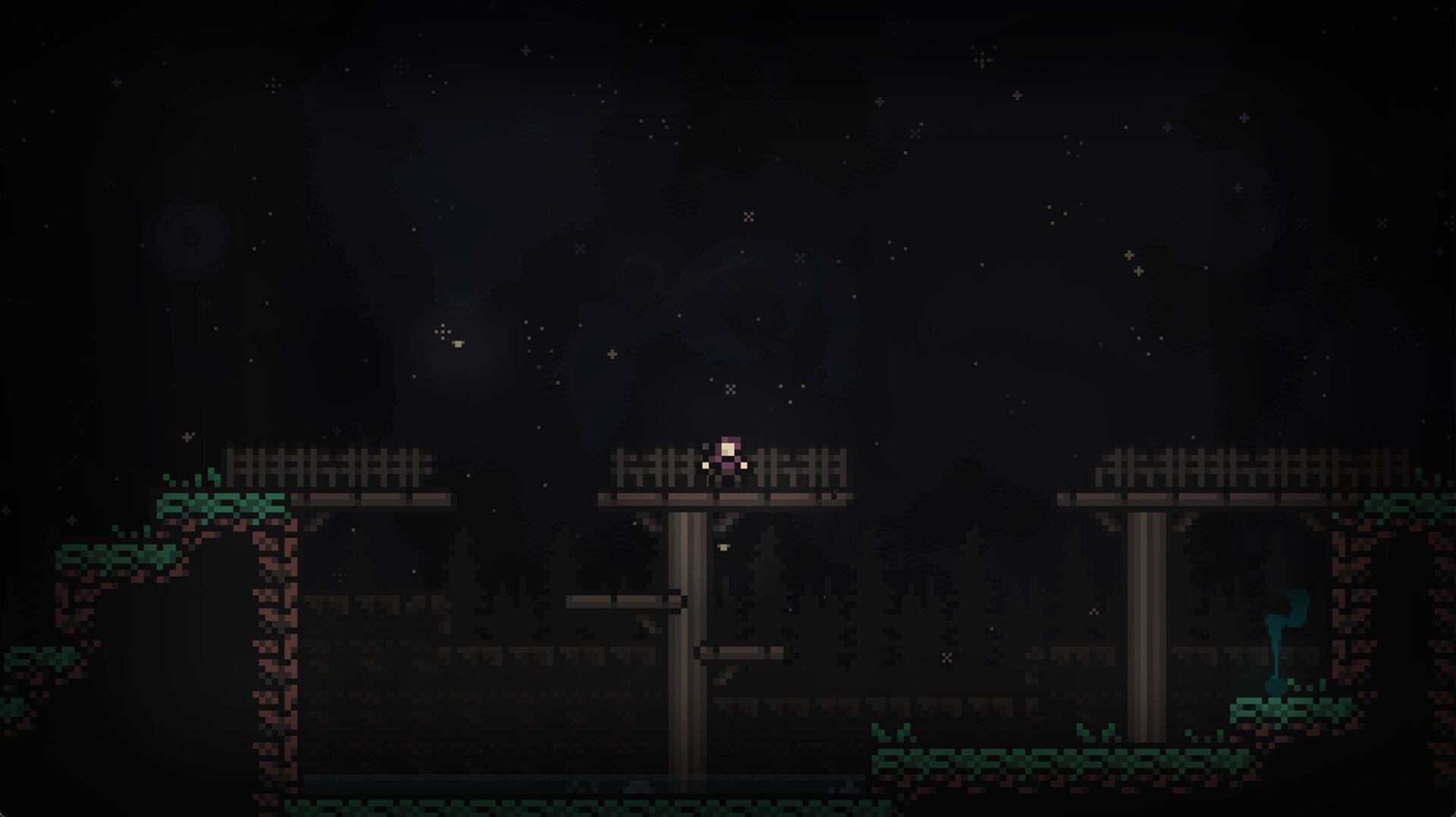
The game begins at the edge of a desolate village, its streets scarred by a yawning chasm that swallowed whole families and left the survivors hollowed by fear. When you descend, the abyss unfolds into a tightly woven, interconnected realm of crumbling halls, secret grottos, and occult architecture, each corridor feels like a page torn from a forgotten myth.
Environmental storytelling is everywhere: scattered relics, half‑decoded fragments, and tucked‑away notes turn exploration into slow revelation rather than rote scavenging. A moody, restrained soundtrack and minimalist pixel art prioritize mood and silhouette over spectacle, so every shadowed alcove and ruined spire carries emotional weight and invites closer inspection.
Gameplay Systems
• Exploration: Classic metroidvania structure with modern polish, begin with only a jump and sword, then discover relics that unlock new traversal tools and combat options. The world is non‑linear and layered, rewarding curiosity: previously impassable routes open into shortcuts, secret chambers, and narrative fragments once you acquire the right ability.
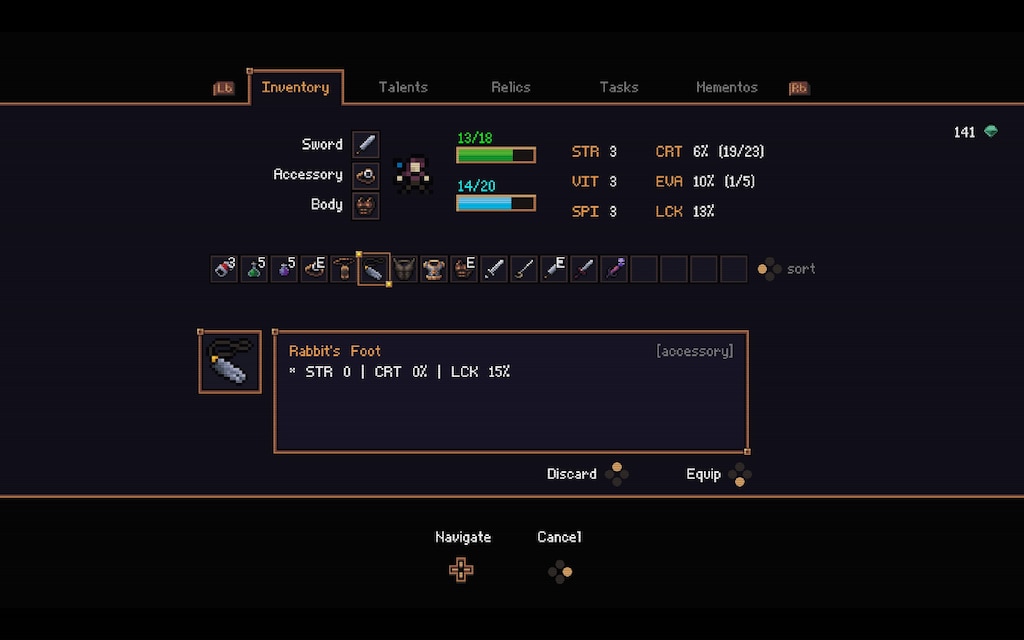
• Combat: Fast, combo‑driven swordplay enhanced by Relics and accessories that fundamentally alter encounters. Relics enable burst damage, crowd control, mobility tricks, and defensive escapes, so fights become about timing, positioning, and creative tool use rather than button‑mashing. Encounters scale from skirmishes to multi‑stage boss duels that test your chosen loadout.
• Progression: A flexible talent web lets you invest in alchemy, demonology, cartography, dexterity, and more, shaping both combat and exploration. Builds are meaningful and modular, many talents are optional, encouraging experimentation and multiple viable routes to the end rather than a single optimal path.
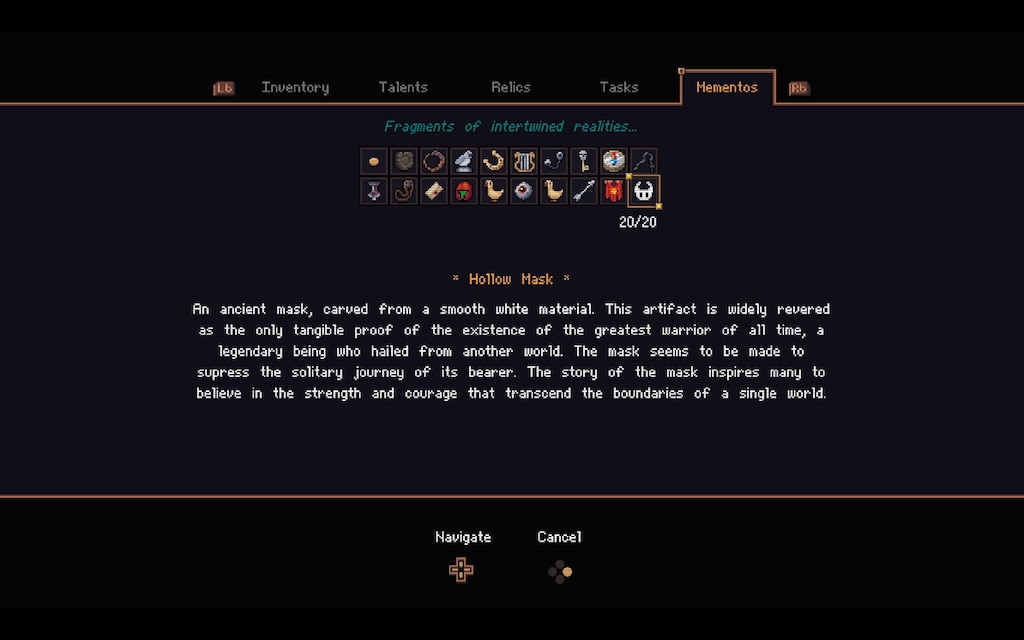
• Content: Dense with optional systems; side quests that expand lore, 30 unique collectibles that reveal worldbuilding and developer nods, memorable NPC interactions, and optional bosses that offer mechanical and narrative payoffs. Completionists will find plenty to chase, while casual players can focus on the main arc without missing core experiences.
Strengths
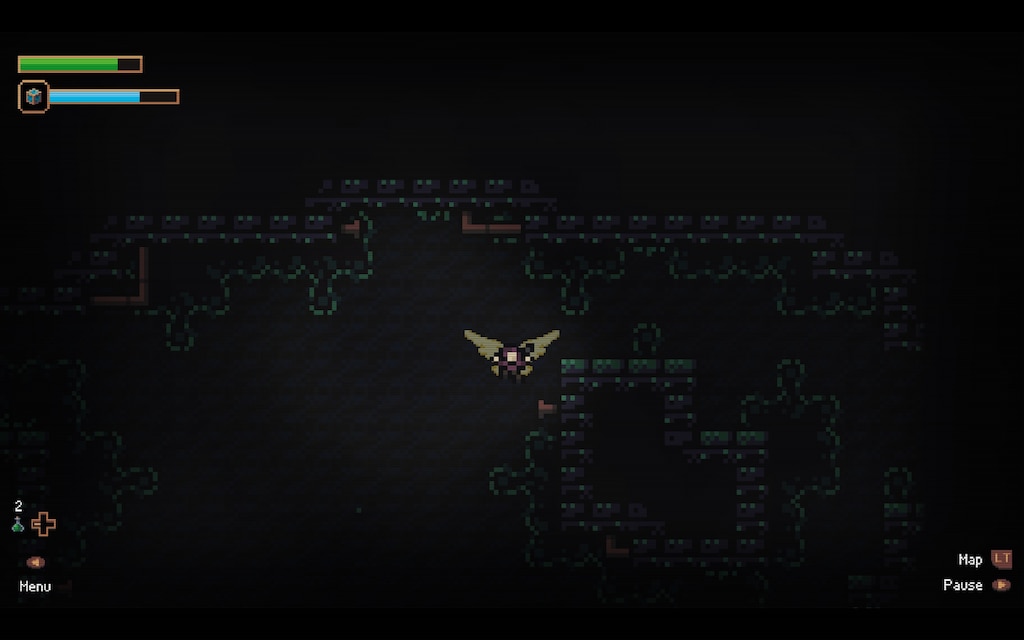
• Exploration rewards: The map conceals cleverly placed secrets and collectibles that feel earned, each discovery deepens the world’s lore, unlocks meaningful upgrades, or opens new traversal shortcuts, turning thorough exploration into a steady stream of satisfying payoffs.
• Relic variety: Relics don’t just add numbers; they reshape encounters and movement. From mobility‑changing artifacts to combo‑enabling powers and defensive utilities, relics let you craft distinct, repeatable playstyles that keep combat and traversal fresh.
• Atmosphere and music: Minimalist pixel art and a carefully composed soundtrack work in tandem to build a haunting, immersive tone. Visual silhouettes, restrained color palettes, and evocative music elevate routine exploration into moments of genuine mood and discovery.
• Solo developer polish: For a one‑person project, the game’s level design, narrative touches, and pacing feel remarkably refined; small, deliberate design choices and tight writing reveal a clear creative vision and a high degree of craft.
Weaknesses
• Combat clarity and telegraphing: Some enemies lack clear windups or telegraphed attacks, which can make encounters feel unfair or reduce combat to hit‑and‑run tactics rather than skillful reads.
• Map and navigation friction: The in‑game map and limited marker tools make backtracking tedious for some players, especially when revisiting areas for sidequests or collectibles.
• Length and difficulty curve: A typical playthrough runs short, roughly 5–7 hours for veterans, and combat can feel underwhelming by midgame as player power outpaces enemy challenge.
• Bugs and polish: Reports of occasional bugs and the need for quick fixes suggest the game benefits from post‑launch patches; some players experienced issues that interrupted flow.
Final Verdict
Undivine is a compact, carefully crafted metroidvania that punches well above its weight: its brooding atmosphere, evocative soundtrack, and smart relic design turn each corridor into a discovery and every relic into a meaningful choice. Worldbuilding is layered and rewarding, and the talent and relic systems let you sculpt distinct playstyles that keep traversal and combat feeling fresh.
That said, combat clarity and map tools sometimes blunt the game’s momentum, and the relatively short runtime limits its long‑term resonance. For fans of indie metroidvanias who prize mood, exploration, and modular progression, Undivine is a compelling, memorable experience, and a striking example of what a dedicated solo developer can achieve. Players who want deeper combat nuance or a longer campaign should consider waiting for future updates or expansions.
Watch and Wishlist
• Why wishlist: Receive automatic alerts for patches, bugfixes, new content, and sales; wishlisting also surfaces community activity and demo or bundle announcements.
• Platforms to track: Steam (primary) for updates and community hubs; monitor storefront trackers and key marketplaces for discounts.
• How to stay informed: Follow the game’s Steam page and changelogs, join the community discussions or any official Discord, and follow the developer/publisher on social channels for patch notes and hotfixes.
• Price perspective: $8.99, a low entry price with frequent small discounts; consider waiting for a seasonal sale or a post‑launch patch if you prefer a more polished experience.
Key Takeaways
• What it is: A compact, solo‑crafted metroidvania that blends precise platforming with light RPG systems; relics, talents, and modular builds drive both combat and traversal.
• Core loop: Explore a tightly interconnected map, unlock relics that reshape movement and fights, complete side quests and collectibles, and use talents to specialize your playstyle.
• Standout strengths: Strong atmosphere and music, clever relic design that meaningfully changes gameplay, and rewarding exploration that uncovers lore and shortcuts.
• Primary weaknesses: Combat can lack clear telegraphs and enemy windups, the in‑game map and marker tools make backtracking tedious at times, and the overall runtime is relatively short.
• Who will enjoy it: Fans of indie metroidvanias who value mood, discovery, and build variety; players who appreciate solo‑developer craft and are tolerant of a few rough edges.
• Who might wait: Players seeking deeper combat nuance, more robust navigation tools, or a longer campaign should watch for post‑launch updates and quality‑of‑life patches.
Game Information:
Developer: Wendeoo
Publisher: Deadpix Studios
Platforms: Xbox (reviewed), PlayStation 4, PlayStation 5, Nintendo Switch, PC
Release Date: May 8, 2025
Reviewed by: Alissa Worley
Reviewed on: January 18, 2026
Score: 6.5 / 10 👍
⭐⭐⭐⭐⭐⭐½☆☆☆
🎮 BioGamer Girl Review Verdict
Undivine earns this score for its evocative atmosphere, smart relic design, and rewarding exploration loop, clear strengths that showcase a talented solo developer. It loses points for combat clarity, map/navigation friction, and a short runtime that limits long‑term engagement. With targeted combat polish and improved map tools, this could easily climb higher.
“6.5 / 10 - A moody, discovery‑driven metroidvania with bright ideas: promising and enjoyable, but held back by combat and navigation rough edges.”
