Ardenfall - Explore a windswept island of consequence: every choice reshapes politics, people, and the world around you. (Demo Impressions)
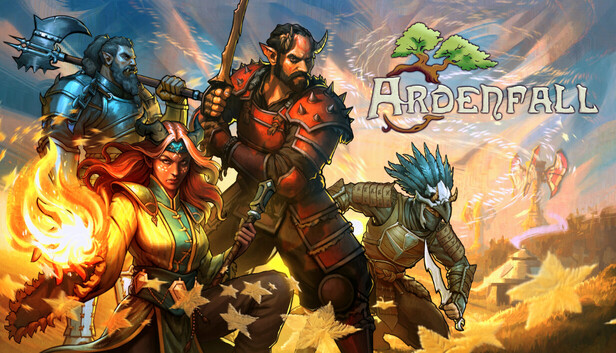
Ardenfall’s demo delivers a compact but confident showcase of Spellcast Studios’ ambitions: a windswept island of rolling plains, flooded wetlands, crumbling ruins, and twisting caves that feels alive at every turn. Exploration and dungeon delving are balanced so the world never feels empty; each biome offers distinct hazards, secrets, and verticality that reward curiosity.
What sets the demo apart is its insistence on consequence: your character’s origins, tattoos, and trait choices open and close dialogue paths, NPCs remember slights and favors, and entire regional economies and faction relationships shift in response to your actions. The result is a world that reacts rather than merely receives you; politics, commerce, and personal reputations ripple outward from even small decisions, making every quest feel like it could change the map.
First impressions from the demo
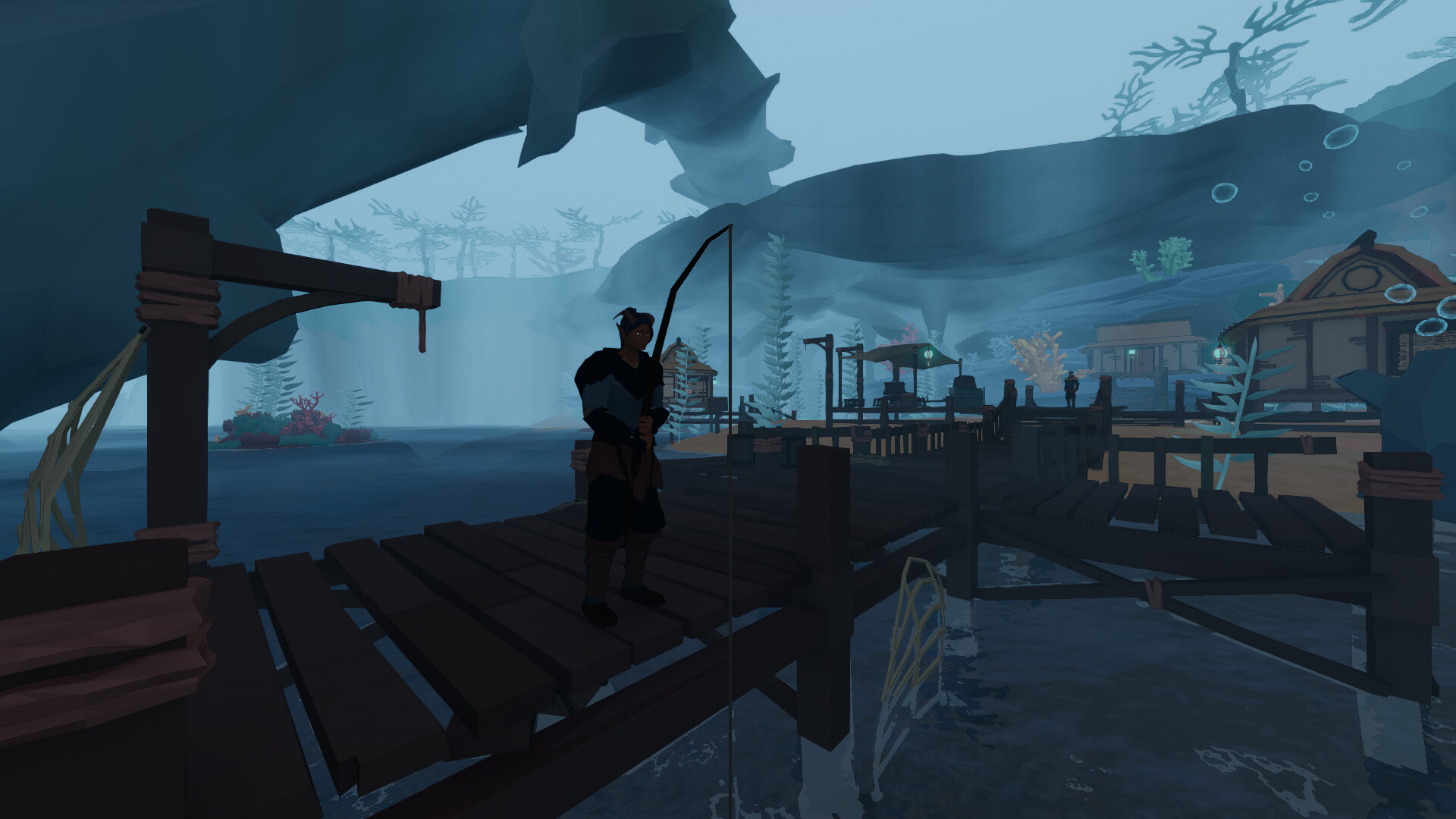
The demo absolutely nails atmosphere. Visuals, lighting, and sound design weave together to make Ardenfall feel lived‑in: gusting grass on the plains, the squelch of waterlogged paths in the wetlands, distant birdcalls and the creak of ruined stone, and the hollow, echoing hush of ancient halls.
Movement and traversal are tactile and satisfying: climbing, wading, and squeezing through caverns all feel purposeful, and the compact map keeps exploration dense and rewarding, never padded with empty stretches.
Quest hooks are smartly varied and often intimate; even brief play sessions produced moments that felt narratively meaningful rather than filler, from a tense negotiation at a flooded trading post to a small, eerie discovery in a ruined chapel.
Exploration and world design
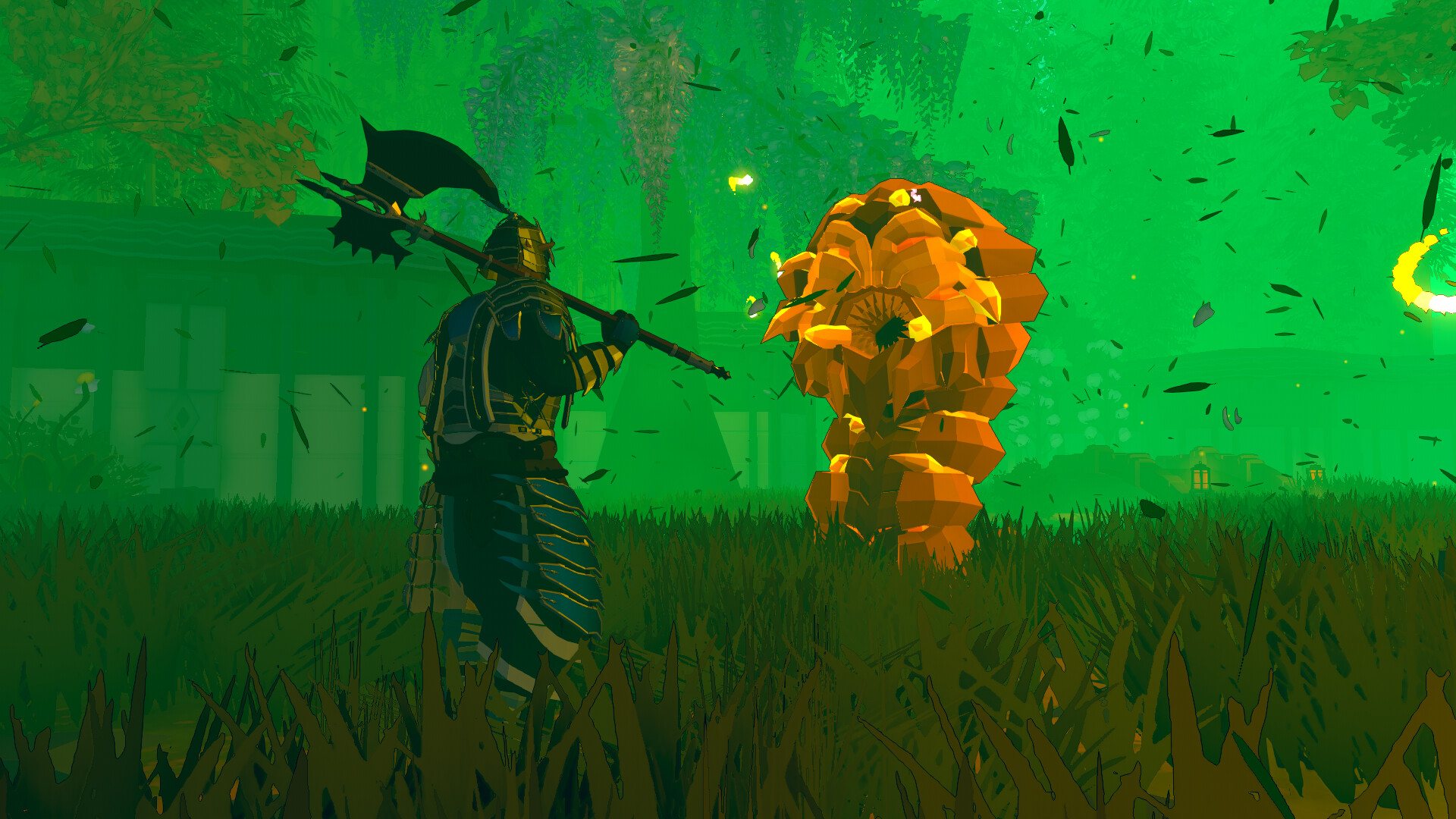
Ardenfall’s geography is a standout: each biome feels purposefully designed, with distinct hazards, hidden caches, and vertical spaces that reward curiosity. Wind‑blasted plains hide ambushes in tall grass, flooded wetlands conceal submerged pathways and shifting tides, and crumbling ruins hide secret alcoves and collapsing ledges that change how you approach a fight or puzzle.
The demo’s dungeons lean into environmental challenges that demand observation and a mix of tools: lever puzzles, water flow manipulation, and light‑and‑shadow mechanics, while the overworld tempts you off the beaten path with side detours that reveal character beats, local lore, and tangible economic consequences.
That responsiveness: shops altering stock after your actions, NPC attitudes shifting based on your reputation, and visible changes in regional prosperity, gives exploration stakes beyond loot. Because the map is compact but dense, every detour feels meaningful rather than filler, and discovery consistently pays off in story, resources, or new tactical options.
Combat, tools, and build variety
Combat in the demo feels smart, flexible, and deliberately tactical. You can dual‑wield for fast, brutal exchanges, slot a heavy two‑hander for stagger and reach, or mix in consumables: throwing potions, elemental knives, single‑use spells, to turn a bad fight into an opportunity.
Summons and temporary allies change encounter dynamics: a conjured beast can hold aggro while a rogue slips in for a backstab, or a well‑timed silence potion can shut down a caster and open a window for a clean kill.
The systems encourage hybrid builds and creative problem solving rather than rote button‑mashing; positioning, timing, and tool choice matter as much as raw stats.
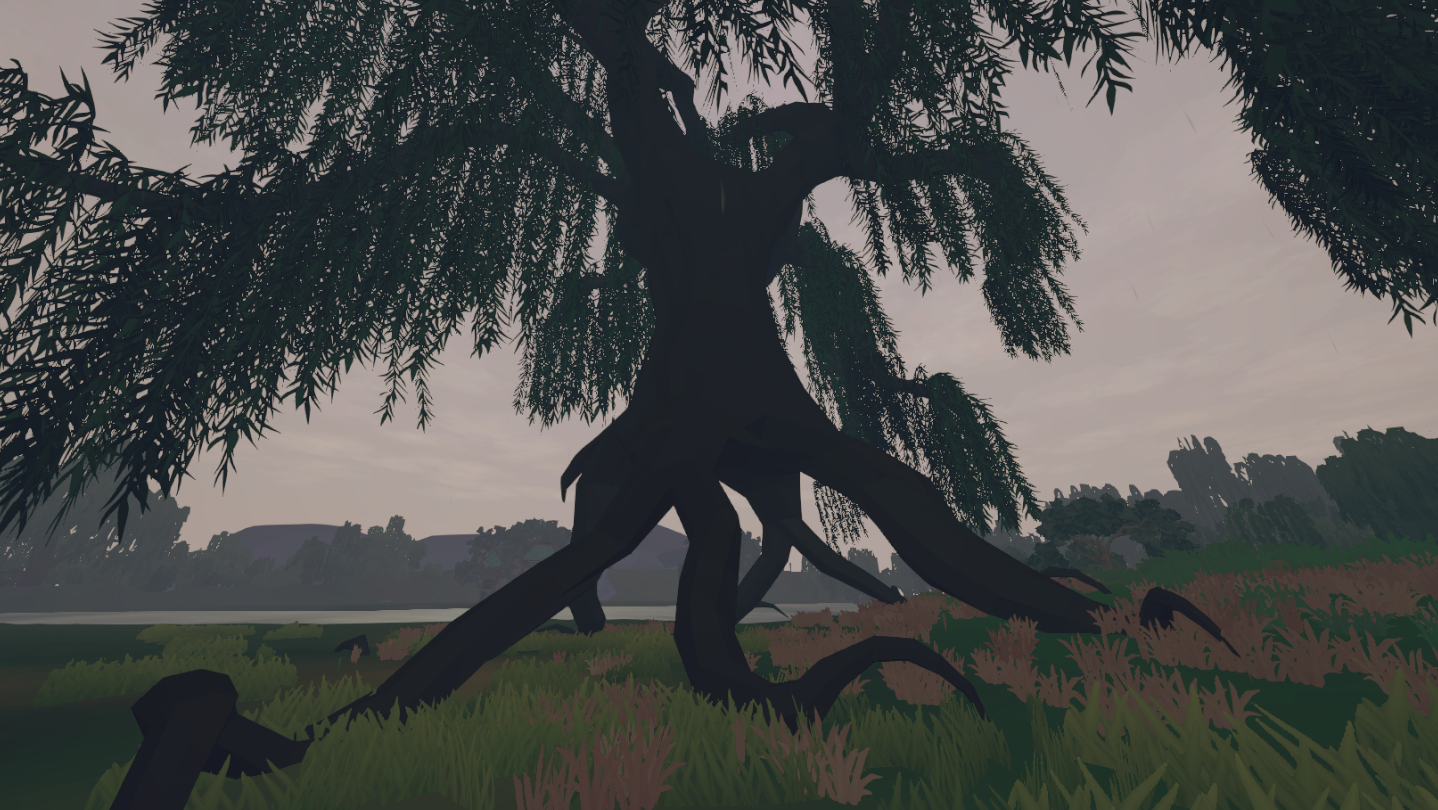
Enemy variety in the demo reinforces that design, with distinct behaviors, resistances, and attack patterns that reward switching tactics, exploiting weaknesses, and using the environment: knocking over lanterns, collapsing ledges, or baiting foes into traps, to gain the upper hand.
Choices, factions, and character depth
Character creation matters here. Race, tattoos, attributes, and traits unlock dialogue branches and alter how NPCs react, which the demo demonstrates in small but telling ways. Faction interactions already feel consequential: siding with one group can shift local economies and close off or open questlines. Dialogue options: charm, coercion, deception, are well integrated, and the demo shows that social play is as viable as combat or stealth for resolving problems.
Technical notes and accessibility
The demo runs smoothly on the tested PC build, with solid frame pacing and responsive controls. A few UI rough edges remain, inventory flow and some tooltip clarity could be tightened, but nothing that breaks immersion.
Accessibility basics are present (subtitles, display options), though players who need deeper assistive features should watch for post‑launch additions. Overall, Spellcast’s polish level in the demo suggests a focused team that’s close to delivering a robust experience.
Final verdict
The Ardenfall demo is an encouraging, finely tuned showcase: a compact open world that still manages to feel sprawling thanks to its environmental variety, tactical combat that rewards creativity and planning, and a choice system that genuinely reshapes the island’s politics and economies.
It doesn’t merely promise consequence: it proves it, with NPCs, shops, and faction standings reacting in ways that make replaying quests and encounters feel strategically and narratively rewarding.
For players who prize character‑driven RPGs where social maneuvering, build experimentation, and environmental problem‑solving are as powerful as swordplay, Ardenfall’s demo is a compelling invitation to a deeper, consequential adventure.
Game Information:
Developer & Publisher: Spellcast Studios
Platforms: PC (tested)
Release Date: 2026