Crabby Fishes - Hand‑drawn tower defense: defend a tropical reef, manage the battlefield, and stop pollution‑spawning invaders. (Beta Preview)
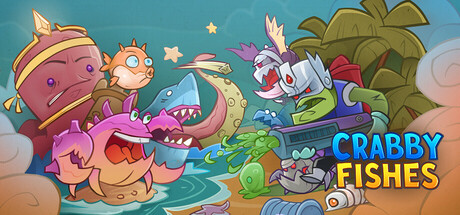
Crabby Fishes plunges you into a hand‑drawn, fast‑paced tower defense where quirky sea creatures defend a tropical reef from zombie‑like, pollution‑spreading invaders.
The beta I played delivers a concentrated, confident slice of the game’s promise: short, replayable stages that force constant tactical adaptation, a vivid visual identity that keeps chaos readable, and an eco‑mechanic that turns the battlefield itself into a shifting resource you must actively manage.
Waves punish static strategies, polluted tiles change pathing and force tradeoffs between offense and cleanup, so every decision about placement, timing, and ability use matters. It’s charming, brisk, and smartly designed to reward experimentation while keeping sessions snappy and satisfying.
What the Beta Includes
• Content played: Tutorial plus three handcrafted levels that showcase core mechanics, enemy archetypes, and escalating scenarios designed to teach and test tactics.
• Units and tools: A starter roster of crab‑built defenses, special powers, and a handful of distinct aquatic allies (area controllers, burst damage, crowd controllers) that encourage mixing roles and synergies.
• Pacing: Short waves, rapid retries, and a tight difficulty curve keep runs brisk and experimental; each level is tuned for quick learning loops and meaningful decision‑making.
• Goals: Stop the invaders, clean polluted tiles to reclaim map control, and uncover hidden bonuses and treasures that can dramatically shift your strategy mid‑run.
Core Loop and Mechanics
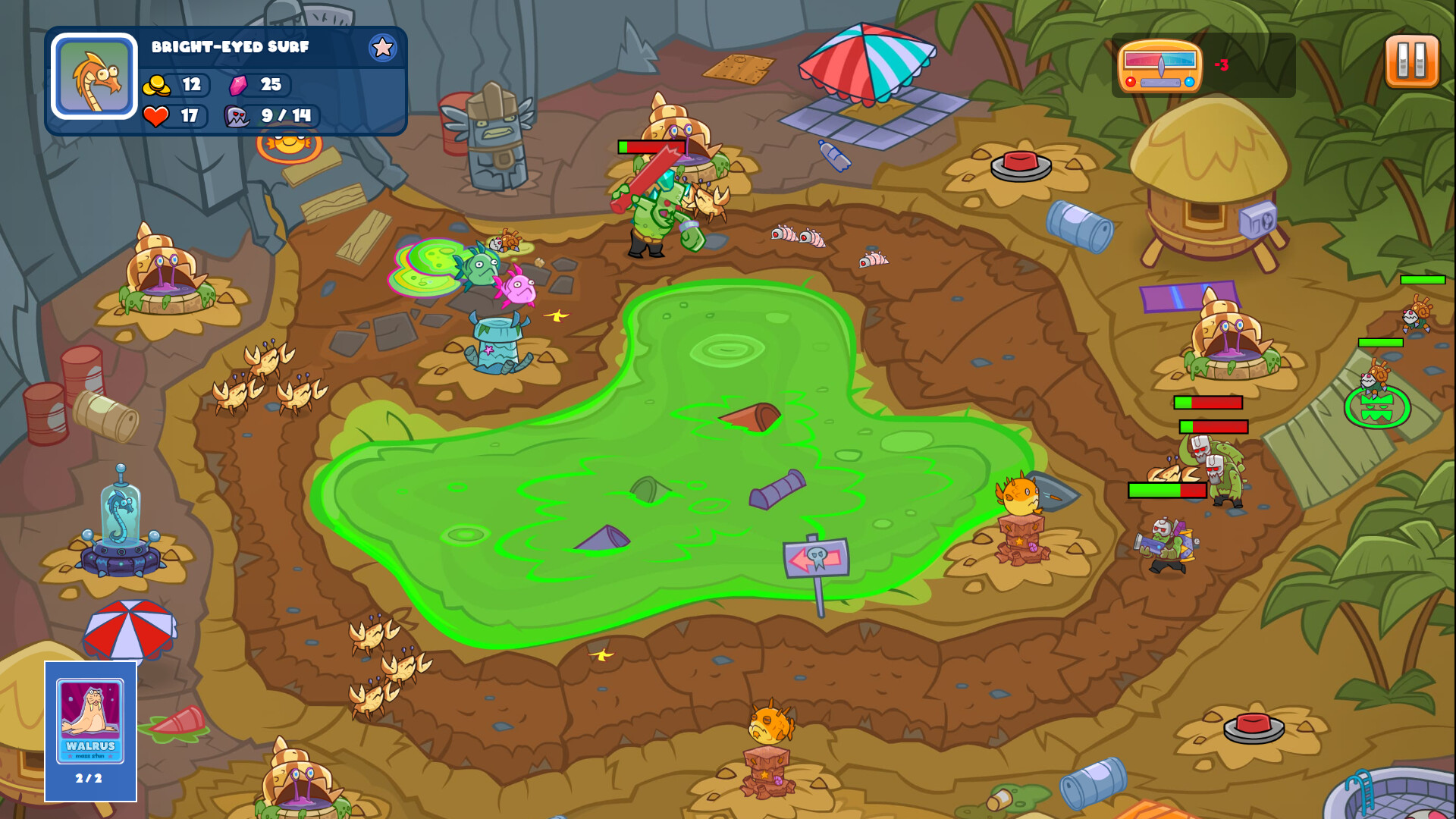
Crabby Fishes blends classic tower‑defense placement with a dynamic environmental layer that constantly reshapes the battlefield.
Enemies don’t just march forward: they poison tiles, alter pathing, and force you to treat the map itself as a contested resource.
That eco‑mechanic elevates decisions from “which tower next” to “where and when to reclaim space,” turning each wave into a tactical puzzle of positioning, timing, and tradeoffs.
• Tactical placement: Positioning is meaningful; choke points, splash coverage, and overlapping fields of fire matter. Proper placement turns narrow corridors into kill zones and makes otherwise weak units shine.
• Adaptive strategy: Waves introduce shifting threats that punish static builds; successful runs require flexible counters, on‑the‑fly retooling, and quick readjustment of priorities.
• Unit variety: The roster of quirky aquatic defenders (slow heavy hitters, nimble harassers, area controllers, and utility cleaners) encourages mixing roles and experimenting with synergies rather than relying on a single dominant setup.
• Map control and counterplay: Polluted tiles change enemy routes and create temporary advantages for attackers; reclaiming those tiles restores control and opens new tactical options. Controlling space becomes as important as raw damage.
• Resource tradeoffs: Cleaning pollution consumes time or resources, creating tense moments where you must choose between immediate damage output and long‑term map health. These tradeoffs reward foresight and risk management.
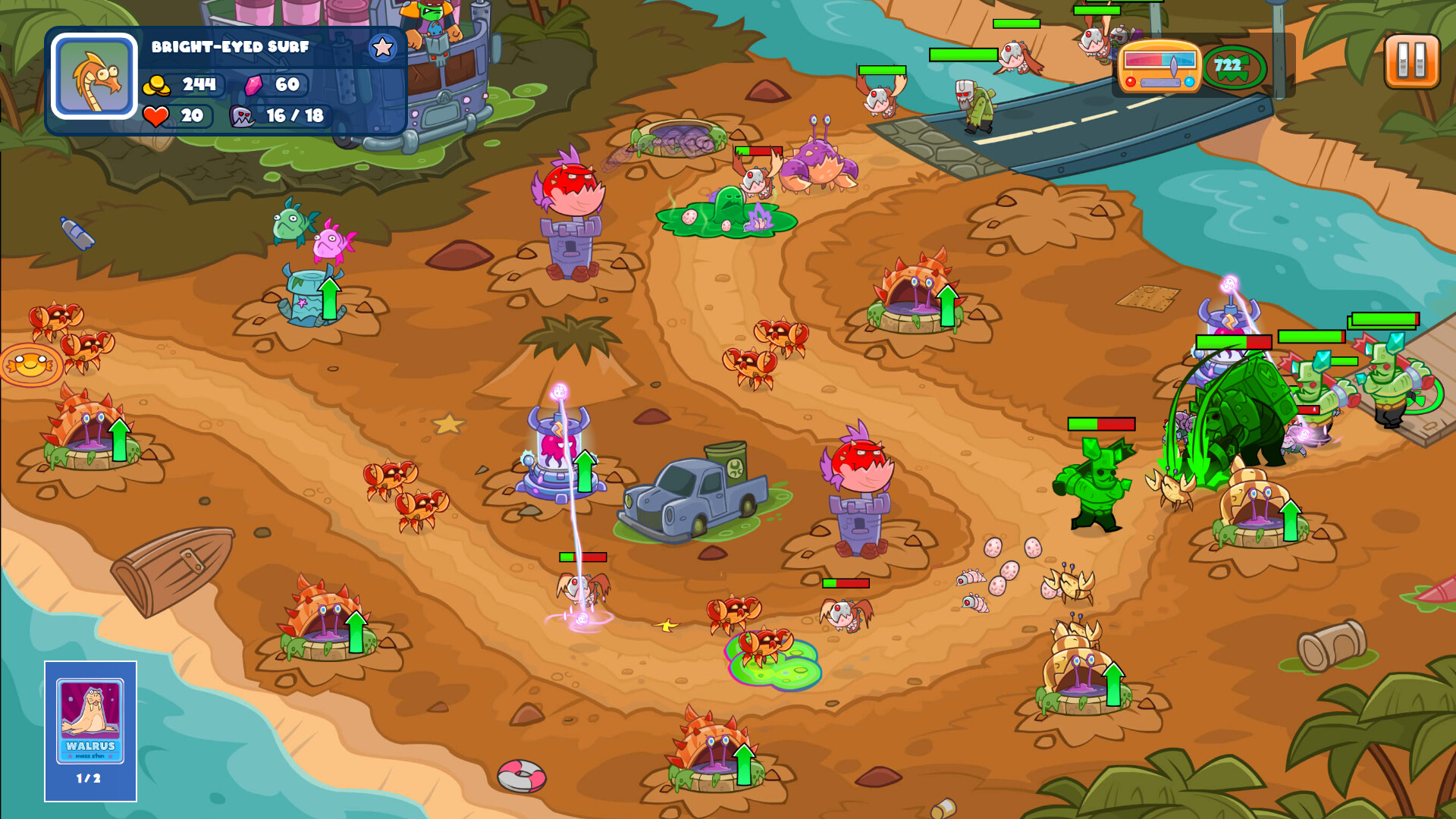
• Emergent combos: Combining area denial with cleanup abilities or pairing burst damage with crowd control produces satisfying, emergent strategies that feel earned and repeatable.
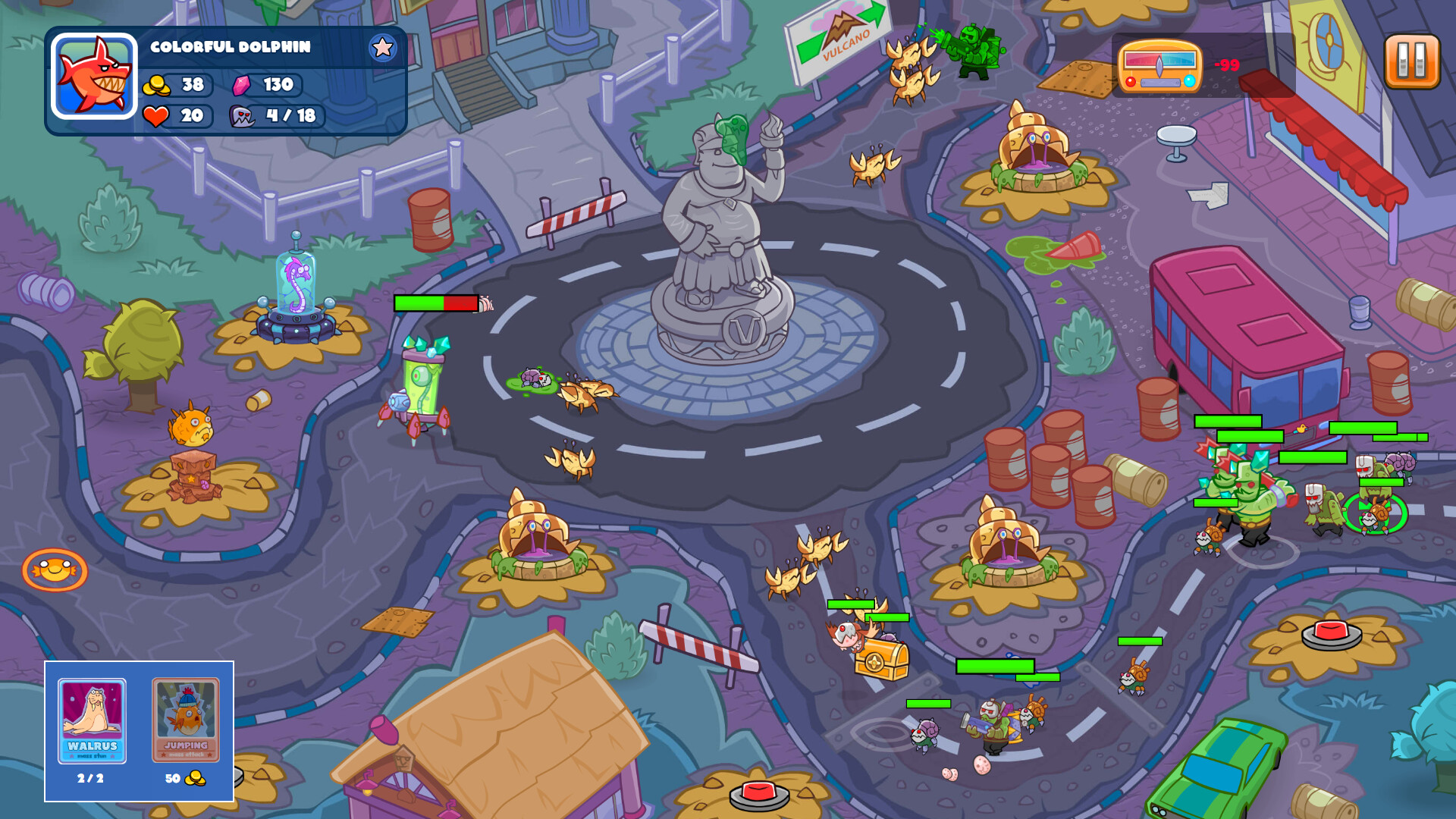
• Readability and feedback: Clear visual cues for polluted tiles, enemy path changes, and ability effects are crucial; when present, they make complex interactions intuitive and fun to master.
Visuals, Audio, and Presentation
The hand‑drawn art is the game’s immediate hook: vibrant, expressive, and engineered for readability even when the screen fills with chaos.
Characterful unit designs and distinct enemy silhouettes keep hectic waves from becoming visually confusing, while small animation flourishes: squash and stretch, splash effects, and reactive particle work, turn routine moments into charming beats.
The sound design matches that energy with punchy effects and an upbeat score that reinforces the game’s playful tone and pacing.
• Clarity: Colorful palettes, strong contrast, and distinct silhouettes make it easy to parse action at a glance.
• Charm: Each unit has personality in its design and animation, turning kills and ability triggers into delightful micro‑moments.
• Polish: Animations, transitions, and UI elements feel crisp for a beta build; feedback on abilities and status effects is generally clear and could be tightened further.
• Audio design: Punchy SFX and an energetic soundtrack complement gameplay rhythm and make ability use feel impactful.
• Accessibility: Visual cues for polluted tiles and ability ranges are readable, but adding optional colorblind modes and adjustable effect intensity would broaden clarity for more players.
Balance, Frustrations, and Beta Notes
The beta nails the core concept and delivers a fun, fast loop, but a few tuning and UX refinements would sharpen the experience for launch.
• Strengths: Fast retries, meaningful choices, and a satisfying risk/reward loop around pollution control.
• Areas to polish: Some enemy abilities can feel swingy in small maps; clearer telegraphs and slightly more generous early resources would smooth the learning curve.
• Quality of life: Better in‑game explanations for unit synergies and a clearer indicator for polluted tiles would help new players experiment faster.
• Replayability: Hidden treasures and optional routes already reward exploration; adding daily or challenge modes would amplify long‑term engagement.
These adjustments are largely iterative: they preserve what already works while smoothing rough edges that currently make some runs feel unfair rather than clever.
Who Will Enjoy This Beta
• Families and casual players who like readable, friendly visuals and short sessions.
• Tower defense fans who enjoy adaptive, tactical play rather than rote tower spamming.
• Players who like variety, those who enjoy trying new synergies and rethinking strategies each run.
Final Verdict
Crabby Fishes’ beta is a bright, clever tower defense that turns a familiar formula into something fresh with its eco‑mechanic and hand‑drawn charm. Short, replayable stages deliver tight tactical decisions: positioning, pollution control, and unit synergies all matter, and the game rewards experimentation rather than rote tower stacking. Visually and sonically it’s delightful: clear, characterful art and punchy audio keep hectic moments readable and fun.
That said, the experience still benefits from a few practical refinements. Smoothing early resource pacing, clarifying enemy telegraphs, and tightening onboarding for unit synergies would reduce swingy difficulty and help new players find their footing faster. Polishing UI feedback for polluted tiles and ability effects would make complex interactions feel more intuitive and fair.
As a beta, it already nails the core loop and shows strong potential for long‑term engagement through hidden treasures, optional routes, and social challenge modes. If Crab Guard Games addresses the balance and UX items, Crabby Fishes could easily become a standout, family‑friendly tower defense with real strategic depth. Worth wishlisting now and revisiting at launch.
Game Information:
Developer & Publisher: Crab Guard Games
Platforms: PC (reviewed)
Release Date: 2026