Crimson Capes - Feints, guards, and brutal counters: A visceral pixel‑sorcery tale where politics and witch‑hunts shape every fight. (Game Review)
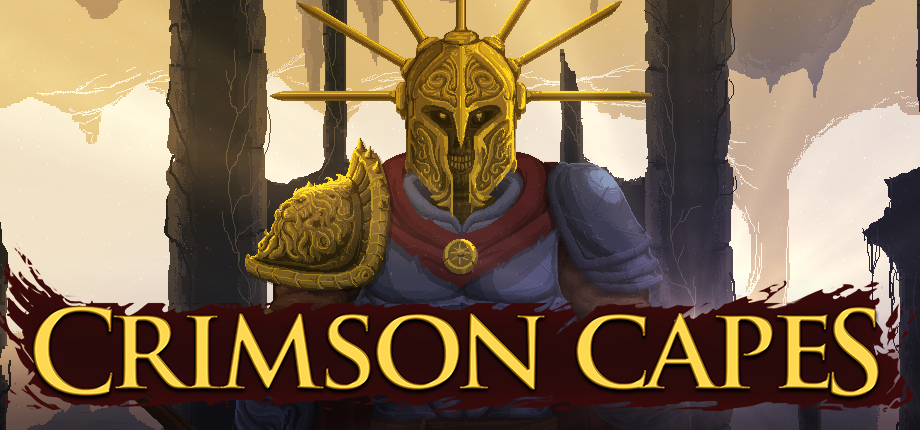
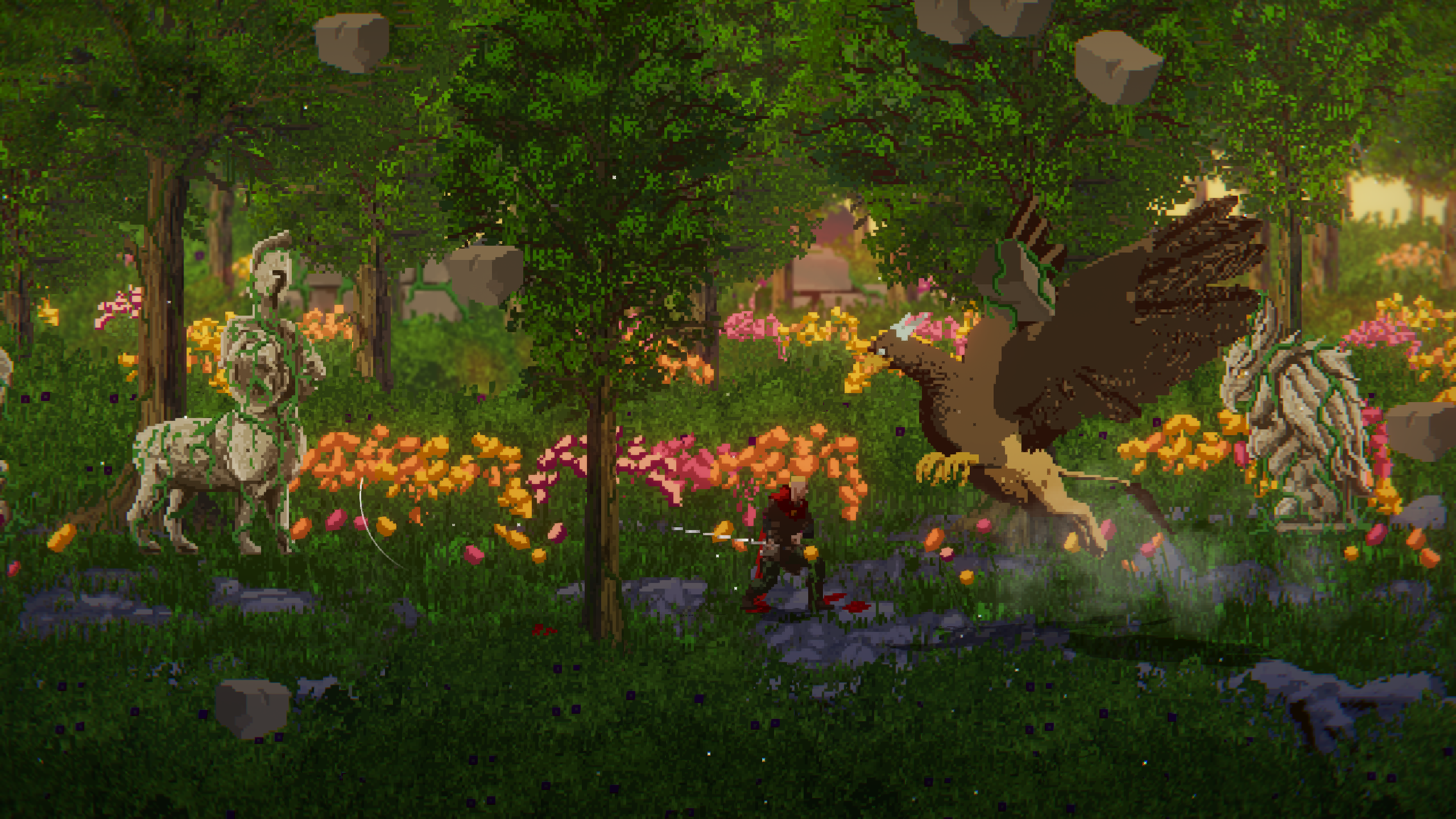
Crimson Capes drops you into the boots of Milon the Tempest, the King’s Left Hand, and the game delivers a concentrated taste of its sword‑and‑sorcery ambitions. The pixel art is richly detailed and atmospheric, foregrounds and backdrops that feel lived‑in rather than decorative: while the worldbuilding (witch‑hunts, guild politics, and a spreading conspiracy) gives every skirmish narrative weight.
Combat aims for grounded, weighty realism: feints, guards, and brutal counters land with satisfying heft, and magic augments fights in ways that change pacing and strategy rather than just adding numbers. In short bursts the game already shows a confident aesthetic and a combat system with real ambition: visceral, tactical, and full of promise.
Combat and Core Systems
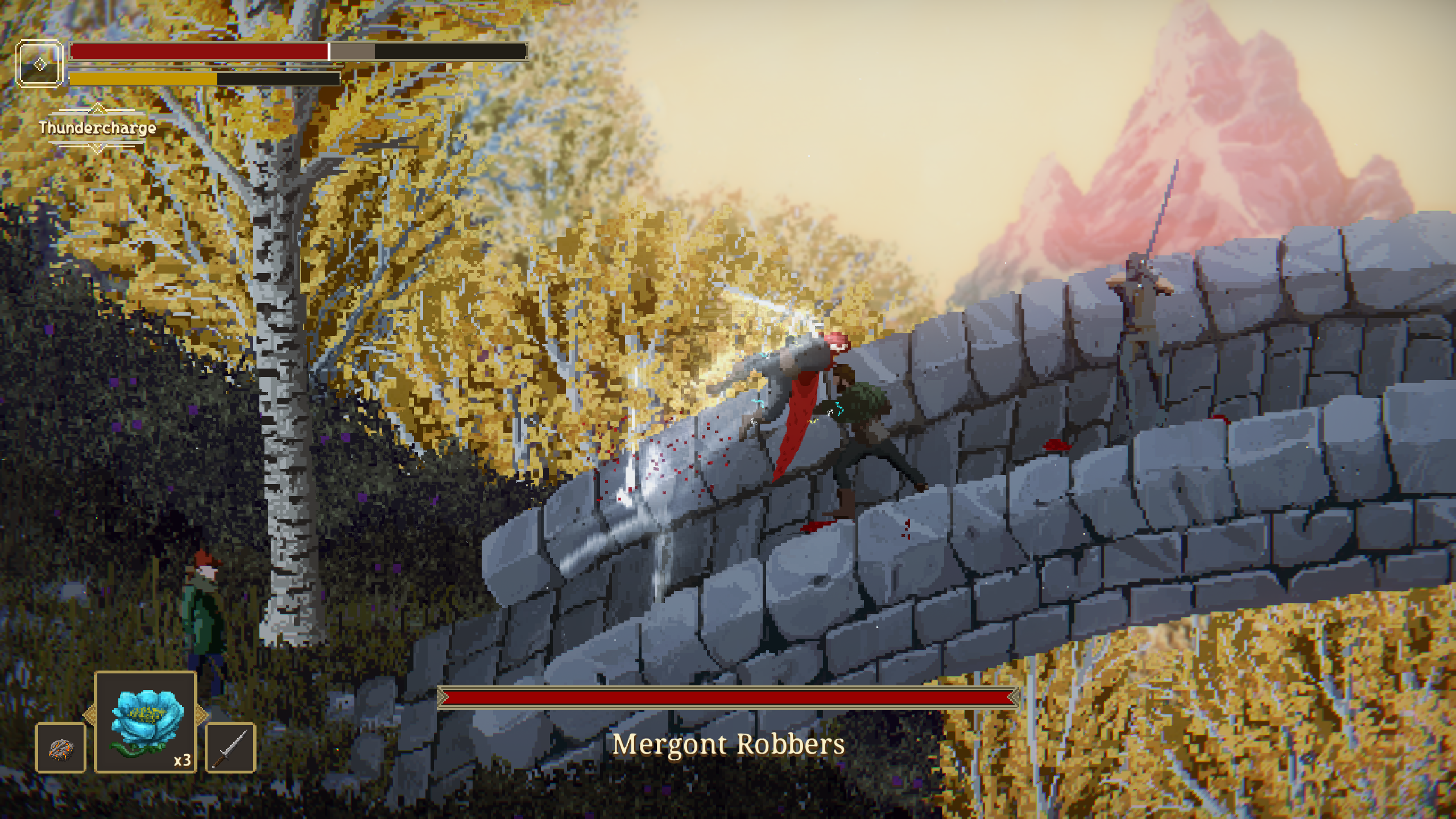
Combat is the game’s headline: feints, thrusts, cuts, and guards are animated with grounded, readable motion that rewards spacing, timing, and intent.
Parrying and well‑timed counters land with satisfying weight, and elemental magic: wind, thunder, flame, and shadow, does more than add numbers: it reshapes engagements, opening windows for follow‑ups or forcing different spacing.
The ability to swap heroes at will means each character brings a distinct rhythm and tactical identity; changing who you play alters not just damage values but how encounters flow.
• Strengths: Meaty hits, crisp parries, and clearly differentiated weapon archetypes make duels feel tactical and deliberate.
• Weaknesses: A perceptible input delay and an exaggerated player flinch after taking damage can undermine responsiveness; there are moments where you press a button and still get hit, which blurs the line between deliberate weight and unresponsive controls.
• Magic and builds: Spells complement melee play effectively; hybrid builds that mix physical technique with arcane utility feel promising and encourage experimentation across skill trees.
Level Design and Exploration
The game’s environments: ruined towers, shadowed caverns, and mystical forests, are compact but densely packed with secrets.
Exploration consistently rewards curiosity: optional routes, hidden bosses, and tucked‑away artifacts often guard superior gear or lore beats, so careful players are regularly rewarded.
The world’s semi‑nonlinear structure lets you tackle areas in different orders, which suits players who enjoy piecing together story threads and hunting for upgrades at their own pace.
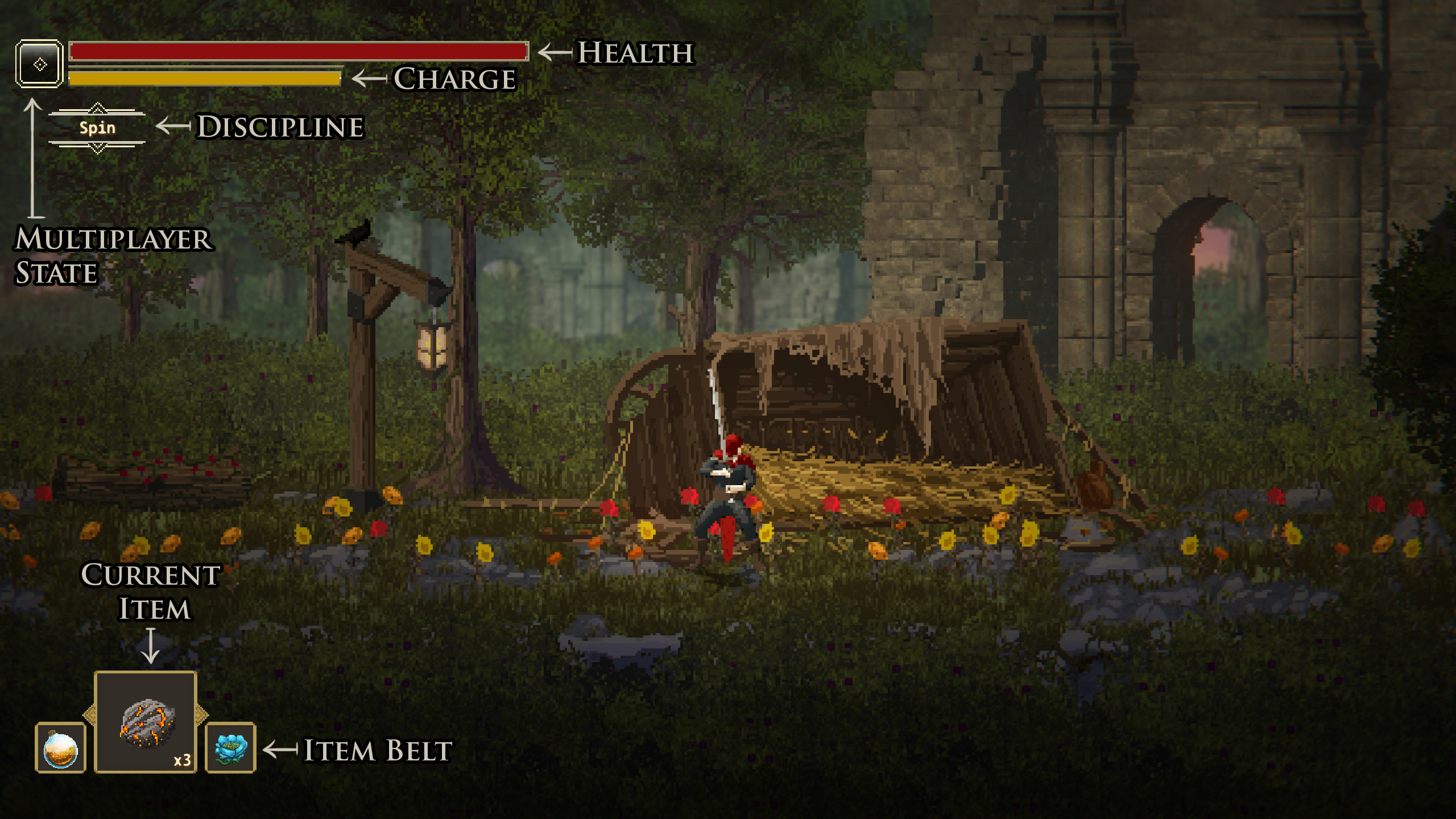
• Visual clarity: Pixel work is crisp and vibrant; foregrounds and backgrounds establish mood without obscuring combat readability.
• Exploration payoff: Secret paths and optional bosses meaningfully upgrade your toolkit, making detours feel worth the time.
• Pacing: Short gauntlets and well‑placed checkpoints keep runs focused and momentum high, while quick restarts reduce downtime.
• Challenge balance: Some encounters are tightly tuned and demand precise timing; given the game’s deliberate combat weight, a few fights can feel punishing rather than fair.
• Design for replay: Compact arenas and branching routes encourage multiple approaches, so replaying an area with a new build or hero often reveals fresh strategies.
Difficulty, Frustrations, and Fixable Issues
Player feedback centers on difficulty tuning rather than the game’s core design. Crimson Capes can be thrillingly hard in the right way: learning enemy patterns, mastering parries, and finally toppling a foe feels genuinely earned, but a handful of mechanical choices sometimes push encounters from “challenging” into “frustrating.” These issues are fixable and, importantly, don’t erase the combat’s strong foundations.
• Flinch imbalance: The player’s flinch on taking damage is noticeably harsher than enemies’, which can cascade into unavoidable follow‑up hits and punish perfectly timed responses.
• Input latency feel: A deliberate weight to actions occasionally reads as input lag; when a pressed button seems ignored, the intended sense of heft becomes muddled.
• Enemy telegraphing: Some attacks, especially certain ranged or spitting enemies; lack clear, reactable wind‑ups, making them feel cheap rather than skill‑based.
• Consumable persistence: Losing consumables at rest sites after use is a recurring frustration; preserving their state would reduce needless repetition and respect player resources.
These are not fatal flaws. Many players report that the combat “clicks” after a learning curve, and the game’s core: meaty hits, satisfying parries, and tactical depth, remains intact.
Addressing the flinch balance, tightening input responsiveness, improving enemy telegraphs, and reworking consumable handling would move the experience from rough but promising to finely tuned and deeply rewarding.
Community and Replay Value
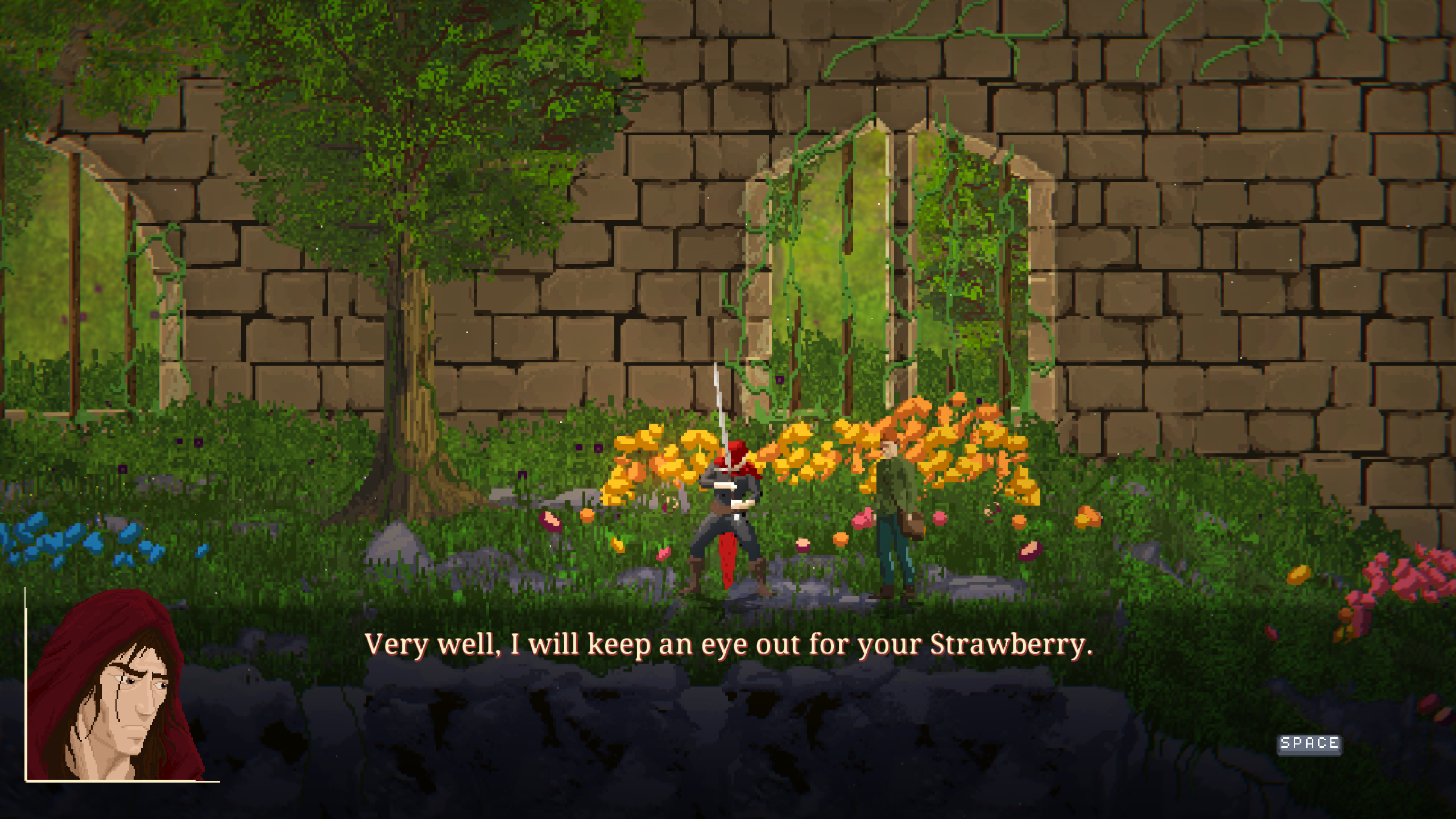
Crimson Capes has the bones of a game built to keep players coming back. Its asymmetrical multiplayer, co‑op hunts with fellow Capes and the option to invade as a Deathblade, already creates social hooks that extend a single run into shared campaigns, rivalries, and highlight reels.
Layered on top of that are varied hero builds, optional bosses, and modular encounters that reward experimentation; together these systems form a fertile loop for replay, community content, and competitive play.
• Multiplayer hooks: Co‑op hunts and invasion play create emergent stories and rivalries that naturally encourage repeat sessions.
• Build diversity: Distinct heroes and hybrid physical/arcane skill trees invite experimentation and replay with new tactics.
• Optional content: Hidden bosses and secret routes reward exploration and give communities goals to chase.
• Clip‑friendly moments: Dramatic boss set pieces and cinematic finishes make the game ideal for streaming and social sharing.
• Competitive potential: The combat’s precision and optional challenges lend themselves to speedruns, challenge runs, and community leaderboards.
• Community growth: With developer support (balance patches, seasonal events, or curated challenges), the game could sustain long‑term engagement through tournaments, co‑op milestones, and shared‑goal events.
In short, Crimson Capes doesn’t just offer one great fight: it offers a platform for players to invent new ways to play, compete, and show off their hard‑won victories.
Final Verdict
Crimson Capes is a striking 2D soulslike that marries gorgeous pixel art with thoughtful weapon design and a world that rewards curiosity. Its combat is the game’s beating heart: meaty, tactical, and full of satisfying moments when spacing, feints, and parries click together, while elemental magic and distinct hero archetypes add meaningful variety to every encounter. Exploration is rewarding, optional bosses and secret routes feel consequential, and the game’s visual and cinematic set pieces are consistently clip‑worthy.
That said, the experience is currently tempered by tuning issues that affect feel more than vision: an overly punitive flinch, occasional input‑weight that reads like latency, and a few poorly telegraphed enemy attacks can turn otherwise brilliant fights into frustrating ordeals. These are fixable problems; addressing flinch balance, tightening responsiveness, and clarifying enemy wind‑ups would transform the combat from promising to exemplary.
If you love precise, weighty swordplay and atmospheric pixel worlds, Crimson Capes is well worth your attention now and likely to be essential after a few targeted adjustments. For newcomers, expect a steep learning curve, but one that can be deeply rewarding if you enjoy mastering systems and savoring hard‑won victories.
Watch and Wishlist
• Why wishlist: Meaty, tactical 2D soulslike combat; gorgeous pixel art and atmospheric worldbuilding; deep hero builds, co‑op/invasion hooks, and rewarding exploration that promise high replay value.
• Platforms to track: PC currently available. Keep an eye out for any future console releases or storefront expansions.
• How to stay informed: Wishlist on the Steam store page; follow developer Poor Locke on social channels; join the official Discord and watch patch notes and community posts for balance updates and events.
• Price perspective: $14.99, a strong value for fans of precise, weighty swordplay and replayable multiplayer content.
Key Takeaways
• Core concept: A 2D sword‑and‑sorcery soulslike that centers on grounded, weighty melee with elemental magic and distinct hero archetypes.
• Combat strengths: Meaty hits, satisfying parries, feints, and varied weapon archetypes create tactical, deliberate duels.
• Combat caveats: Tuning issues; excessive player flinch, moments that feel like input latency, and a few poorly telegraphed enemy attacks, can turn some encounters from challenging to frustrating.
• Exploration and design: Compact, richly detailed environments reward curiosity with optional routes, hidden bosses, and meaningful loot; semi‑nonlinear progression encourages replay and discovery.
• Multiplayer and replay: Asymmetrical co‑op and invasion modes, plus deep build variety and optional content, give the game strong social and long‑term replay hooks.
• Presentation: Gorgeous, vibrant pixel art and cinematic boss moments make the world feel lived‑in and clip‑friendly.
• Value proposition: At $14.99, it’s a compelling buy for fans of precise, weighty swordplay and atmospheric pixel worlds, especially if future patches address responsiveness and telegraphing.
• Who should play: Recommended for players who enjoy methodical, skill‑based combat and community‑driven challenges; newcomers should expect a steep but rewarding learning curve.
Game Information:
Developer & Publisher: Poor Locke
Platforms: PC (reviewed)
Release Date: February 12, 2026
Reviewed by: Justin Garcia
Reviewed on: February 14, 2026
Score: 7.5 / 10 👍

Crimson Capes is a striking 2D soulslike that pairs gorgeous, expressive pixel art with thoughtful weapon design and a world that rewards exploration. Its combat is the game’s beating heart: meaty, tactical, and deeply satisfying when spacing, feints, and parries click together, and elemental magic and distinct hero archetypes add meaningful variety to every encounter.
Right now, a few tuning issues: overly punitive flinch, moments that read like input latency, and a handful of poorly telegraphed attacks, keep it from reaching its full potential; these are fixable problems, not fundamental flaws.
If the developer smooths those rough edges, Crimson Capes can easily move from very good to exceptional. For fans of precise, weighty swordplay and atmospheric pixel worlds, it’s a must‑watch and a rewarding, if demanding, play.
“7.5 / 10 - Crimson Capes is almost brilliant: visceral, tactical combat and a vivid world, only a few feel problems keep it from greatness.”
