Cursed Blood - Bloodpunk co‑op roguelike: lightning‑fast katana combat, blood‑driven progression, and procedurally forged vengeance. (Demo Impressions)
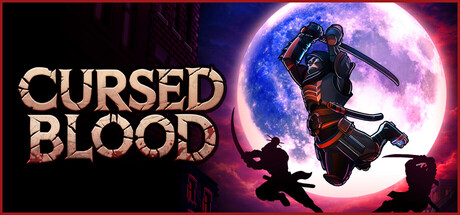
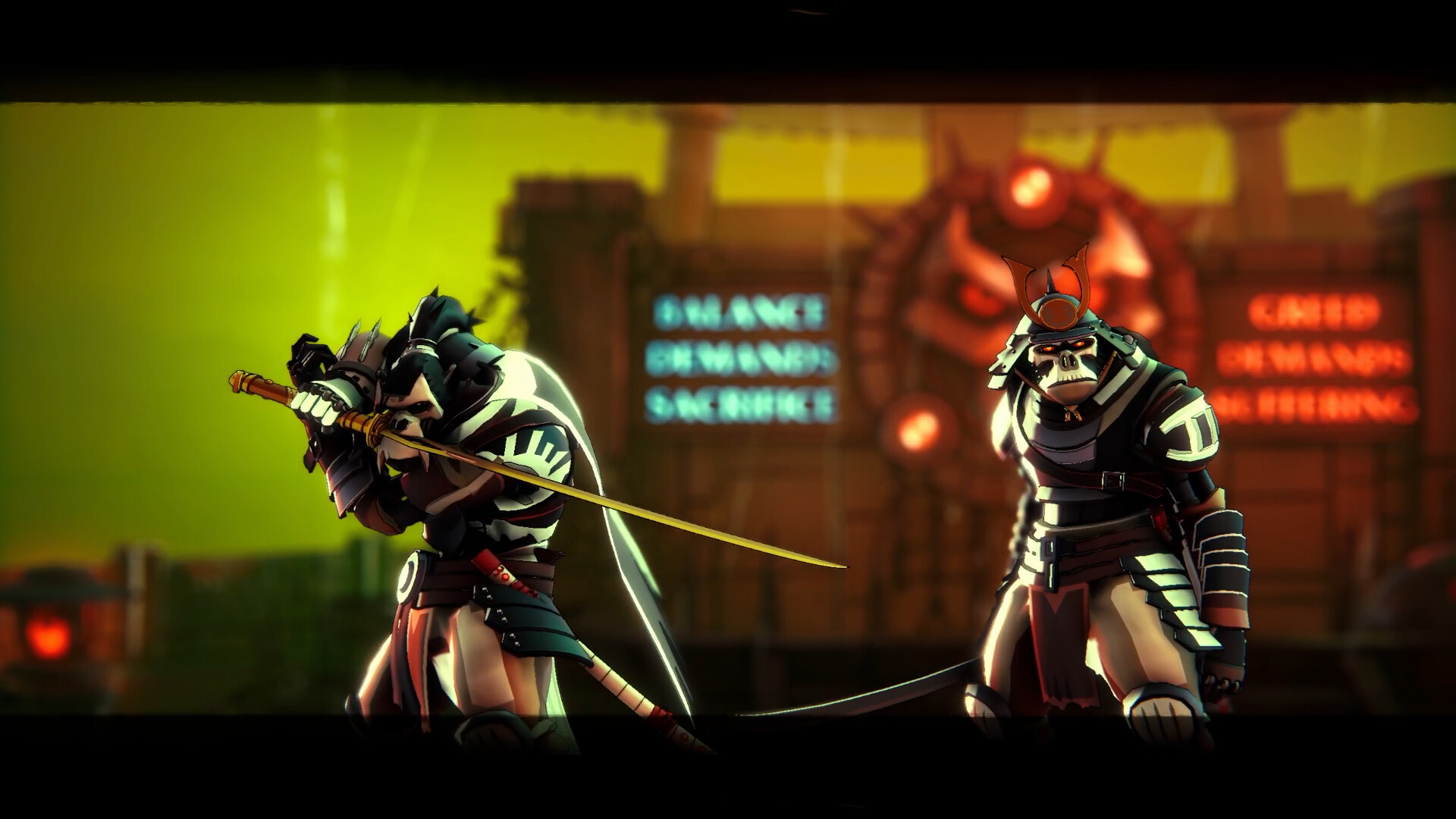
Cursed Blood throws you into a savage bloodpunk samurai roguelike where vengeful ape warriors, blades slick with crimson, hunt the mafia that profaned the Shrine of Vermillion.
The updated demo, refined for Steam Next Fest, puts the spotlight on lightning‑fast katana combat, a blood‑for‑power progression loop, and procedurally generated arenas that fuse industrial machinery with forbidden, blood‑powered tech.
Even in early builds the game sells a visceral spectacle and flexible co‑op (local and online), while the developer polishes balance, new curses, and network performance ahead of Early Access on April 2, 2026.
Core loop and gameplay
Combat is the engine: lightning‑fast katana play that turns every encounter into a razor‑edged dance. Dash to close gaps, deflect incoming strikes, chain charged slashes into brutal finishers, and siphon health by feeding the Shrine, offense is your lifeline.
Runs hinge on aggressive risk‑reward: you must press the attack to survive, harvest Blood Orbs to upgrade weapons and gear, and constantly adapt to World Mutations that rewrite the rules each run. Procedurally generated arenas hide shortcuts, secrets, and resources, while a roster of evolving bosses mutates mid‑fight, forcing on‑the‑fly tactical shifts.
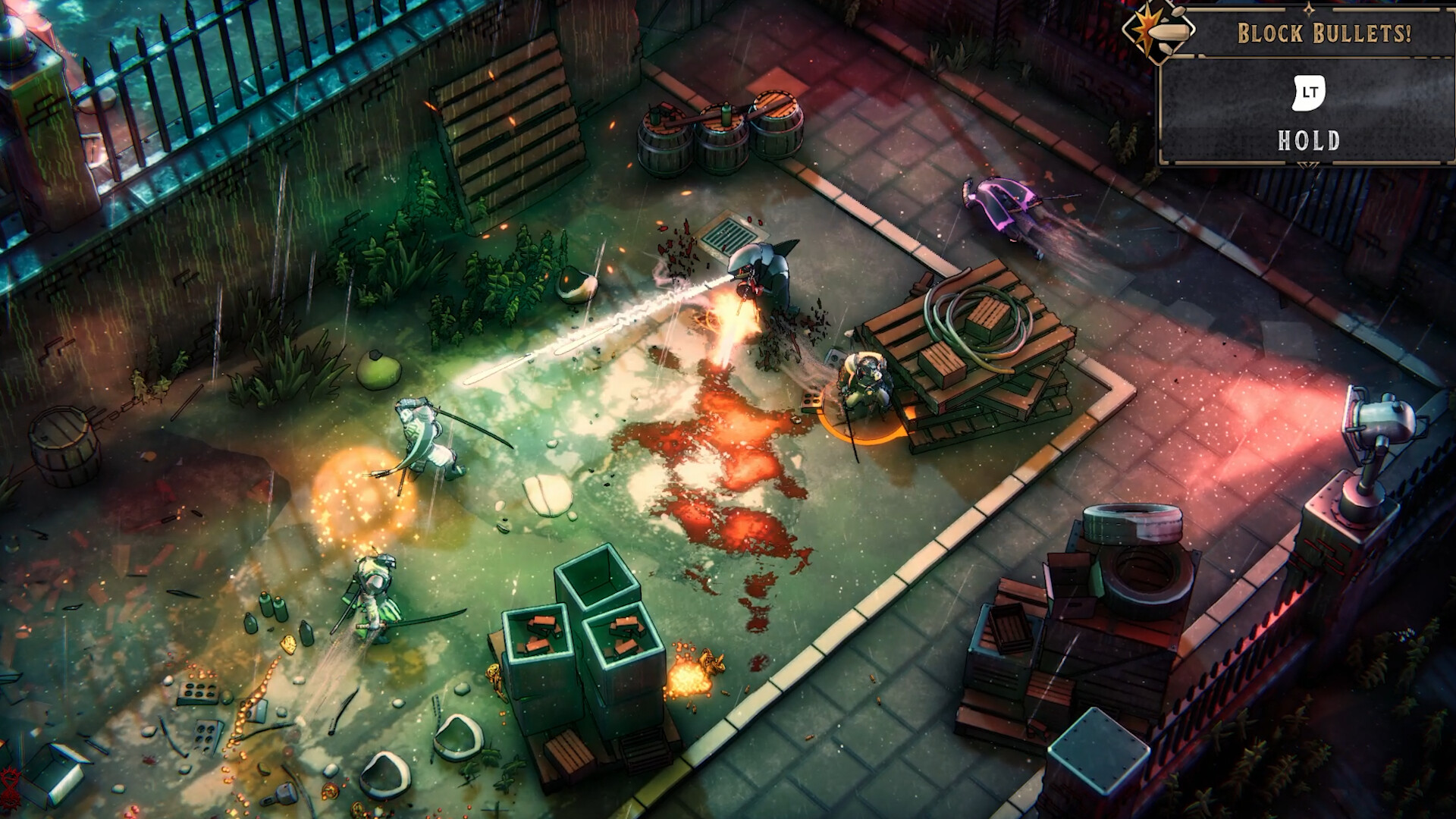
The combat loop is amplified by emergent systems: rip guns from foes and turn their firepower against them, then close with a charged katana strike to cleave enemies in two, so encounters feel cinematic and violent. The result is a high‑skill melee roguelike that rewards precision, timing, and creative build experimentation, where mastery comes from learning windows, chaining moves, and making every drop of blood count.
Social play and replayability
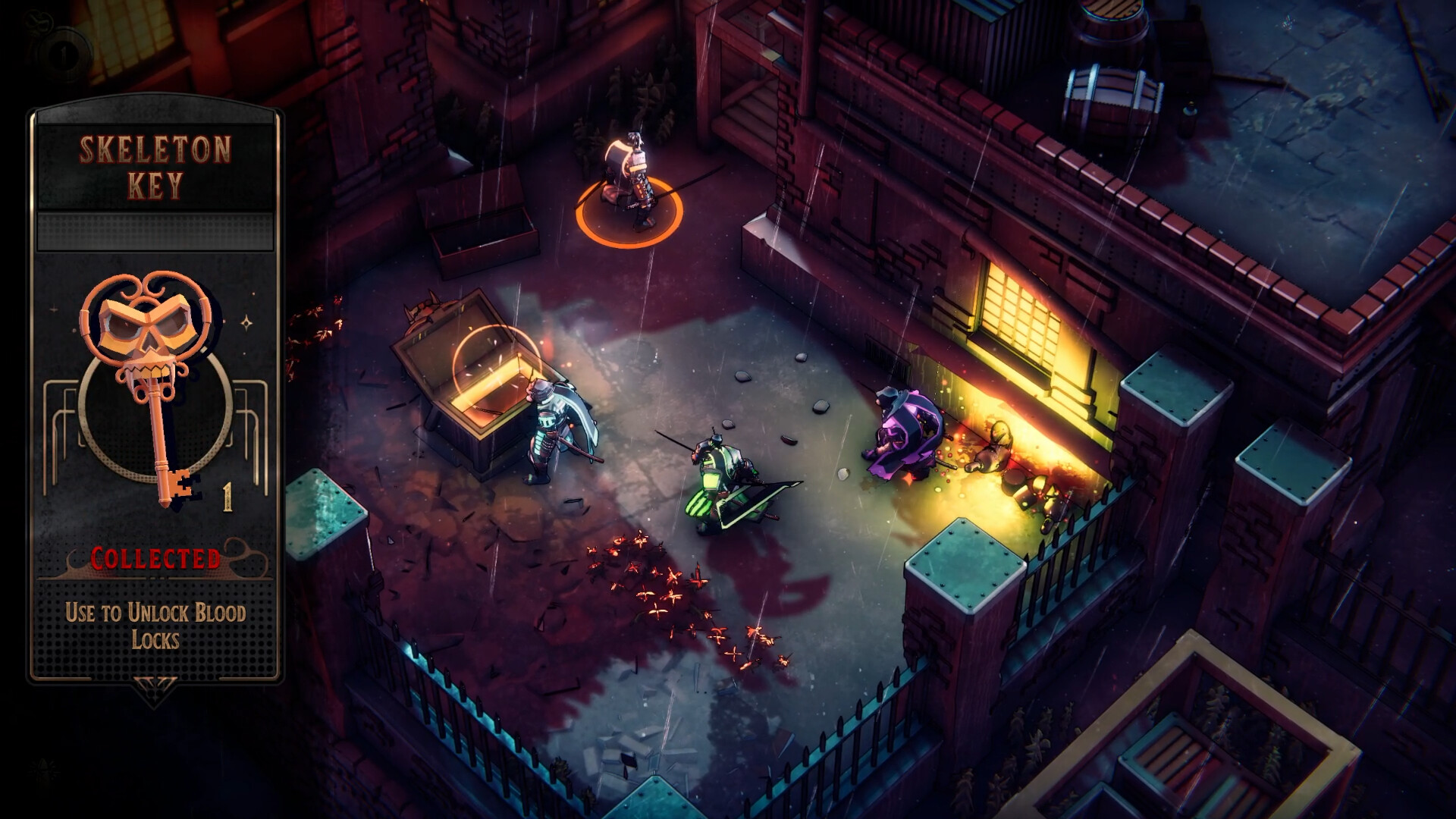
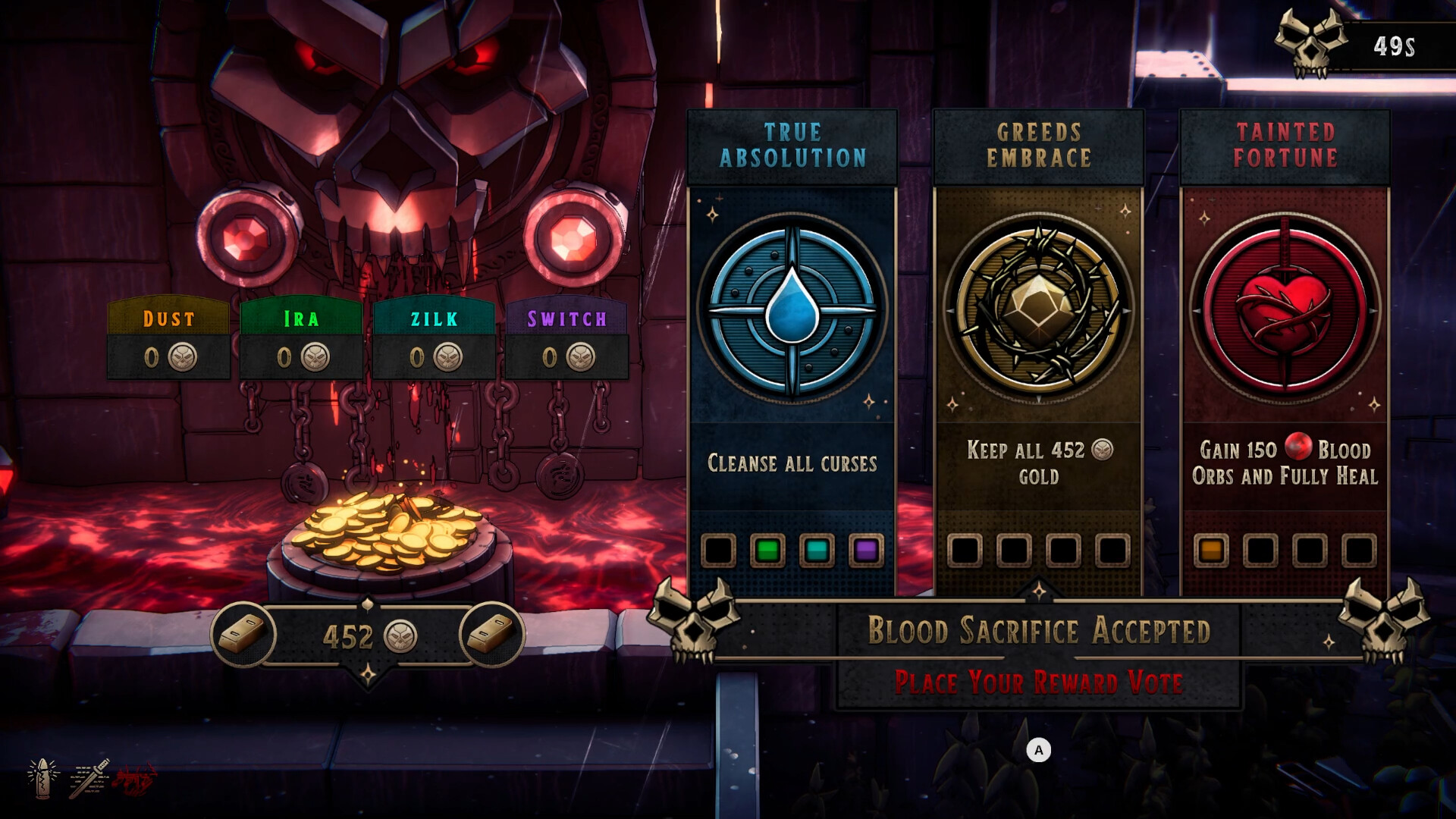
Cursed Blood nails cooperative chaos: seamless local and online co‑op lets couch players and distant allies join the same blood‑soaked run without friction, so pick‑up‑and‑play sessions scale naturally from solo grinds to four‑player mayhem. Teamplay amplifies both strategy and spectacle: weapon ripping, coordinated shrine offerings, and complementary builds create emergent moments where a well‑timed disarm or synchronized finisher turns a desperate fight into a cinematic comeback.
Replayability is baked into the systems: World Mutations, evolving bosses, unlockable katanas, and the demo’s new curses constantly reshuffle the rules, forcing you to rethink loadouts and tactics every run. Each procedural arena hides secrets and gear that reward exploration, while the expanding curse pool and upgrade paths encourage experimentation, one run you’ll be a lightning‑fast duelist, the next a blood‑fueled tank. Together, these systems make co‑op runs feel fresh, chaotic, and endlessly replayable.
Rough edges and launch notes
This is still an early build, so expect rough edges: balance is actively shifting as systems are tuned, and several mechanics and progression hooks may change substantially before Early Access. Recent patches have focused on multiplayer stability and frame pacing, and network performance has improved, but the long‑term value of online matchmaking will hinge on player population at launch.
The game’s uncompromising brutality and steep learning curve are part of its appeal, yet they also risk alienating newcomers; clearer tutorials, adjustable difficulty tuning, and more forgiving accessibility options will be important to broaden the audience. Overall, the demo shows strong foundations, but expect iteration, polish, and UX improvements as the team moves toward Early Access.
Length, value, and accessibility
As a roguelike still in active development, Cursed Blood’s value rests on its ferocious core loop and the promise of expanding systems rather than a finished content slate. The demo delivers a compact, satisfying taste of the full experience: tight melee, blood‑for‑power progression, and a handful of World Mutations and bosses, but Early Access will need to broaden that foundation with more mutations, boss variety, and meaningful meta‑progression to justify long‑term engagement.
Accessibility and tuning will be decisive for the game’s reach. Right now the design favors players who enjoy punishing, skill‑based melee; adding difficulty presets, optional combat assists, input remapping, clearer tooltips, and visual clarity options would make the game far more approachable without diluting its intensity. Performance and controller support also matter: consistent frame pacing, latency mitigation for online co‑op, and robust controller/keyboard parity will improve both solo and multiplayer value.
In short, Cursed Blood is already compelling for fans of brutal, high‑skill roguelikes. Its long‑term worth will depend on how the team expands content, polishes onboarding, and implements accessibility and tuning options during Early Access: do that, and the demo’s promise becomes a durable, replayable package.
Final Verdict
Cursed Blood’s demo nails the essentials: ferocious, tactile katana combat, a satisfying blood‑for‑power progression loop, and flexible co‑op that already produces thrilling, chaotic runs.
The core systems: dash, deflect, charged slashes, finishers, and weapon‑ripping, feel weighty and responsive, and the procedural levels, World Mutations, and evolving bosses promise deep replayability.
What sells the experience is how those systems interact in the moment: coordinated shrine offerings, synchronized finishers, and mid‑fight boss mutations create cinematic, emergent encounters that stick with you.
That said, it’s still an early build. Balance tuning, UI clarity, onboarding, and matchmaking need polish to unlock the game’s full potential and broaden its appeal beyond hardcore melee fans.
Right now it’s a raw, blood‑soaked thrill: compelling and often brilliant, but not yet the fully refined experience it aspires to be. Sample the demo if you crave high‑tempo melee and co‑op mayhem, and keep an eye on Early Access for the real test.