Dead Finger Dice - Wager your fingers in a demon billionaire tournament: bluff, reroll, and forge cursed dice to survive The Avarice. (Game Review)
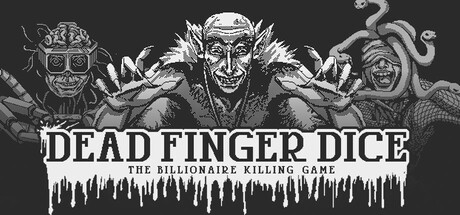
Dead Finger Dice: A Billionaire Killing Game is a darkly clever roguelite that turns a simple poker‑dice roll into a grotesque, high‑stakes survival ritual. Stranded aboard The Avarice, you’re forced into an underground tournament run by demon billionaires: roll five dice, bluff and reroll, and wager the ultimate currency, your own fingers.
Lose a match and you’re thrown overboard; win and you salvage fingers, materials, and cursed charms to forge ever stranger dice for the next run. The game pairs a stark, 1‑bit visual style and a killer soundtrack with razor‑sharp mechanics and mordant social satire, delivering a compact, tense experience where tabletop tension, light exploration, and dark humor collide.
Mechanics and Core Loop
At its core, Dead Finger Dice is a poker‑dice score attack wrapped in roguelite scaffolding. Each round plays out as a tense, tactile negotiation between luck and long‑term strategy:
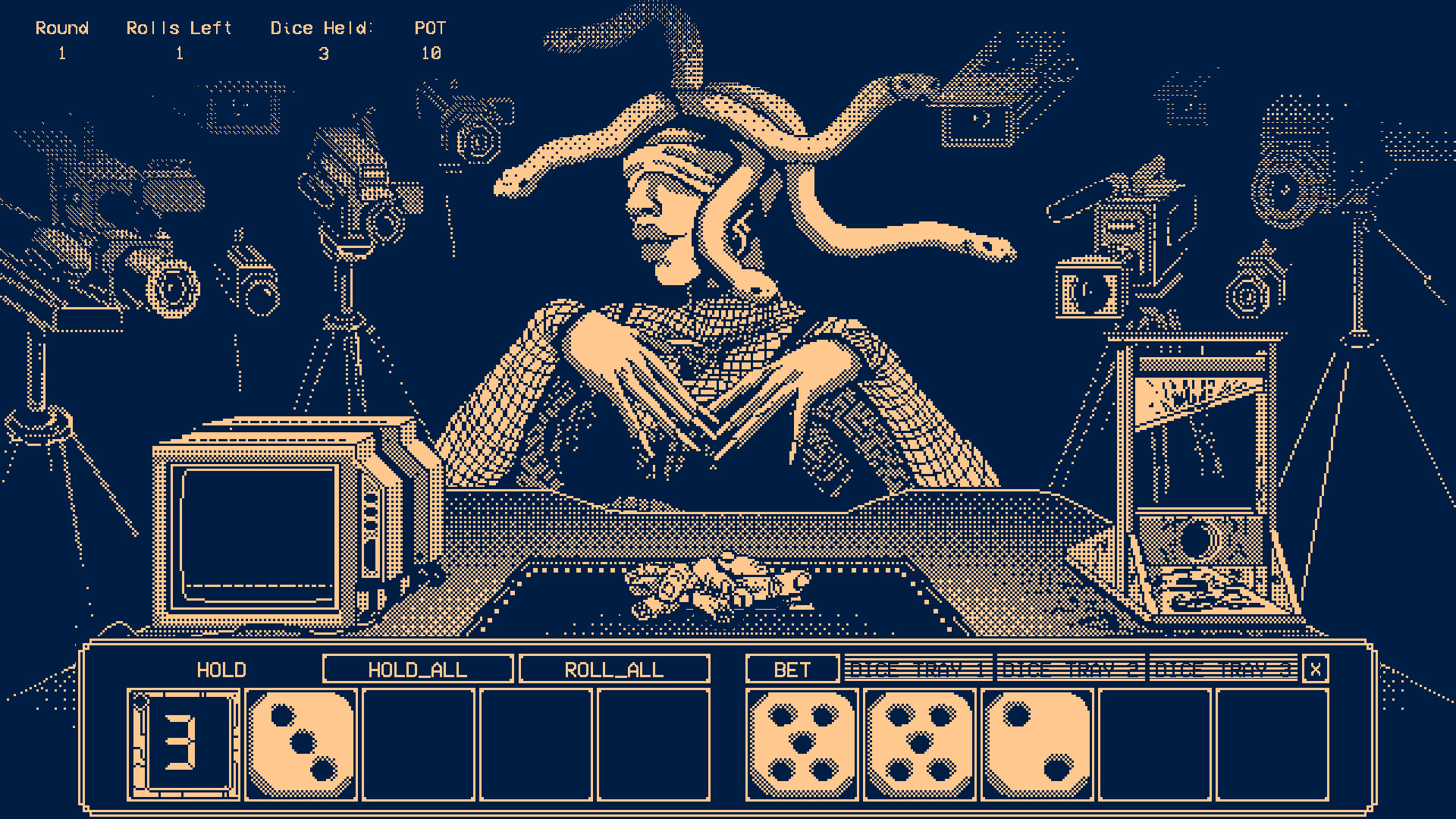
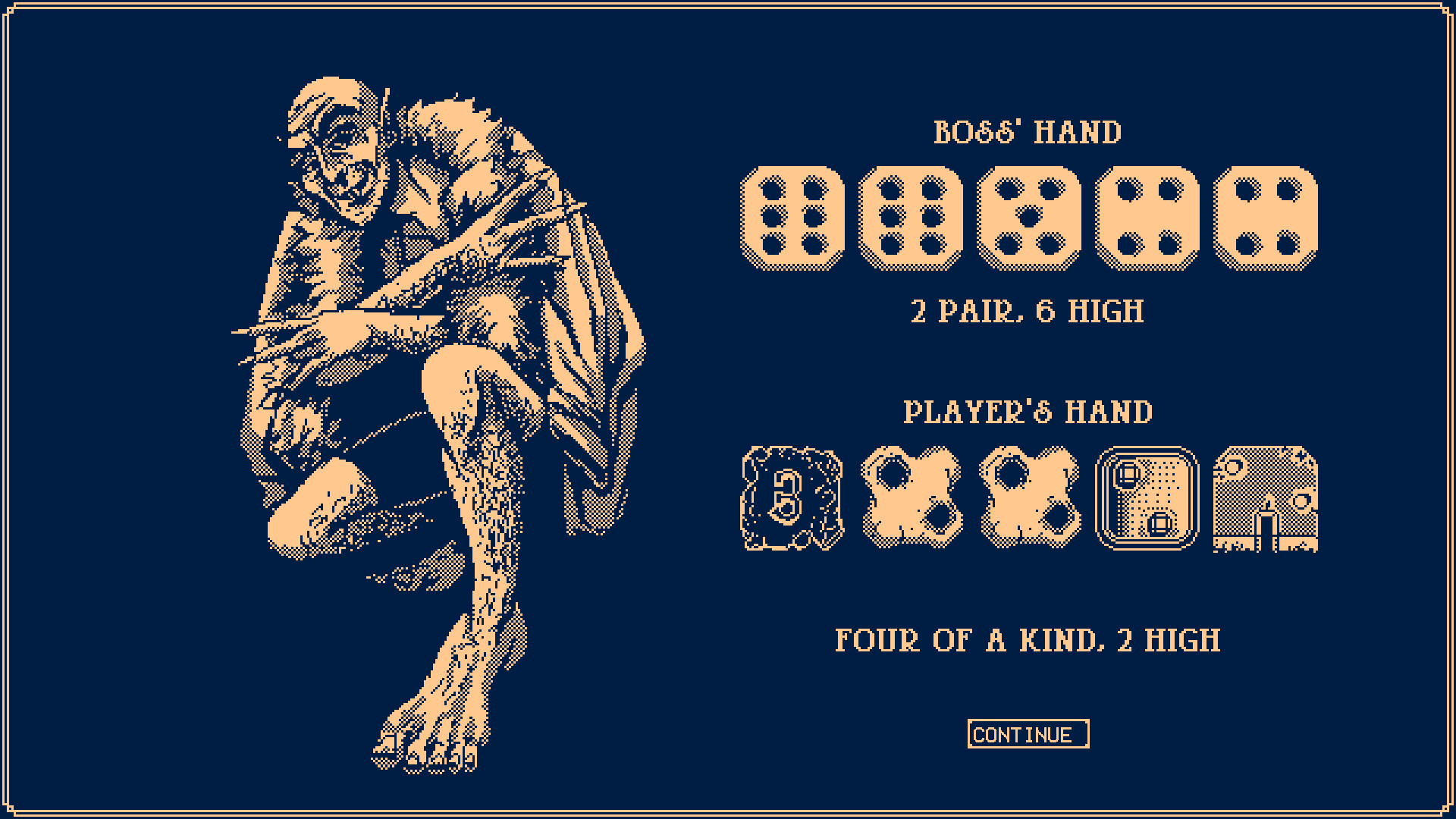
• Roll and refine: you roll five dice and get up to three rerolls to assemble the best poker hand; every decision about which dice to keep or chase matters.
• Fingers as currency - bets are literal sacrifices: cut off your own fingers or force opponents to lose theirs, turning wagering into a visceral, high‑stakes resource economy.
• Permadeath with persistence: lose a match and you die, reset, and start a new run; smart players hide valuables in their cell’s secret stash so some advantages survive the next life.
• Dice crafting and customization: between runs you spend materials and harvested fingers to forge charms, curses, and special dice abilities that reshape how hands resolve and how opponents can be countered.
That loop: roll, risk, upgrade, repeat - creates a satisfying tension where short‑term variance and long‑term planning both pull on your choices. The dice‑crafting system is the game’s standout: modular abilities let you build synergies, bait opponents, and design counters to boss patterns, turning a simple roll into a layered tactical puzzle.
Progression and Replay Systems
Progression is intentionally lean but consistently rewarding. Rather than bloating the loop with endless unlocks, Dead Finger Dice gives you a compact suite of meaningful upgrades: new dice modifiers, charms, and cursed effects, that materially change how hands resolve and how opponents react. Each acquisition feels consequential: a single charm can flip a matchup, and a well‑timed curse can turn luck into strategy.
• Persistent planning: the hidden compartment in your cell turns careful hoarding into a tactical choice; stash the right materials and fingers to seed stronger builds on your next run.
• Meaningful modifiers: dice abilities and charms rework core outcomes, enabling synergies, counters, and niche strategies rather than shallow stat bumps.
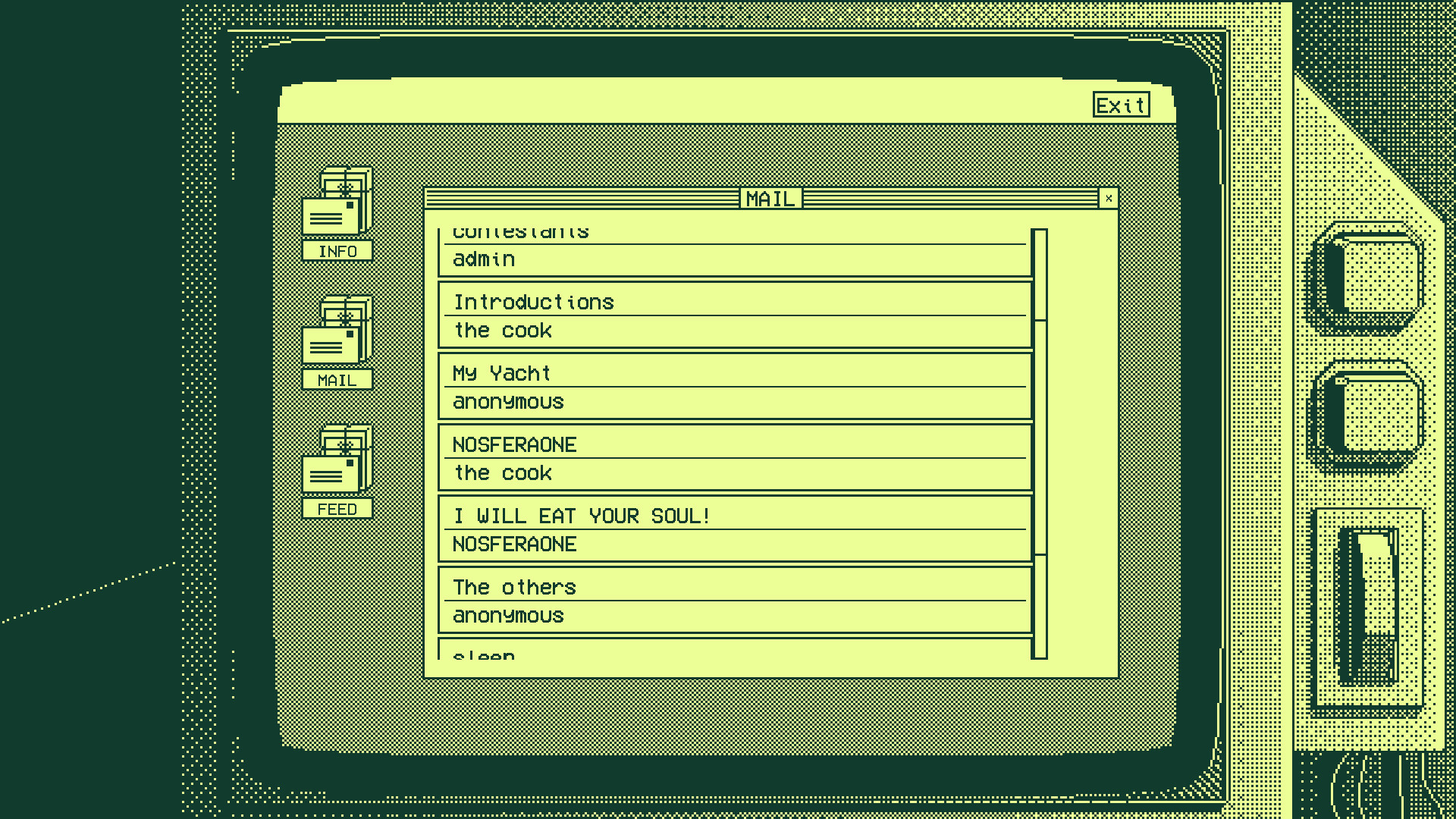
• Narrative incentives: a scattered codex, emails, and in‑game clues point toward multiple endings, rewarding players who explore and piece together the yacht’s secrets.
The result is progression that nudges you toward experimentation without overwhelming you: each run teaches something new, and every small upgrade reshapes the tactical landscape in satisfying, often surprising ways.
Replayability comes from:
• Deep dice customization: modular modifiers, charms, and curses let you craft wildly different builds. Swap abilities, stack synergies, and tailor dice to counter specific boss patterns; experimentation is rewarded, and a single new combo can completely change how a matchup plays out.
• Distinct boss encounters: five nasty bosses present multi‑phase fights with unique gimmicks and escalation. Each opponent demands a different approach: pressure management, timing, or targeted counters; though a few players have reported occasional inconsistencies in ability triggers that can make some encounters feel less predictable than intended.
• Narrative replayability: multiple endings are unlocked by decoding a scattered codex; emails, notes, and clues hidden around your cell point the way. That investigative layer gives you a reason to replay runs beyond mechanical mastery, turning each new attempt into both a tactical and narrative puzzle.
Aesthetic, Sound, and Tone
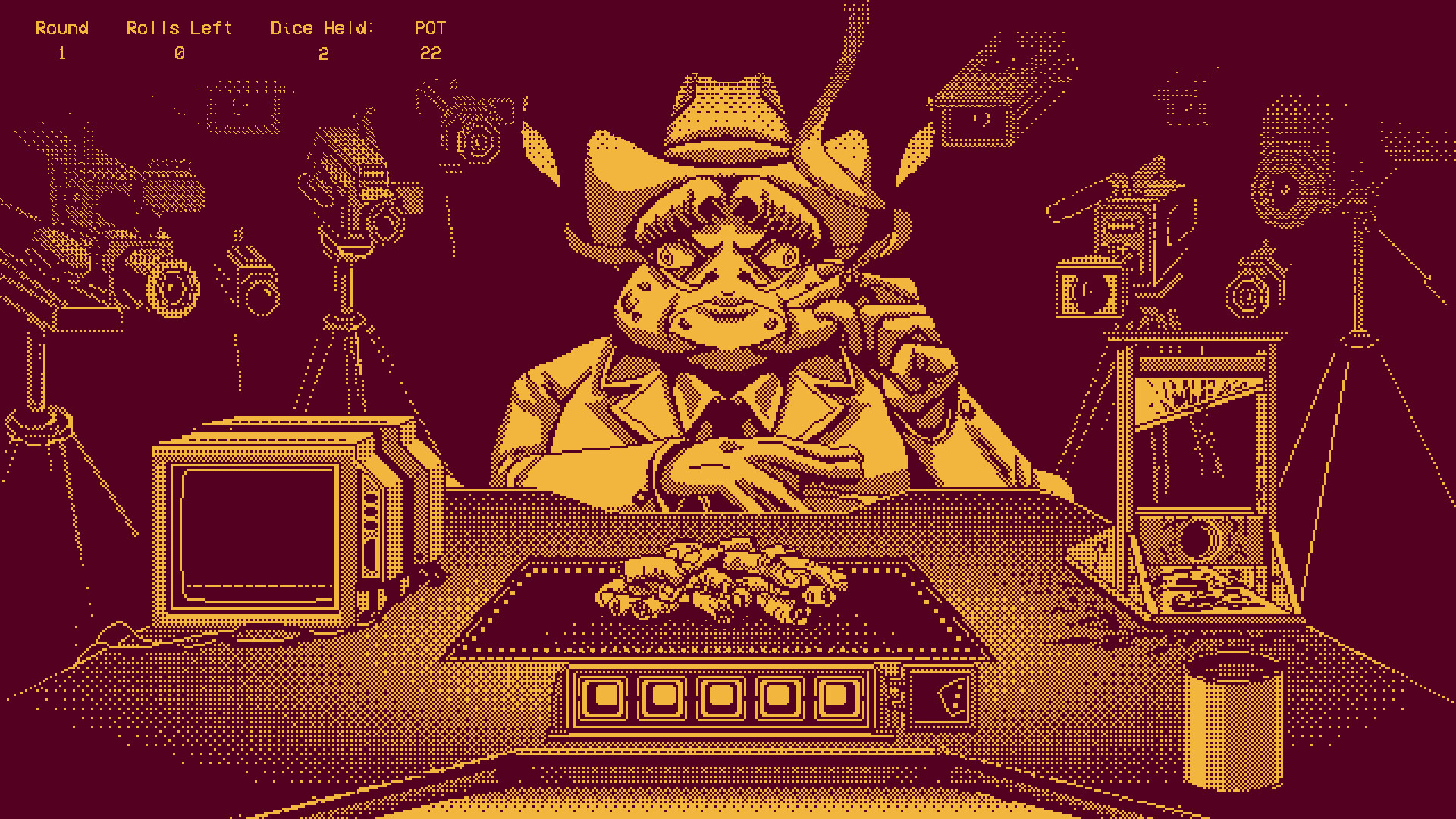
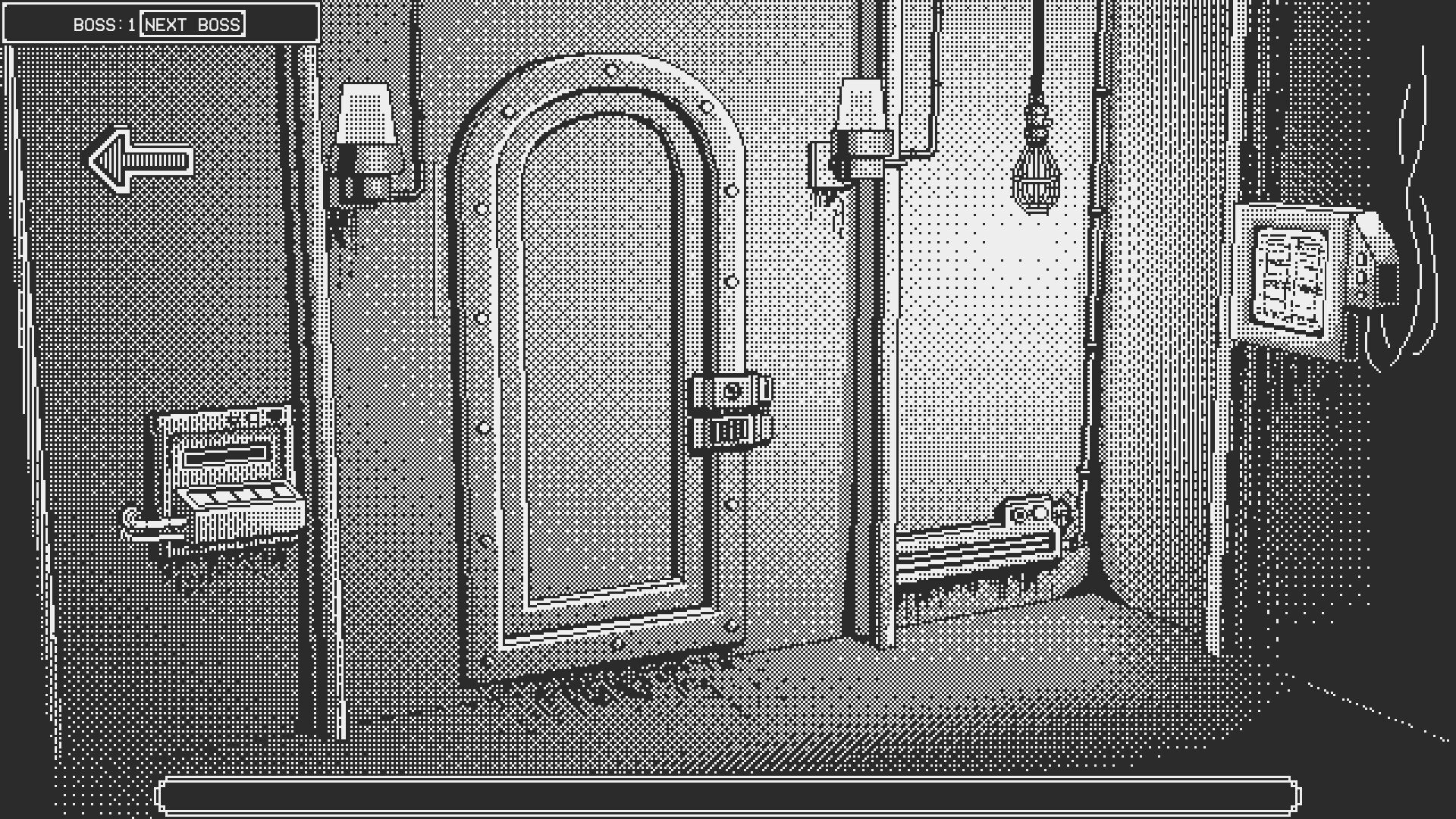
Dead Finger Dice leans hard into a cohesive, grimy aesthetic that never wavers. The stark 1‑bit visuals strip the yacht and its grotesque occupants down to bold silhouettes and high‑contrast detail, turning every corridor and card table into a memorable tableau of decay and excess. That minimal palette amplifies the game’s satire, wealth looks brittle and monstrous when reduced to jagged pixels.
The soundtrack is a standout pillar of the experience: moody, propulsive tracks that punctuate tense rolls and boss encounters, turning routine matches into cinematic showdowns. Sound design and music work together to make each victory feel earned and each loss feel like a small, theatrical tragedy.
Tonally, the game balances dark humor and dread with a confident hand. Its satire of class and cruelty is blunt but effective, and the overall presentation: visuals, score, and writing; coheres into a compact, unsettling atmosphere that carries the short campaign far beyond its mechanical bones.
Rough Edges and Technical Issues
The game’s concept and presentation are strong, but several issues temper the experience:
• Bugs and save problems: Reports of partial save corruption and item loss are serious for a roguelite that relies on persistent progression. Back up saves if you can.
• Inconsistent dice behavior: Some special dice (e.g., Glitch) reportedly behave unpredictably, and the order of ability triggers can feel opaque. Clearer rules and deterministic resolution would reduce frustration.
• Underused systems: The safe puzzle and certain boss mechanics feel underdeveloped or inconsistent, leaving players wanting more depth from promising ideas.
• Balance and AI predictability: A few reviewers found boss strategies predictable or final encounters too easy once certain builds are achieved.
• UX and tutorial gaps: Some mechanics aren’t explained clearly in‑game, which forces trial‑and‑error learning that can feel punitive given the finger‑betting stakes.
These problems don’t break the game, but they do limit its long‑term polish and player trust. Many of the issues are fixable through patches and clearer documentation.
Final Verdict
Dead Finger Dice is a bold, memorable riff on roguelite design that pairs a striking aesthetic and a phenomenal soundtrack with a darkly original core mechanic. The finger‑betting and dice‑crafting systems produce tense, often blackly comic moments of high risk and reward, and the codex‑driven multiple endings give the game narrative teeth beyond its match‑to‑match loop. Visually and sonically the game is confident, its 1‑bit grit and propulsive score make every table feel like a tiny theater of cruelty.
That said, the release is held back by technical and design rough edges: inconsistent dice interactions, opaque trigger order for abilities, and a handful of undercooked systems (notably the safe puzzle and some boss behaviors) undermine what should be a tighter tactical experience. Save‑file and item‑persistence bugs reported by players are the most serious issues, since they erode trust in the roguelite progression. These are fixable problems, however, and they don’t erase the game’s strengths.
If you’re drawn to inventive tabletop mechanics, enjoy high‑risk roguelites, and value atmosphere and soundtrack as much as systems, Dead Finger Dice is well worth your time now. With targeted post‑launch patches and deeper expansion of its best ideas, it has the makings of a cult favorite: a compact, viciously stylish game that could become truly exceptional.
Watch and Wishlist
• Why wishlist: A striking, darkly comic roguelite with a killer 1‑bit aesthetic, phenomenal soundtrack, and inventive dice‑crafting plus a high‑risk finger‑betting hook, great for players who like tense tabletop mechanics and replayable runs. Wishlist to support the dev and catch future expansions and fixes.
• How to stay informed: Wishlist on Steam to get release and update alerts; follow Rocket Adrift Games and publisher Black Lantern Collective on social channels and join the game’s Discord for patch notes, hotfixes, and community builds; check Bandcamp or the soundtrack pages for OST drops and composer updates.
• Price perspective: $4.99 - compact, stylish, and soundtrack‑heavy value for players curious about a bold, experimental roguelite; consider it a low‑risk buy if you enjoy dice games and dark satire.
Key Takeaways
• Core concept: A dark, inventive roguelite that turns poker‑dice into a visceral survival loop; bet fingers, roll five dice, and upgrade cursed dice to survive aboard The Avarice.
• Standout systems: Dice crafting and the finger‑betting economy create tense, high‑risk decisions and meaningful build variety.
• Presentation: Confident 1‑bit visuals and a phenomenal, cinematic soundtrack give the game a memorable, cohesive tone.
• Progression: Lean but impactful - modifiers, charms, and a hidden stash reward planning and experimentation; a codex and emails unlock multiple endings.
• Replayability: Strong for players who enjoy tabletop tactics and score‑driven runs; boss variety and modular dice encourage repeated attempts.
• Rough edges: Technical bugs, save‑file and item‑persistence issues, inconsistent dice interactions, and some undercooked systems (safe puzzle, boss triggers) reduce polish.
• Who it’s for: Ideal for fans of inventive tabletop mechanics, dark satire, and roguelites who value atmosphere and soundtrack as much as systems.
• Verdict: A bold, stylish game with a brilliant core and cult potential; play now if the premise hooks you, and expect a better experience as post‑launch fixes and expansions arrive.
Game Information:
Developer: Rocket Adrift Games
Publisher: Black Lantern Collective
Platforms: PC (reviewed)
Release Date: October 24, 2025
Reviewed by: Justin Garcia
Reviewed on: February 22, 2026
Score: 7.0 / 10 👍
⭐⭐⭐⭐⭐⭐⭐☆☆☆

Dead Finger Dice is a bold, memorable concept carried by a killer soundtrack and confident 1‑bit style. The dice‑crafting and finger‑betting systems deliver tense, often hilarious moments, and the roguelite loop rewards experimentation. Technical bugs, inconsistent die interactions, and a few undercooked systems hold it back from greatness, but the core is strong and highly promising with post‑launch polish.
“7/10 - A stylish, darkly funny roguelite with brilliant ideas; fix the bugs and expand the systems and it could be unforgettable.”
