Lover’s Enigma - Navigate loss and suspicion, shape how others see you, and find small moments of care between the hard decisions. (Demo Impressions)
I walked into this demo expecting a moody visual novel. I left with a knot in my chest and a dozen choices I wanted to test again. It’s intimate, sharp, and a little unsettling… in a good way!

What This Game Is All About
This one grabs you by the feelings and doesn’t let go.
You step into the shoes of Miyuki, whose life is upended when her new marriage falls apart after her husband’s mysterious death. As you navigate her grief, you uncover unsettling secrets tied to a shadowy cult. This leads to making choices that shape how others perceive you. The story feels deeply personal, asking you to balance feelings of loss with growing suspicion.
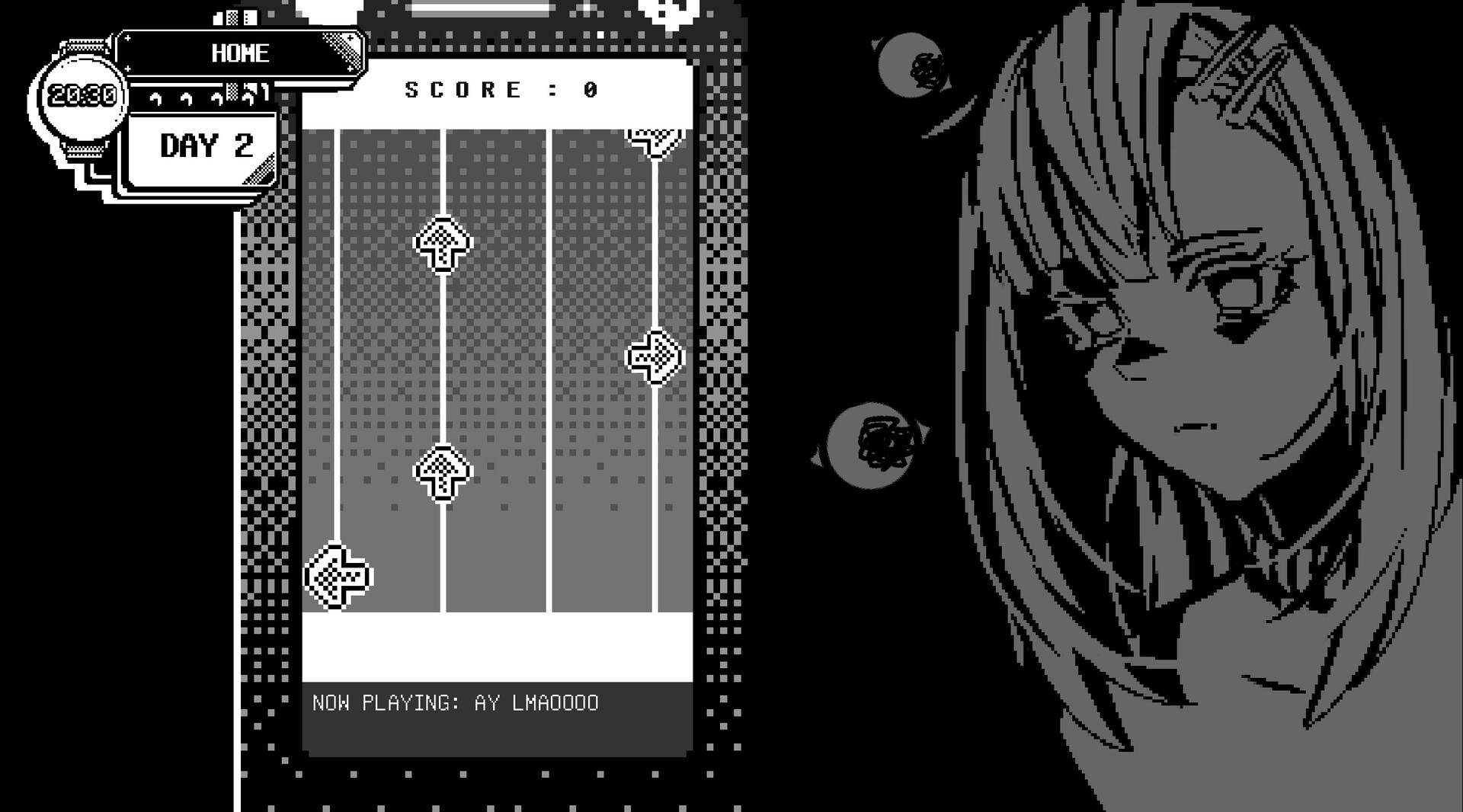
Lover’s Enigma blends a choice-driven story with relationship drama and a central mystery. Most of your time is spent reading, making decisions, and replaying scenes to see how different men respond. The rhythm mini-game adds a thoughtful layer by symbolizing small moments of self-care and helping you manage Miyuki’s mental state between intense scenes.
Watch the trailer here:
Core Loop & Mechanics: How It Plays
The demo flows like a conversation, shifting its mood in unexpected ways.
Each playthrough in the demo covers Miyuki’s first five days. You’ll read scenes, choose your responses, and decide who earns your trust. Choices come fast, and even small ones echo in later moments. The game encourages you to explore. This can be achieved by digging into side options and you’ll uncover extra scenes and clues about the cult.
At its core, it’s a visual novel with a few fresh twists. The rhythm mini-game offers a break from reading and connects directly to Miyuki’s mental state. Succeed, and you gain a bit of relief… but if you stumble, the next day feels heavier. The story unfolds through your choices, unlocking different endings and artwork as you build relationships and follow leads. Getting the most out of it means knowing when to press forward and when to hold back.
The challenge is more about emotions than mechanics. The demo gently pushes you to replay and explore different paths. That replay is key. Meaning… the more you dive in, the clearer the tangled motives become.
Visual Identity: The Game’s Look and Style
It’s quietly beautiful… with a soft, thoughtful touch that feels both gentle and intentional.
Aesthetic
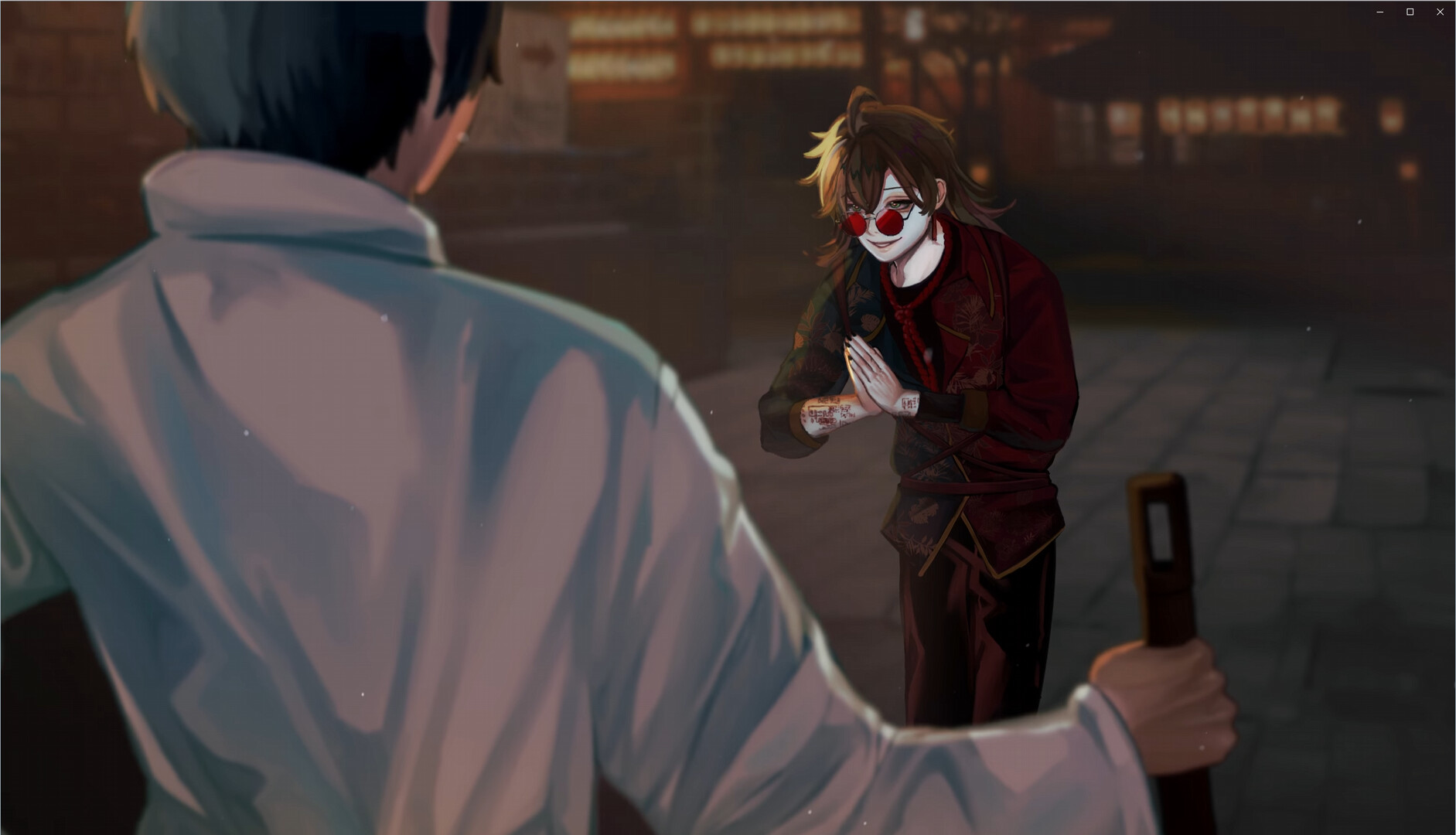
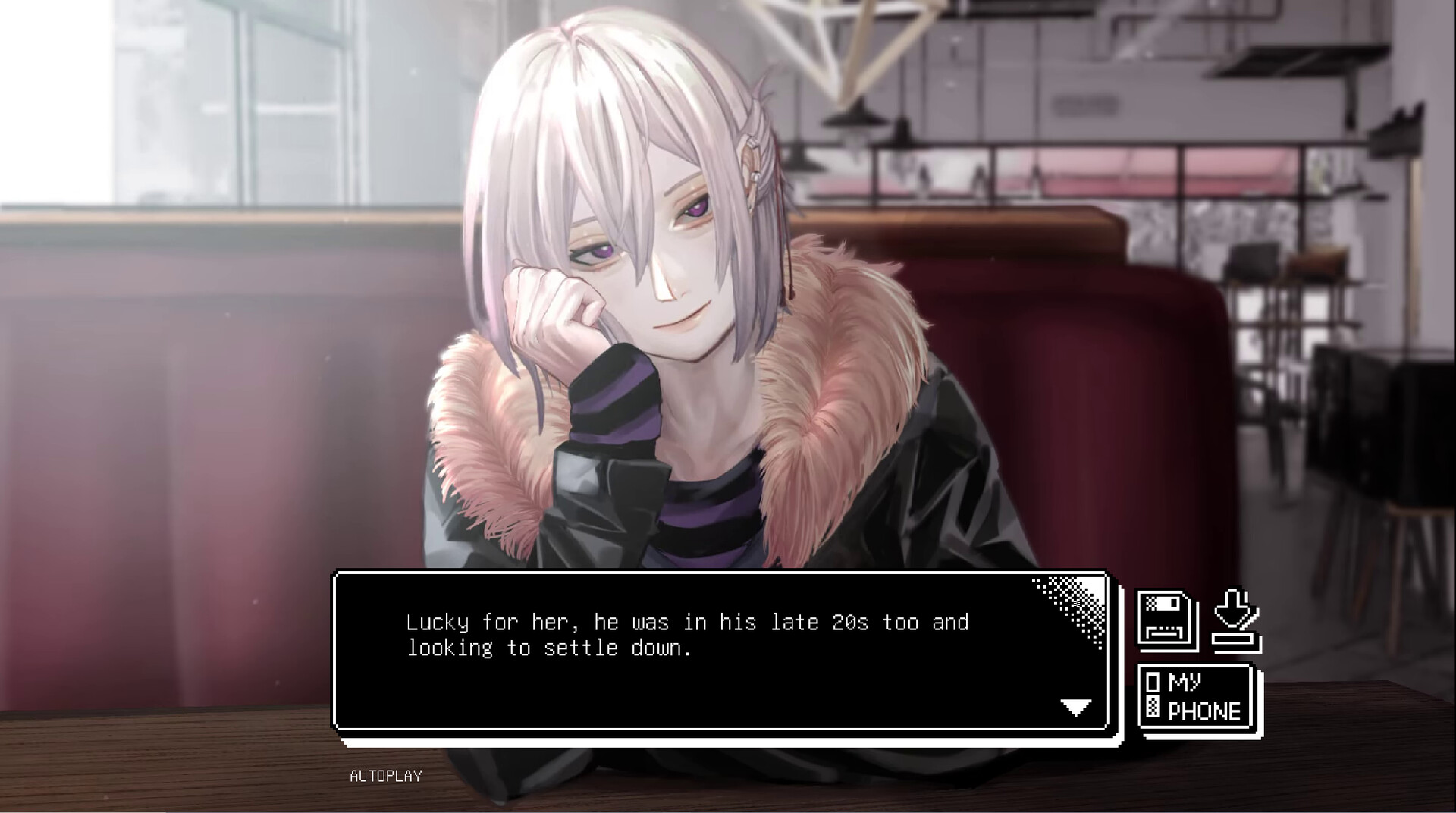
The art feels gentle and rich in detail. Character portraits capture small, telling expressions that speak volumes. Backgrounds come alive with a lived-in feel, from a cozy apartment, a quiet shrine, or a rain-soaked street corner. The muted colors match the story’s calm, thoughtful atmosphere.
Audio Cues
Voice calls and partial voicing bring the world to life. The soundtrack is simple but effective… ranging from soft piano, gentle synth, and a distant hum that lingers. Everyday sounds like a phone ringing or a door closing stand out, making quiet moments feel more real and impactful.
Design Intent
The visuals and sound work quietly, drawing you in without overwhelming. They gently guide your attention to the characters’ faces and the conversations, where the real emotions live.
Multiplayer and Replayability: Social Dynamics
It’s made for quiet, personal reflection… but it invites connection, too.
There’s no co-op or PvP here. Instead, the social side comes from swapping stories about your choices and endings. The demo sparks conversations right away… Who did you trust? Who was lying? Which ending felt real? It’s easy to see why Discord chats and forum threads grow naturally around it.
Replayability is simple but satisfying. Multiple endings, hidden artwork, and different male leads give you plenty of reasons to revisit those first five days. The rhythm mini-game and sanity meter add a bit of mechanical variety, which shifts how scenes unfold. If you enjoy unpacking character motives… then you’ll find yourself replaying this demo more than once!
Final Verdict
This demo comes across as genuine and grounded, and doesn’t promise more than it can deliver.
Lover’s Enigma captures its tone and characters beautifully. Miyuki’s grief hits with genuine emotion. While the male leads each feel unique, making your choices truly impactful. The rhythm mini-game offers a clever, meaningful pause from the reading. The demo shows a few rough edges in technical polish and UI… such as tooltips and pacing needing a bit more finesse. Nonetheless, these are minor issues that can be smoothed out.
Notable Strengths: Strong writing, focused mood, and meaningful branching.
Notable Limitations: Occasional UI roughness and thin accessibility options.