Mosaica: Arboreal - Tap, combine, and cultivate: a meditative nature‑punk puzzle RPG where mosaic clicks grow spirits, loot, and layered strategies. (Game Review)
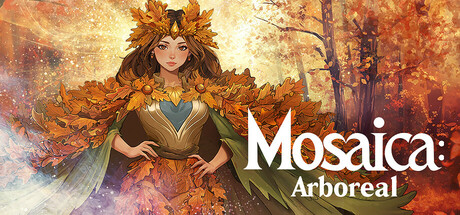
Mosaica: Arboreal reimagines the clicker as a meditative, nature‑punk puzzle RPG: you tap mosaic tiles to harvest resources, then layer survivor‑style abilities and loot‑driven choices into each encounter.
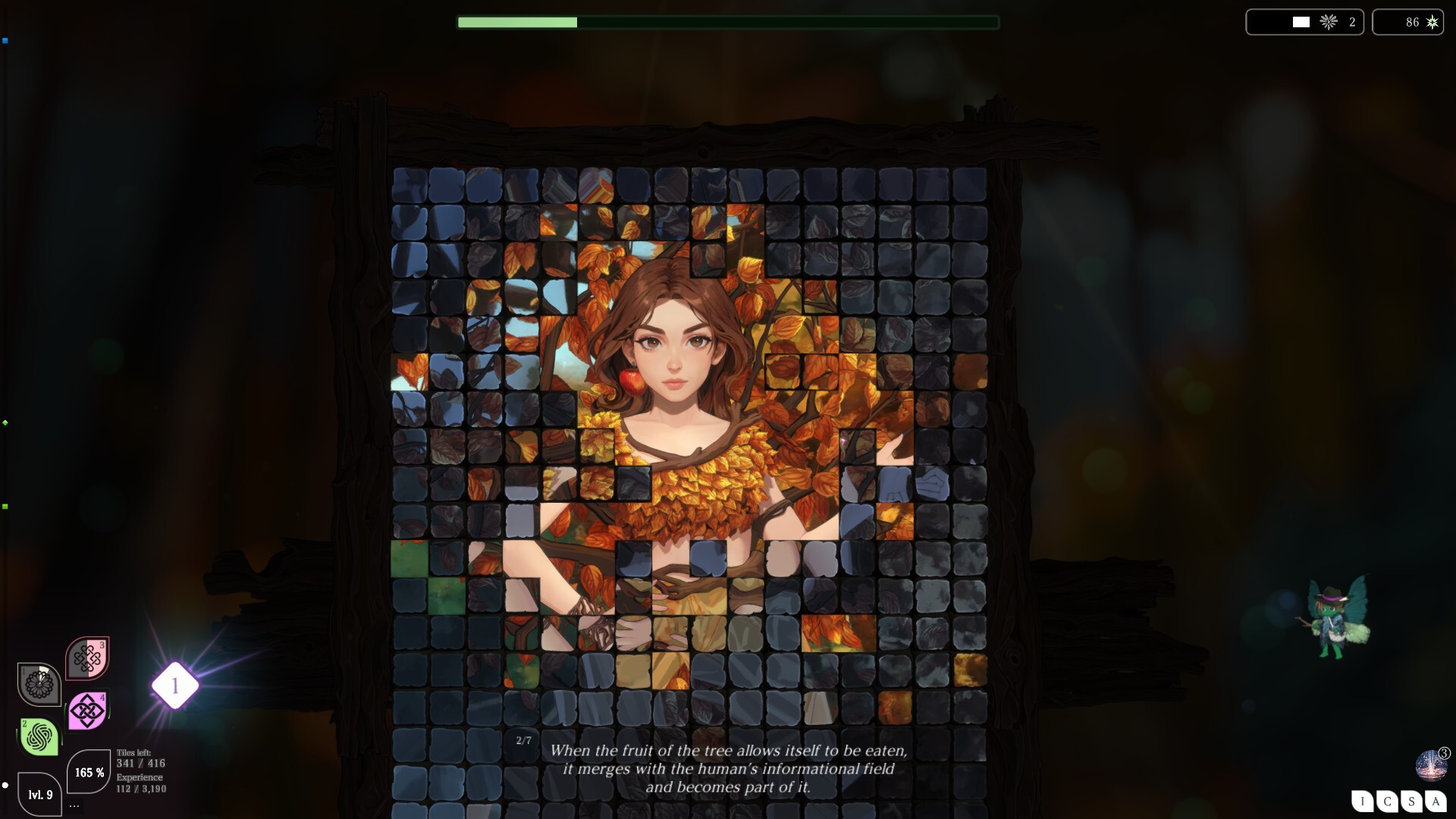
The loop is deceptively simple: click, unlock, combine, and optimize, but it blooms into strategic depth as you collect artifacts, recruit tree spirits, and tune builds to solve increasingly intricate puzzles.
Wrapped in lush, handcrafted visuals and a calming soundscape, the game leans into ritual and repetition as a form of gentle play: grow, evolve, and unwind one soothing victory at a time.
Core Gameplay Loop
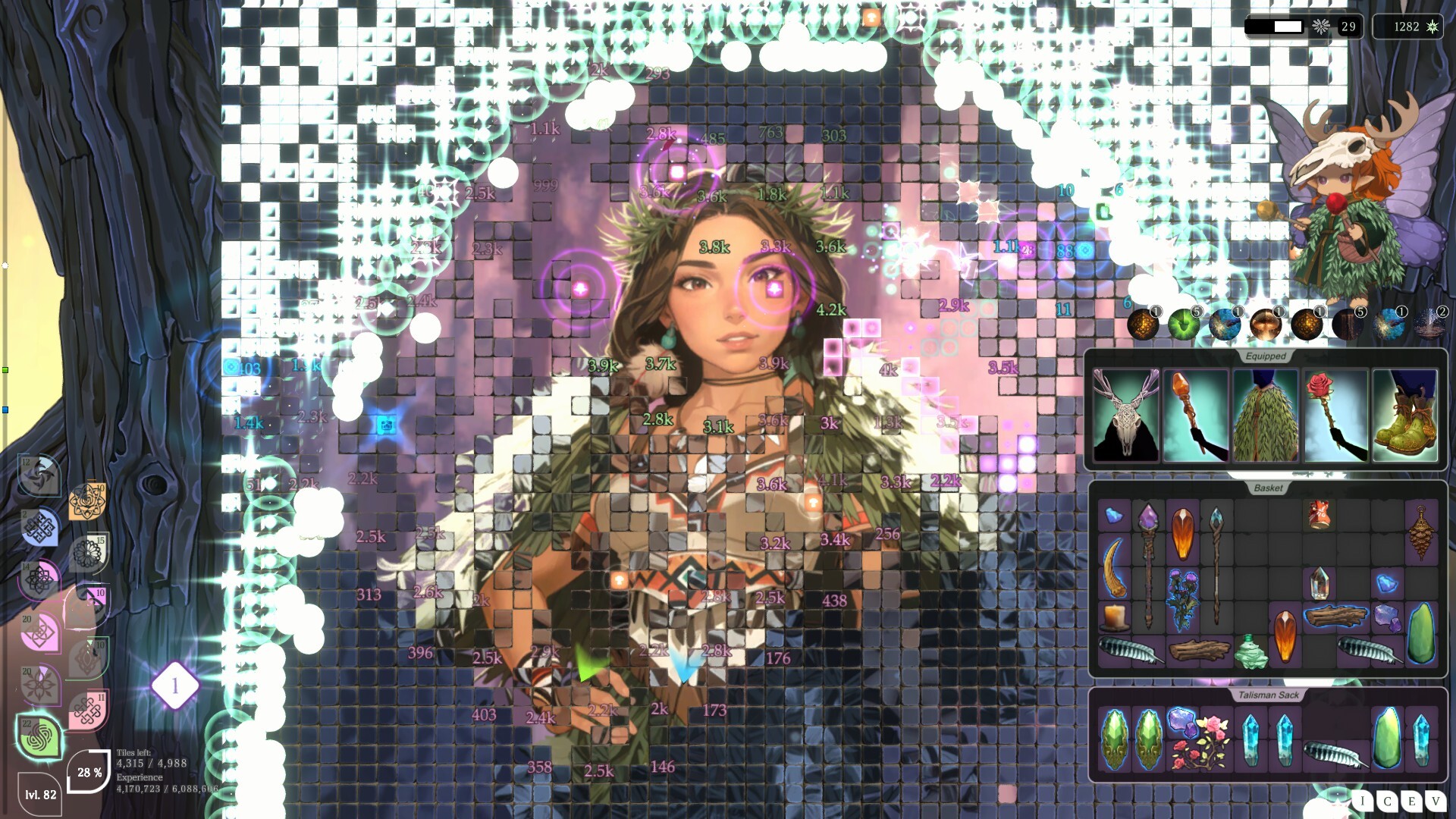
• Tile clicking and mosaics: The primary interaction is clicking tiles to reveal and solve mosaic pieces; repeated clicks drive steady resource gain and open new puzzle opportunities.
• Ability discovery and leveling: Abilities are found and upgraded in a survivor‑like progression: experiment, stack synergies, and adapt your loadout to the puzzles ahead.
• Loot and customization: The world is rich with enigmatic artifacts (wands, mystic stones, leaf cloaks, elk skulls) that alter playstyles and encourage stat comparisons and build optimization.
• Tree spirits and coven choices: Choose which tree spirits to ally with in the Coven of the Forest; their powers must be managed strategically to maximize impact.
• Environmental care: A light eco‑mechanic rewards cleaning up forest garbage, tying small actions to a sense of gratitude from the world.
These systems combine to create a loop that’s part tactile clicker, part number‑heavy loot chase, and part slow puzzle meditation.
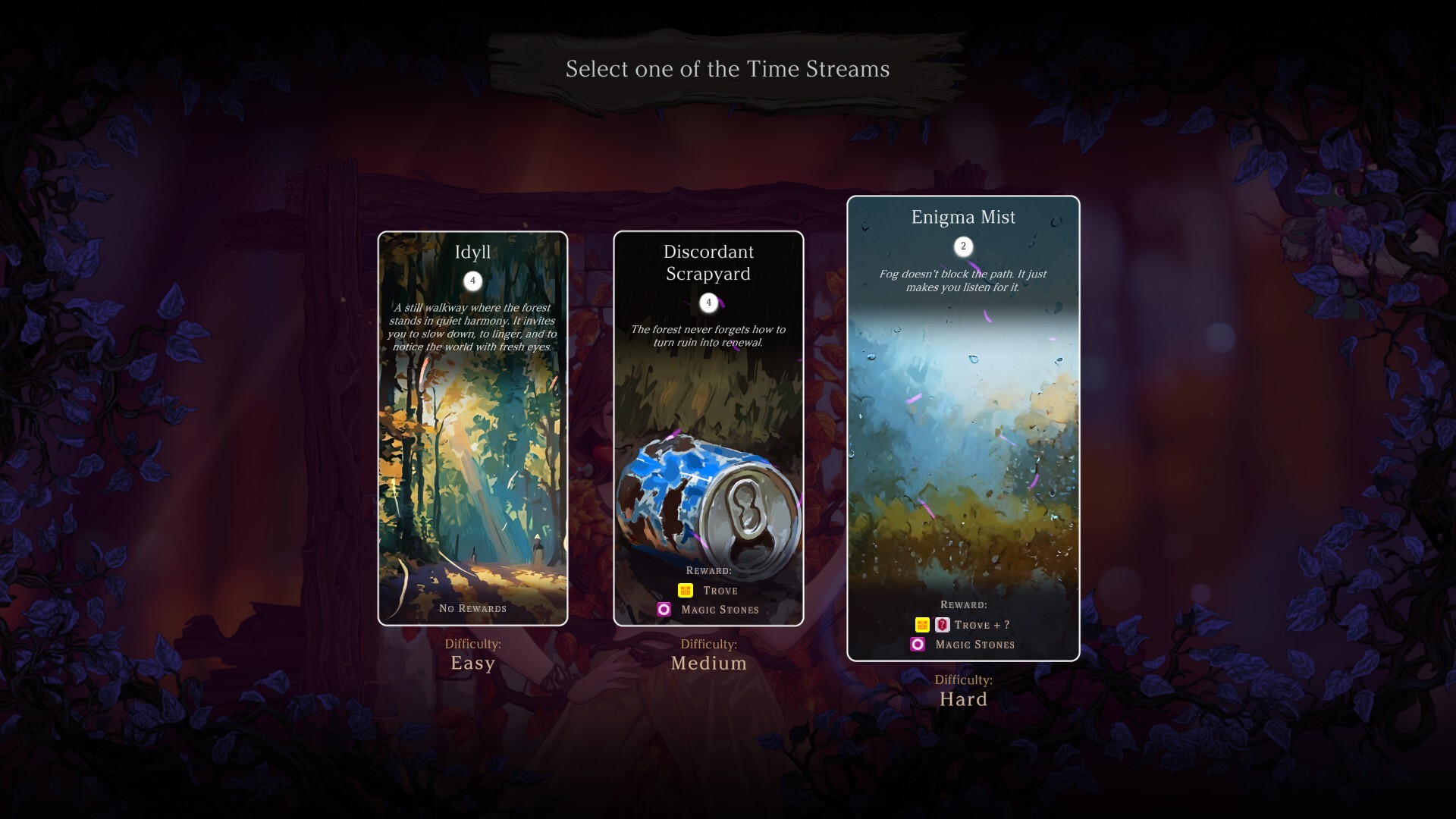
Presentation and Tone
Visuals and audio are the game’s strongest cards. The art is lush, handcrafted in a goblincore‑meets‑forest‑shrine style that feels like an ASMR spa for the eyes. The soundtrack and ambient design reinforce the game’s calming intent, making even repetitive clicking feel oddly soothing. The writing and thematic inspiration (including the quoted line about forgetting to remember yourself) give the game a contemplative, slightly mystical edge that sets it apart from more mechanical clickers.
Strengths
• Hybrid systems: The mix of clicker pacing, ability management, and loot optimization offers multiple playstyles: casual tapping, strategic buildcrafting, or obsessive min‑maxing.
• Meaningful artifacts: Items and spirits can meaningfully reshape encounters, encouraging experimentation and replay.
• Gentle pacing: The game is designed to be calming rather than frantic; it’s easy to pick up for short sessions.
Issues and Player Concerns
• Reported mechanical inconsistencies: Some players report unpredictable tile rotations, mismatched tile art, and upgrade outcomes that don’t match their descriptions. These issues can make core puzzle interactions feel unreliable.
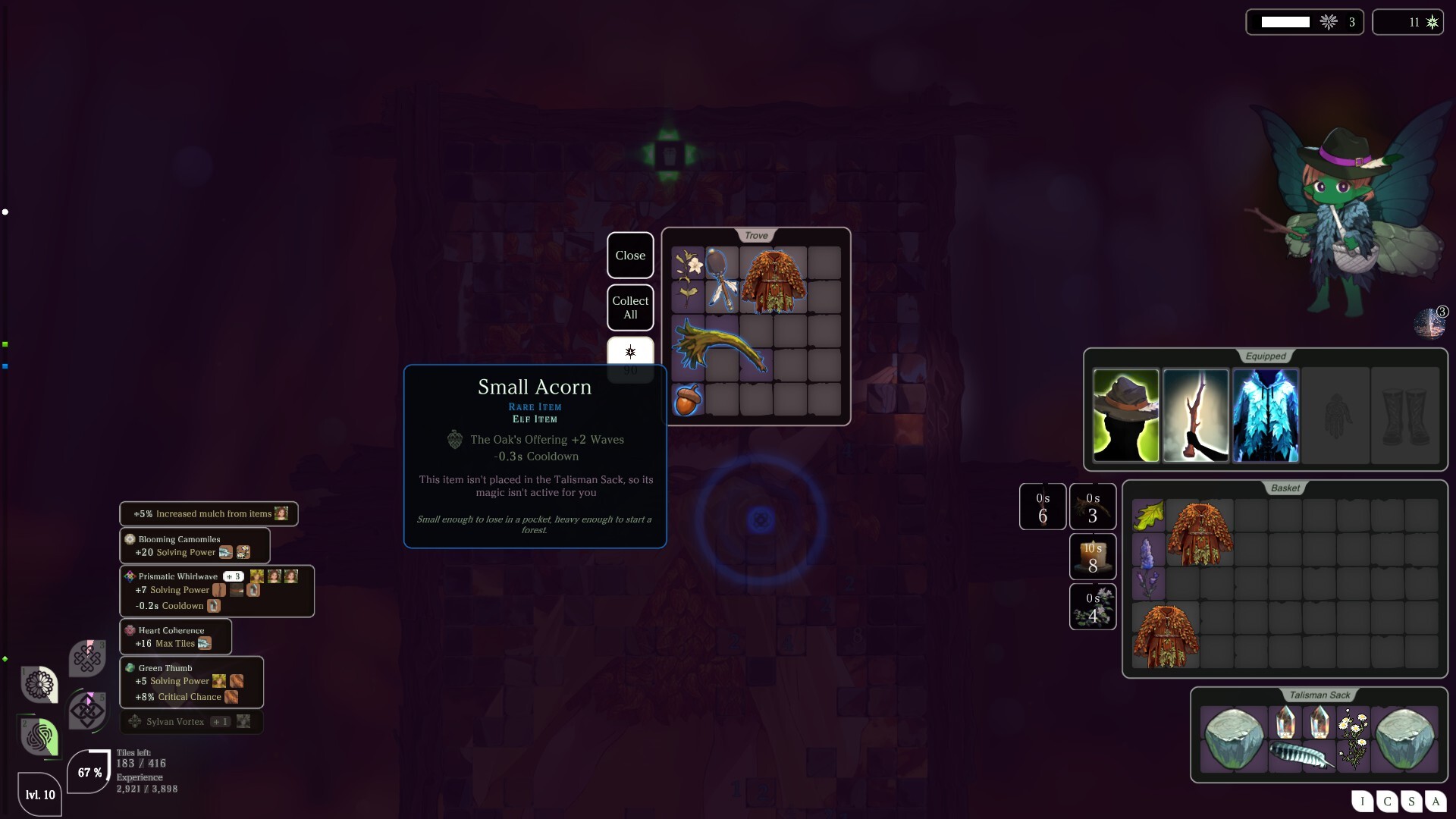
• Opaque upgrade and crafting behavior: The item upgrade system has been described as inconsistent or confusing, with unclear rules about how modifiers apply or stack.
• UI and clarity: In‑game text and UI elements can feel small or poorly explained; overlapping timed instructions have been reported to overwhelm new players.
• Trust and transparency questions: A portion of the community has raised concerns about the use of AI in asset creation and whether that was clearly disclosed; this has affected some players’ perception of polish and developer transparency.
• Bugs and polish: Beyond design clarity, players have flagged bugs (audio, UI, save/progression oddities) that undermine confidence in long‑term progression.
The good news is that many of these are fixable through patches and clearer documentation; the bad news is that they materially affect the player experience until addressed.
Final Verdict
Mosaica: Arboreal remains an imaginative, visually striking experiment in hybrid incremental design, but the sense of handcrafted warmth the game promises is noticeably diluted by heavy reliance on AI‑generated assets.
Where the game’s concept and systems suggest a meditative, human‑made ritual, many visuals, audio cues, and text elements feel derivative or procedurally produced rather than lovingly crafted, an aesthetic gap that undercuts the emotional texture the title aims for.
That lack of original, human‑tuned content makes inconsistent mechanics and opaque upgrade behavior feel less forgivable; when art and writing don’t read as intentional, bugs and unclear systems come across as sloppier and erode player trust.
All that said, the underlying design: spirit choices, loot variety, and the slow, ritualized loop, still has merit. What the game needs now is clearer disclosure about how AI was used, plus a round of human‑led polish: tighten upgrade feedback, standardize crafting outcomes, rework UI clarity, and selectively replace or rework AI assets with handcrafted alternatives where it matters most. With transparency and a renewed human touch, Mosaica: Arboreal could reclaim the soothing, original personality it aspires to and become a quietly beloved niche title.
Key Takeaways
• Core idea: A hybrid incremental puzzle‑RPG that mixes tile‑clicking, survivor‑style ability management, and loot optimization into a slow, ritualized loop.
• Aesthetic strength: Visually striking naturepunk presentation and a calming soundscape give the game a distinctive, meditative mood.
• Gameplay loop: Click tiles for resources, discover and level abilities, and assemble artifact‑driven builds that reward experimentation and strategic choices.
• Spirit and loot systems: Coven choices and enigmatic artifacts meaningfully alter playstyles and encourage replay and build variety.
• Accessibility: Designed for short, soothing sessions with an approachable pace that supports both casual tapping and deeper min‑maxing.
• Mechanical concerns: Players report inconsistent tile behavior, opaque upgrade outcomes, and confusing rules that undermine reliability.
• AI asset usage: The release relies heavily on AI‑generated assets rather than consistently handcrafted elements; that reliance weakens the game’s claimed artisanal feel and makes polish issues feel more pronounced.
• Trust and transparency: Community questions about how AI was used and limited disclosure have eroded some player confidence; clearer communication is needed.
• Fixability: Many problems are addressable; better UI feedback, standardized upgrade rules, targeted bug fixes, and selective human rework of key assets would substantially improve the experience.
• Who should play: Try it if you value atmosphere, gentle progression, and experimental buildcraft; wait or watch if you need deterministic puzzle mechanics and fully polished systems.
Game Information:
Developer & Publisher: RymPow
Platforms: PC (reviewed)
Release Date: January 24, 2026
Reviewed by: Mandy Valentine
Reviewed on: February 23, 2026
Score: 4.0 / 10 👎
⭐⭐⭐⭐☆☆☆☆☆☆

A visually intriguing concept undermined by inconsistent mechanics, opaque upgrades, and heavy reliance on AI assets that dilute the handcrafted promise. The aesthetic and core loop show potential, but reliability and transparency issues make the experience frustrating rather than calming for many players.
“4/10 - Beautiful in idea and tone, but inconsistent systems and questionable asset provenance keep it from delivering the soothing, handcrafted experience it promises.”
