Running Fable Petite Party: Sixteen slapstick mini‑games, chaotic board‑game turns, and friendship‑testing mayhem for 1-4 players. (Game Review)
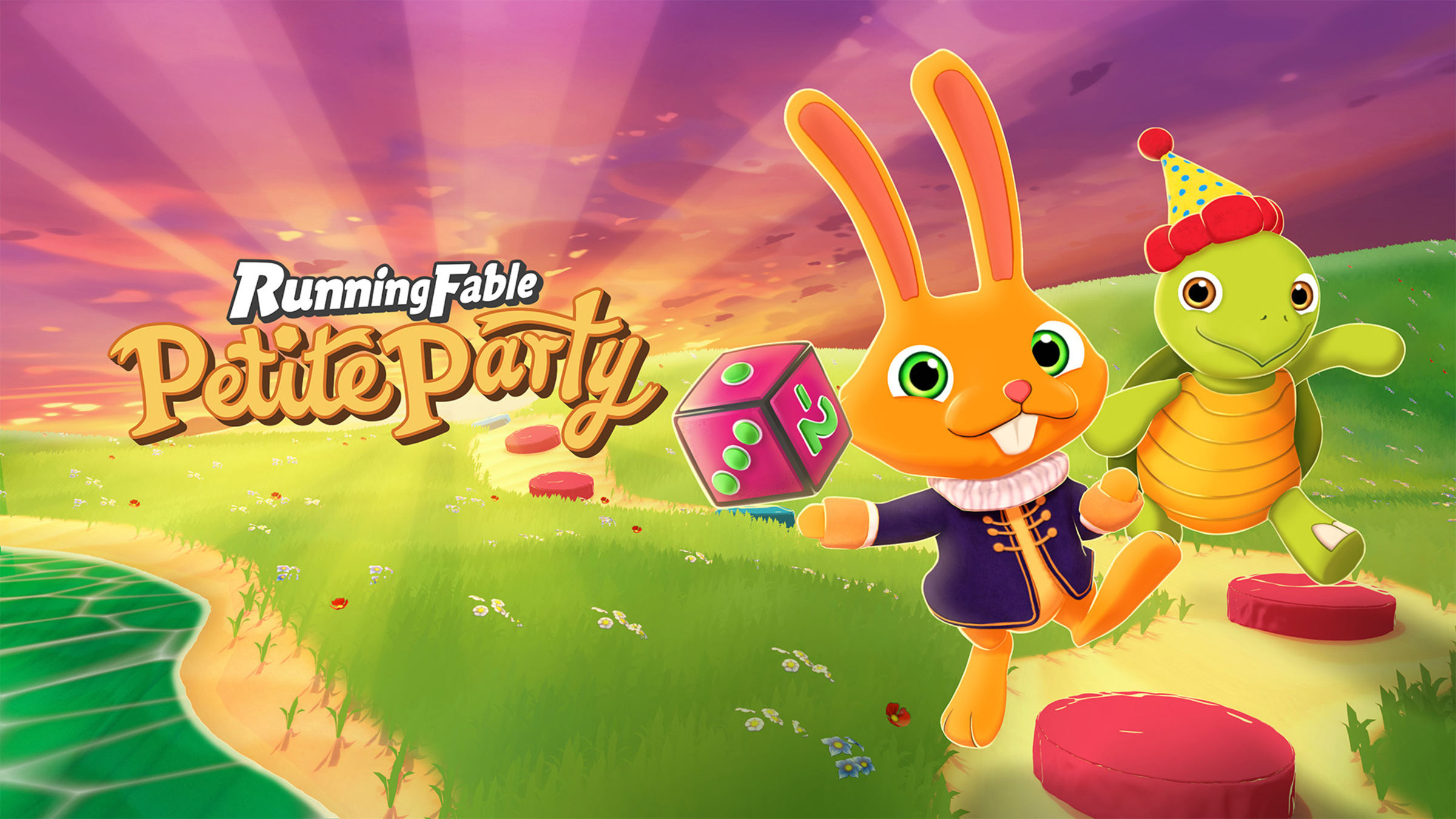
Running Fable Petite Party is a compact, mischievous party game from Seashell Studio that drops 1–4 players into 16 fast‑paced mini‑games across three tabletop arenas. Released 30 January 2026 on PC, Nintendo Switch, Xbox, and PlayStation, it leans into slapstick physics, expressive character animation, and a clever board‑game layer that turns every mini‑game into a strategic, friendship‑testing moment.
Rounds are short and explosive: think frantic sprints, chaotic sabotage, and clutch comebacks, while the tabletop mechanics add meaningful choices between bouts, so a lucky roll or a well‑timed shove can flip the whole match. The tone is playful and irreverent: bright visuals, goofy sound design, and constant opportunities to gloat, groan, or burst into laughter make it an ideal pick for living‑room chaos.
Core loop and gameplay
The loop is immediate and deeply satisfying: roll, play, react. Each turn on the tabletop board sends you into a bite‑sized mini‑game or event, then players resolve outcomes, move pieces, and recalibrate strategy for the next skirmish.
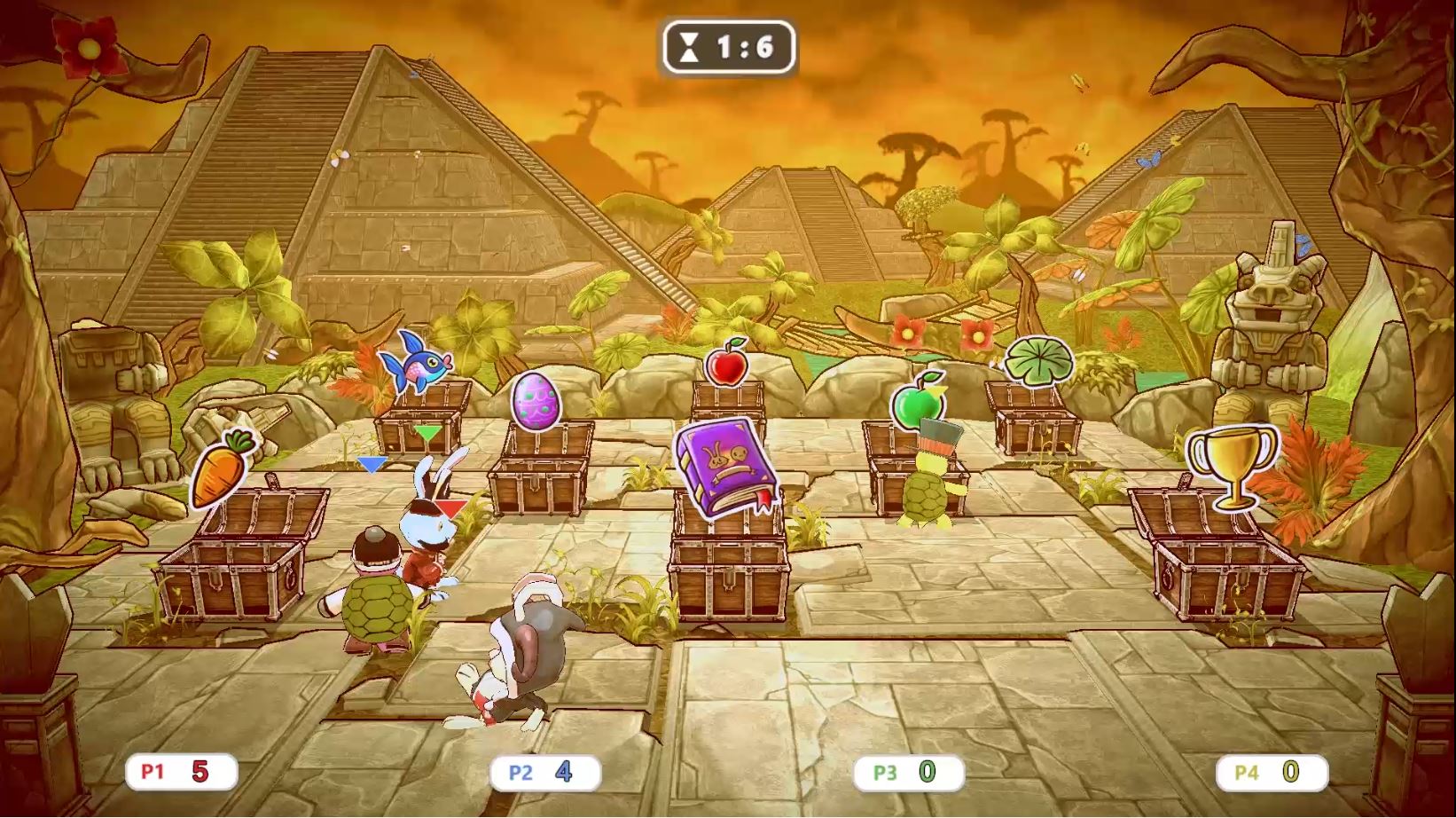
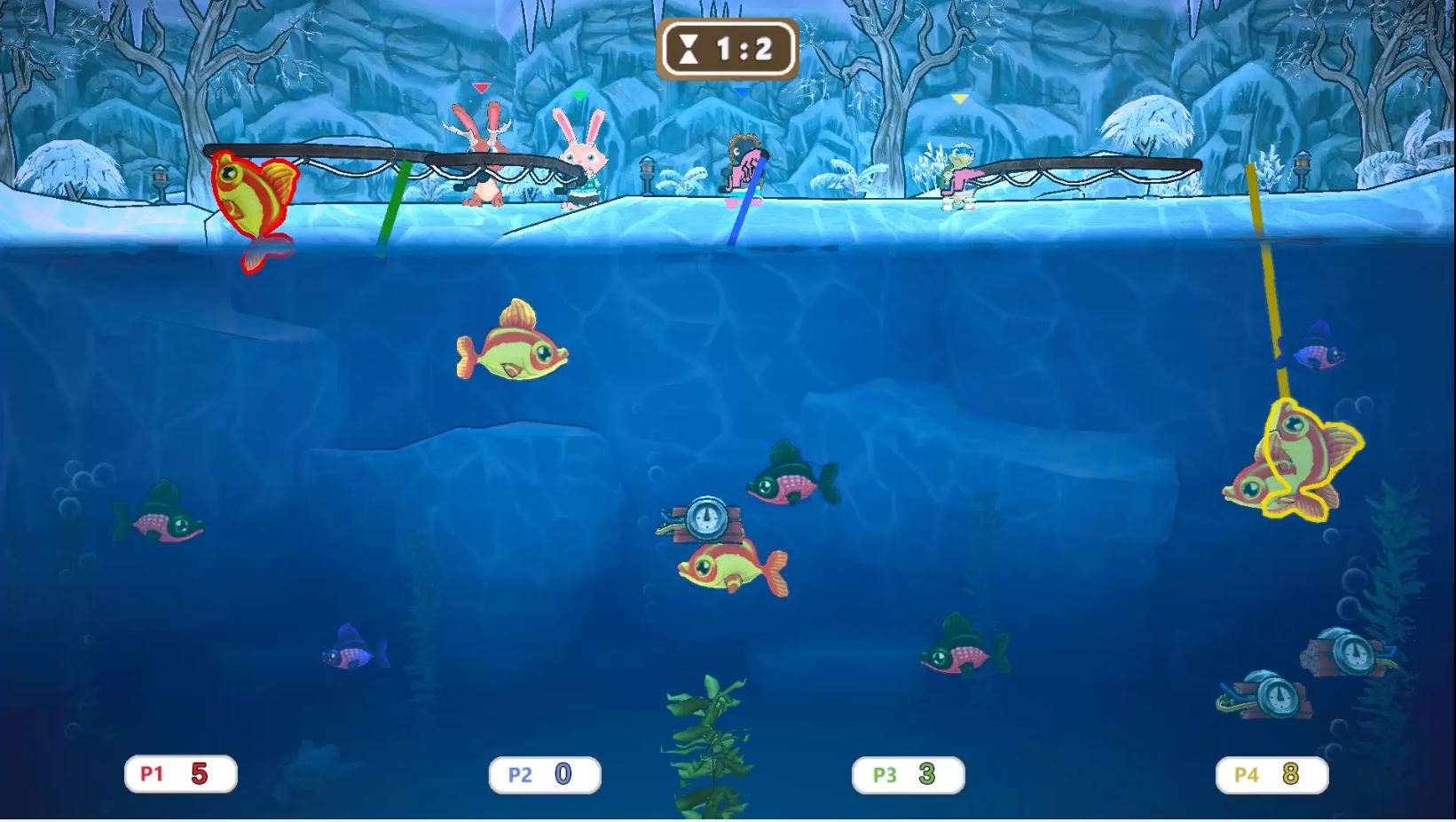
Mini‑games are engineered for instant thrills: sprints, balance tests, timing puzzles, tug‑of‑war sabotage, and frantic object grabs, so reflexes matter, but so do positioning and opportunism.
Simple controls lower the entry bar, while the physics and timing create room for skillful clutch plays; the board layer amplifies that tension, as dice rolls, tile effects, and mini‑game selection turn tiny choices into match‑defining swings.
Social play and replayability
This is a party‑first title. Local multiplayer is where Petite Party truly sparkles: grab the couch, hand out controllers, and brace for loud, chaotic sessions that reward trash talk as much as timing. Replayability is baked into the design:
• Varied mini‑games: Sixteen bite‑sized challenges; sprints, balance tests, sabotage rounds, and timing puzzles, keep each match unpredictable and fun.
• Three tabletop arenas: Distinct boards shift pacing and strategy; one map favors aggressive plays, another rewards careful positioning, and the third amplifies chaos with wild tile effects.
• High player interaction: Sabotage mechanics, stealable items, and punishing tile effects create comeback moments and fuel rivalries.
• Flexible session types: Jump into Quick Play for instant mayhem, run a Board Campaign for a longer cup, or stage Championship‑style tournaments for bragging‑rights nights.
• Social hooks: Easy controls make it accessible to newcomers, while clutch timing and board strategy give experienced players room to outplay and out‑trash‑talk.
Solo players can practice, unlock content, and enjoy the mini‑games, but the game’s best memories: ridiculous upsets, dramatic reversals, and shared humiliation, happen with friends in the room.
Rough edges and launch notes
Seashell Studio nails the game’s personality, but expect a few rough edges that come with arcade‑style party releases. Several mini‑games lean toward swinginess, where a lucky roll or chaotic physics interaction can erase a skilled play in an instant, and a handful of collisions and object interactions behave unpredictably enough to frustrate players chasing consistency.
Performance is solid overall, yet load times, minor input quirks, and occasional frame hiccups vary by platform and controller setup. The studio’s upbeat merchandising (official Rand and Kilp plushies) highlights the game’s charm, but long‑term appeal will hinge on how Seashell addresses balance and polish: small patches to tighten physics, clarify win conditions, and smooth input responsiveness would go a long way toward turning a delightful party staple into a reliably competitive favorite.
Length, value, and accessibility
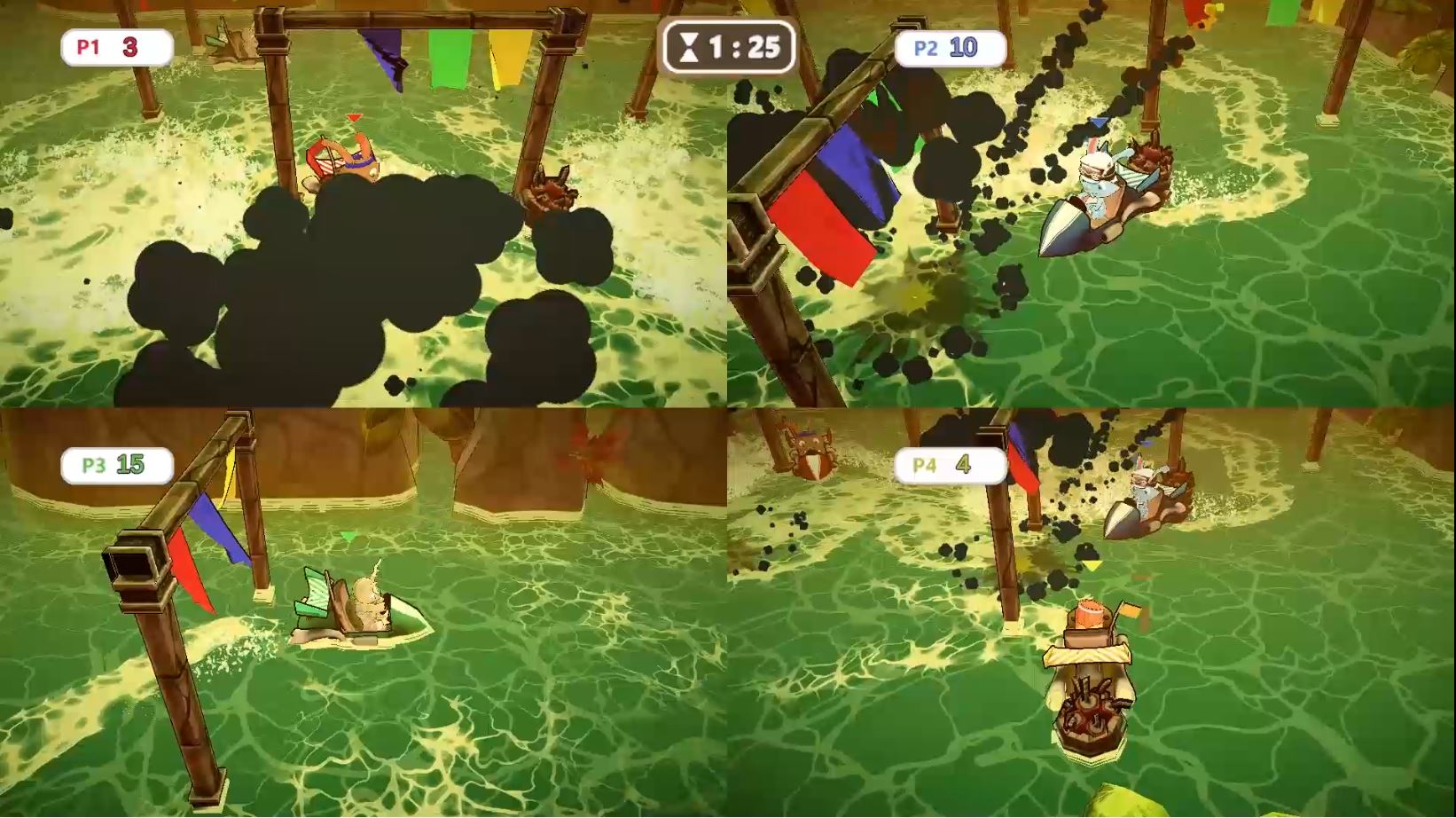
Running Fable Petite Party is built for short, punchy sessions rather than long single‑player campaigns. Its value is clearest in groups: a 30 to 60 minute party session delivers far more entertainment per dollar than solo grinding, with quick rounds that invite repeat play and easy rotation of players.
Accessibility is approachable: simple inputs, clear UI, and basic controller remapping make it easy for newcomers to join, but the game favors immediacy and authentic tabletop feel over deep accessibility customization.
Players who need advanced options should check platform settings for system‑level tools (input remapping, display scaling, or assist features) before a group night to ensure everyone can play comfortably.

Final Verdict
Running Fable Petite Party is a bright, mischievous party game that delivers exactly what it promises: fast, laugh‑heavy mini‑games wrapped in a playful tabletop shell. It’s built for living‑room chaos: short, explosive rounds, goofy physics, and a board layer that turns tiny decisions into dramatic reversals, making it perfect for casual gatherings, family game nights, and anyone who loves quick, social competition.
Competitive purists may bristle at the luck elements and occasional physics oddities, but those same unpredictable moments fuel the best stories and biggest laughs. For groups who prize fun over flawless balance, this is a delightful, well‑timed pick that turns every session into a memorable scramble for bragging rights.
Watch and Wishlist
• Why wishlist: Get notified about patches, new mini‑games or boards, cross‑platform features, and merch drops (Rand & Kilp plush bundles); also useful for sale alerts.
• Platforms to track: PC (Steam), Nintendo Switch, Xbox Series X|S & One, PlayStation 5 & 4.
• How to stay informed: Wishlist and follow the game’s store page; follow Seashell Studio on social channels and join their Discord for patch notes, community events, and merch announcements.
• Price perspective: $13.99, reasonable for a compact, local‑multiplayer party title; consider waiting for a sale if you mainly play solo or want added content.
Key Takeaways
• Party‑first design: Built for 1–4 players with local multiplayer as the primary draw.
• Compact but varied: 16 mini‑games across 3 tabletop arenas deliver quick, replayable rounds.
• Board + mini‑game loop: Dice, tile effects, and mini‑game triggers turn small choices into match‑defining swings.
• Accessible controls: Simple inputs and clear UI make it easy for newcomers to join the chaos.
• High player interaction: Sabotage mechanics, stealable items, and comeback moments fuel trash talk and memorable upsets.
• Short sessions, big laughs: Best enjoyed in 30–60 minute party sessions rather than long solo campaigns.
• Polish caveats: Some mini‑games feel swingy and a few physics interactions can be unpredictable; platform load times and input quirks vary.
• Merch and personality: Official Rand and Kilp plushies underscore the game’s charm and community focus.
• Platforms and release: Launched 30 January 2026 on PC, Switch, Xbox, and PlayStation.
• Value proposition: Great pick for casual gatherings and family nights; solo players should weigh limited single‑player depth.
Game Information:
Developer & Publisher: Seashell Studio
Platforms: Nintendo Switch (reviewed), PC, Xbox, PlayStation 4, PlayStation 5
Release Date: January 30, 2026
Reviewed by: Alissa Worley
Reviewed on: February 5, 2026
Score: 7.0 / 10 👍
⭐⭐⭐⭐⭐⭐⭐☆☆☆

Running Fable Petite Party is a charming, laugh‑first party game that nails pick‑up‑and‑play chaos. It earns points for accessible controls, 16 varied mini‑games, and a clever tabletop layer that turns tiny choices into dramatic comebacks. Local multiplayer is where it truly shines, delivering repeatable, social fun in short sessions.
The score reflects trade‑offs: some mini‑games feel swingy, a few physics interactions can be unpredictable, and single‑player depth is limited. With modest polish updates to balance and input responsiveness, this could easily climb higher; as it stands, it’s a reliably fun party pick that’s best enjoyed with friends.
“7.0 / 10 - A mischievous, couch‑friendly party game: loud, silly, and imperfect in the best possible way.”
