Wardrum - Assemble a warband, time your moves to a tribal drum, and turn flawless rhythm into tactical victory. (Demo Impressions)
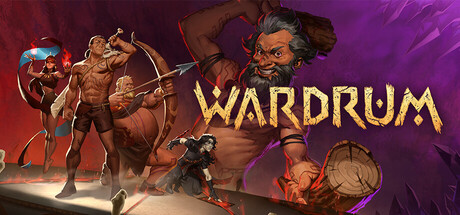
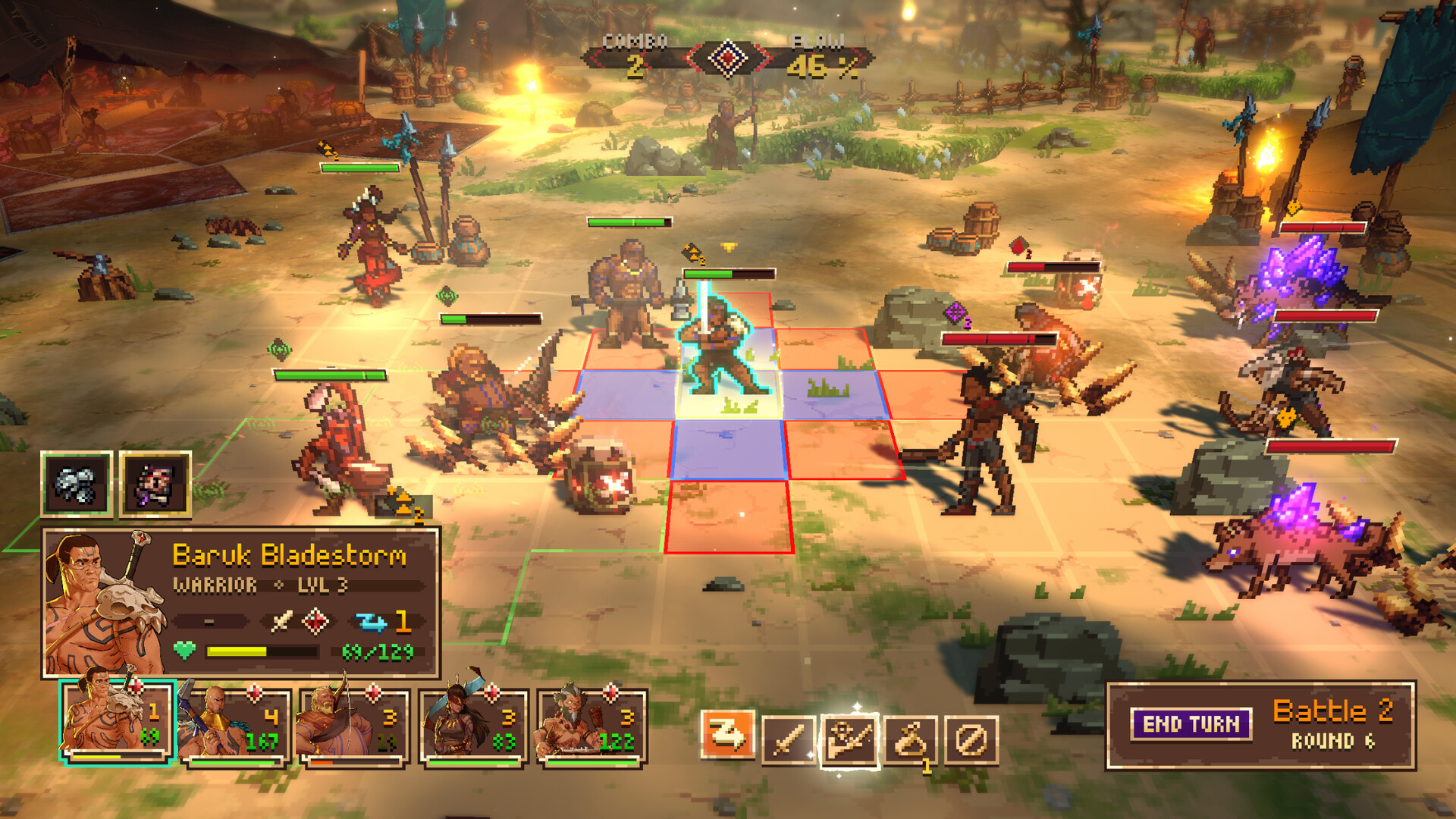
Wardrum (Demo) fuses turn‑based tactics with pulse‑driven rhythm in a tight, electrifying package: you plan moves on a tactical grid while syncing attacks to a primal tribal beat.
The demo drops you into the Shioso Plains and delivers a compact, complete taste of the core loop: assemble a warband, learn and chain beat‑timed abilities, adapt to randomized encounters, and face a biome boss.
Success hinges as much on timing as on positioning: nail the rhythm to amplify damage and trigger bonuses, then exploit terrain, traps, and enemy placement to turn a well‑timed strike into a devastating combo. Each run teaches new synergies between groove and strategy, making every victory feel earned and every defeat a lesson in rhythm and tactics.
What the Demo Shows
The demo covers the entire first biome and the boss encounter, letting you:
• Complete first‑biome run: The demo delivers the entire Shioso Plains experience, including the biome boss, so you can play a full, satisfying arc rather than a tease.
• Pick and experiment with a warband: Choose from starters like the Wardrummer, Barbarian, Bowman, and Warrior, then test different role synergies and playstyles across encounters.
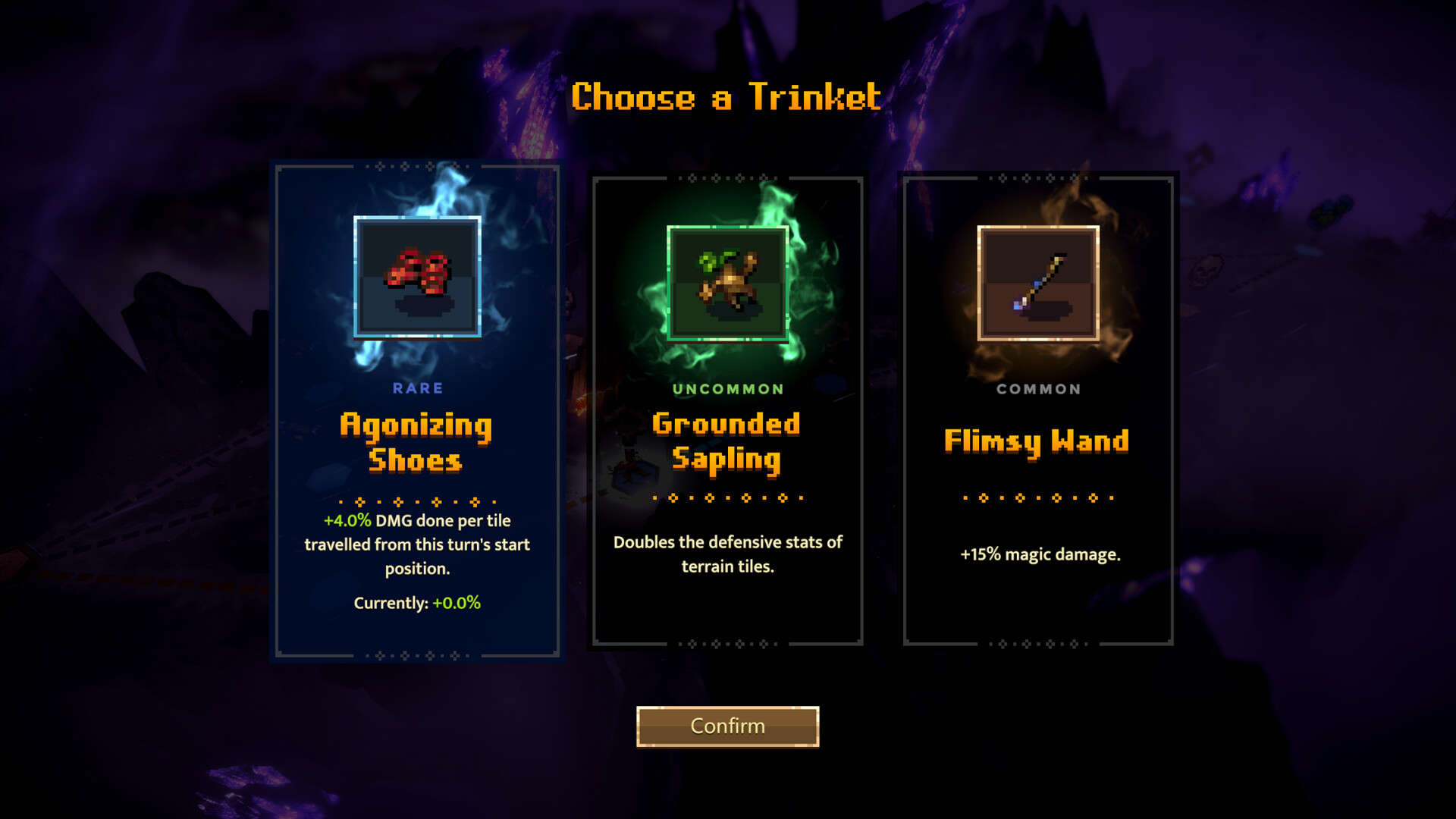
• Loot, level, and customize: Collect trinkets and unlock branching abilities at level‑up screens to shape builds; small choices compound into distinct tactical identities.
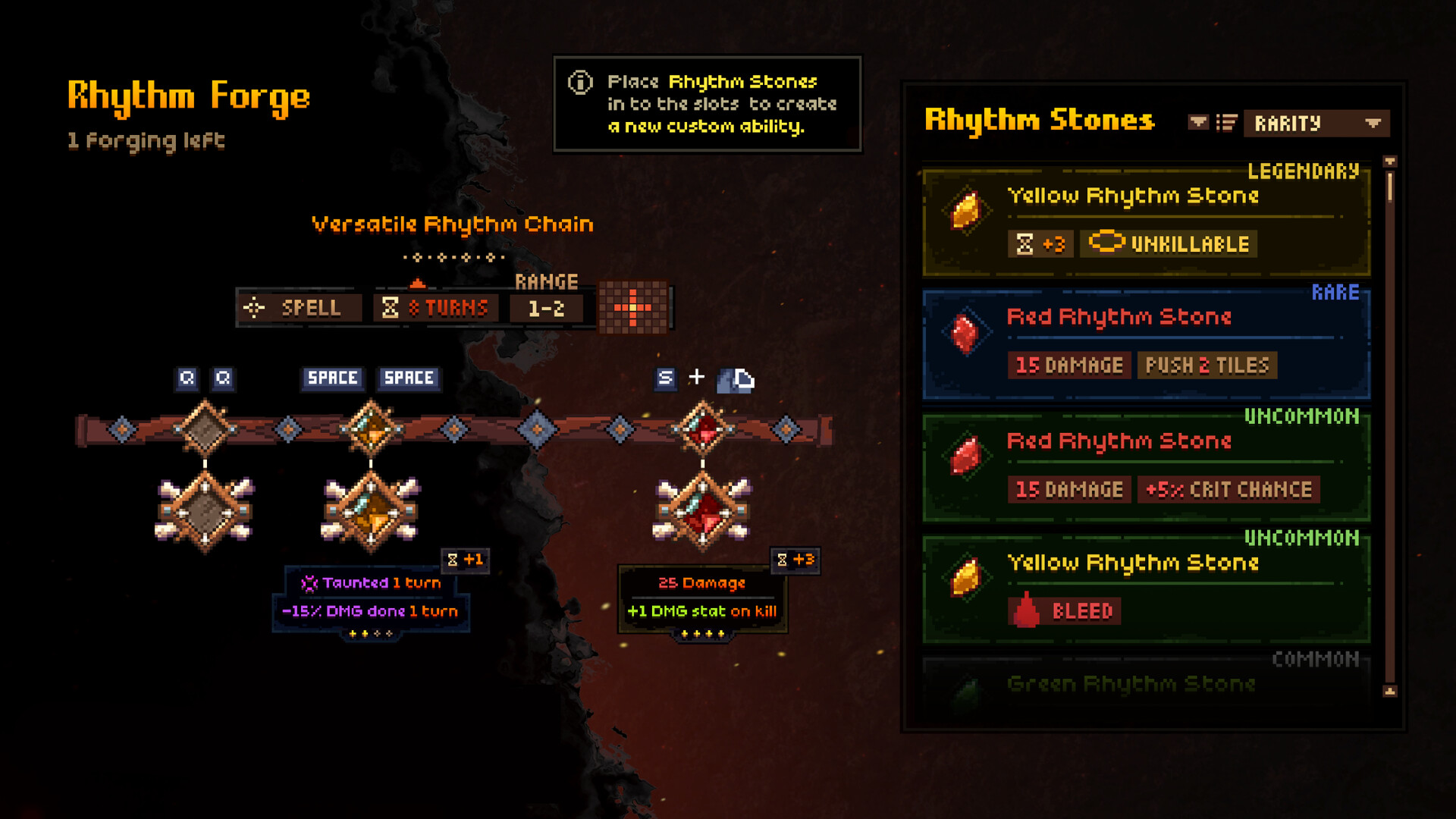
• Forge Rhythm Chains: Create custom beat‑linked sequences that let you chain abilities for amplified effects and dramatic payoff when timing and placement align.
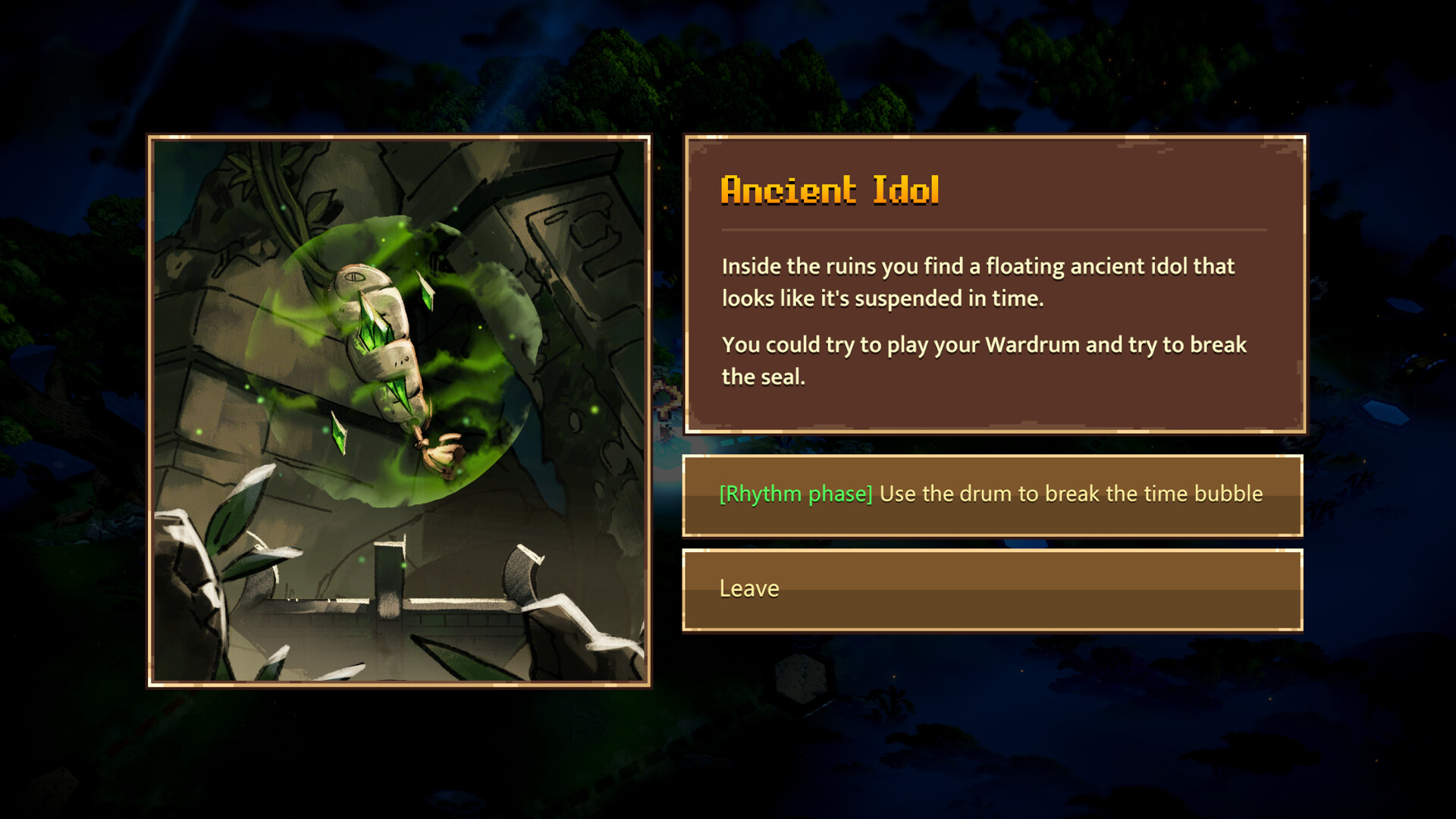
• Dynamic battlefields: Randomized maps, traps, ambushes, and weather hazards force you to adapt positioning and tactics on the fly, turning each fight into a fresh puzzle.
• Roguelite progression loop: Death feeds growth; learn from losses, refine your groove, and return stronger thanks to meta upgrades and the Rhythm Mother’s repeating blessing.
This focused slice demonstrates how rhythm and grid tactics interlock: timing multiplies strategy, environmental interaction rewards clever positioning, and the roguelite loop turns every defeat into a lesson for the next run.
Core Mechanics
• Beat‑timed execution: Abilities open rhythmic windows; land actions on the beat to increase damage, trigger critical effects, or unlock bonus outcomes. The rhythm layer is more than a modifier; it’s a skillful timing system that rewards practice, anticipation, and learning enemy patterns.
• Tactical grid combat: Movement and placement are decisive. Push, pull, trap, and kite foes into environmental hazards or your archer’s line of fire to chain terrain damage and control the flow of battle. Good positioning turns modest abilities into devastating combos.
• Ability progression: Leveling offers branching choices that let you specialize each unit into distinct roles; crowd control, single‑target burst, support, or hybrid builds. Choices compound across a run, so early decisions shape late‑game tactics.
• Trinkets and loot: Each unit carries two trinket slots; the right combinations can create powerful synergies or outright broken builds. Trinkets encourage experimentation and reward players who discover interactions between gear and rhythmic timing.
• Roguelite meta loop: Runs randomize encounters, maps, and rewards; the Rhythm Mother’s blessing and meta upgrades let you carry progress forward. Death is a learning tool; each failure refines your groove, unlocks new options, and deepens strategic possibilities.
These systems interlock to make every encounter a layered puzzle of timing, spatial control, and resource management: master the beat, own the battlefield.
Presentation and Audio
Audio is the game’s heartbeat. The tribal wardrum functions as a true metronome: its pulse dictates tempo, signals windows for action, and gives every successful beat a satisfying, weighty payoff. Layered sound cues (percussive hits, accent snares, and character voice stings) make timing intuitive: you don’t just see a hit register, you feel it through crisp, immediate audio feedback.
Rhythm feedback is multimodal. Visual indicators: pulsing rings, beat lines, and hit sparks, work in lockstep with the drum so players can learn the groove even when audio is compromised. When timing, crits, or Rhythm Chains trigger, the combined sound and visual response feels impactful, turning routine turns into cinematic moments.
Clarity under pressure. The demo’s stylized art keeps battlefield information legible when fights get chaotic: icons, range indicators, and hazard outlines remain readable so you can focus on timing and tactics rather than hunting for information. Strong audiovisual cues reduce ambiguity about why an ability succeeded or failed, which is essential for a game that ties mechanical success to split‑second rhythm.
Accessibility and polish. The best rhythm‑tactics games offer options: adjustable tempo, visual metronome, and controller rumble, to accommodate different players. Wardrum’s current feedback loop is already satisfying; adding explicit accessibility toggles and tighter hit‑confirmation animations would make the rhythm feel even more fair and rewarding across playstyles and setups.
Rough Edges and Suggestions
• Learning curve: The dual demands of tactical planning and rhythmic execution can overwhelm new players; a gentler onboarding or optional practice mode for beat timing would help.
• Clarity of effects: Some ability tooltips and trinket descriptions could be clearer about timing windows and exact bonuses on beat hits.
• Pacing balance: Early encounters sometimes swing between trivial and punishing; tuning encounter difficulty and trinket drop rates will smooth progression.
• Accessibility: Consider options for players who struggle with audio timing (visual metronome, adjustable tempo, or auto‑assist) so the rhythm layer remains optional but fair.
The demo already shows thoughtful design; addressing these points would broaden appeal and reduce frustration.
Final Takeaway
Wardrum’s demo is a striking proof of concept, a bold fusion of turn‑based tactics and rhythm that produces genuinely thrilling moments when timing and positioning align. The core loop is clever and satisfying: land the beat, exploit terrain, and watch modest plays cascade into cinematic combos.
The demo’s biggest hurdles are accessibility and clarity: tooltips, onboarding, and hit‑feedback need tightening so the rhythm layer feels learnable rather than punishing, and a few pacing spikes in early encounters can interrupt the flow. Those are fixable problems.
With clearer UI, more forgiving onboarding options (visual metronomes, tempo adjustments, practice drills), and some encounter tuning, Wardrum could become a standout tactical roguelite for players who relish precision and planning. For now, the demo is well worth a run if you enjoy rhythm‑driven strategy and don’t mind investing a little practice to find your groove.